
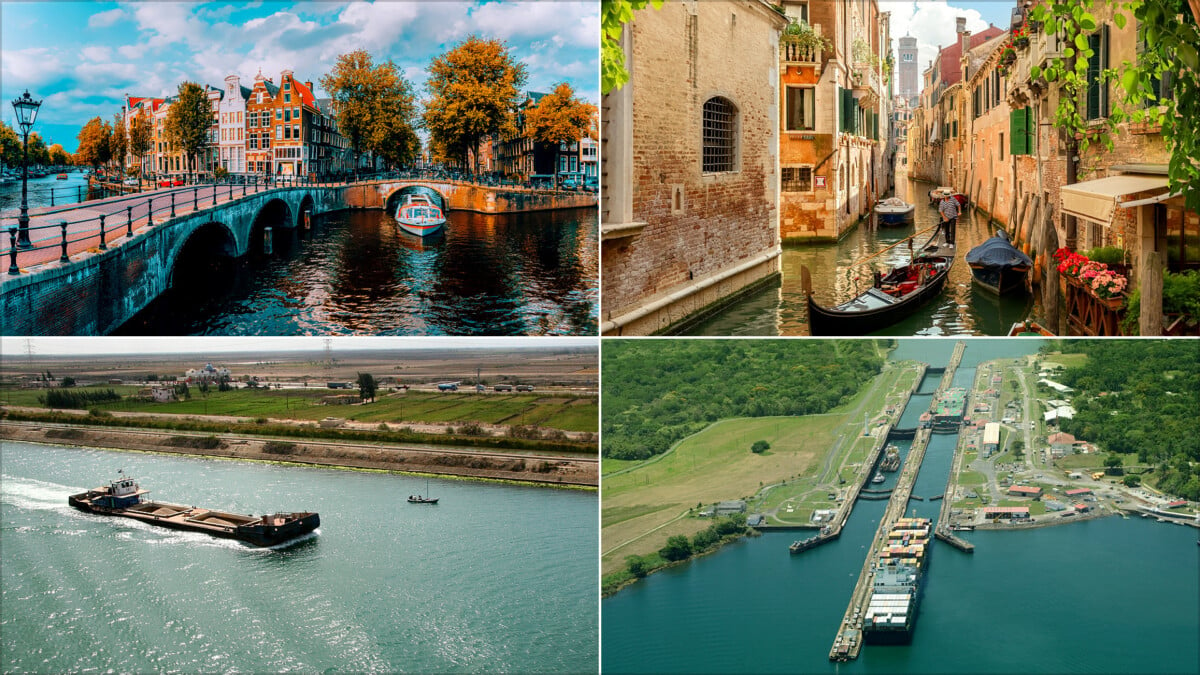
The most famous canals are the Panama Canal, Suez Canal, Venice’s canals, Amsterdam’s Canal Ring and China’s Grand Canal. Together, they show how waterways can reshape global shipping, build great cities and turn an ordinary walk or boat ride into the main event.
Some were carved to save ships enormous detours. Others were built into daily urban life, where ferries, water taxis and working boats share space with residents. This guide focuses on the famous canals that are most useful to understand, and most rewarding to see in person.
What Makes a Canal Famous?
A canal becomes famous for more than its length. The Panama Canal and Suez Canal changed the economics of ocean shipping by linking major seas and oceans. Venice and Amsterdam show a different side of canal history: water networks designed around city life, trade, drainage and architecture.
The best-known waterways also reveal an important split. A ship canal is built to move commercial vessels across or through land. An urban canal network is often part transport system, part water-management infrastructure and part public scenery. China’s Grand Canal has done both jobs across a very long history.
Panama Canal, Panama
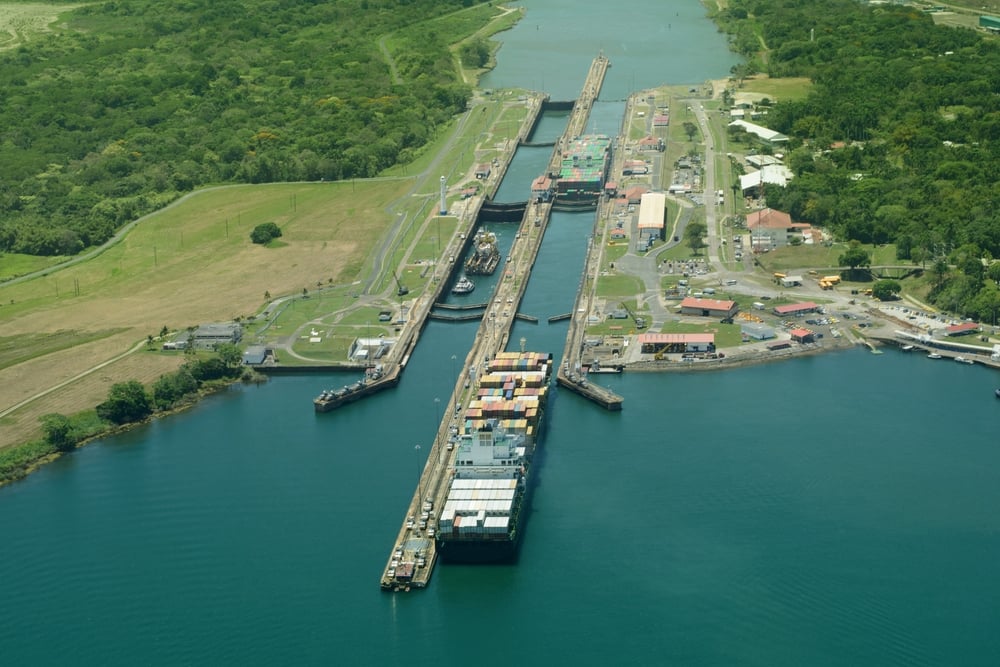
The Panama Canal links the Atlantic and Pacific oceans across the Isthmus of Panama. It opened in 1914 and measures about 82 kilometres, making it one of the defining engineering projects of modern maritime history.
Its lock system is central to the experience. Ships are raised and lowered as they cross terrain that sits above sea level, so a transit is much more than a straight sailing passage. For vessels travelling between the east and west coasts of the United States, the canal can cut roughly 15,000 kilometres from a route that would otherwise go around South America.
For people visiting Panama, the canal is best approached as a working piece of infrastructure, not a museum prop. Watching a large ship move through a lock makes the scale clear very quickly. Build extra time into any Panama City plans, since ship movements and viewing conditions shape the experience more than a rigid sightseeing schedule.
Suez Canal, Egypt
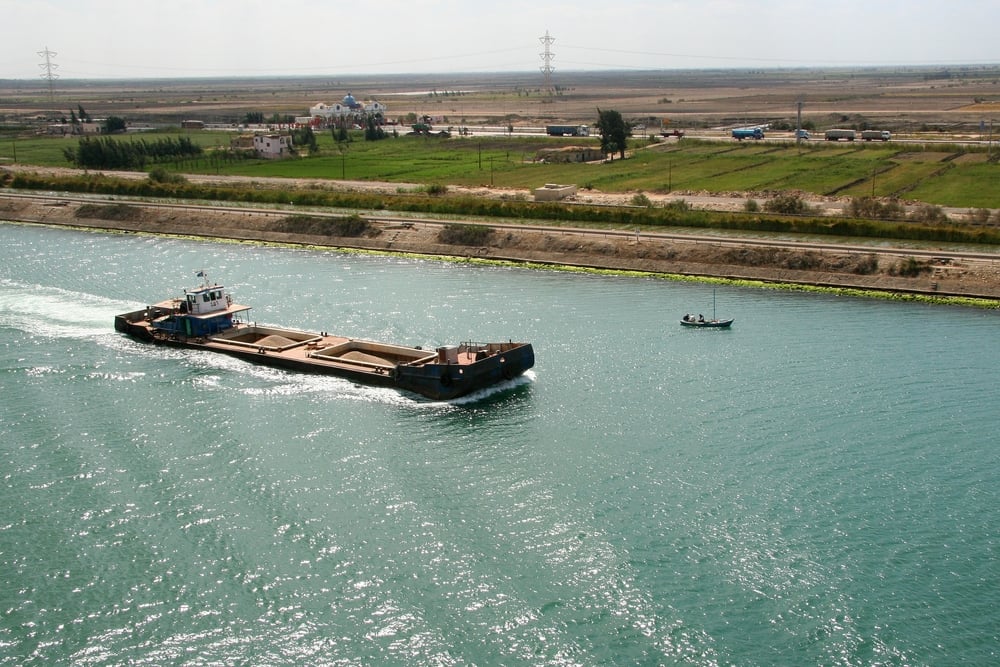
The Suez Canal connects the Mediterranean Sea with the Red Sea, creating the direct maritime route between Europe and the Indian Ocean that reshaped global trade after its opening in 1869. With branches included, the waterway is about 193 kilometres long.
Unlike Panama, Suez is a sea-level canal without locks. Ships pass through on open water, crossing the narrow land bridge between Africa and Asia. Its strategic position explains why it features so often in discussions of shipping routes, fuel costs and disruptions to global supply chains.
A Suez Canal crossing is usually experienced from a ship, while a trip to Egypt more commonly centres on Cairo, Luxor, Alexandria or Red Sea resorts. Still, its importance is easy to grasp on a map: the canal avoids the long voyage around Africa’s southern coast. Geography occasionally delivers a very expensive shortcut.
Venice’s Canals, Italy
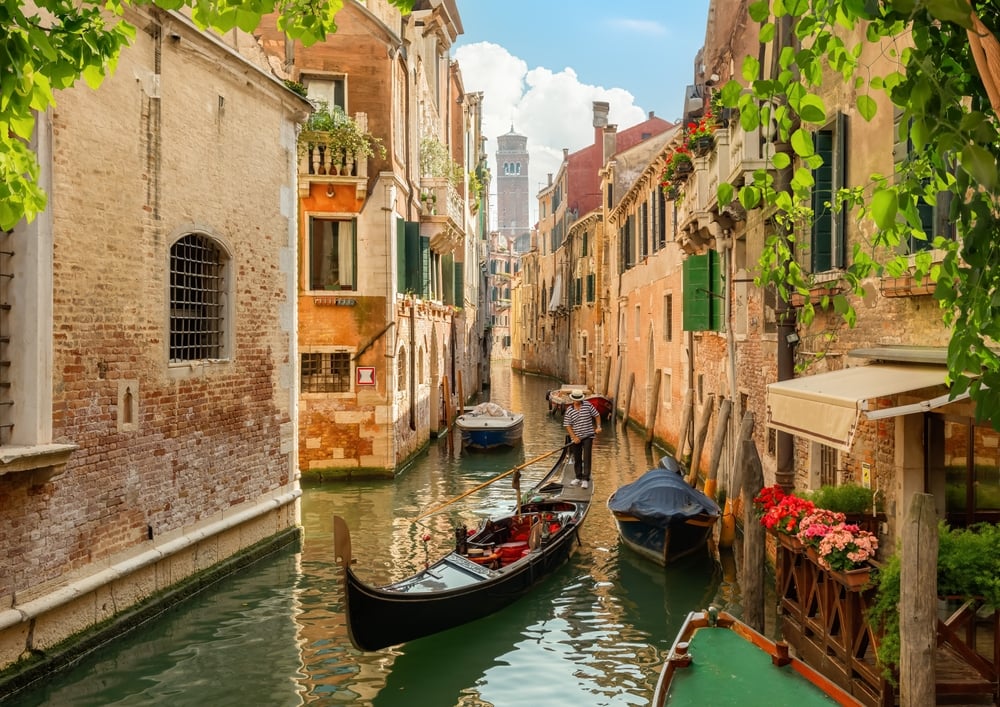
Venice’s canals are the most recognisable urban waterways in the world. The city was built across 118 islands, and its network of more than 150 canals remains a core part of local movement and the city’s visual identity.
The Grand Canal is Venice’s principal waterway, sweeping through the city past palaces and historic facades. Gondolas are the emblematic choice, but they are only one part of the water traffic. Vaporettos, water taxis, delivery boats and private craft make it clear that Venice’s waterways are practical routes as well as famous scenery.
For a first walk, use the Grand Canal as your orientation line and allow time to cross it on foot where bridges make that possible. A vaporetto ride gives a broader view of the canal-facing buildings without treating the city as a set. Venice is compact in places, but routes can be indirect because water sits where a road would normally be.
Amsterdam Canal Ring, Netherlands
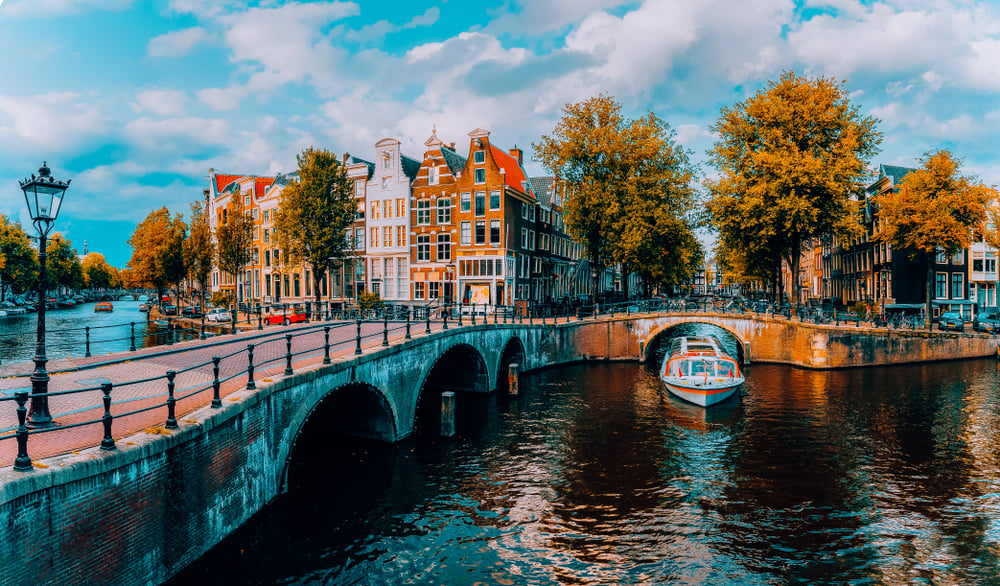
Amsterdam’s Canal Ring, or Grachtengordel, is a 17th-century system of concentric canals built during the city’s major expansion. UNESCO inscribed the Seventeenth-Century Canal Ring Area of Amsterdam on its World Heritage List in 2010.
Amsterdam has about 165 canals stretching more than 60 miles in total. The network helped with drainage and land management while creating a city plan shaped by water. Its canals divide central Amsterdam into roughly 90 small island-like areas, linked by bridges and streets.
Herengracht, Keizersgracht and Prinsengracht are the names most people encounter first. They reward slow exploration because their character comes from the combination of water, narrow canal houses and ordinary city movement. A canal cruise offers an overview, while walking or cycling along one canal at a time makes it easier to notice the changing streetscape.
China’s Grand Canal
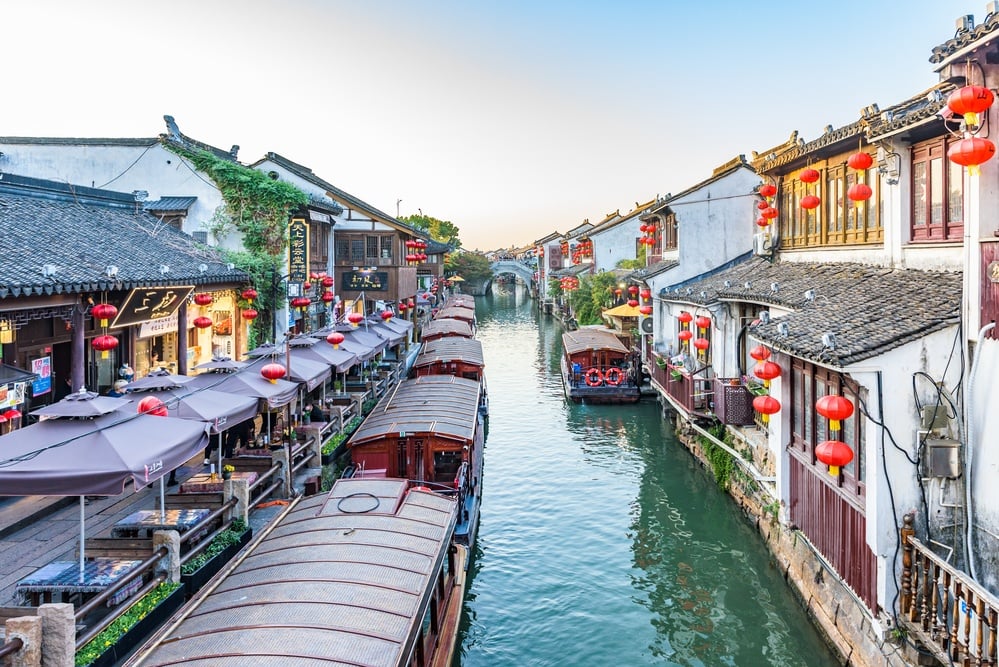
China’s Grand Canal, often called the Beijing-Hangzhou Grand Canal, is the world’s longest man-made waterway. Its history stretches back more than 2,500 years, and it links the Yellow River and Yangtze River systems across eastern China.
The canal extends for more than 1,000 miles and played a major role in moving grain, people and goods between northern and southern China. UNESCO added the Grand Canal to its World Heritage List in 2014, recognising both its scale and its long influence on settlement, administration and commerce.
It is best understood as a vast corridor rather than one single photogenic stretch. Beijing and Hangzhou frame its familiar name, but the canal’s story runs through multiple regions and cities. That scale is precisely what separates it from the tighter, city-centre waterways of Venice and Amsterdam.
How These Famous Canals Compare
| Canal | Best Known For | Key Detail | Best Way To Experience It |
|---|---|---|---|
| Panama Canal | Lock engineering and ocean-to-ocean shipping | Opened in 1914; about 82 kilometres long | Watch ships use the locks near Panama City |
| Suez Canal | Europe-to-Asia shipping route | Opened in 1869; sea-level canal without locks | Understand it through its route and maritime role |
| Venice’s canals | Water-based city life | More than 150 canals across 118 islands | Combine walking with a vaporetto ride |
| Amsterdam Canal Ring | 17th-century urban design | About 165 canals; UNESCO-listed since 2010 | Walk, cycle or take a canal cruise |
| China’s Grand Canal | Historic inland transport corridor | More than 2,500 years old and over 1,000 miles long | Explore a specific city section within its larger route |
Are Famous Canals Worth Visiting?
Yes, but the right experience depends on the canal. Venice and Amsterdam are ideal for a city break where the water is woven into every day of sightseeing. Panama is strongest for anyone curious about engineering and maritime logistics. The Suez Canal is more powerful as a geographic and commercial landmark, while China’s Grand Canal suits people interested in long-distance history and the way infrastructure can hold a country together.
Do not try to treat every canal in the same way. A gondola-style experience makes sense in Venice; it would make no sense beside a container ship at Panama. The pleasure is in seeing how each waterway answers a different problem.
Tips for Seeing Canals Without Rushing
- Choose one viewpoint and one water-level experience. In Amsterdam, pair a walk along Prinsengracht with a boat cruise. In Venice, combine a Grand Canal crossing with time in the smaller waterways nearby.
- Respect working water traffic. Panama and Suez are commercial lifelines, and Venice still depends on boats for many everyday tasks.
- Use bridges as navigation points. Canal cities can feel pleasantly disorienting, especially Venice, where a direct line on a map may involve several turns.
- Look beyond the headline waterway. The Grand Canal is essential in Venice, but quieter side canals explain how the city functions. The same principle applies to Amsterdam’s ring beyond its most photographed stretches.
Frequently Asked Questions About Famous Canals
What Is the Most Famous Canal in the World?
The Panama Canal is often considered the world’s most famous canal because it links the Atlantic and Pacific oceans through a lock system and transformed long-distance shipping after opening in 1914.
Which Canal Connects the Mediterranean Sea and the Red Sea?
The Suez Canal connects the Mediterranean Sea and the Red Sea. Opened in 1869, it provides a sea-level shipping route between Europe and the Indian Ocean.
Which City Has the Most Famous Canals?
Venice is the city most closely associated with canals. It has more than 150 waterways across 118 islands, with the Grand Canal serving as its principal route.
Are Amsterdam’s Canals a UNESCO World Heritage Site?
Yes. UNESCO inscribed Amsterdam’s Seventeenth-Century Canal Ring Area, known as the Grachtengordel, on the World Heritage List in 2010.
What Is the Longest Man-Made Canal?
China’s Grand Canal is the world’s longest man-made waterway. It runs for more than 1,000 miles and has a history of more than 2,500 years.
Related Reading Ideas
- How the Panama Canal Locks Work
- Venice Transportation Guide: Vaporetto, Water Taxi and Gondola Basics
- What Vienna Is Famous For, Including Its Danube Canal and Riverside Districts
- These Famous Blue Towns for More Colour-Focused European Trip Ideas