
Cheap premium seats always come with a catch, and Delta is no exception. The airline has expanded its Basic fare tier into some of its priciest cabins, including Delta First, Delta Premium Select, and Delta One.
That opens the door to a lower sticker price for travelers who care more about the seat than the ceremony. It also comes with a longer list of trade-offs, from seat assignment after check-in to reduced baggage allowance and weaker change rules. In plain English, you may get the big seat without the big flexibility.
For budget-minded flyers, this is one of those deals worth reading twice before clicking book. The onboard experience stays the same, but several perks that usually make premium cabins feel premium are now either limited or gone. At a time when airlines are adding more carve-outs and restrictions across the board, this sits right alongside wider policy tightening, including how airlines are cracking down on gate lice and other boarding-rule chaos.
Delta Basic Fares Now Reach Premium Cabins
Delta began offering Basic fares in its premium products on July 8. The expansion covers Delta First, Delta Premium Select, and Delta One, with the entry-level Delta One option sold as Basic Business.
The airline says these fares are available in select markets, not everywhere. Delta First Basic is already showing up on select Delta-operated domestic routes and some Latin America markets. Delta Premium Select Basic and Basic Business are on sale now, but those trips will not begin flying until September in domestic and select long-haul international markets.
Availability depends on route, market, and timing. If a Basic premium option is offered, it appears during booking in Delta’s app, on its website, by phone, and through third-party sellers. That means two people searching the same week for different dates may see very different fare menus. Airline pricing, as ever, remains a lightly cursed treasure hunt.
What You Still Get With Delta First Basic, Premium Select Basic, And Basic Business
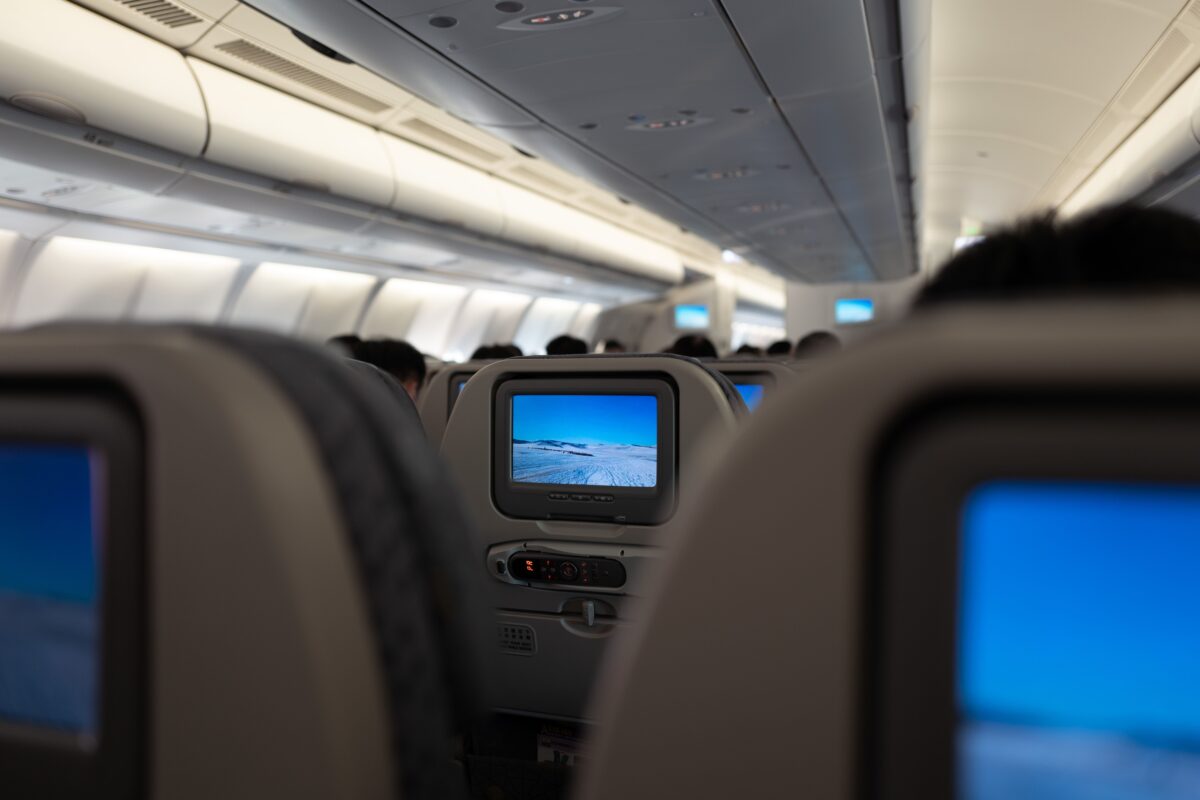
Here is the part designed to tempt you: Delta says there is no difference in the onboard experience between Basic, Classic, and Extra fares in these premium cabins.
So if your priority is the seat itself, the cheaper fare still gets you into the same cabin as everyone else. For plenty of travelers, especially on overnight flights, that is the whole point. If your mission is simply “arrive able to function,” a lie-flat bed can do more for your trip than lounge snacks ever will.
In Delta One, the Basic Business fare still includes the full onboard Delta One experience. That includes:
- Zone 1 boarding
- 180-degree lie-flat seats, with privacy suites on select aircraft
- Chef-curated three-course meals with complimentary beer, wine, and spirits
- Hot towel service, plush bedding, and a Missoni amenity kit with Grown Alchemist skincare products
That is the real hook in Delta’s new structure. The cabin experience stays intact. The cuts happen around the edges of the trip, and sometimes those edges matter more than people expect, especially if you are connecting, carrying extra gear, or trying to sit next to someone you actually know.
What Delta Takes Away On Basic Premium Tickets
The lower fare comes with familiar Basic restrictions, now wrapped around premium seats. These are the big ones:
- Seat assignment after check-in
- Reduced checked bag allowance
- Lower mileage earning
- No complimentary or paid upgrades
- No same-day confirmed changes
- No same-day standby travel changes
- Changes or cancellations allowed for a fee
That first point is the one budget travelers should circle in red ink. Paying for a premium cabin but waiting until after check-in for a seat assignment is not nothing. If you are traveling with a partner or care about a specific seat, this matters a lot.
Delta says passengers on Basic fares are not eligible for product upgrades. They may, however, buy a seat assignment within their current product if one is available. So yes, you may end up paying extra to lock in the seat you assumed came with the fare. Airline pricing remains a hobby for people who enjoy mild chaos.
That setup also creates a weird middle ground: you are paying for a premium seat category, but some of the convenience behaves more like stripped-down economy. If you hate surprise add-ons, this is where the “cheap” premium fare can start looking less like a bargain and more like a spreadsheet prank.
Why Delta Calls It Basic Business Instead Of Delta One Basic
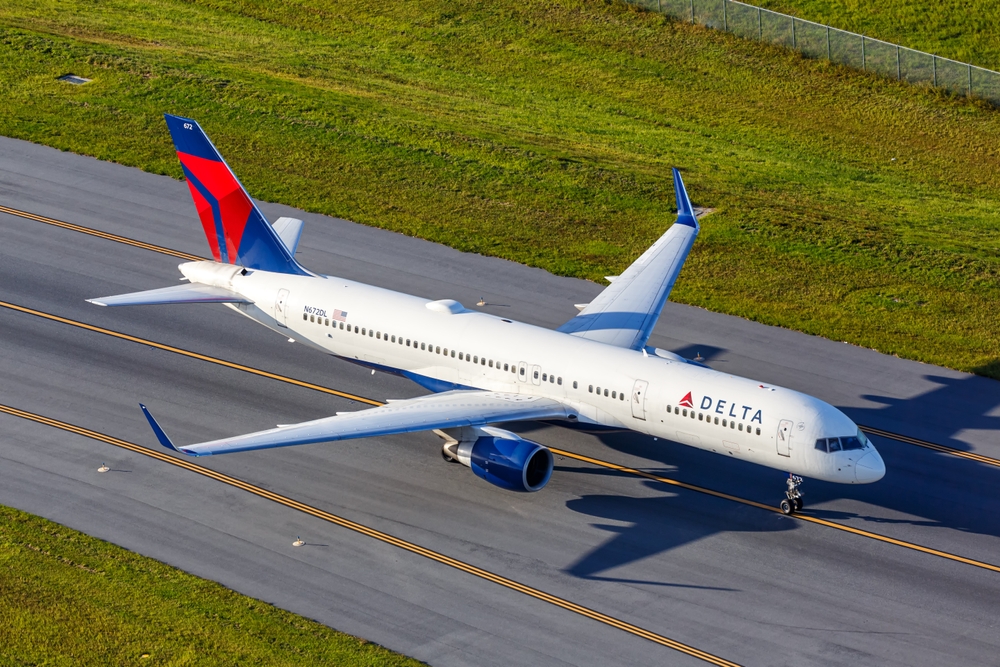
Delta is using the name Basic Business for the entry-level Delta One fare rather than calling it Delta One Basic. The reason is that Delta One has grown into more than just a seat.
Under this setup, Basic Business gives you the onboard business-class experience, but strips out some of the premium ground perks tied to a standard Delta One ticket. That means the fare is sold more like a business-class seat and less like the full end-to-end Delta One package.
The two biggest exclusions are Delta One check-in and Delta One Lounge access, though there is a temporary exception explained below.
Delta Lounge Access Rules Get More Complicated After January 18, 2027
If you hate fare families because they make simple things weird, you are not alone. Lounge access is now one of those weird things.
Under the long-term rules, customers on Basic premium tickets will need another valid way to enter a Delta Sky Club, such as a membership or an eligible credit card. A purchased Basic fare on its own will not unlock lounge access.
For Delta One specifically, customers must buy a Delta One Classic or Delta One Extra fare for lounge access through the ticket itself.
There is, however, a transition period. Through January 18, 2027, customers flying on a Basic Business ticket will still keep access to the Delta One check-in experience and Delta One Lounge.
Delta is also keeping some temporary and status-based exceptions in place through that same date:
- Gold Medallion members and above flying Delta Premium Select Basic on international itineraries will retain Delta Sky Club access through their Medallion benefits
- Delta 360 members flying Delta First Basic and Basic Business will retain Sky Club access through their 360 credentials
After January 18, 2027, those buying Delta First Basic, Delta Premium Select Basic, or Basic Business will need separate access credentials for Delta Sky Clubs if they want in.
That date matters because lounge access can easily swing the value equation. If you already have entry through a premium credit card, elite status, or a membership, losing ticket-based access may be annoying but manageable. If you were counting on showers, food, or a quiet place during a long layover, the cheaper fare starts giving back less than it first appears.
Can You Change Or Cancel Delta’s Basic Premium Fares
Yes, but not freely. Delta says Basic premium tickets can be changed or canceled for a fee, with the remaining value issued as an eCredit for a future Delta ticket purchase.
That makes these fares less rigid than some no-frills tickets, but far less forgiving than travelers may expect from a premium cabin. If your trip plans are shaky, the cheaper fare may not stay the cheaper fare for long.
For backpackers and long-term travelers who often book around shifting plans, this is the classic airline trap. A lower upfront price can quickly become a worse deal if you need schedule flexibility.
It is also worth remembering that eCredits are only useful if you expect to book Delta again and can use the credit before it expires. Plenty of travelers love an airline voucher right up until it becomes a tiny administrative side quest six months later.
Checked Bags On Delta Basic Premium Fares
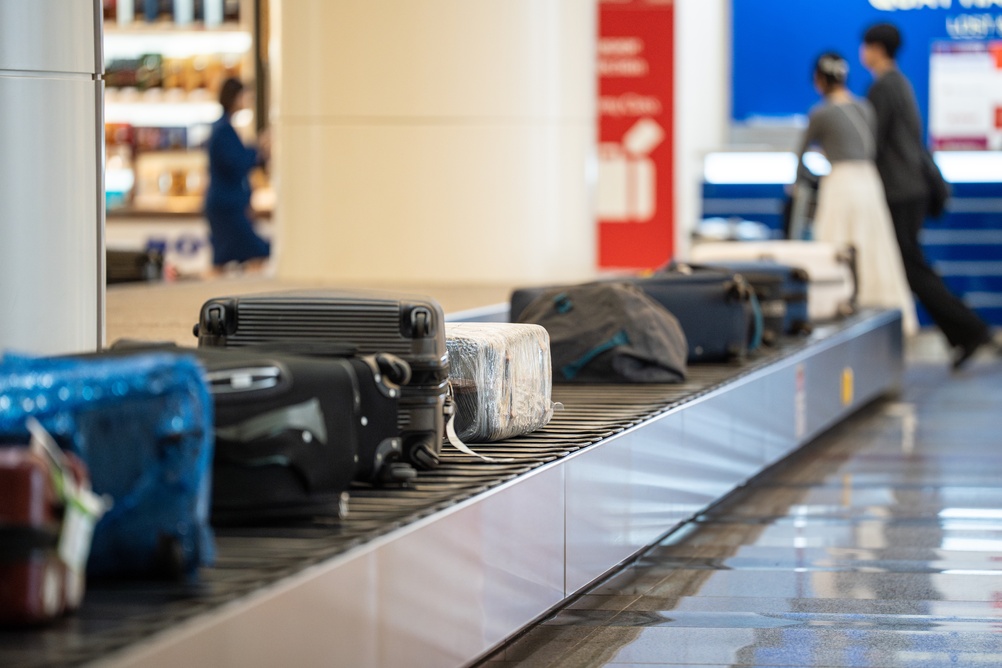
Baggage allowance on these fares varies by market, but Delta says Basic premium tickets will typically include one fewer checked bag than the comparable Classic fare on routes where checked bags are included.
That matters most on longer trips, international itineraries, and work trips where premium seats are often booked in the first place. The irony is strong: a seat built for overpacking your sleep, paired with a fare built for underpacking your stuff.
Delta also notes that eligible Delta SkyMiles American Express cardholders can still get a first checked bag free on Delta flights worldwide, including for up to eight additional travelers on the same reservation. Eligible Basic Card Members can also check a second bag free on domestic Delta flights.
For travelers carrying hiking gear, winter layers, or anything bulky, this is one of the easiest places to misjudge the math. If the lower fare saves a modest amount but you end up paying for luggage, the “deal” can disappear fast. Anyone plotting a bigger trip after landing, from a mountain run to a multi-stop itinerary like this budget breakdown for Iceland, should pay extra attention here.
Who These New Delta Basic Premium Fares Actually Suit
These fares are aimed at people who want the premium seat and service, but care less about the rest. That could include travelers who:
- Want a lie-flat seat on a long flight but do not care about the lounge
- Are booking a firm itinerary and do not expect to make changes
- Travel light enough that reduced baggage is not a big issue
- Already have lounge access through a credit card or membership
- Care more about onboard comfort than pre-flight frills
For budget-conscious travelers, the real value is straightforward. If the price gap is meaningful and you only want the seat, Basic Business could be compelling. If the fare difference is small, the missing perks may not be worth the discount.
This could also appeal to people using points or cash savings strategically. Some travelers would rather spend less on the ticket, skip the lounge, and keep the difference for several extra days on the ground. That logic makes a lot more sense if your destination budget matters more than a polished airport ritual, as it does in places covered by guides like London on a budget or Granada on a budget.
When Delta Classic Or Extra Still Makes More Sense
There are plenty of cases where paying more for Classic or Extra is the smarter move.
You may want the higher tier if you need:
- Advance seat selection
- Better baggage allowance
- Higher mileage earning
- Same-day travel flexibility
- Lounge access tied directly to the ticket
- A trip that is easier to change without extra pain
This is especially true for couples, families, business travelers with meetings to make, and anyone connecting across multiple flights. Saving money on paper is nice. Saving yourself from a logistics headache is often nicer.
It also makes more sense if the premium cabin is being booked for a special reason, not just comfort for comfort’s sake. If you are paying extra because you need sleep before a meeting, want certainty on a honeymoon, or simply cannot risk being split from your travel companion, predictability has value.
What Budget Travelers Should Check Before Booking
Delta’s new fare options are simple in theory and fiddly in practice. Before booking one of these lower-cost premium tickets, check the details on:
- Seat selection timing and whether paid seat choice is available
- Bag allowance on your exact route
- Lounge access rules for your travel date
- Change and cancellation fees
- Mileage earning compared with Classic or Extra
If you are shopping on price alone, the new fares open the door to premium cabins at a lower entry point. If you are shopping for the full polished experience, read the fine print carefully. Delta is now selling the comfy part of premium travel a bit cheaper, while charging you in flexibility, perks, and certainty.
A good rule of thumb is simple: compare the Basic premium fare against both standard premium and regular economy. Sometimes the sweet spot will be obvious. Other times you may find that a standard economy ticket plus saved cash for the trip itself is still the better move.
For some travelers, that trade works. For others, it is just economy-style restrictions wearing a nicer robe.
