
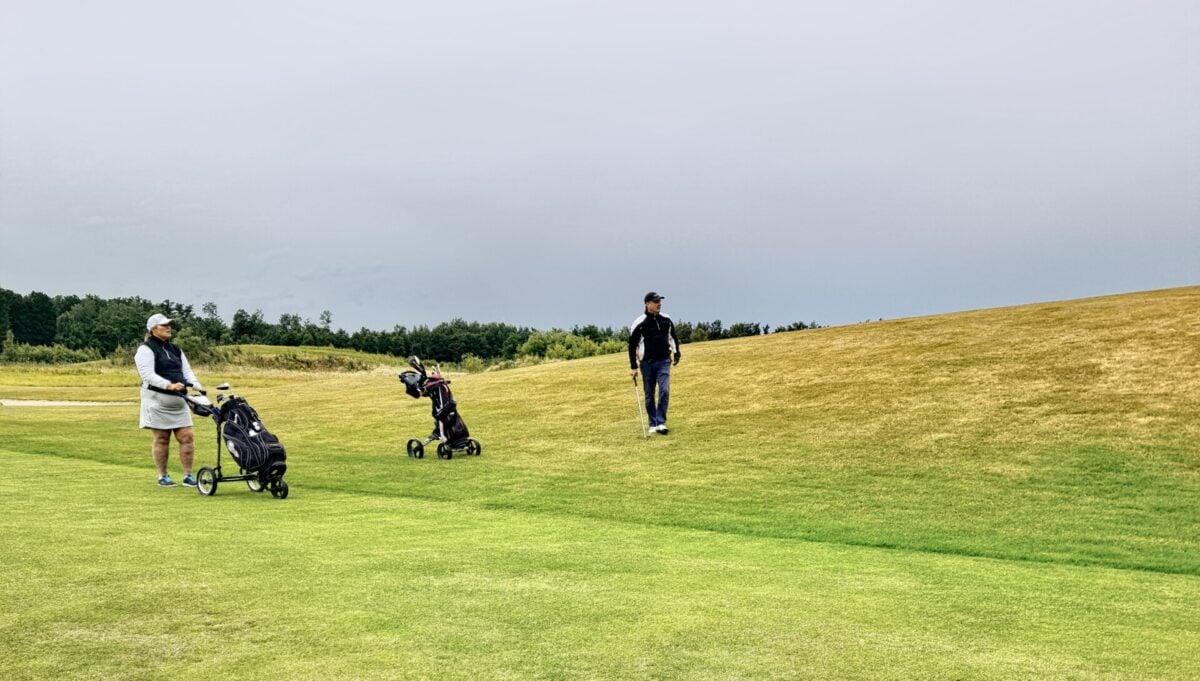
The most common mistakes visitors make when golfing in Scotland are booking too late, underestimating the weather, and cramming an unrealistic number of rounds into a short trip.
Scotland rewards golfers who plan carefully but play flexibly. The marquee names are magnificent, but a rushed schedule, a late tee time, or a missing waterproof can turn a long-awaited trip into a logistical slog.
Use this guide to avoid the errors that come up most often, especially on first trips built around St Andrews, Carnoustie, Muirfield, and Royal Troon.
If you are looking for more golfing in Scotland content, check our ultimate golf guide to Scotland.
Waiting Too Long To Book Tee Times

Major Scottish courses are not places to leave until a few weeks before departure. St Andrews Old Course, Carnoustie, Muirfield, and Royal Troon attract golfers from around the world, and access rules vary by club.
For trips built around the biggest names, start planning well before flights are booked. Some marquee courses release visitor tee times during the spring of the preceding year, while Muirfield and Royal Troon may limit visitor play to particular days. Contact the club directly and read its visitor information before locking in hotels, transport, and non-refundable plans.
Do not build every day around a single famous course. Scotland has a deep public-access golf culture, and a local course can be the round that saves an itinerary when a prime tee time does not materialize. A good route pairs headline rounds with courses close to the same base, avoiding a daily cross-country dash.
Trying To Play Too Many Courses

The urge to cover St Andrews, Carnoustie, Muirfield, Royal Troon, and every other famous name in one week is understandable. It is also how golf trips become a sequence of alarm clocks, motorway miles, and hurried meals.
A round on a links course is not always a quick four-hour appointment. Wind, firm ground, blind shots, searching for balls in rough, and a full tee sheet can all stretch the day. Add loading clubs, driving to the next stop, checking in, and finding dinner, and two rounds a day starts to look less heroic.
Keep your course choices geographically sensible. A St Andrews-focused stay works best with nearby Fife golf, while Muirfield belongs in an East Lothian plan and Royal Troon fits naturally with Ayrshire. One round per day with breathing room usually produces better golf and a much better holiday.
Playing Immediately After a Long-Haul Flight
A first tee time on arrival day can look efficient on paper. For anyone arriving after an overnight flight, it often becomes the least enjoyable round of the trip. Jet lag, a delayed bag, unfamiliar roads, and a brisk coastal wind are a rough combination before you have even found the first tee.
Give the opening day a lighter purpose. Settle in, collect rental clubs if needed, walk around St Andrews, and have a proper meal. If you are determined to play, choose a flexible, lower-pressure round instead of attaching your arrival day to a difficult booking at the Old Course or Carnoustie.
That buffer also protects the rest of the itinerary. A delayed flight should not force you to miss the one tee time your group spent months arranging, particularly if you are flying through Glasgow after allowing for Glasgow Airport security delays.
Assuming Scottish Summer Means Dry Golf

Scottish golf weather can change quickly, particularly on exposed links. A bright start at Royal Troon or Carnoustie can give way to wind and rain before the turn, while a cool morning may become perfectly playable by lunchtime.
Pack a waterproof jacket and waterproof trousers that you can swing in, plus a hat, gloves, and spare socks. An umbrella helps around the clubhouse, but it is not a complete answer when coastal wind picks up. Keep rain gear accessible rather than sealed inside the deepest corner of a travel bag.

Men's Waterproof Golf Rain Suit Rain Gear Jacket and Pants Black XL
Bring layers, too. Links golf tends to feel cooler than the forecast suggests when wind is involved. A thin insulating layer and a windproof outer piece are more useful than one bulky garment that stays in the car all day.
Arriving Without Knowing the Course Setup
Traditional Scottish courses do not always provide the pre-round setup many golfers expect. Practice ranges can be limited or absent, especially at older links layouts.
St Andrews offers a useful example. The St Andrews Links practice range is about a 20-minute walk from the Old Course first tee, so it is not a last-minute warm-up stop. During the busy season, a shuttle operates between the range and the first tees for the St Andrews links courses. Build that transfer into your arrival time if a proper warm-up matters to you.
Before each round, check the club’s guidance on practice facilities, parking, bag drop, caddie arrangements, and dress expectations. A few minutes of preparation prevents the irritating experience of reaching the tee with no time to hit a putt or buy water.
Bringing the Wrong Gear, or Too Much of It

Taking your own clubs makes sense if you know you will be more comfortable with them, but transporting them requires planning. Golf bags take up space in hire cars, especially when four people also have suitcases. A basic compact rental car can become an expensive puzzle at the airport.
A padded golf travel bag reduces the risk of damage in transit and makes club handling easier. If you prefer not to fly with clubs, rental sets are available in Scotland, including longer-term rental options in Edinburgh. Reserve them in advance when your schedule depends on a particular hand, shaft type, or setup.

Himal Outdoors Soft-Sided Golf Travel Bag with Wheels- Heavy Duty 600D Polyester Oxford Wear-Resistant, Excellent Zipper Universal Size
Also resist packing a dozen unnecessary accessories. Prioritize weather protection, enough balls for demanding rough, a reliable glove rotation, and comfortable walking shoes. Links golf asks for practical gear, not a touring pro’s equipment truck.
Treating Wind Like a Minor Inconvenience
Wind is part of the game on courses such as Carnoustie, Royal Troon, and the Old Course at St Andrews. The mistake is trying to overpower it with the same high, aggressive shots used at home.
Practice lower trajectories before departure if you can. On the course, take more club, make a controlled swing, and accept that a conservative shot into the middle of the green may be the clever play. A punch shot is far more satisfying than watching another full wedge climb into the wind and come back with interest.
Listen to caddies where available. Their advice is particularly valuable on links terrain, where lines can be obscured, bunkers may sit out of sight, and a safe aiming point can look unintuitive from the tee.
Ignoring Pace, Etiquette, and Local Customs

Scottish clubs are welcoming to guests, but a visitor round still comes with responsibilities. Arrive early, repair pitch marks, rake bunkers, keep up with the group ahead, and be ready when it is your turn. These are simple habits, yet they matter more on a busy day when tee times are tightly spaced.
Ask before assuming a particular format, cart policy, or dress rule. Many links courses are designed to be walked, and walking is often the best way to experience their contours and changing views. If anyone in the group needs a buggy or has mobility concerns, contact the club before booking instead of hoping the issue can be solved on the morning.
In the clubhouse, follow the lead of the venue. A post-round meal and a drink are part of the experience at many Scottish clubs, but nobody needs to perform an imitation of a member. Be polite, be on time, and enjoy the place.
Skipping Lesser-Known Courses
A Scotland itinerary that contains only famous championship venues can be harder to book, more expensive, and less relaxed. It also misses the variety that makes a golf trip memorable.
Keep the iconic rounds, particularly if playing the Old Course at St Andrews has been a long-held goal. Then give your schedule room for courses that are easier to access and less pressured by international demand. A quieter local round can offer more time to settle into links conditions and enjoy the company you came with.
The useful rule is simple: build the trip around a few non-negotiable courses, then choose the rest by location and availability. That approach creates a resilient itinerary if weather, travel, or tee-time changes intervene. If your group wants a rest day away from the fairways, the best things to do in Aviemore make a good case for slowing the trip down.
Frequently Asked Questions About Golfing in Scotland
How Far Ahead Should You Book Golf in Scotland?
For sought-after rounds at St Andrews, Carnoustie, Muirfield, or Royal Troon, begin planning many months ahead and check each club’s visitor booking process. Prime tee times can disappear well before a trip begins.
Do You Need To Hire a Car for a Scotland Golf Trip?
A car can be useful for reaching several courses, but choose one with enough room for passengers, golf bags, and luggage. Groups with multiple club bags should confirm cargo space before reserving a vehicle.
Can You Play Golf in Scotland Without Bringing Clubs?
Yes. Rental clubs are available through some courses and specialist rental providers, including services based in Edinburgh. Reserve early if you need a particular configuration or are travelling during a busy period.
What Should You Wear for Golf in Scotland?
Wear breathable layers and bring waterproof outerwear, even when the forecast looks encouraging. Waterproof trousers, a rain jacket, warm gloves, and spare socks are sensible additions for exposed links courses.
Should First-Time Golfers Play the Old Course at St Andrews?
Yes, if securing a tee time fits the budget and itinerary. Plan extra time for the St Andrews Links practice range, which is about a 20-minute walk from the Old Course first tee, and avoid scheduling the round immediately after a long-haul flight.
Plan the Golf, Leave Room for Scotland
The best Scotland golf trips are organized without becoming over-engineered. Book the rounds that matter most, cluster courses sensibly, pack for rain and wind, and leave enough time to arrive at each tee feeling awake and unhurried.
That small amount of slack is not wasted time. It is what lets you enjoy St Andrews, handle a change in weather, take caddie advice on a blind tee shot, and remember the round for more than the route to the next one. It can also leave space for a coastal detour, including dolphin watching in Scotland if your route takes you north.