
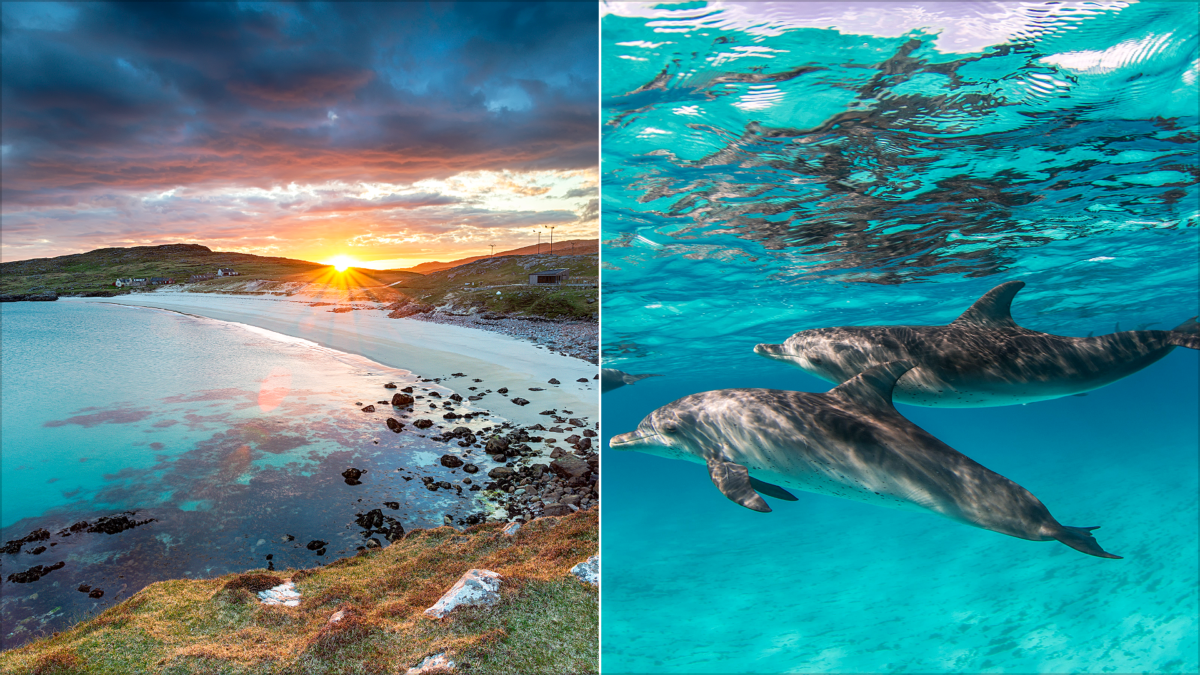
Dolphin watching Scotland: a practical guide for planning the trip
Dolphin watching Scotland has a knack for turning an ordinary coastal day into a memorable one. You are not just hoping for a glimpse of a fin. You are reading the sea, the tides, the weather, and a coastline that feels built for wildlife spotting if you slow down long enough to notice it.
The good news is that Scotland offers several reliable places to look for dolphins, especially around the Moray Firth and parts of the Highlands and islands. The slightly less glamorous truth is that wildlife never signs a contract. Your best results come from choosing the right place, the right season, and the right conditions, then being patient enough to let the water do its thing.
If you are planning a trip around dolphin watching in Scotland, the goal is not only to spot animals. It is to enjoy the scenery, the local communities, and the wider coastal experience that goes with it. That means good boots, a windproof layer, and a realistic attitude. Scotland rewards the prepared.
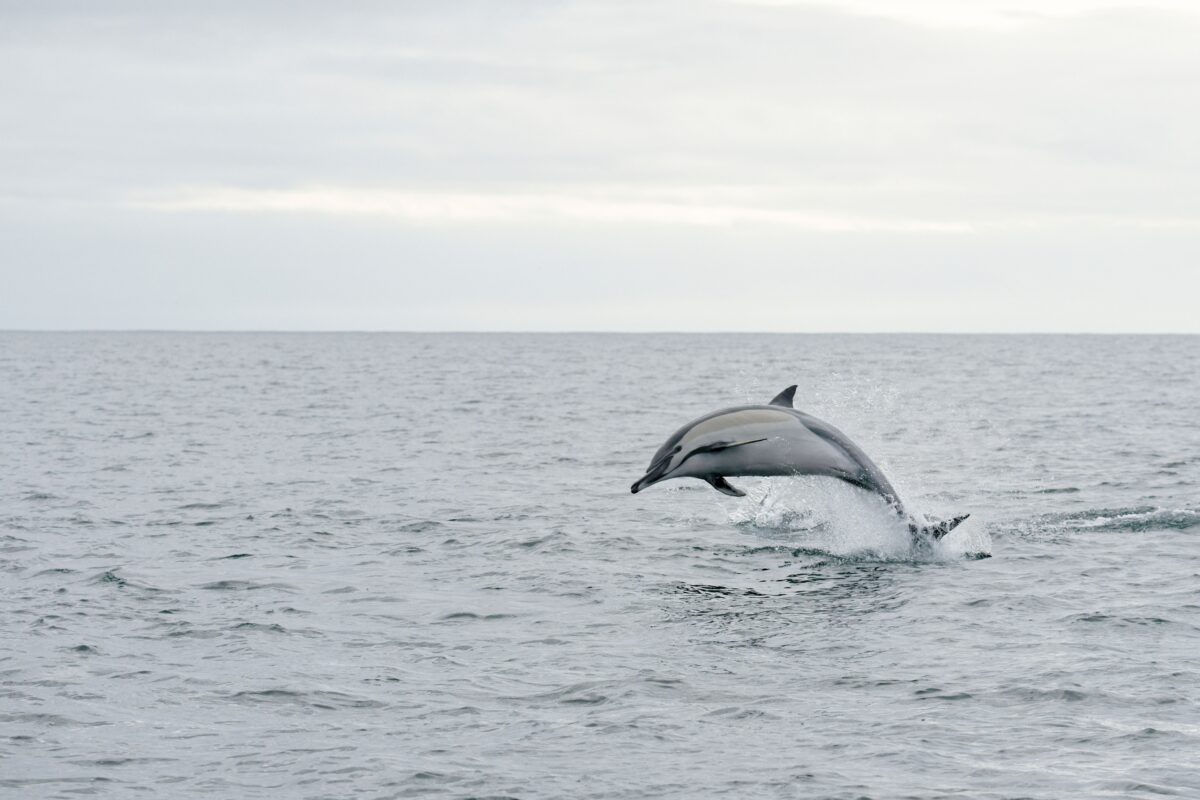
Where to go dolphin watching in Scotland
Some places are simply better suited to dolphin watching than others. They offer accessible viewpoints, local boat trips, and coastal waters where marine life is seen more regularly. Below are the spots most worth considering if dolphins are high on your Scotland wish list.
| Place | Why it is worth visiting | Best time to visit | Helpful tip |
|---|---|---|---|
| Moray Firth | One of the best-known areas for bottlenose dolphins in Scotland, with accessible coastal viewpoints and boat options | Late spring through early autumn, with good conditions often in calmer weather | Bring binoculars and check tide and wind forecasts before heading out |
| Inverness and the Black Isle | Strong land-based viewing opportunities and easy access from the city | Warmer months, especially when seas are calmer | Look for elevated viewpoints and ask locally about the most suitable spots |
| Chanonry Point | A famous dolphin-watching location where the tidal movement can bring wildlife close to shore | Around incoming tides, especially in favourable weather | Arrive early and expect company, because word has got out |
| Caithness and the north coast | Quiet coastal scenery and a wilder feel for travellers who like a broader wildlife day out | Late spring to autumn | Combine dolphin watching with seabird and seal spotting for a fuller trip |
| The Hebrides and island waters | Boat trips can reveal a wider mix of marine life in dramatic island settings | Spring and summer generally offer more comfortable conditions | Choose operators with a strong wildlife focus and sensible viewing practices |
Moray Firth: the classic starting point
If you are looking for the best-known area for dolphin watching Scotland offers, the Moray Firth is the obvious place to start. It has a long-standing reputation for bottlenose dolphins, and for good reason. The coastline gives you a mix of sandy shores, headlands, estuaries, and boat-friendly waters, which makes it one of the more practical places to build a trip around wildlife watching.
What makes the Moray Firth special is not just the chance of seeing dolphins. It is the ease of doing it. You can pair wildlife spotting with a city base such as Inverness, or stay in coastal towns and move between viewpoints without turning the day into a logistical puzzle. That is helpful when Scotland’s weather decides to add a bit of drama.
Best time to visit: Late spring through early autumn is often the most comfortable period for a wildlife-focused trip, with calmer conditions and longer daylight helping your chances.
Travel tips:
- Use binoculars even if the water looks quiet at first.
- Check local tide times before choosing a viewpoint.
- Allow extra time, because wildlife watching tends to reward patience rather than speed.
- Wear layers that can handle wind on the coast, even on a mild day.
Nearby experiences: Inverness, the Black Isle, coastal walks, and other marine wildlife watching opportunities make this a strong base for a wider Highlands trip.

Chanonry Point: the place many people mean when they say dolphin watching Scotland
Chanonry Point is one of the most talked-about places for dolphin watching in Scotland, and it has earned that reputation. The site sits on the Black Isle and looks across a narrow channel where tidal movement can create favourable conditions for viewing dolphins from shore. It is one of those places where the landscape and the wildlife feel neatly connected, which is half the pleasure of being there.
What makes it unique is the land-based viewing experience. You do not necessarily need a boat to enjoy the action, which is useful if you are travelling with limited time or simply prefer staying on dry land. That said, dry land is only an advantage if you pack for the Scottish coast. The wind has opinions.
Best time to visit: Incoming tides are especially worth targeting, and calm weather improves visibility. The warmer months are usually more comfortable for lingering by the shore.
Travel tips:
- Check tide times before setting off, since timing matters here more than almost anywhere else.
- Arrive early if you want an easier parking experience.
- Bring a jacket even if the forecast looks polite.
- Keep expectations flexible. The real trick is to enjoy the setting even if the dolphins decide to be fashionably late.
Nearby experiences: The Black Isle offers scenic drives, walking routes, and easy links back to Inverness, making Chanonry Point a satisfying half-day or full-day stop.
Caithness and the far north: quieter waters, wider horizons
For travellers who like their wildlife with fewer crowds, Caithness and the far north of Scotland can be a very appealing option. This part of the country feels broader and more open, with long stretches of coastline and a sense of space that suits slow travel. It may not have the same headline status as the Moray Firth, but it offers a rewarding mix of seascapes, birdlife, and marine watching.
What makes the area unique is the atmosphere. You are less likely to feel like you are queueing for a view, and more likely to experience the coast as a whole rather than a single famous stop. That can make a dolphin trip feel more rounded, especially if you enjoy combining wildlife with road trip scenery and smaller harbours.
Best time to visit: Late spring to autumn brings more comfortable conditions and longer daylight for exploring multiple viewpoints.
Travel tips:
- Plan for longer drives between viewpoints than you might expect.
- Check local conditions before driving out to remote coastal spots.
- Mix land-based watching with a broader wildlife day, including seabirds and seals.
- Keep snacks in the car. Northern Scotland teaches practical lessons quickly.
Nearby experiences: Coastline walks, small museums, historic sites, and scenic roads make this a strong choice for travellers who want more than a single wildlife stop.
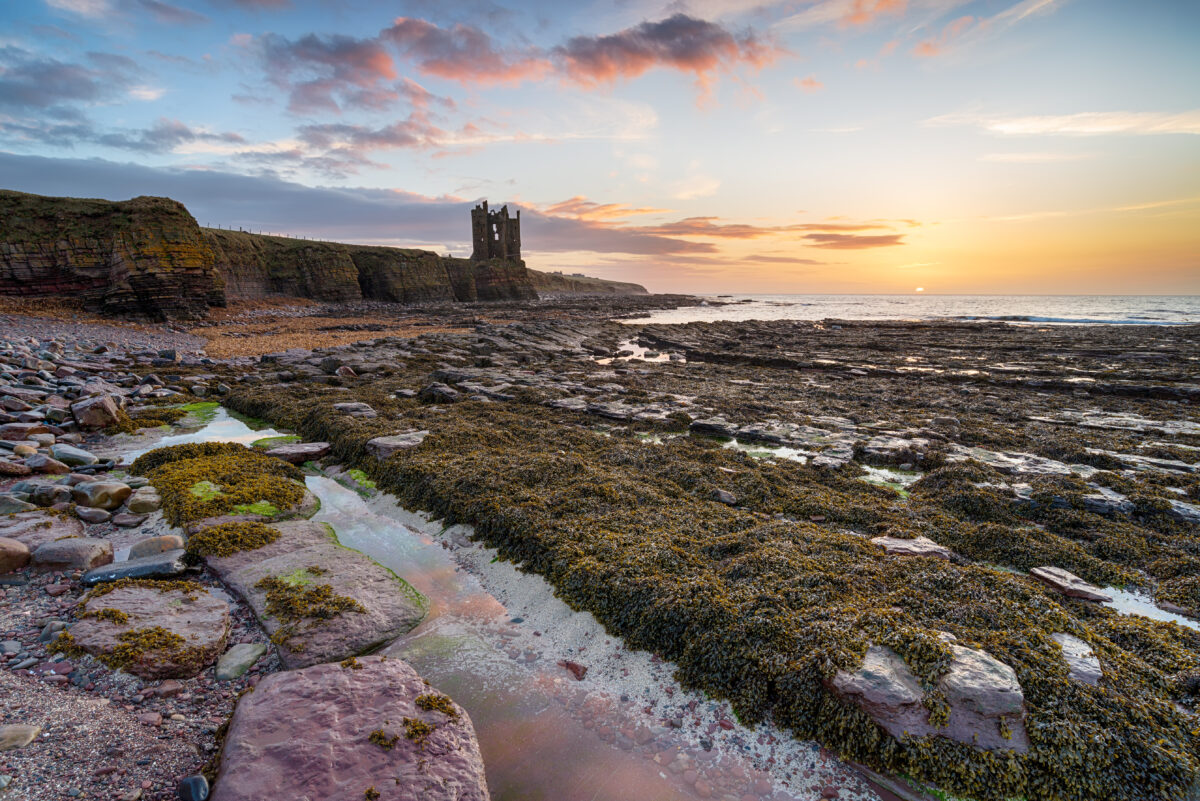
The Hebrides and island waters: dolphins plus a bigger marine story
The Hebrides are not just about one species, but that is part of their charm. A boat trip here can open up a wider marine world, with the possibility of seeing dolphins alongside other seabirds and sea mammals depending on conditions and location. If you want your dolphin watching Scotland trip to feel like a proper island adventure, this is where the experience becomes more expansive.
What makes the Hebrides unique is the setting. You are looking out over waters that can feel remote and elemental, with island landscapes that make even the ferry crossing part of the story. It is a better fit for travellers who enjoy the journey as much as the destination, and who do not mind a bit of weather negotiation along the way.
Best time to visit: Spring and summer often offer more settled conditions, which is helpful for both comfort and visibility.
Travel tips:
- Choose reputable boat operators that place wildlife viewing first and avoid crowding the animals.
- Book with flexibility in mind, since island weather can affect sailing conditions.
- Pack seasickness remedies if you are prone to the wobble.
- Build in extra time to explore beaches, harbours, and walking routes nearby.
Nearby experiences: Island beaches, ferry routes, coastal walks, and local food stops make this a satisfying option for a longer trip.
When is the best time for dolphin watching in Scotland?
There is no single perfect date in the calendar, but some periods are more comfortable and practical than others. For most travellers, late spring through early autumn is the easiest time to plan a dolphin watching Scotland trip. The weather is often milder, daylight lasts longer, and the coast is simply more pleasant for lingering.
That said, there is more to it than the season alone. Tide, wind, and visibility all matter. A bright day with a choppy sea is not always your friend, while a calm, grey day can still produce excellent wildlife viewing. Scotland enjoys reminding visitors that nature does not care much about neat travel plans.
Good conditions often include:
- Calmer seas
- Clear visibility
- Incoming tide at specific viewing points
- Enough daylight to wait without rushing
If you are scheduling a trip around dolphin spotting, it is worth giving yourself more than one chance. A single rushed stop is a gamble. A relaxed two-day or three-day coastal plan gives you room to adapt if the weather changes its mind, which it often does with gusto.
Land-based viewing or a boat trip?
Both approaches work, and each has its own appeal. Land-based viewing is easier, cheaper, and often more flexible. Boat trips can feel more immersive and may cover wider stretches of water, but they also depend more on sea conditions and your comfort on board.
Land-based viewing is best if you want:
- An easy add-on to a wider road trip
- Lower cost and more flexibility
- The option to wait for wildlife without committing to a set sailing time
Boat trips are best if you want:
- A closer marine experience in suitable conditions
- Access to areas that are harder to reach from shore
- A broader wildlife outing that may include seabirds and other marine life
If you are new to dolphin watching in Scotland, a sensible approach is to combine the two. Choose one strong shore-based location and one boat trip, then let the trip breathe a bit. That way, you are not relying on a single tactic and you get a fuller picture of the coastline.
Practical tips for a better dolphin watching trip
A little planning goes a long way. Wildlife watching is enjoyable when it feels relaxed, not when you are marching around the coast with the emotional energy of a missed train connection.
What to bring
- Binoculars for spotting movement at distance
- A windproof jacket, ideally one you actually like wearing
- Layers, because coastal weather changes quickly
- Comfortable shoes with decent grip
- Water and snacks for longer viewing sessions
- A camera with a zoom lens if you want photos without disturbing wildlife

We earn a commission if you buy through this link, at no extra cost to you.
How to improve your chances
- Check tide times for known viewing spots
- Ask locally about the best place to stand, since conditions change
- Arrive with time to spare rather than rushing to the water’s edge
- Be ready to stay put if the sea looks promising
- Keep your distance and let the animals set the pace
Common mistakes to avoid
- Assuming any coastal viewpoint will do
- Ignoring tide information at spots where it matters
- Underestimating how cold and windy the shore can feel
- Expecting dolphins to perform on a schedule
Helpful resources for planning
For travel planning, it is worth checking official local information before setting out. The VisitScotland website is a useful starting point for regional inspiration, accommodation ideas, and wider trip planning. For journeys in and around the Highlands, the ScotRail network can help with train-based planning, while the Rome2Rio site is handy for comparing broad transport options when you are piecing together a longer route.
If you are heading to a specific coastal area, local harbour websites, ferry operators, and attraction pages are often the best places to check for access notes and seasonal opening details. That is especially true if your trip depends on a boat tour or a timetable that is affected by tides and weather.
Make dolphin watching Scotland part of a bigger coastal trip
The best dolphin watching trips are rarely just about the dolphins. They also give you a reason to explore a coastline more thoughtfully, spend time in smaller towns, and notice how much variety Scotland packs into its shores. One day you are scanning a tidal channel for fins; the next you are standing on a headland wondering why you did not bring a second thermos.
For the most satisfying experience, choose one or two strong viewing bases, leave room in your itinerary, and treat the outing as part wildlife watch, part scenic road trip. That balance is what makes dolphin watching Scotland such a good travel idea. It works for first-time visitors and repeat travellers alike, and it never really feels like a box-ticking exercise.
When the sea cooperates and the dolphins show up, brilliant. When they do not, you still get the coast, the light, the wind, and a better excuse than most for spending a few extra hours by the water.
