
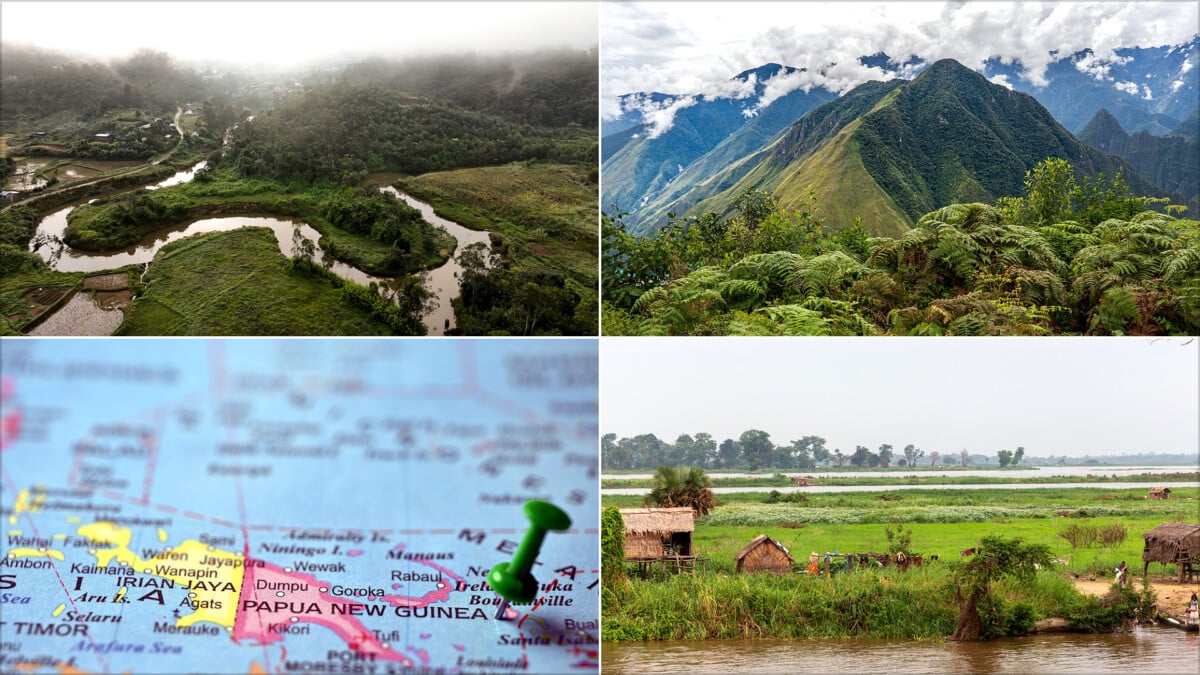
If your ideal trip involves muddy boots, binoculars and stopping every few minutes to work out what’s moving in the trees, a rainforest holiday could be your kind of adventure. You might be drawn to Borneo’s orangutans, Madagascar’s lemurs or the sheer scale of the Amazon.
Choosing between the world’s most biodiverse rainforests takes a little more thought than picking the biggest species count. Some places are remarkable for their variety of plants, others for wildlife found nowhere else. Even the figures need unpacking: counting trees and counting every kind of plant are two different jobs.
We’ve brought together six extraordinary rainforest regions, from the Congo Basin to New Guinea and the forested slopes of the Tropical Andes, to explain what makes each special and help you decide which one you’d most like to explore.
The World’s Most Biodiverse Rainforests at a Glance
This is a comparison of published findings, rather than a ranked league table. Some figures cover entire islands or biodiversity hotspots, including habitats outside rainforest.
| Rainforest region | Published biodiversity figure | What it actually measures |
|---|---|---|
| Amazonia, South America | About 16,000 tree species estimated in 2013 | A model-based estimate for the Amazon Basin and Guiana Shield; not a completed species checklist |
| Borneo, Southeast Asia | An estimated 15,000 or more plant species, including about 6,000 endemic species | WWF’s island-wide plant summary; not a count of trees alone |
| Congo Basin, Central Africa | About 10,000 tropical plant species, roughly 30% endemic | A regional estimate cited in WWF’s 2024 report |
| New Guinea and surrounding islands | 13,634 vascular plant species, 68% endemic, in a 2020 study | An expert-verified checklist covering habitats from the coast to high mountains |
| Tropical Andes, South America | About 30,000 vascular plant species, roughly half endemic | The whole biodiversity hotspot, including cloud forests and other ecosystems |
| Rainforests of the Atsinanana, Madagascar | Approximately 80–90% endemism across groups in UNESCO’s description | A summary for a World Heritage property comprising six national parks, rather than a total species count |
Sources were checked in November 2026. Publication years identify the evidence being quoted, not the year every species was counted. Figures without a study year are conservation organisations’ published summaries.
How Do Scientists Compare Rainforest Biodiversity?
Two useful starting points are species richness, the number of species in a defined area, and endemism, the proportion or number restricted to a particular region. Endemic to an island is different from endemic to a mountain range, so the boundary matters. Before comparing two figures, ask three questions:
- What is being counted? Trees are only part of a forest’s plant life. Vascular plants include flowering plants, conifers, ferns and related groups; animals, fungi and many other organisms need their own inventories.
- How large is the study area? A whole island, a river basin and a single national park are very different units. Their totals cannot tell you which individual forest trail holds the most species.
- Is it a checklist or an estimate? A checklist records species accepted under stated criteria. A model estimates richness from available evidence and assumptions. Both can change as researchers improve the data.
Newly described species are another measure altogether. A high discovery count can reflect exceptional biodiversity, increased research effort or both. It is not a direct score for how many species a region contains.
The Amazon: Extraordinary Tree Diversity, with a Count That Keeps Being Refined
The familiar estimate of 16,000 Amazonian tree species comes from a 2013 study published in Science. Researchers used 1,170 tree plots across Amazonia to estimate diversity over the wider region. The same study estimated that just 227 species accounted for half of all individual trees. Many were dominant in only particular regions or habitats, so this does not mean every Amazon forest has the same familiar cast of trees.
A later 2019 reassessment produced a checklist of 10,071 recorded tree species. It corrected earlier lists by removing names that were synonyms, misspellings, non-native species or plants that did not qualify as trees, while also incorporating additions and other taxonomic changes. The distinction matters: 16,000 is a model estimate; 10,071 is the total in that particular 2019 checklist. Neither should be presented as a final, universally agreed census of Amazonian trees, and the difference is not a measure of species lost between the two publications.
Borneo: Rich Island Flora Beyond Its Famous Wildlife
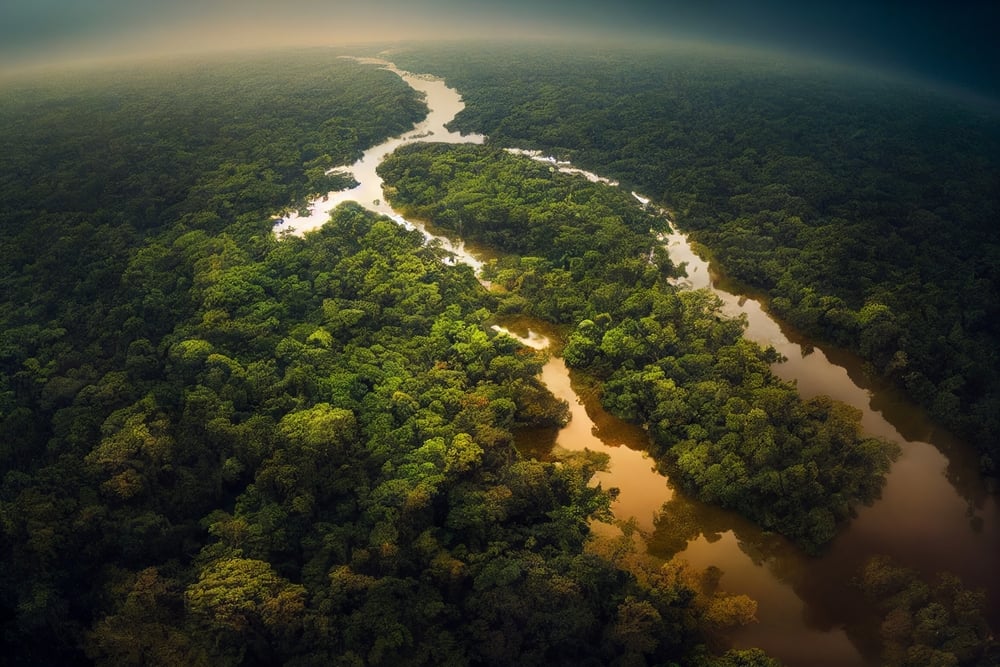
WWF-Malaysia describes Borneo as supporting an estimated 15,000 plant species or more, with around 6,000 endemic to the island. Those figures explain why its forests merit attention even before animals enter the picture. They do not establish that Borneo rivals or exceeds the Amazon in tree richness. The Borneo figure includes plants generally, whereas the widely quoted Amazon estimate concerns trees.
Treating the two as equivalent produces a tidy comparison with an untidy scientific basis. For a more specific place to research, Danum Valley Conservation Area in Sabah offers access to lowland dipterocarp forest through its visitor facilities. That is a particular forest experience within Borneo, rather than a sample of every habitat counted in an island-wide total.
The Congo Basin: A Major Plant Community with More Still Being Documented
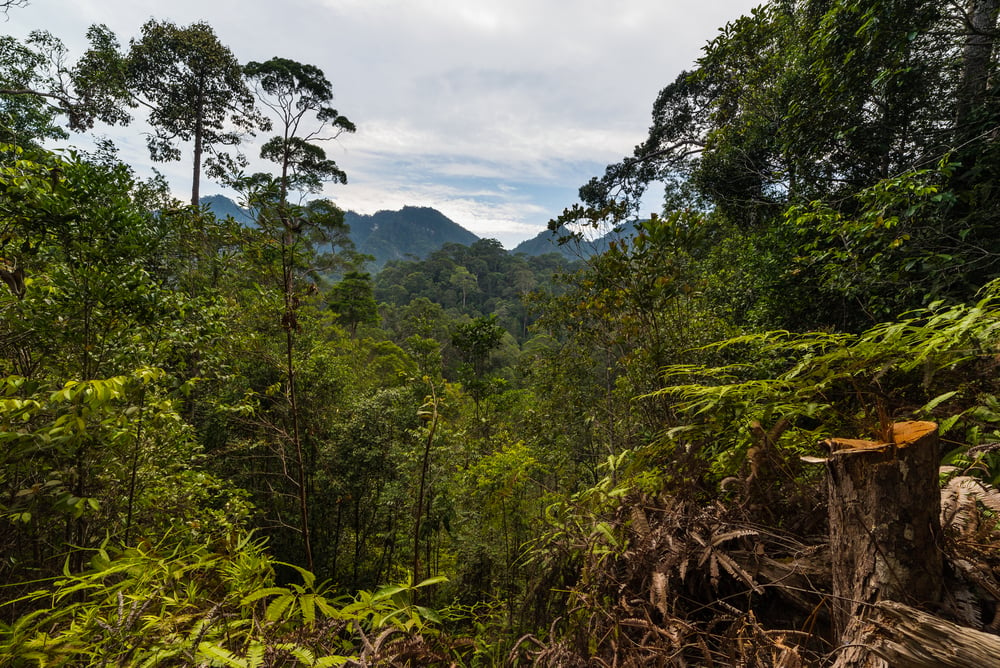
WWF’s 2024 Congo Basin report cites approximately 10,000 tropical plant species, around 30% unique to the region. Its discovery findings are striking too. The report documents 742 newly identified plant and animal species between 2013 and 2023, including plants, invertebrates, fish, amphibians, reptiles, birds and mammals. Keep those numbers separate.
The 10,000 figure concerns tropical plants; the 742 figure concerns discoveries across several groups over a defined period. Adding them together would not produce an updated rainforest species total.
For travel planning, begin with a particular country, protected area and specialist operator. A basin-wide biodiversity figure tells you little about access to an individual forest or the species recorded along its visitor routes.
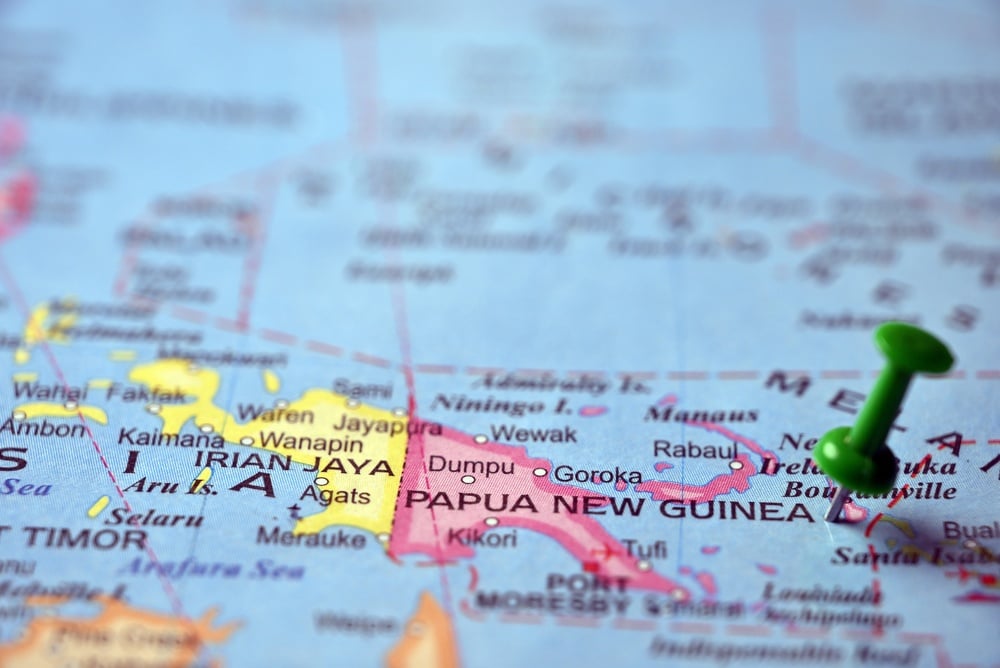
New Guinea: An Expert-Checked Case for Exceptional Island Plant Diversity
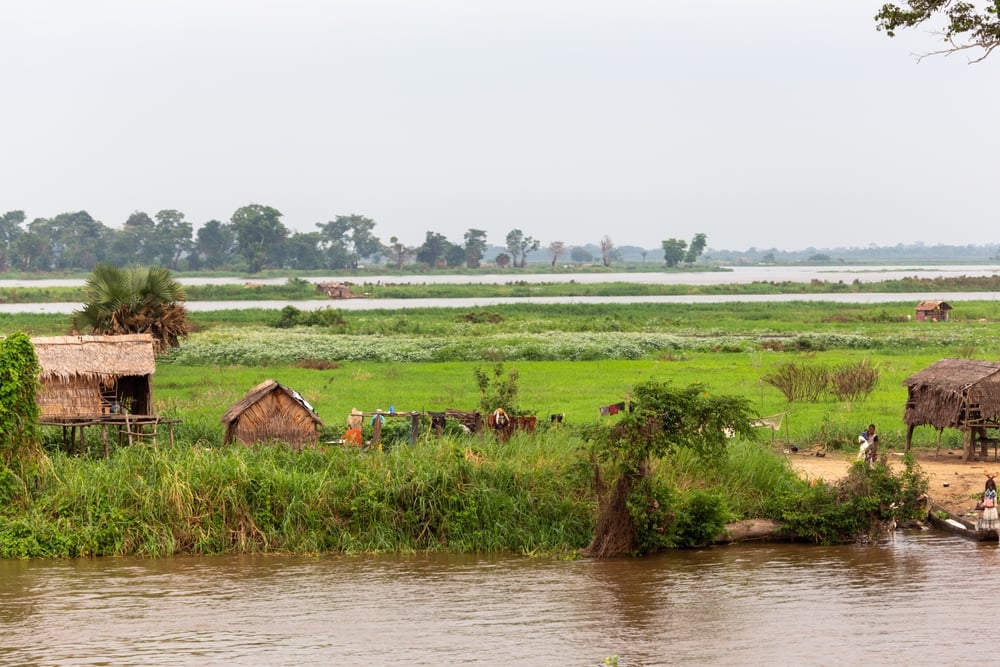
A 2020 study in Nature assembled an expert-verified checklist of 13,634 vascular plant species from mainland New Guinea and surrounding islands. It found that 68% were endemic and identified New Guinea as the world’s most floristically diverse island on that evidence. This is a more useful basis for comparison than an old tally of discoveries made during one decade. It states the organisms counted, the geographic scope and the proportion found nowhere else. It also demonstrates why checking names matters. The researchers reported that relying on online taxonomic resources alone would have inflated the species count by 22%. The geographic qualification remains important: this is not a census of rainforest plants alone. As Kew explains, New Guinea contains habitats ranging from mangroves and rainforest to montane forest and alpine grasslands. That range contributes to its exceptional flora.
The Tropical Andes: A Biodiversity Hotspot Across Many Habitats
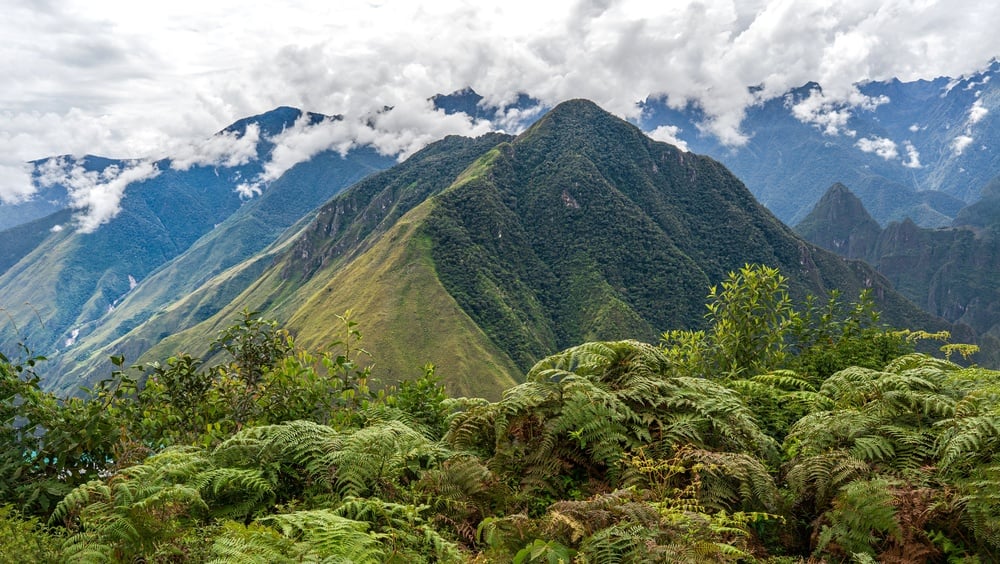
The Critical Ecosystem Partnership Fund’s 2021 profile update gives the Tropical Andes approximately 30,000 vascular plant species, including around 15,000 endemic species. Its 2023 summary also highlights the region’s extraordinary plant diversity. However, the Tropical Andes is a biodiversity hotspot, not one continuous rainforest. Its cloud forests sit within a much wider mix of mountain habitats.
Assigning the hotspot’s entire plant total to rainforest would overstate what that number tells us. The travel appeal is the change between habitats. In Peru, Manú National Park spans a large elevational gradient on the eastern side of the Andes, including mountain and lowland forests. It is a useful example of why the route and elevation you choose matter as much as the regional headline.
Madagascar’s Eastern Rainforests: An Exceptional Concentration of Endemic Life
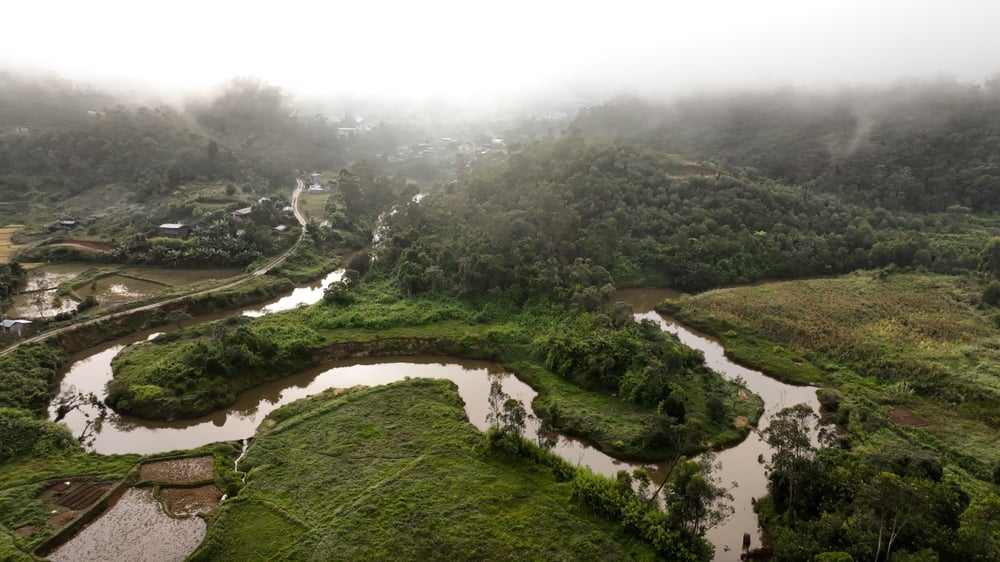
The Rainforests of the Atsinanana comprise six national parks along eastern Madagascar. UNESCO describes approximately 80–90% endemism across groups within its account of the property’s outstanding biodiversity. That makes endemism the most useful story here. It is not a directly comparable total to the Amazon’s estimated tree richness, and it does not establish a universal first place for every plant and animal group. For a particular park to research, Madagascar National Parks lists Ranomafana as a tropical rainforest destination with 14 lemur species. That is a park-specific inventory, not a promise that a visitor will see all 14. If your interest is wildlife associated with Madagascar, build the itinerary around the species and habitats you most want to learn about. An island-wide reputation is a starting point; the individual park is where the planning becomes useful.
How to Choose a Rainforest Trip from These Figures
Our travel recommendation: Use biodiversity research to choose your interests, then use local information to choose the trip. A forest’s total species richness does not provide a wildlife sighting forecast.
- For plants and forest structure: Ask about botanical guides, the habitats covered and whether the visit includes lowland or mountain forest.
- For a particular animal: Check that it occurs in the protected area you will actually visit, rather than elsewhere in the same country or basin.
- For endemic species: Ask what “endemic” means in the source: restricted to an island, a broader region or a smaller locality.
- For a varied itinerary: Compare routes that cover different habitats, rather than assuming several nights in one lodge represent the whole region.
- Before booking: Confirm current access, guide requirements, transfers and seasonal conditions with the relevant park or operator.
Local knowledge is part of the story too. A 2026 Nature study documented human uses of 5,796 native Amazonian plant species. Our recommendation is to look for visits that pay local and Indigenous guides fairly and explain the forest through their knowledge as well as its scientific species lists.
What to Pack for a Rainforest Visit
Pack for the particular forest and elevation. A humid lowland visit and a higher-elevation cloud-forest walk can call for different clothing, so check your itinerary before filling the bag. Our guide to the most humid countries in the world explains the difference between humidity figures and how conditions feel. A lightweight waterproof jacket is useful for showers and wet trails. Look for a packable design with ventilation, and add a warm layer if your route includes cooler mountain conditions.

We earn a commission if you buy through this link, at no extra cost to you.
Compact waterproof binoculars are worth considering for canopy birds and animals that are difficult to examine from the trail. Keep optics, a phone and spare clothing protected from rain, and ask your guide whether the route calls for walking shoes or boots.

We earn a commission if you buy through this link, at no extra cost to you.
Frequently Asked Questions
Which Rainforest Is the Most Biodiverse Overall?
The Amazon is a major reference point for rainforest biodiversity, but these figures cannot establish a single overall winner. Tree richness, total plant richness and endemism measure different things, and the regions being compared have different boundaries.
Does the Amazon Have 16,000 Confirmed Tree Species?
No. The widely quoted 16,000 figure is a model-based estimate from 2013. A separate revised checklist published in 2019 included 10,071 recorded tree species under its criteria. Quote each figure with its date and method.
Does Borneo Have More Plant Species Than New Guinea?
Borneo’s conservation estimate and New Guinea’s expert-verified checklist use different methods. Comparing two headline totals alone cannot establish which island has the larger flora.
Are New Rainforest Species Still Being Found?
Yes. WWF’s 2024 report documented 742 newly identified plant and animal species in the Congo Basin between 2013 and 2023. Such discoveries show that inventories remain incomplete, but the rate also depends on where and how scientists work.
Does Higher Biodiversity Mean You Will See More Wildlife?
A regional species total is not a prediction of sightings on a visit. Our advice is to choose a specific park, habitat and guide around your interests, then allow time to observe what is there rather than treating a species list as a checklist to complete.