
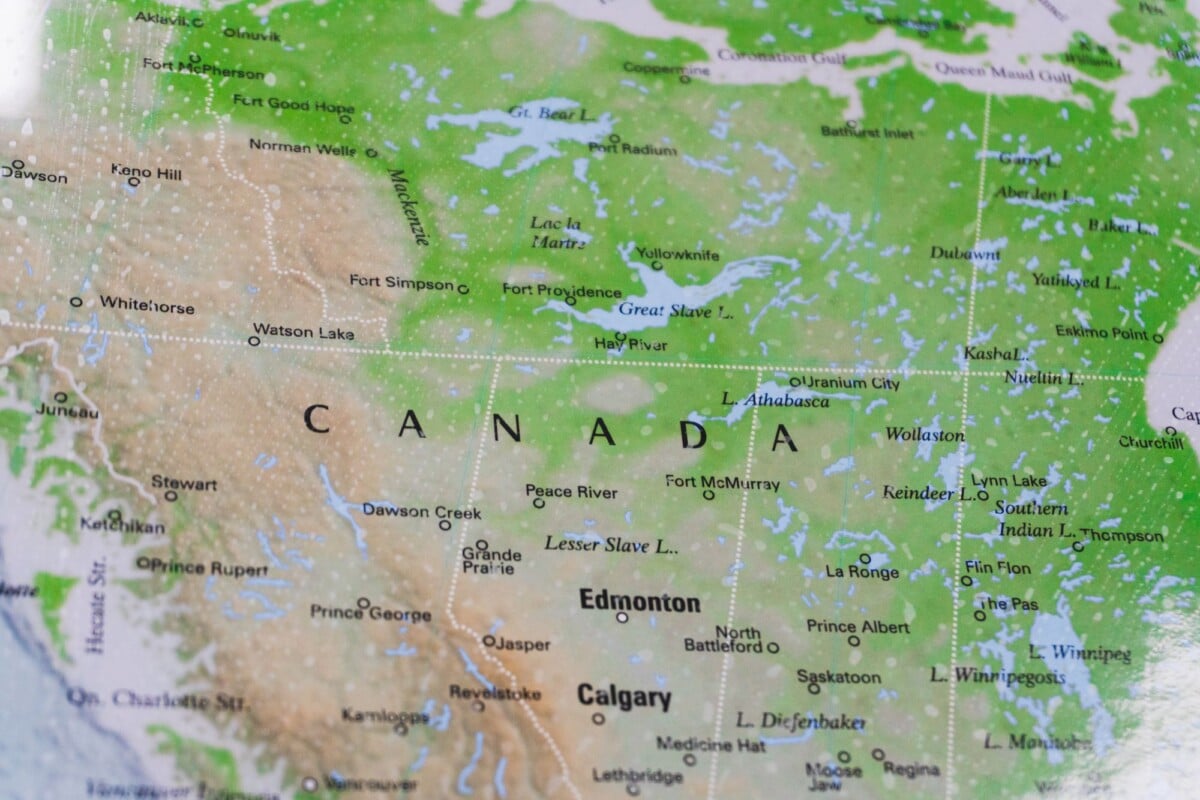
A Guide to Canada’s 13 Provinces and Territories explains how Canada is divided, where each region sits and what it means for planning a practical trip. Canada has 10 provinces and three territories across six time zones, so most holidays work better when you focus on one region or allow proper travel time between stops.
The provinces are mainly in the south, where most Canadians live and the major cities are. The territories cover Canada’s vast north, with longer distances, fewer services and trips that need more advance booking. A cross-country drive sounds grand, and it can be, but Canada is enormous. Treating it like a long-weekend drive is a dependable way to spend a lot of time at fuel stations.
Canada’s Provinces and Territories at a Glance
| Region | Capital | Best Known For | Useful First Base |
|---|---|---|---|
| Alberta | Edmonton | Rockies, Banff and Jasper | Calgary |
| British Columbia | Victoria | Pacific coast, mountains and cities | Vancouver |
| Manitoba | Winnipeg | Prairies, lakes and polar bears | Winnipeg |
| New Brunswick | Fredericton | Bay of Fundy and Acadian culture | Moncton |
| Newfoundland and Labrador | St. John’s | Coastal roads, icebergs and wildlife | St. John’s |
| Nova Scotia | Halifax | Atlantic coast and the Cabot Trail | Halifax |
| Ontario | Toronto | Toronto, Ottawa and Niagara Falls | Toronto or Ottawa |
| Prince Edward Island | Charlottetown | Beaches, seafood and red-sand roads | Charlottetown |
| Quebec | Québec City | French-speaking culture and historic cities | Montréal or Québec City |
| Saskatchewan | Regina | Prairie skies, parks and lake country | Saskatoon |
| Northwest Territories | Yellowknife | Aurora viewing and northern wilderness | Yellowknife |
| Nunavut | Iqaluit | Arctic culture, wildlife and remote landscapes | Iqaluit |
| Yukon | Whitehorse | Klondike history, roads and wilderness | Whitehorse |
Canada’s provinces and territories have different constitutional roles. Provinces have powers set out in Canada’s Constitution, while the territories exercise powers delegated by the federal government.
Western Canada: British Columbia, Alberta, Saskatchewan and Manitoba
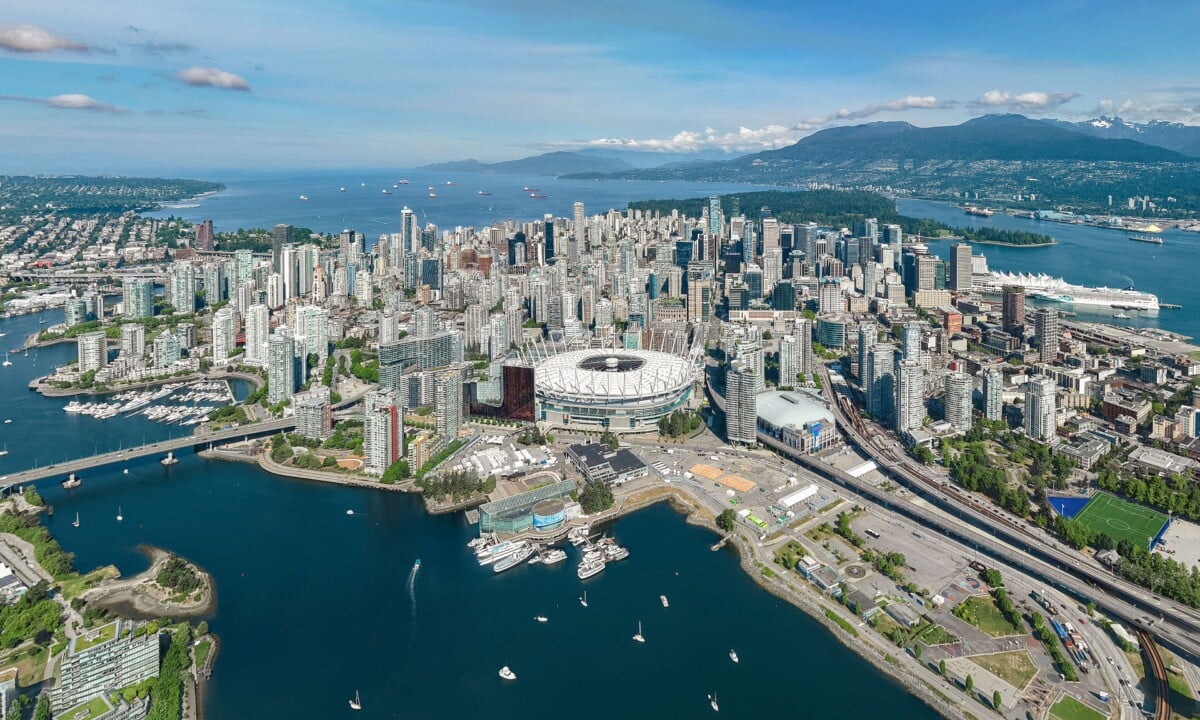
Western Canada is a sensible choice for a first bigger trip, combining major airports, road-trip routes, national parks and cities with good transport links. The catch is distance: Calgary to Vancouver is roughly 970 kilometres by road, so build in overnight stops if you are driving.
British Columbia: Coast, Cities and Mountain Roads
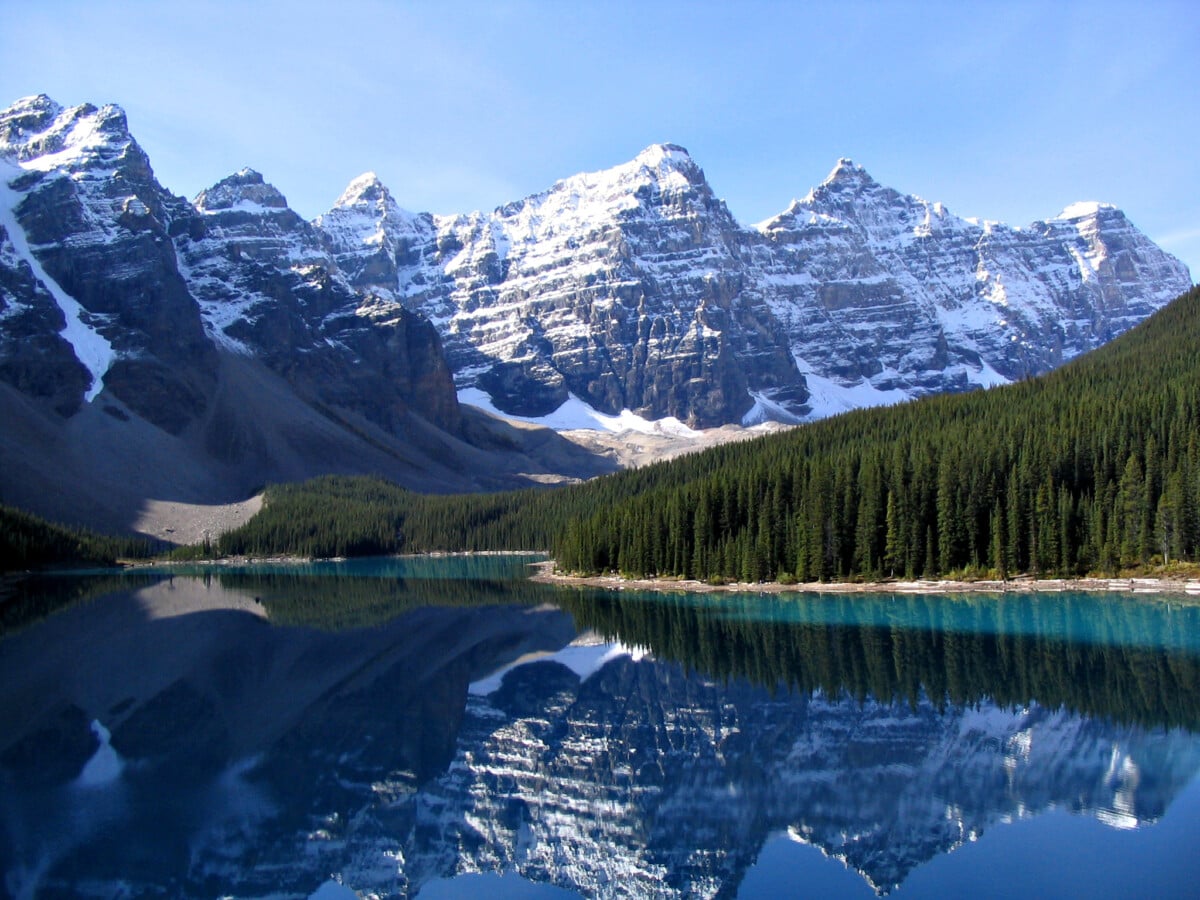
British Columbia sits on Canada’s Pacific coast and works well if you want an urban base with outdoor time nearby. Vancouver has international flights, public transport and ferry links, while Vancouver Island adds Victoria, coastal walks and whale-watching departures. Vancouver was 59F with broken clouds and 80% humidity (as of October 2026), which is a useful reminder to pack a waterproof layer even when the forecast looks harmless.
Driving is useful beyond Greater Vancouver, especially for the Sea-to-Sky corridor, the Okanagan Valley and the Rockies. Ferries to Vancouver Island and the Gulf Islands can be busy in summer, so book vehicle space early through BC Ferries. Vancouver also has a busy gig calendar, with the STING 3.0 Tour at the Queen Elizabeth Theatre and Cradle of Filth with Moonspell at the Vogue Theatre on 5 and 6 October 2026. Check accommodation availability if your dates overlap with major shows.
Alberta: The Canadian Rockies and Big-City Bases
Alberta is where many travellers start a Rockies holiday. Calgary is the usual gateway for Banff National Park, while Edmonton is better placed for Elk Island National Park and northern routes. Banff and Jasper are busy in summer, and accommodation can become the awkward part of the itinerary if you leave it late.
Parks Canada manages the national parks and publishes current information on entry passes, road closures and reservations. Check official park alerts and trip-planning pages before setting out. Canada’s park admission rules and available discounts can also affect your road-trip budget, so check the Canada Strong Pass and national park discounts before booking. For the practical detail on current savings, see our guide to the Canada Strong Pass and national park discounts.

Rand McNally
We earn a commission if you buy through this link, at no extra cost to you.
Saskatchewan: Prairie Cities and Wide-Open Parks
Saskatchewan suits travellers after quieter roads, prairie scenery and less crowded national parks. Saskatoon is known for its riverfront setting and food scene, while Regina is the provincial capital and home to the RCMP Heritage Centre.
Grasslands National Park in the south and Prince Albert National Park farther north show two very different sides of the province. A car is close to essential once you leave Saskatoon or Regina, and fuel stops can be far apart on rural routes.
Manitoba: Winnipeg, Lakes and Northern Wildlife
Manitoba’s main arrival point is Winnipeg, a city with museums, markets and a compact centre that suits a short stay. The province also has vast lake country and Churchill on Hudson Bay, known for polar bear and beluga whale viewing at particular times of year.
Churchill is not connected to Canada’s road network. You reach it by air or rail, and specialist wildlife trips need careful booking. Treat polar bear viewing as a guided activity with a reputable operator, not a DIY wildlife encounter.
Central Canada: Ontario and Quebec
Ontario and Quebec contain Canada’s largest metropolitan areas and some of its easiest city-to-city transport links. They are particularly good for first trips without a car, although rural regions, national parks and smaller towns are much easier to reach with one. Central conditions were 82F with scattered clouds and 73% humidity (as of October 2026), so check the local forecast close to departure rather than assuming autumn will be chilly.
Ontario: Major Cities, Lakes and Waterfalls
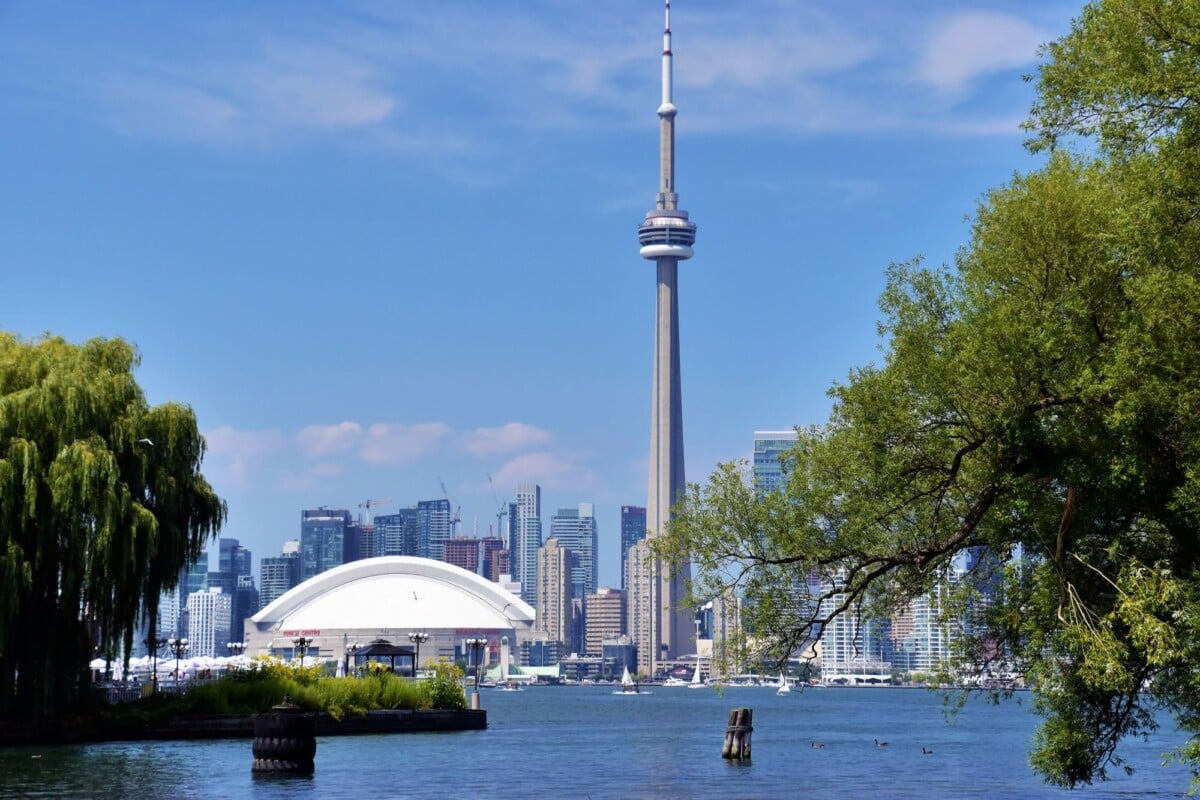
Ontario is Canada’s most populous province and includes Toronto, the country’s largest city, as well as Ottawa, Canada’s federal capital. Toronto works for museums, neighbourhoods, sports and day trips, while Ottawa has national museums and a more compact centre.
Niagara Falls is a popular stop south of Toronto, and Ontario Parks provides camping, hiking and canoeing across the province. Train and coach services cover the Toronto, Ottawa, Montréal and Niagara corridor, though a car opens up cottage country and northern Ontario.
Quebec: French Language, Historic Cities and Four Seasons
Quebec is Canada’s largest province by area and has French as its sole official language. Montréal offers a bilingual city break with neighbourhood food markets, museums and festivals, while Québec City is known for its fortified old town and St. Lawrence River setting.
French is useful in daily interactions across Quebec, especially outside the bigger cities, though many tourism businesses can assist in English. Winter brings snow and cold conditions across much of the province, so pack footwear with grip and allow extra time for driving.
Restaurant spending and cost patterns vary widely across the country. Statistics Canada restaurant spending by province gives useful context if food costs are part of your planning.
Atlantic Canada: New Brunswick, Nova Scotia, Prince Edward Island and Newfoundland and Labrador
Atlantic Canada suits a slower coastal road trip. Distances between the four provinces are more manageable than in the west, but ferry timetables, weather and short summer seasons still shape a realistic route.
New Brunswick: Fundy Tides and Acadian Heritage
New Brunswick is Canada’s only officially bilingual province, with English and French communities throughout the region. The Bay of Fundy is its headline natural feature, known for dramatic tidal changes, while Fundy National Park and the Hopewell Rocks are popular coastal stops.
Moncton is a useful base for the Bay of Fundy, and Fredericton has a smaller capital-city feel along the Saint John River. Check tide tables before visiting coastal sites where access changes with the water level.
Nova Scotia: Halifax and the Cabot Trail
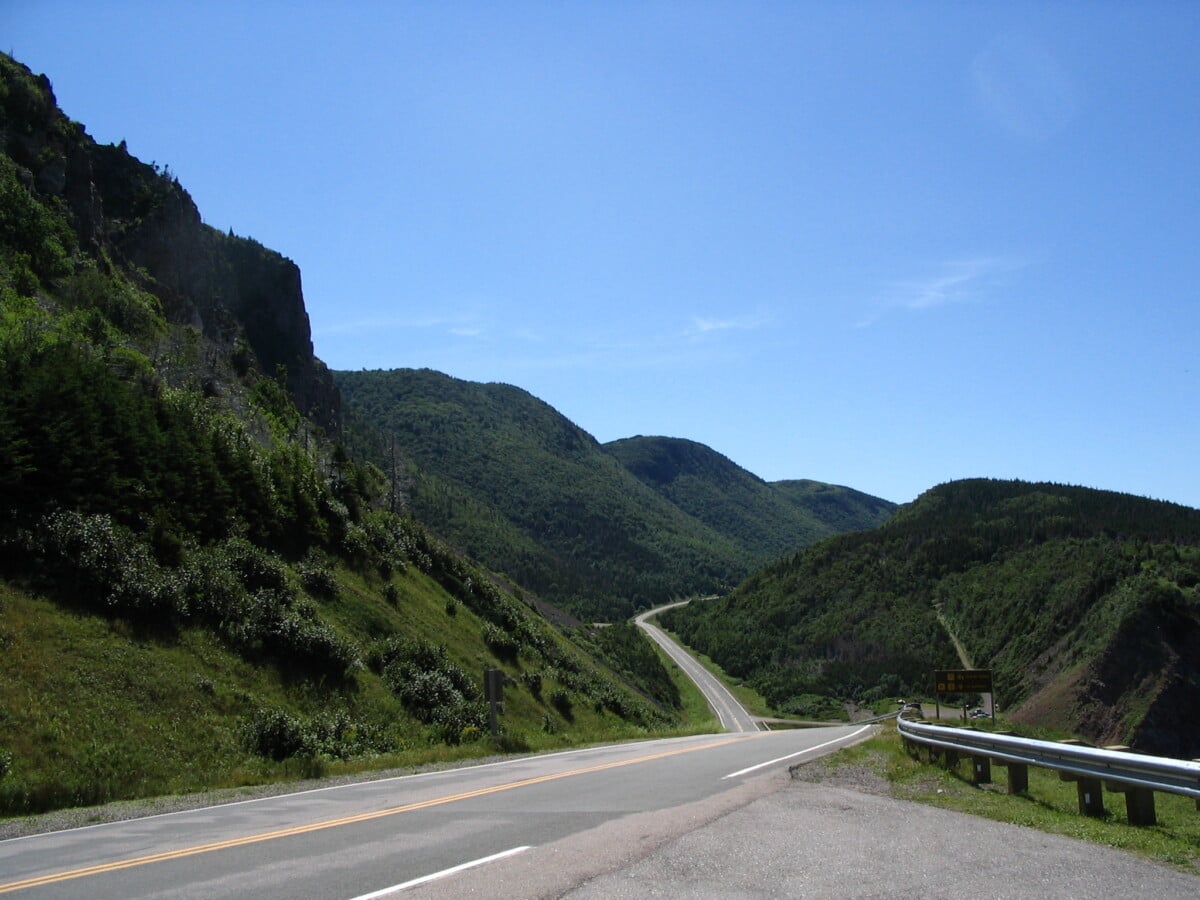
Nova Scotia is a straightforward Atlantic introduction, with Halifax as its main airport and transport hub. The province has lighthouses, fishing villages, beaches and the Cabot Trail on Cape Breton Island, a scenic driving loop with changeable weather and steep sections.
Allow at least several days for Halifax and Cape Breton if you want time for walks, coastal stops and relaxed meals. Driving is the easiest way to see the province beyond Halifax.
Prince Edward Island: Beaches, Food and Gentle Driving
Prince Edward Island is Canada’s smallest province and an easy addition to an Atlantic itinerary. It is linked to New Brunswick by the Confederation Bridge, while seasonal ferries provide another route. Charlottetown is the main base for restaurants, history and services.
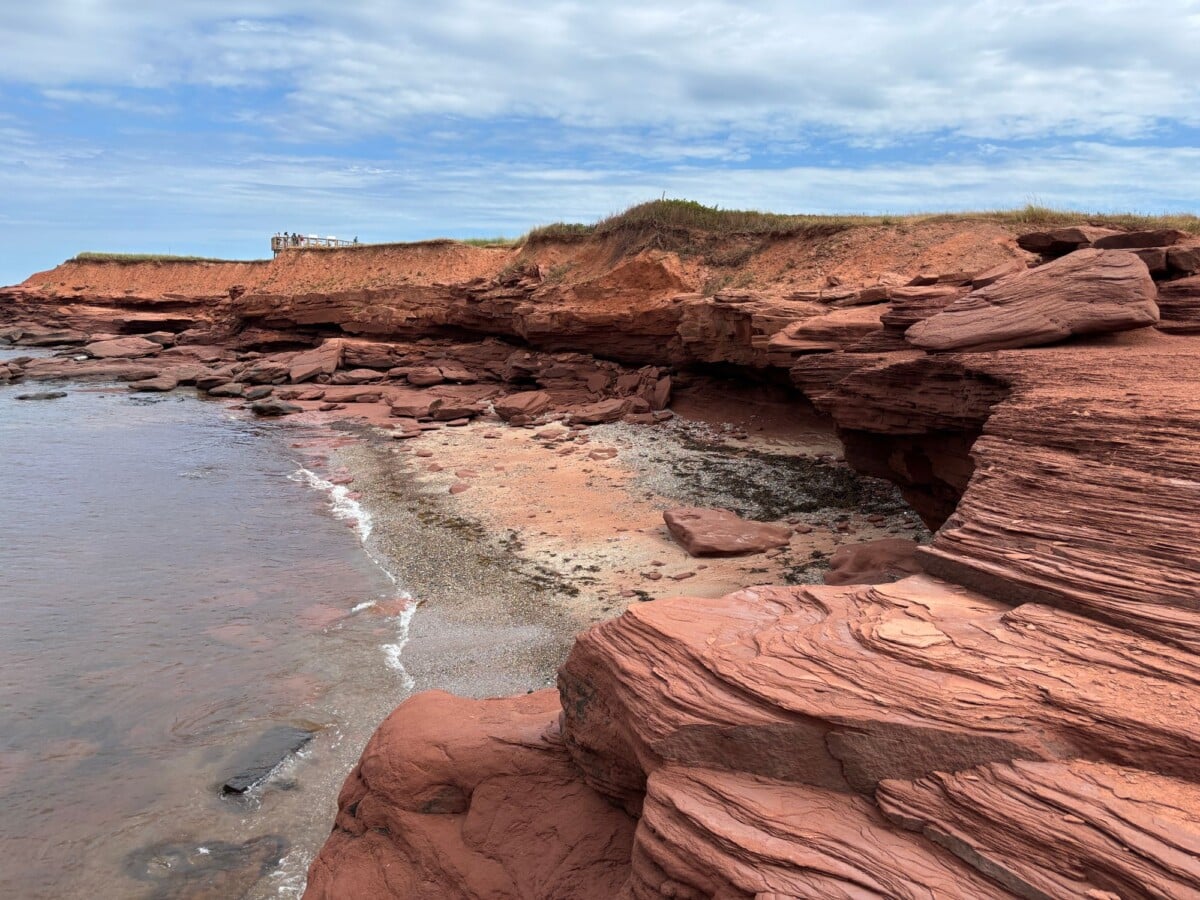
The island is known for red cliffs, sandy beaches and seafood, particularly lobster and mussels. Summer is the busiest period, while late spring and early autumn can mean quieter roads and cooler beach weather.
Newfoundland and Labrador: Two Regions, Serious Distances
Newfoundland and Labrador consists of the island of Newfoundland and the mainland Labrador region. St. John’s, on Newfoundland’s Avalon Peninsula, is the main gateway for many holidays, with colourful streets, coastal walks and boat trips.
Driving around Newfoundland takes longer than the map suggests because of road conditions, wildlife and long gaps between communities. Moose are a particular road hazard, especially at dawn and dusk. Labrador needs more planning, and some routes have limited services or unpaved sections.
Canada’s Northern Territories: Yukon, Northwest Territories and Nunavut
Canada’s territories reward careful planning. Flights can be expensive, weather can disrupt schedules and accommodation is limited in smaller communities. Book transport first, then rooms, tours and any rental vehicle.
Yukon: Whitehorse, Gold-Rush History and Road Trips
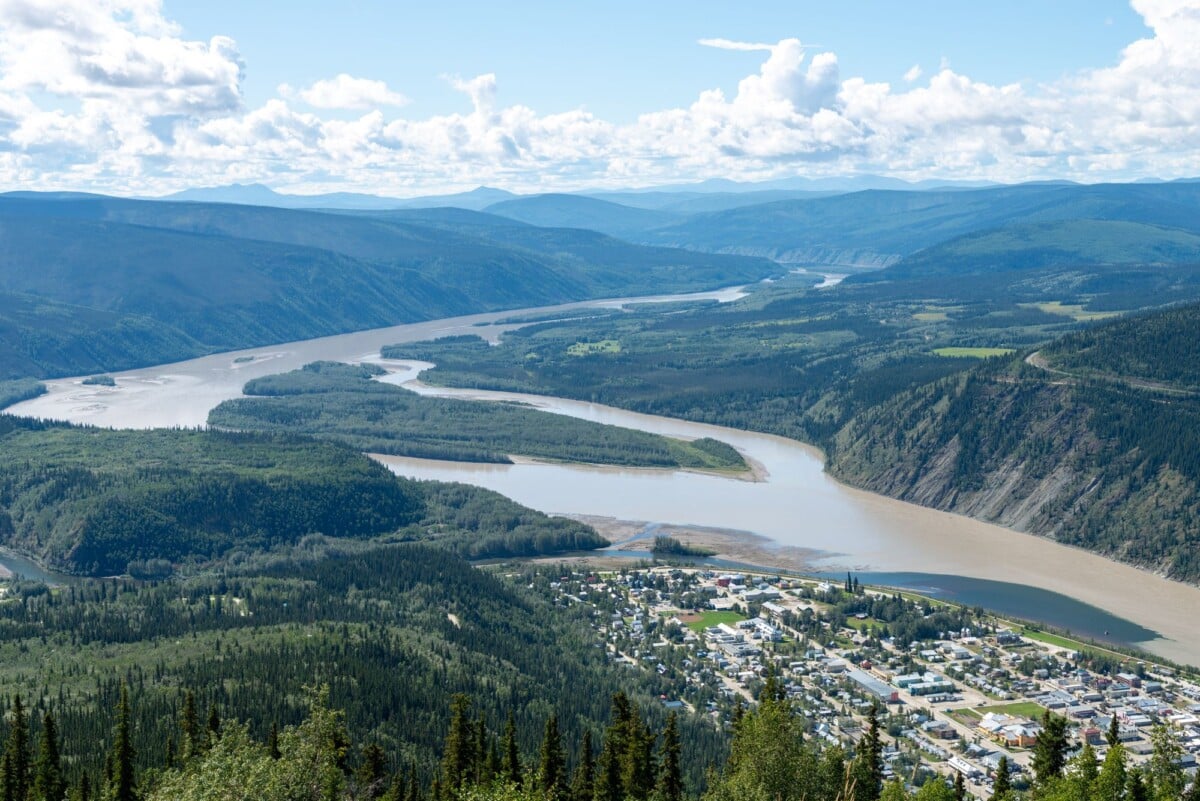
Yukon is the most accessible territory for an independent road trip. Whitehorse has an airport, rental cars and supplies, while Dawson City connects visitors with Klondike Gold Rush history. The Alaska Highway and Dempster Highway are major routes, though conditions and services change by season.
Winter visitors come for northern lights, dog sledding and snow activities. Summer brings long daylight hours, hiking and road access, but also mosquitoes in many areas. Pack layers in every season. Northern weather has little interest in your carefully chosen outfit.
Northwest Territories: Aurora Viewing and Remote Communities
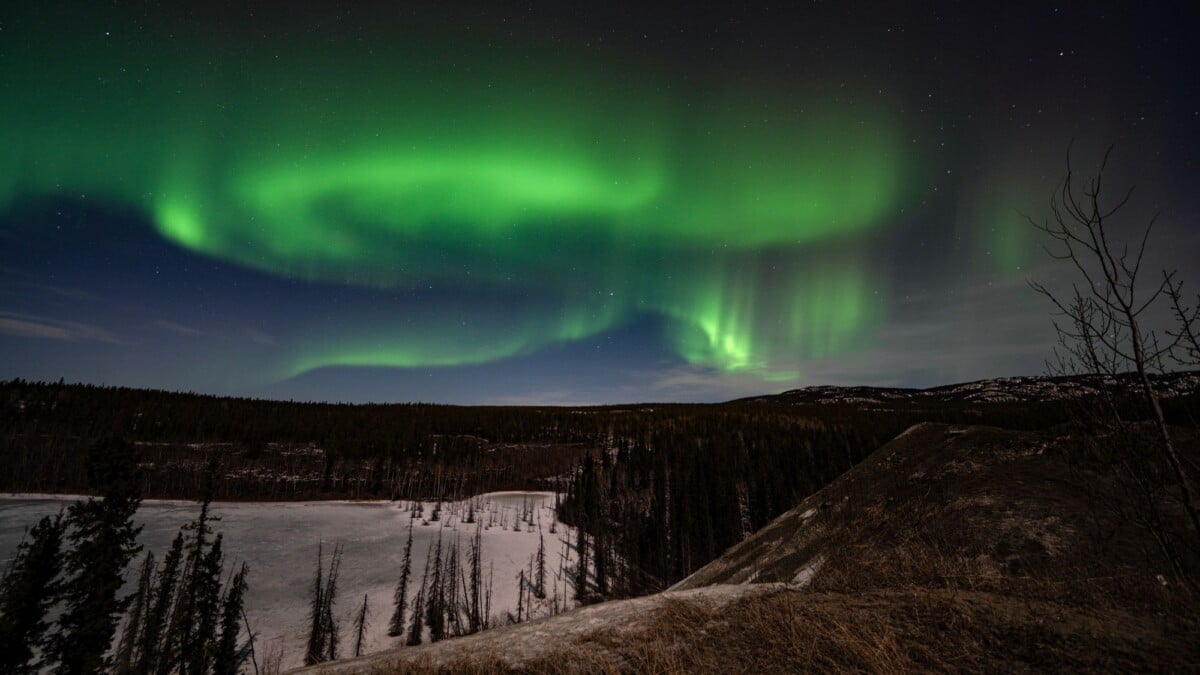
The Northwest Territories are best known to many holidaymakers for aurora viewing around Yellowknife. The city is a practical base because it has accommodation, tours, restaurants and scheduled air links, while the wider territory offers lakes, rivers and remote Indigenous communities.
Winter is popular for northern lights because long dark nights improve viewing opportunities, though clear skies are still essential. Summer brings hiking, fishing and the midnight-sun feel of northern daylight. Choose tours that clearly state what transport, clothing and weather cancellations involve.
Nunavut: Arctic Travel With Careful Preparation
Nunavut is Canada’s newest territory, created in 1999, and covers a huge Arctic area that includes Baffin Island and much of the Canadian Arctic Archipelago. Iqaluit is its capital and the usual entry point, reached by air.
Most Nunavut communities are not connected by roads, so travel between them relies on flights, boats or seasonal routes. It is an extraordinary place for Inuit culture, Arctic wildlife and remote landscapes, but it is not a low-cost or spontaneous destination. Work with experienced local operators and respect local guidance on wildlife, weather and land access.
How To Choose a Canadian Province or Territory for Your Trip
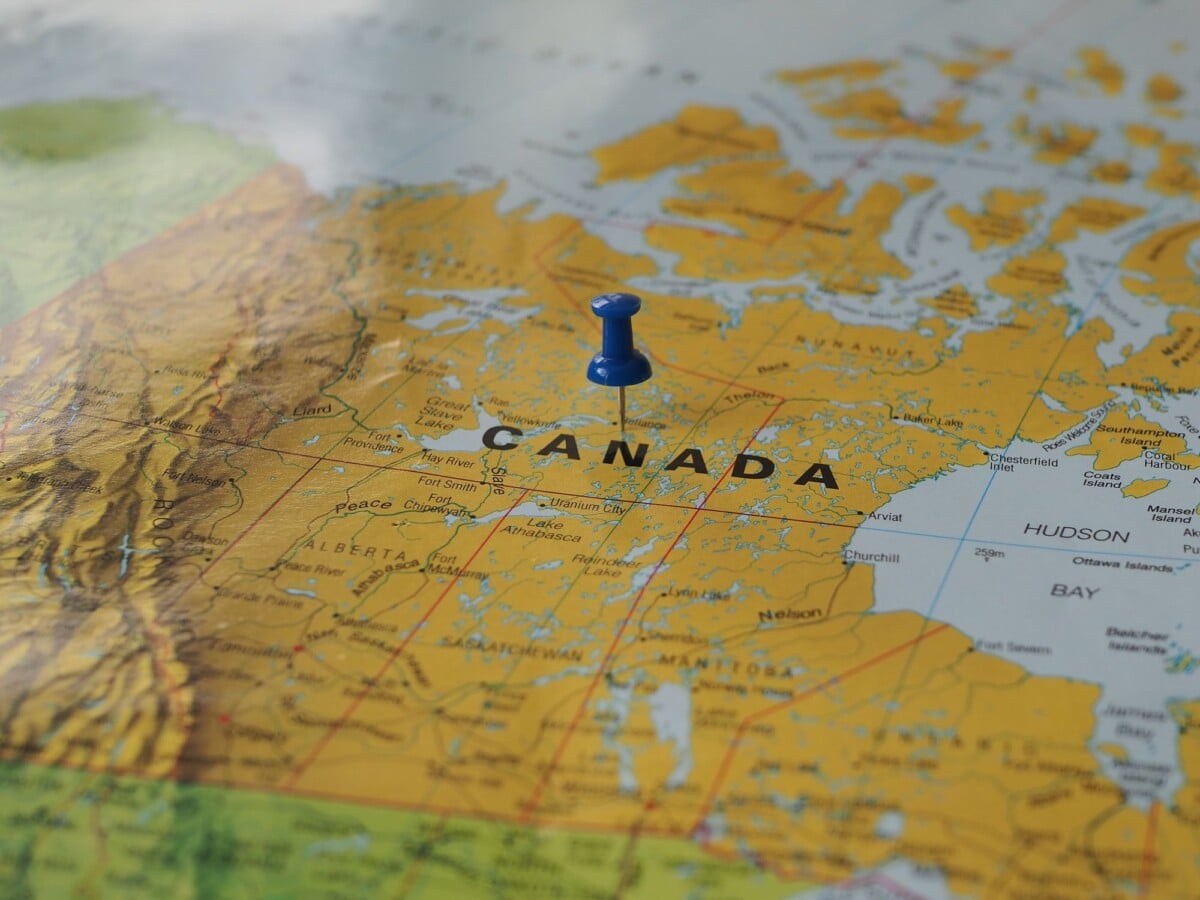
Start with your available time, the season and how much driving you are happy to do. A week is enough for one city-focused region or a short road trip. Two or three weeks can support a larger province pair, such as Alberta and British Columbia or Nova Scotia and Prince Edward Island.
- For first-time cities: choose Toronto, Montréal, Vancouver, Québec City or Halifax.
- For a Rockies road trip: fly into Calgary and focus on Alberta, with British Columbia added only if you have extra days.
- For coastal driving: consider Nova Scotia, Prince Edward Island and New Brunswick.
- For French-speaking culture: spend time in Montréal and Québec City, then add smaller Quebec towns if you have a car.
- For northern lights: look at Whitehorse or Yellowknife and book a winter trip with flexible weather expectations.
- For a remote Arctic holiday: plan Nunavut or Labrador through specialist local providers and allow a higher budget.
 Prime
Prime
We earn a commission if you buy through this link, at no extra cost to you.
Practical Tips for Visiting Canada’s Provinces and Territories
Canada uses the Canadian dollar, and card payments are common in cities and towns. Keep flexibility in your budget for fuel, accommodation and domestic flights, which can be substantial in remote regions and during peak summer travel. For a long flight over, our practical guide to the dirtiest and cleanest parts of an aeroplane is worth a quick read before you pack.
- Book summer stays early: July and August are busy in national park areas, on the Atlantic coast and in popular city centres.
- Check driving rules by province: speed limits, winter tyre expectations and road conditions can differ. Provincial transport websites provide the latest advice.
- Build in weather time: wildfire smoke, snow, ferries, wind and road closures can alter a plan at short notice.
- Carry layers: temperatures can shift quickly, especially in the mountains, along the coast and in the north.
- Respect wildlife distance: never feed animals, and follow park guidance around bears, moose and marine wildlife.
- Consider rail carefully: Canada’s rail journeys can be scenic, though they are usually slower and less frequent than European rail travel.
Frequently Asked Questions About Canada’s Provinces and Territories
How Many Provinces and Territories Does Canada Have?
Canada has 13 provinces and territories: 10 provinces and three territories. The territories are Yukon, the Northwest Territories and Nunavut.
What Is the Difference Between a Province and a Territory in Canada?
Provinces receive their powers directly through the Constitution Act, while territorial powers are delegated by Canada’s federal government. For trip planning, the more noticeable difference is geography: territories are larger, more remote and have fewer transport links.
What Is the Best Province To Visit in Canada for First-Timers?
Ontario, British Columbia, Alberta and Quebec are the easiest starting points because they have major airports, well-developed visitor infrastructure and a wide choice of city and outdoor experiences. Alberta works well for Rockies scenery, while Ontario and Quebec suit city breaks.
Can You Drive Across All of Canada?
You can drive across much of southern Canada on the Trans-Canada Highway, but it is a major journey that takes several weeks if you want to stop properly. You cannot drive to every community in the territories or reach all of Nunavut by road.
When Is the Best Time To Visit Canada?
June through September is generally best for road trips, hiking and city breaks, with warmer weather and broad access to attractions. Winter is better for skiing, snow sports and aurora trips, though conditions can be severe and daylight hours are short in northern Canada.