
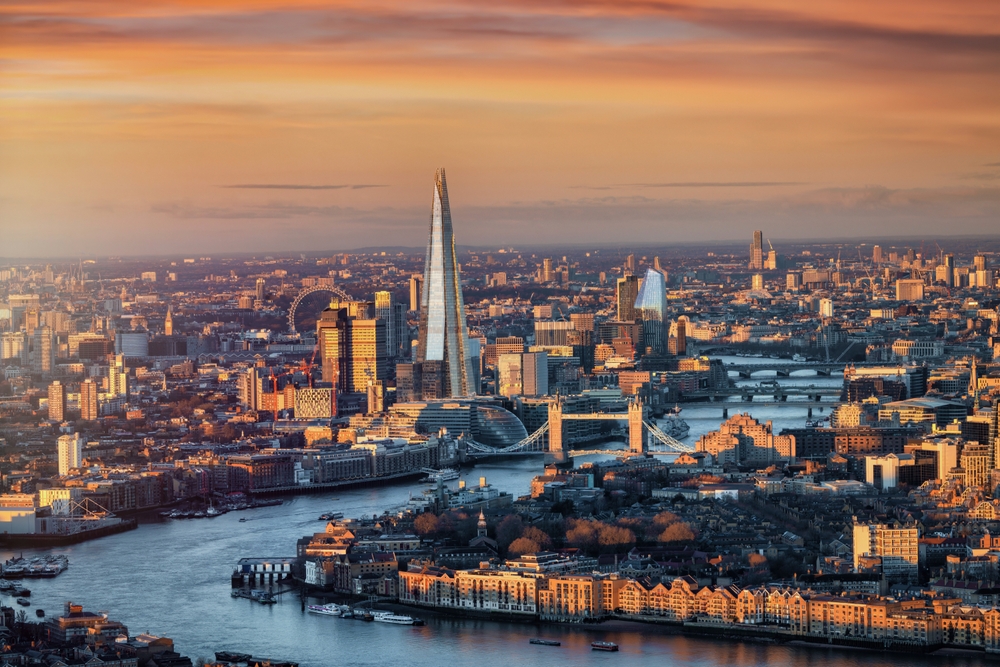
For a first visit, four to five full days in London is a useful starting point. That gives you time for several major sights, a museum, a few neighbourhood walks and an evening out without making every meal a sandwich eaten in a queue.
Two or three days can still make a rewarding city break, especially if you choose a few priorities. A week gives you more breathing room and space for a day trip. The right length depends on what you want to see, your budget and how much walking feels enjoyable.
Count Full Days, Not Just Hotel Nights
Before booking, count your full sightseeing days. Arriving on Monday afternoon and leaving on Friday morning gives you four hotel nights but only three complete days to explore. Airport transfers, dropping off luggage and finding your accommodation all take time.
Keep arrival day flexible, particularly after an overnight flight. A walk near your hotel and an easy dinner may be a better start than a timed ticket you are racing to use.
How Many Days in London Will Suit Your Trip?
Use this table as a planning guide. It assumes full days in the city and time to stop for meals, rather than sightseeing from breakfast until bedtime.

| Time in London | What You Can Plan For | Main Trade-Off |
|---|---|---|
| 2 days | Landmark walks and one or two major attractions. | You will need a short wish list and tightly grouped routes. |
| 3 days | The main landmark areas, a museum and an evening activity. | A day trip would leave limited time for London itself. |
| 4 days | A varied first visit with historic sights, a museum and neighbourhood time. | You will still need to choose between attractions. |
| 5–7 days | A slower city itinerary, extra interests and an optional day trip. | More accommodation and daily spending to budget for. |
| 10–14 days | Repeat visits, less central areas, rest days and selected excursions. | You need enough interest in London to justify a longer base. |
Two or Three Days: Choose Your Priorities
A short trip works well when you group sights by location. You could spend one day around Westminster and St James’s, then another around the Tower of London and Tower Bridge. With a third day, add a museum or a neighbourhood you particularly want to explore.
Decide which landmarks you want to enter and which you are happy to see from outside. Walking past Buckingham Palace is a different commitment from a booked interior visit. Likewise, the Tower of London deserves a substantial part of the day, rather than a quick stop between photographs.
A useful starting rule is one major indoor or ticketed attraction per half-day. Leave gaps for security checks, transport, lunch and the shop you had no intention of spending forty minutes in.
Four Days: A Practical First-Time London Itinerary
Four full days let you vary the pace. This outline groups nearby places together and leaves choices within each day, so it can suit different interests and energy levels.
| Day | Main Area | Suggested Plan |
|---|---|---|
| Day 1 | Westminster and St James’s | See Big Ben and Parliament from outside, visit Westminster Abbey if it interests you, then walk through St James’s Park towards Buckingham Palace. |
| Day 2 | The Tower and nearby riverside | Allow around three hours or more for the Tower of London, then explore Tower Bridge and the riverside. Add Borough Market if it is open and you have time. |
| Day 3 | Bloomsbury or South Kensington | Choose the British Museum and nearby streets, or the Natural History Museum and its surrounding area. Keep the evening flexible for dinner or a show. |
| Day 4 | Greenwich or a neighbourhood of your choice | Spend time by the river and in Greenwich Park, explore another area, or return to something you did not finish earlier. |
Our Tower of London guide can help you decide what to prioritise there. Its exhibitions and queues can take longer than expected, so avoid booking your next activity immediately afterwards.
If you want more context at a museum or historic site, Context Travel’s London tours include guided museum visits and history walks. Compare the route, duration, meeting point and ticket inclusions before booking, then leave time to explore nearby independently.
Move these days around to match opening hours. Westminster Abbey is open for services rather than sightseeing on Sundays, while Borough Market is normally closed on Mondays. Check the Abbey’s visiting information and Borough Market’s opening hours for your dates.
Five to Seven Days: Add Flexibility or a Day Trip
A longer stay gives you room for a second museum, an unhurried market visit or a late night without an early start the next morning. You can also adjust plans around the weather instead of treating a rainy afternoon as a lost opportunity.
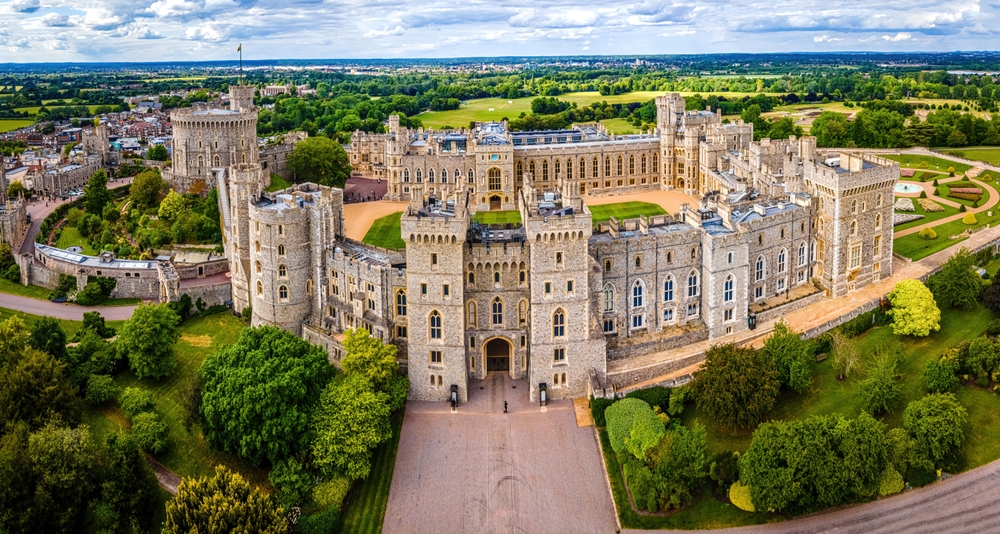
If you want to visit Windsor, Bath, Oxford or Cambridge, set aside a separate day and check the journey in both directions. Railway stations, local transfers and attraction opening times all matter, alongside the train ride itself.
Remember that a day trip replaces a London day. For a week-long first visit, keeping four or five days for the city and choosing one excursion is a sensible starting point. You can always use any remaining time for something closer to your hotel.
Ten Days or More: Make Room for Your Own Interests
A longer visit suits travellers who enjoy returning to places, building afternoons around food or exploring beyond the main sightseeing areas. You might spend time in Walthamstow, Peckham or Hackney Wick, depending on the galleries, walks and restaurants that appeal to you.
There is no need to fill every day. Laundry, a quiet morning and a second visit to a favourite museum belong in a longer itinerary too. If your wish list reaches far beyond London, consider splitting your accommodation between destinations rather than making repeated long journeys back to the same hotel.
Check These Details Before Choosing Your Dates
- Check actual journeys from your accommodation. A convenient station is useful, but changes, walking distances and accessibility needs affect how easily you can get around. Use TfL’s journey planner and check service updates before travelling.
- Look up museum booking requirements. General admission to the British Museum and Natural History Museum is free, but advance booking is recommended and some exhibitions cost extra.
- Budget for the whole stay. Extra nights bring accommodation, food and transport costs, even if much of your sightseeing is free. Our guide to visiting London on a budget offers ways to manage those costs.
- Protect your departure buffer. Check the journey to your actual airport or railway station before booking a final attraction.
Build the Trip Around What You Want to See
Write down your five main priorities, plot them on a map and check their opening days before choosing your trip length. Our guide to planning a trip itinerary explains how to turn that wish list into a workable route.
If your dates are already fixed, shorten the list. Two enjoyable days are a worthwhile visit, and four or five can make a varied first trip. Leave enough space to enjoy the London you came to see.
