
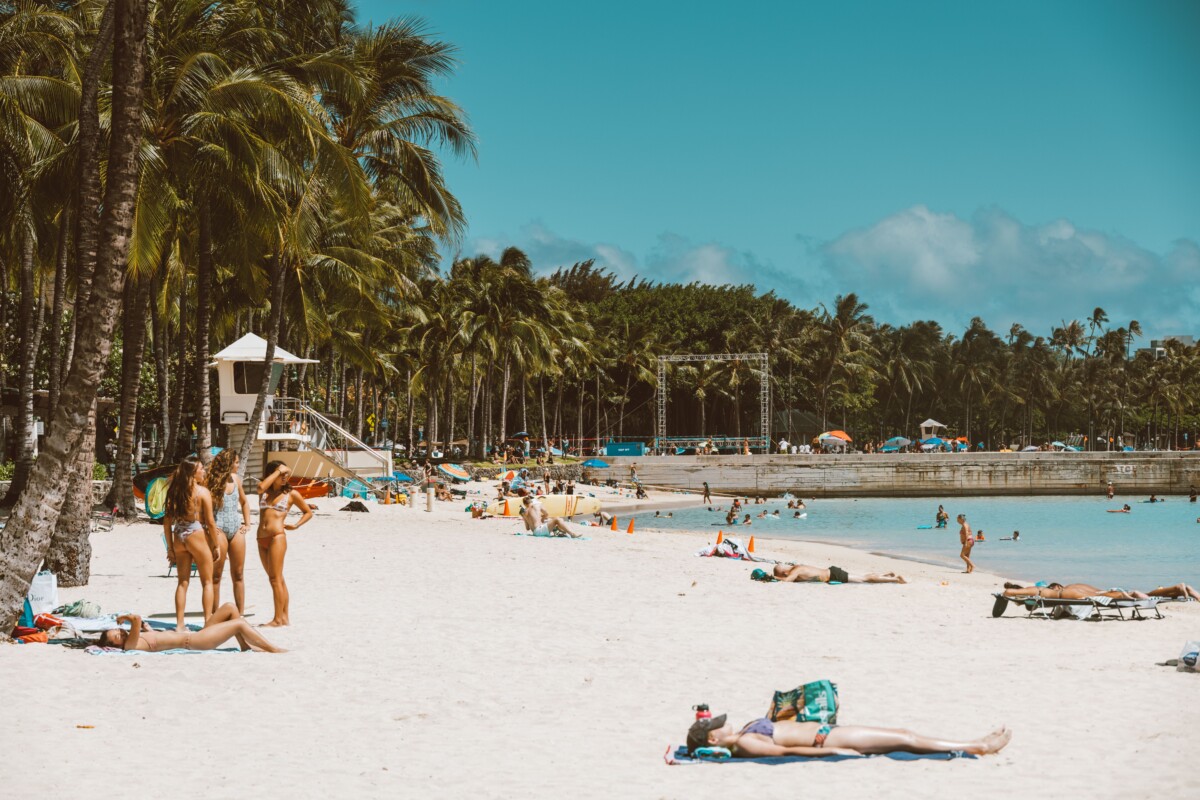
Sand, lava rocks, coral, protected wildlife products and some plants or fresh produce can be removed from your luggage when leaving Hawaii.
The rules depend on where an item came from, the species involved and where you are flying next, so a souvenir-shop receipt is not always enough to make it travel-safe.
With temperatures around 78°F, few clouds and humidity at 83% in Hawaii (as of September 2026), it is easy to spend a long beach day gathering bits and pieces without thinking about what can legally go in your bag.
Five common Hawaii mementos can cause trouble before a flight home. For mainland US-bound passengers, agricultural screening is a major part of the picture; for items collected outdoors, state and federal conservation rules may apply before you even reach the airport.
1. Beach Sand
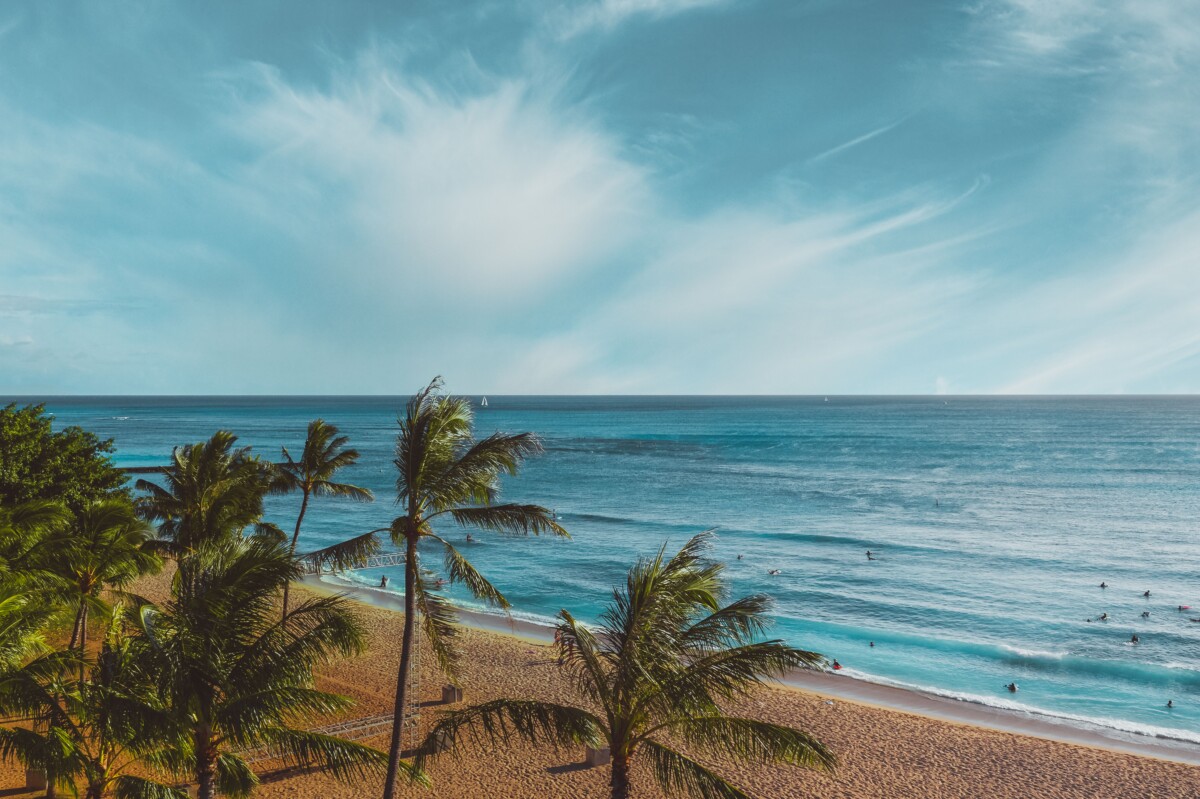
A small jar of sand can look harmless, but taking it from a Hawaiian beach may breach land-management rules. Hawaii’s Department of Land and Natural Resources states that removing sand, rocks, coral or other natural material from public beaches and state lands is prohibited without authorisation.
Leave beach sand where you find it. That includes sand gathered for a craft project or poured into a labelled souvenir bottle. A commercially sold item should have been sourced and sold lawfully, but collecting your own is the part that creates the risk.
2. Lava Rocks and Other Volcanic Material
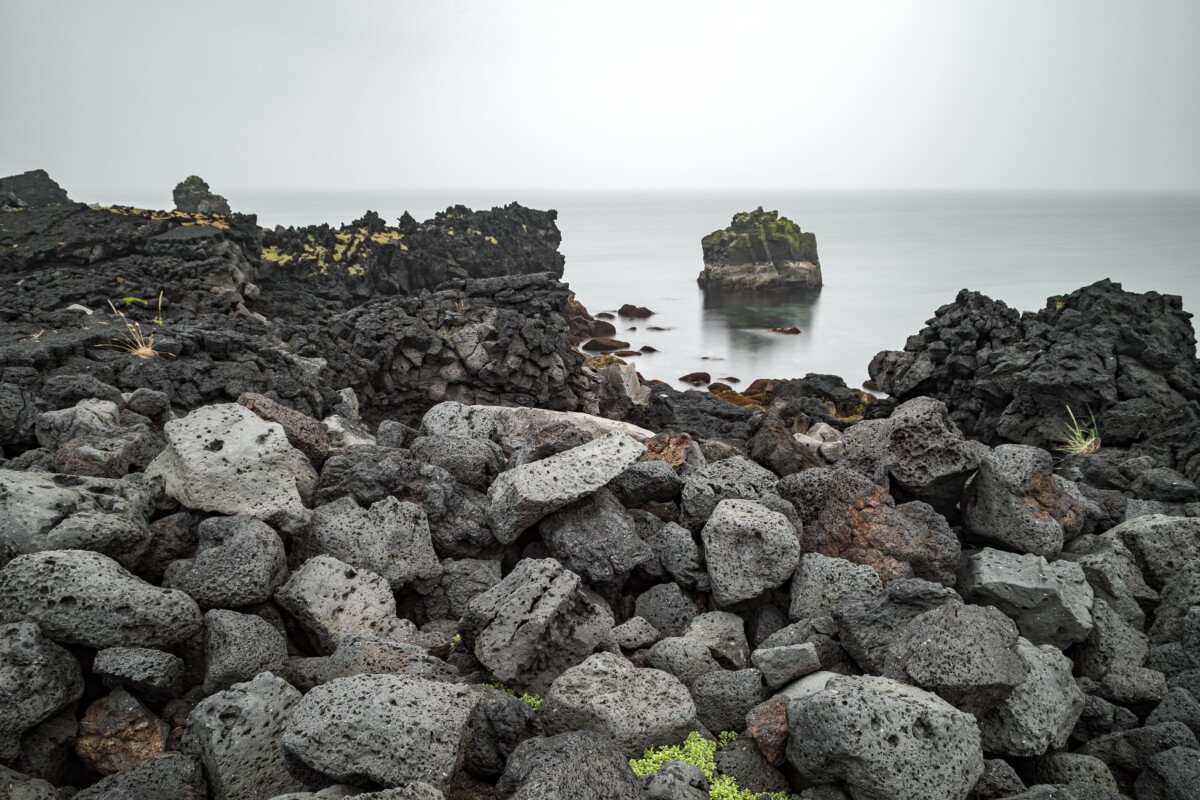
Lava rock is another poor choice for a free souvenir. Removing natural objects from national parks is prohibited, and the National Park Service specifically tells visitors to leave rocks, plants and other resources in place at Hawaiʻi Volcanoes National Park.
The same common-sense rule works across the islands: do not pocket stones, lava fragments or volcanic glass from parks, trails, beaches or protected sites. Rules may differ on private land or for commercially obtained material, but a rock picked up during a walk is not worth a stressful conversation at security.
3. Coral, Living or Dead
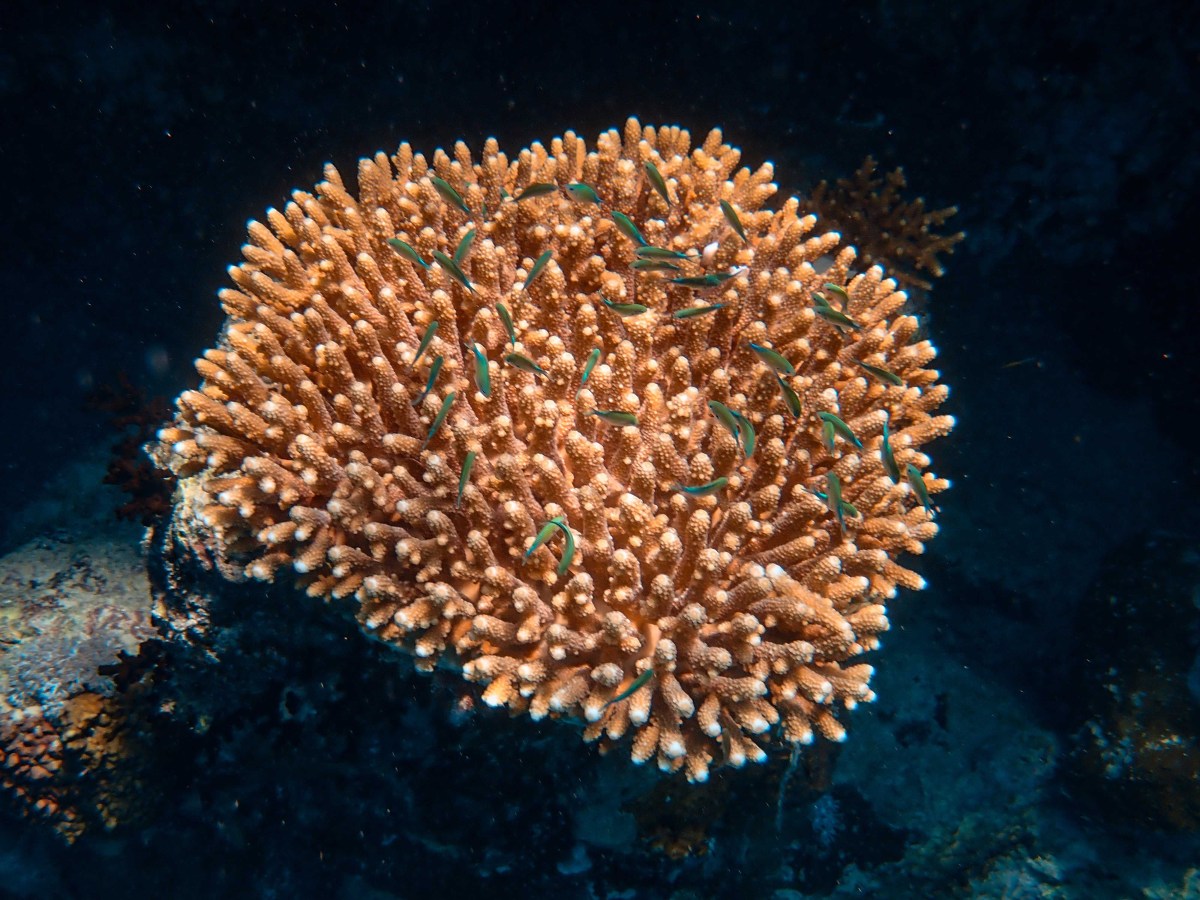
Do not collect coral from the reef or shoreline. Coral can be dead-looking while still forming part of a protected coastal ecosystem, and Hawaii has rules covering the taking, possession and sale of marine life. Reef protection matters, and visitors should not treat coral as a keepsake.
Coral jewellery or ornaments sold through established retailers are a separate issue, though international travellers should take extra care. Certain corals are regulated under the Convention on International Trade in Endangered Species, known as CITES, and may need documentation for cross-border travel. If the seller cannot explain the species and paperwork, leave it out of the suitcase.
4. Products Made From Protected Wildlife
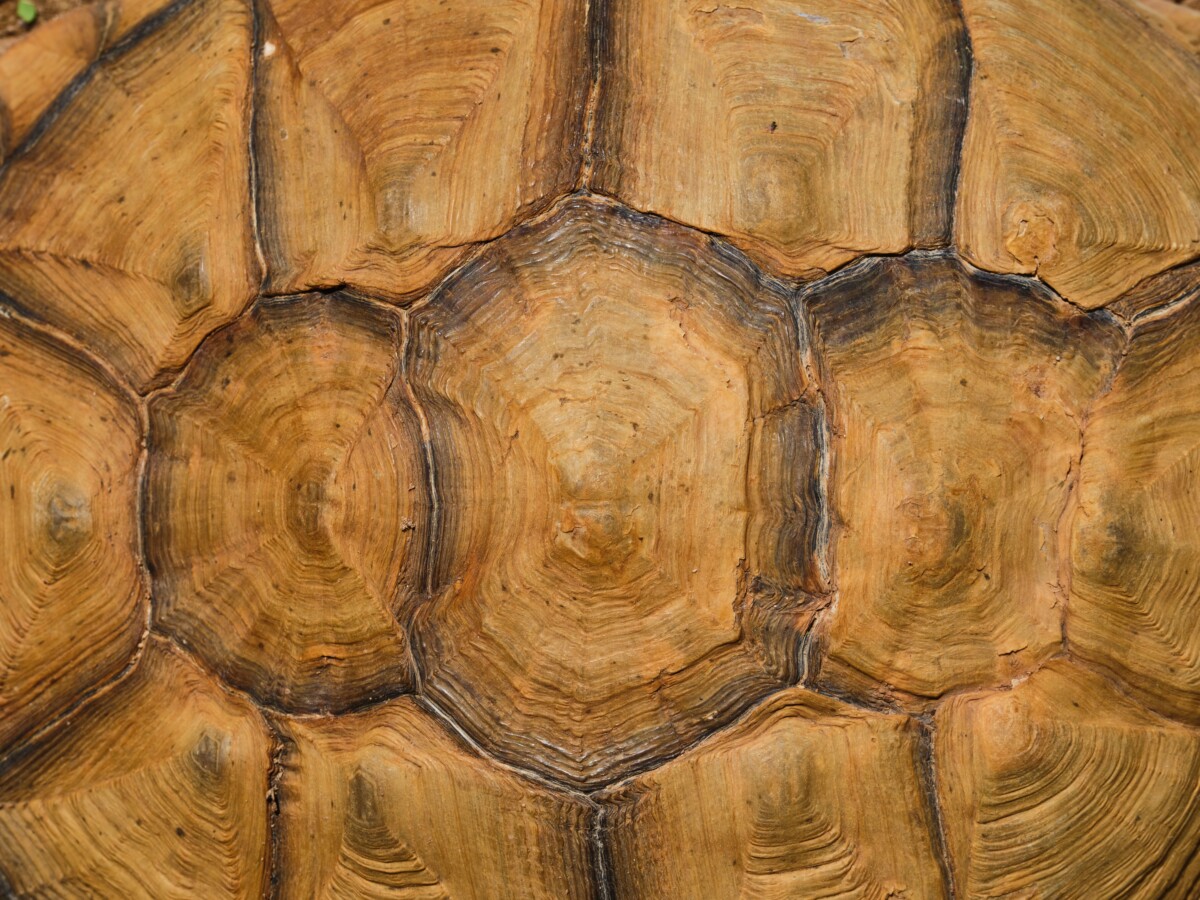
Items made from sea turtle shell, certain corals, ivory or other protected animal materials can be seized or lead to more serious legal issues. Federal wildlife rules apply even if an item was bought legally in a shop, particularly when the traveller is crossing an international border.
Many wildlife imports and exports require declarations. Ask for clear documentation before buying shell, coral or animal-based jewellery. Vague labels such as “natural material” do not identify a species or prove that it can travel.
- Avoid products made from sea turtle shell or advertised as tortoiseshell.
- Be cautious with coral, shell and bone jewellery where the species is unclear.
- Keep receipts and any permits supplied with a legitimate wildlife product.
- Check the destination country’s rules before buying, especially for an international return flight.
5. Plants, Leis and Fresh Produce
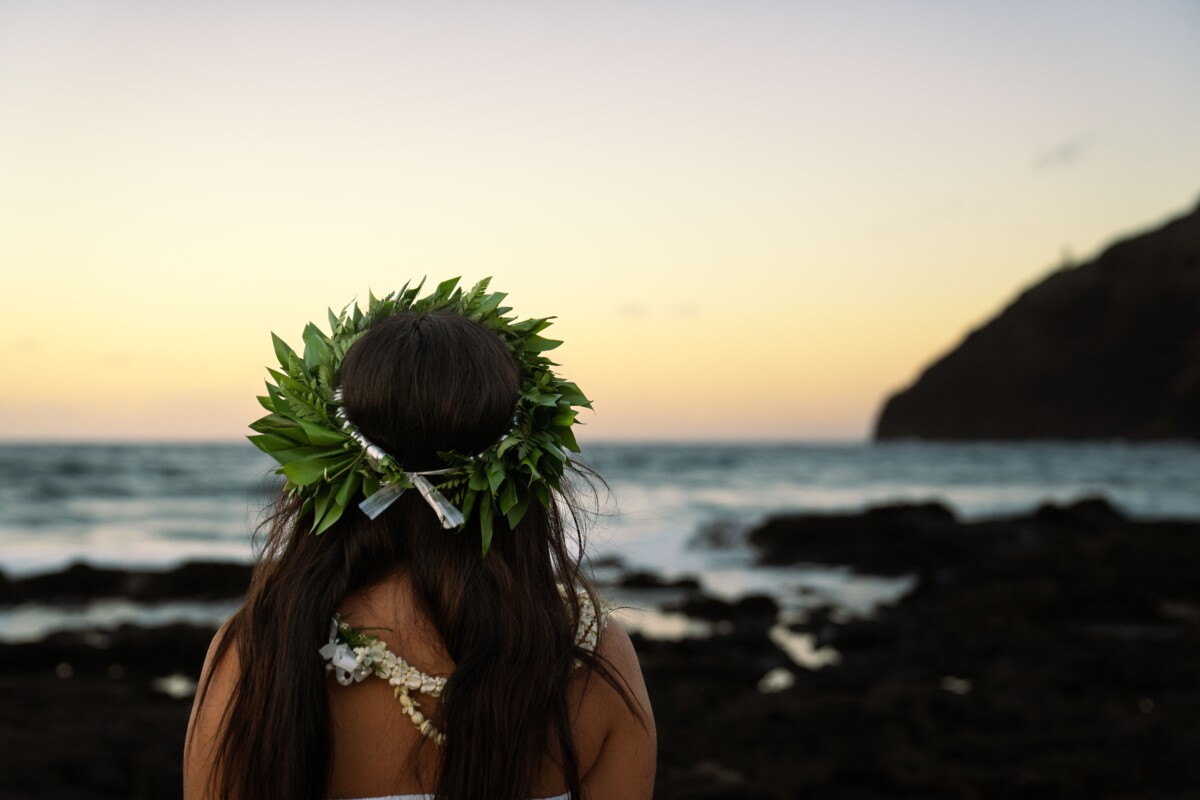
Daniel Flores / Pexels
Hawaii’s agricultural inspection rules can catch travellers out because a fresh lei or a piece of fruit feels more like a gift than an agricultural item. Passengers travelling from Hawaii to the continental United States must present plants, plant parts and agricultural products for inspection before departure.
All fresh plants and produce should be declared for inspection. Some items can travel after inspection, while others are restricted because they could carry pests or plant diseases. Some items are prohibited or require treatment, so check before you buy rather than at the gate.
Fresh-cut flowers, leis containing plant materials, seeds, fruit and vegetables are the main things to check. A lei made from approved, inspected flowers may be allowed, but one containing restricted foliage or fruit may not be. Mailing an item does not automatically avoid the rules either.
What Airport Screening Can and Cannot Decide
Airport staff can identify obvious agricultural risks and items that cannot pass security, but they may not be able to confirm the origin or legal status of a piece of coral, rock or wildlife product. That can leave the traveller responsible for proving an item was lawfully obtained.
For flights to the mainland US, allow extra time for Hawaii’s agricultural inspection. Keep any natural-material purchase accessible, carry receipts and do not bury plants or food at the bottom of checked luggage. It only makes an inspection slower, and nobody needs that just before boarding.
Safer Hawaii Souvenirs to Pack
Food gifts, locally made art, books, clothing and beauty products are usually simpler choices, provided they meet normal airline liquid and security rules. Macadamia nuts, roasted coffee and commercially packaged snacks are commonly sold for travel, although travellers with onward international flights should still check their destination’s customs restrictions.
- Packaged coffee, tea and shelf-stable food gifts
- Locally made prints, textiles and ceramics
- Jewellery with clear material descriptions and receipts
- Hawaii-made soaps, candles and body products in airline-compliant sizes
- Photographs, postcards and books that take up less room than a suspicious rock
Frequently Asked Questions
Can you take shells home from Hawaii?
Do not collect shells from beaches, tide pools or protected areas. A shell sold legally by a reputable retailer may be permitted, but protected species and international wildlife rules can still apply, so keep the receipt and confirm the material before flying.
Can you bring a Hawaiian lei on a flight to the mainland?
A Hawaiian lei may be allowed after agricultural inspection, but the flowers and foliage matter. Present it for inspection at the airport and check the current rules before buying a lei for a mainland flight.
Can you take lava rocks out of Hawaii?
Do not take lava rocks collected from a national park, beach, trail or other public land. National Park Service rules prohibit removing natural resources from Hawaiʻi Volcanoes National Park, and other land managers may have similar restrictions.
What happens if an item is confiscated at a Hawaii airport?
Inspectors may remove a prohibited agricultural item or refer a protected wildlife or natural-material concern to the appropriate authority. The outcome depends on the item and the rule involved, so declaring it and asking before check-in is far better than hoping it goes unnoticed.