
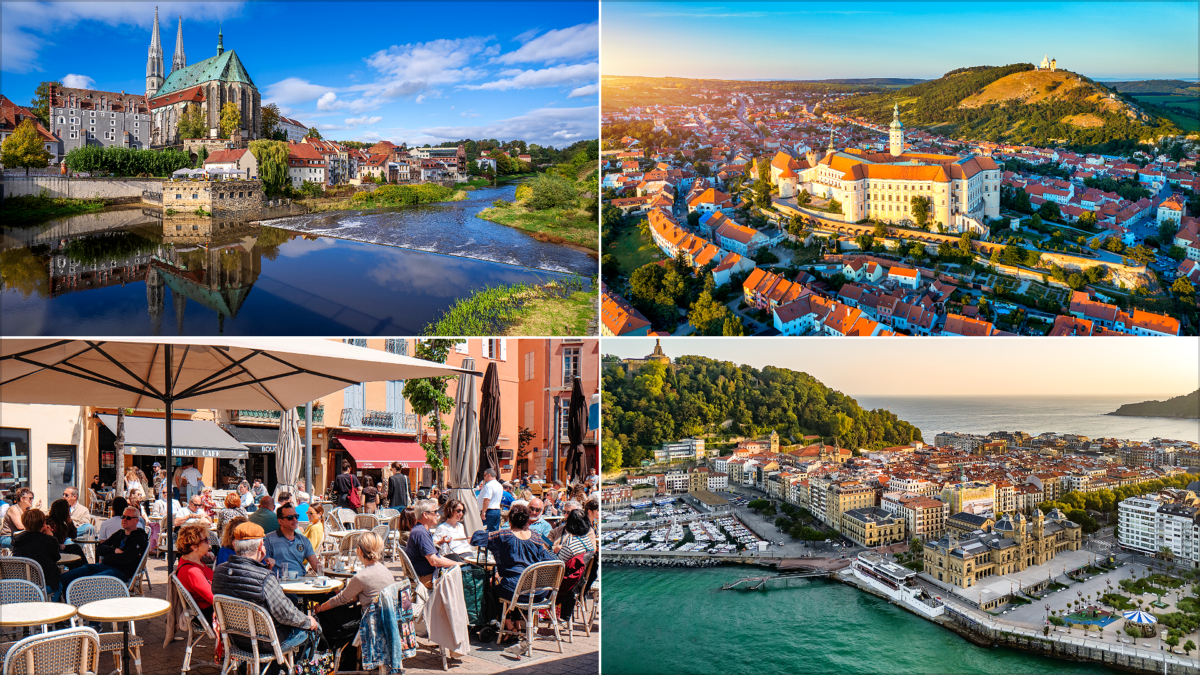
The most captivating European border cities worth visiting are Bratislava, Trieste, San Sebastián, Perpignan, Mikulov, and Görlitz. Each carries the useful complication of a frontier: languages overlap, food refuses to stay in one national lane, and a day trip can cross into another country.
These places are not interchangeable stops on a map. Bratislava is built around the Danube and Central European capital-city life; Trieste faces the Adriatic with Slovenia close by; Mikulov brings wine country and former Iron Curtain history into one small Czech town.
Border travel still requires a little planning. Most of these routes are within the Schengen Area, where routine internal border checks are generally absent, but temporary controls, identification rules, transport timetables, and local conditions can change. Carry the documents required for your nationality, especially if a route takes you outside the Schengen Area.
Why European Border Cities Are So Interesting
Border cities tend to keep evidence of the people who traded, governed, fought, migrated, and married across a frontier. That can show up in an old town’s architecture, a bilingual place name, or a menu that puts schnitzel, goulash, dumplings, and local cheese in the same meal.
They also suit different kinds of trips. A couple can build a slow city break around Trieste’s cafés and seafront. Families can use Görlitz and Zgorzelec as an easy geography lesson with an actual river crossing. Road-trippers can make Mikulov the first Czech stop after Vienna. A border is rarely the whole attraction, but it gives a city an unusually clear sense of place.
Bratislava, Slovakia
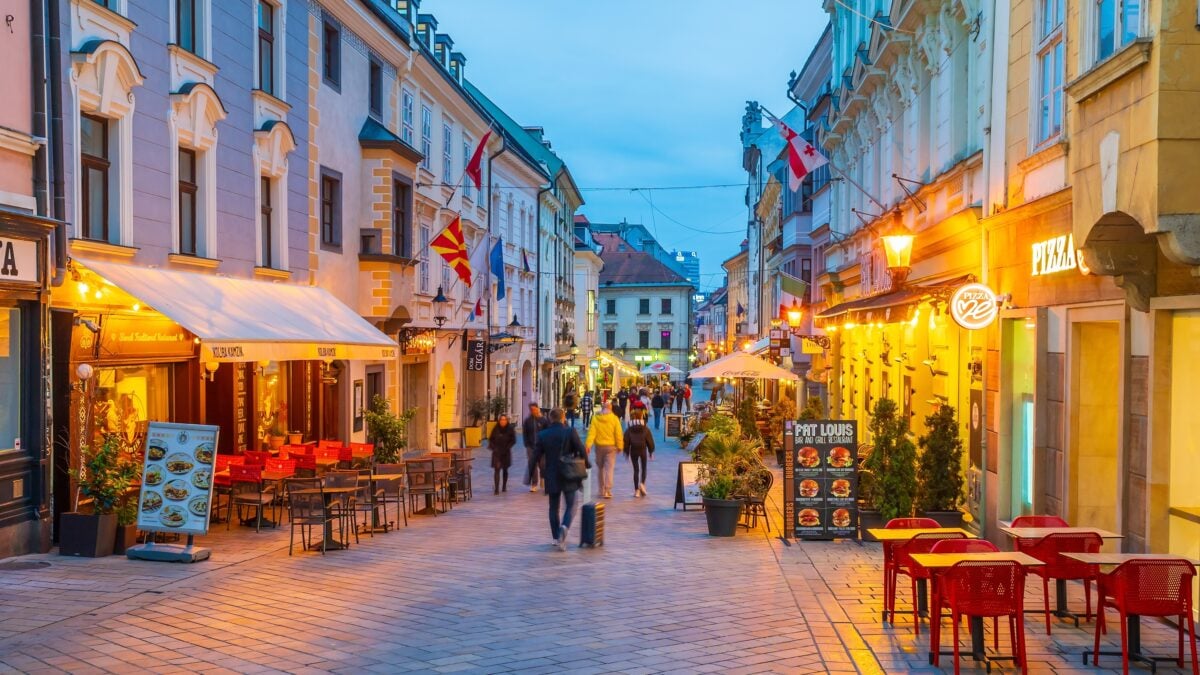
Bratislava is the only national capital that borders two sovereign countries: Austria lies to its west and Hungary to its south. The Slovak capital sits on the Danube beneath the Little Carpathian Mountains, making it a natural base for anyone interested in Central Europe without moving hotels every night.
Start in the compact historic center with Michael’s Gate, the surviving gateway from Bratislava’s medieval fortifications. Then head to Primate’s Palace, an 18th-century building known for its Hall of Mirrors and its collection of English tapestries. Bratislava Castle, set above the city, is the obvious landmark for getting your bearings over the river and old town.
The city’s food reflects its crossroads position. Look for dishes associated with the wider Central European region, including schnitzel, goulash, potatoes, dumplings, and sheep’s cheese. Bratislavský rožok, a protected local pastry filled with poppy seed or walnut, makes a useful café stop before an evening walk along the Danube.
For a geographic side trip, the three-country meeting point is near Čunovo, south of the city. Austria, Hungary, and Slovakia meet in this area, marked by a small tripoint monument. It is a more satisfying detour for map enthusiasts than it sounds. There are worse ways to spend an afternoon standing near three countries and debating lunch.
Trieste, Italy
Trieste is one of Italy’s most distinctive border cities because its character was shaped by the Adriatic and by its position close to Slovenia. The Slovenian border is only a short drive from the center, while Croatia is reachable farther along the Istrian peninsula, but Trieste deserves more than a quick stop before the frontier.
The city feels visibly different from many Italian urban breaks. Its long association with Central Europe and the former Habsburg world appears in its streetscape and café culture, while the sea remains part of daily life. Plan time to walk Piazza Unità d’Italia, follow the waterfront, and linger in the center instead of treating the city as a transit point.
Trieste works especially well for people who enjoy history without needing every hour scheduled. Its border position is central to understanding the city, not a decorative fact attached to a postcard. Build a trip around the city first, then use the nearby frontier to add a Slovenian or Croatian excursion if your transport plans allow.
San Sebastián, Spain
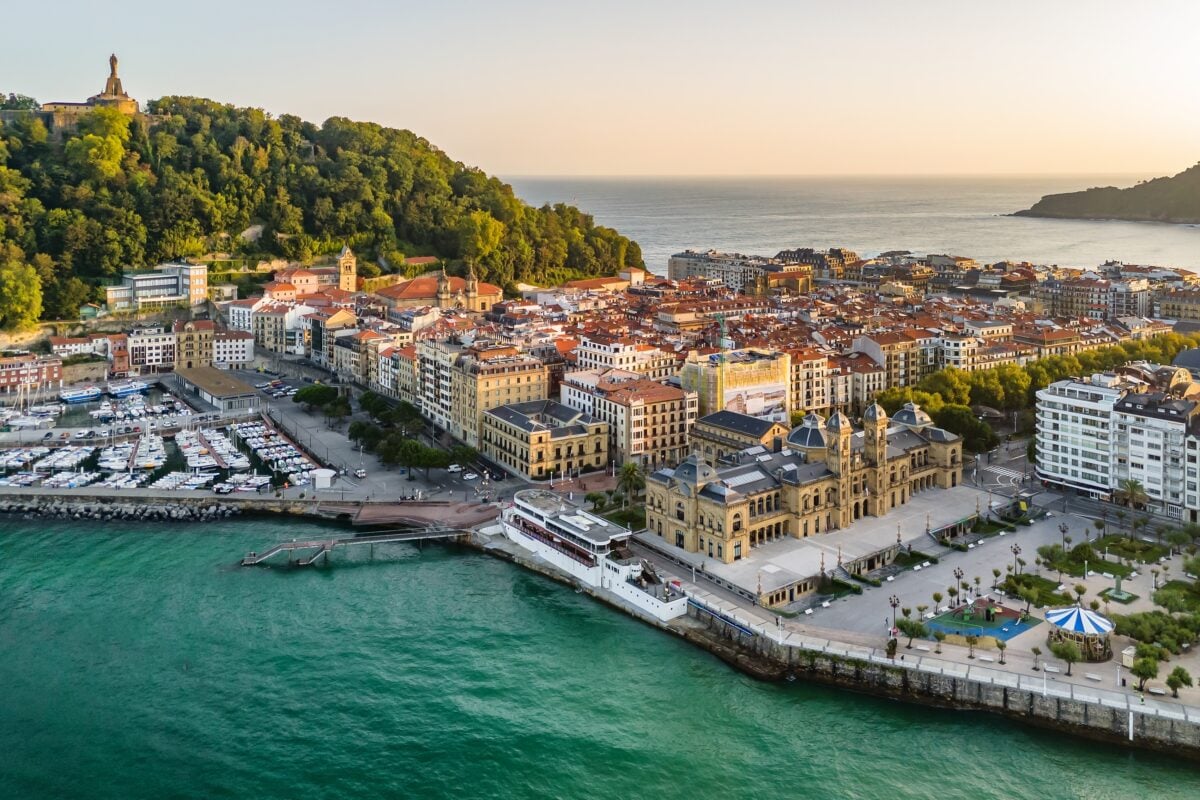
San Sebastián sits in Spain’s Basque Country, close to the French border and the French Basque region. It is a strong choice for food-focused breaks, coastal walks, and anyone who wants a border setting that feels cultural before it feels bureaucratic.
The city’s Basque identity is the main draw. Local cooking, language, and regional traditions give San Sebastián a personality that does not flatten neatly into a Spain-versus-France comparison. The nearby French frontier adds another layer, particularly for people exploring the broader Basque region by rail or car.
Give yourself time for the Old Town and its pintxos bars, where small plates make it easy to sample widely without committing to one enormous meal. A border-city itinerary here can sensibly stay rooted in San Sebastián, with a French Basque detour added only if it improves your plans. The city can feel busy in high summer, so the lessons from cities dealing with overtourism apply well: eat early, book sought-after tables, and leave room for quieter neighbourhood walks. Trying to conquer two countries in a single afternoon is how lunch becomes an administrative project.
Perpignan, France
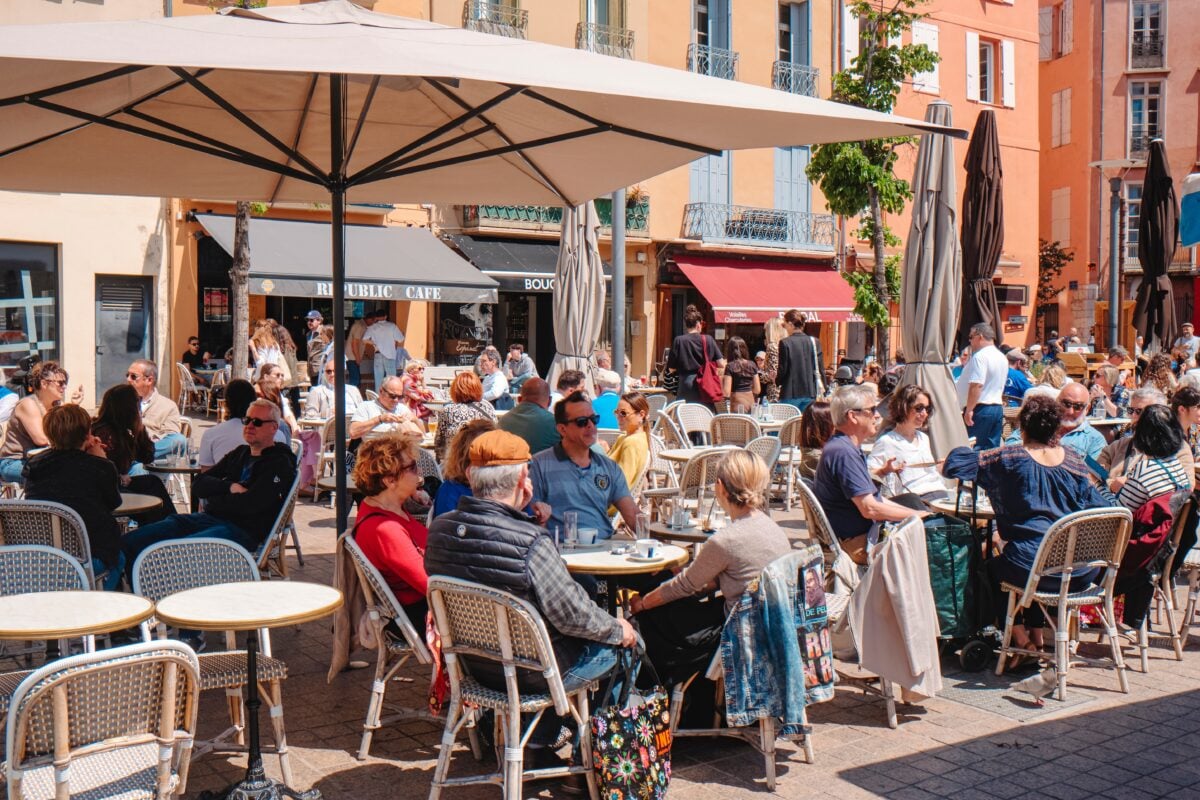
Perpignan is a French city with a pronounced Catalan character, positioned in the south near Spain. It makes sense for people who want to see how a historical region can stretch beyond a modern national boundary.
Le Castillet, the rose-brick fortress in the center, is one of Perpignan’s clearest landmarks. Its warm color and defensive form immediately set a different tone from the grand boulevards many people associate with French city breaks. The city’s location also makes it a natural stop on an itinerary connecting southern France and Catalonia.
Spend time noticing the details that make Perpignan feel distinct: Catalan influence in the city’s identity, southern light, and a closer relationship with Spain than a map of France alone might suggest. It is best for people who like urban history and regional culture more than they like ticking off famous monuments at speed.
Mikulov, Czech Republic
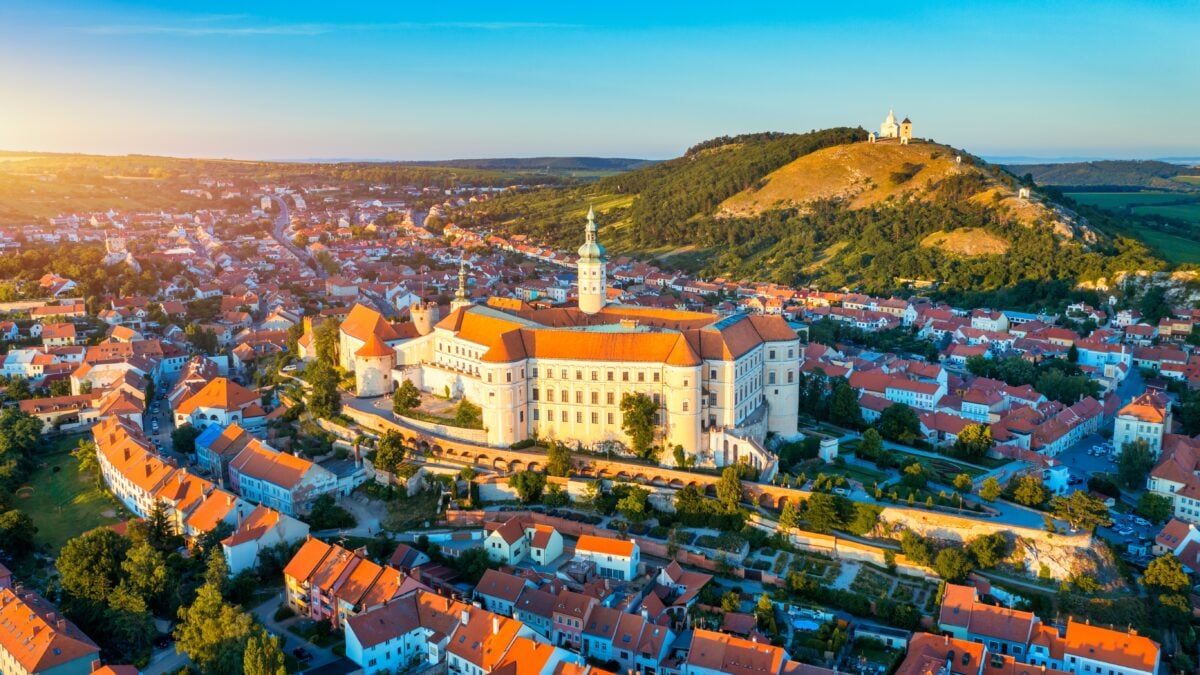
Mikulov is a Czech border town near Austria and an excellent introduction to South Moravia. Its castle and old town dominate the surrounding plain, while the Holy Hill rises nearby with broad views across the area.
Mikulov Castle is the town’s visual anchor, above streets that lead through the old center. The town is closely tied to winemaking, so it suits a slower overnight or weekend stop better than a rushed lunch break. Before the grape harvest, local bars and wine cellars may serve burčák, a cloudy, partly fermented grape drink associated with Moravia.
Mikulov also has a substantial Jewish heritage, represented by its old synagogue, cemetery, and museum. For a wider regional day out, the Lednice-Valtice Cultural Landscape lies within easy reach by road. The area includes Lednice Castle and Valtice Castle, once owned by the Liechtenstein family, along with a sequence of designed landscape monuments. Castle fans can also find inspiration in these European castles that look like they belong in a storybook.
For a more recent chapter of border history, visit Valtice’s small Iron Curtain Museum. It provides useful context for a frontier that once carried much more political weight than it does for many present-day journeys.
Görlitz, Germany
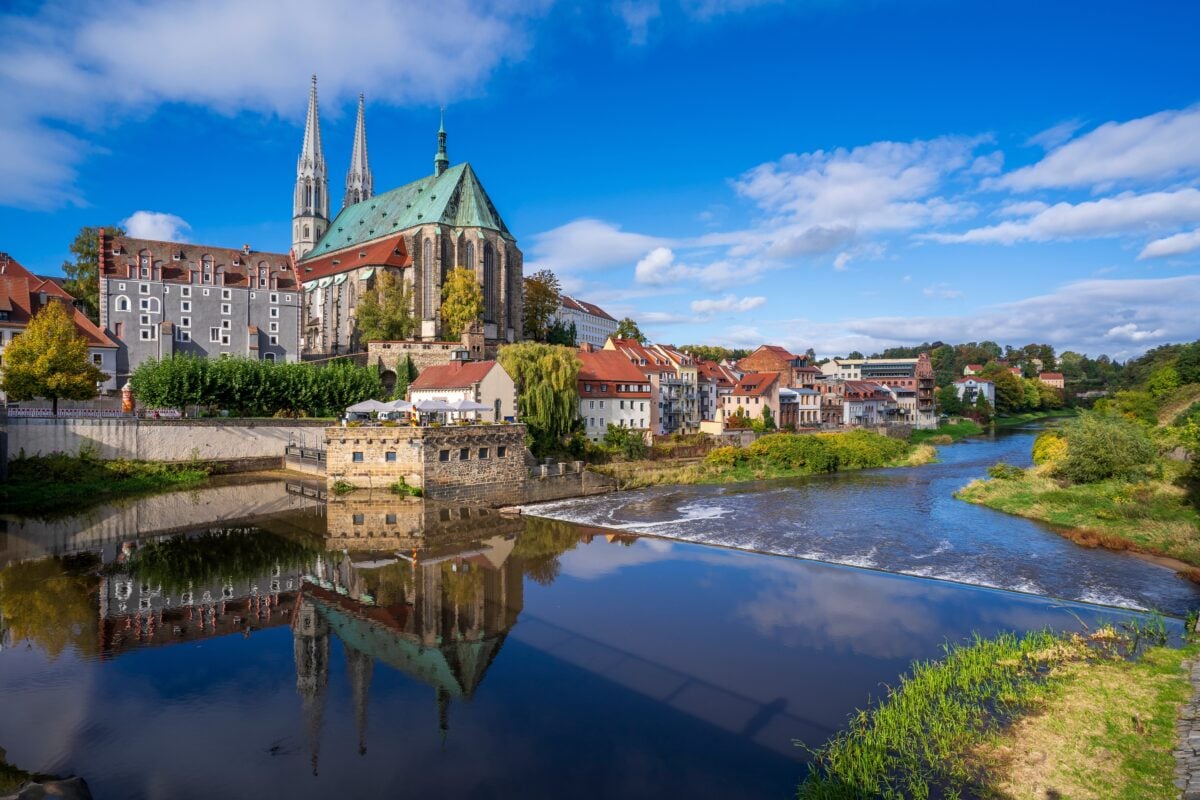
Görlitz is paired with Zgorzelec across the Neisse River in Poland. The two towns make a compelling stop for anyone curious about how one urban place can be divided by a postwar national boundary while retaining a shared physical landscape.
Walk between Görlitz and Zgorzelec to see the border in its most human-scale form. The river separates the two sides, yet the crossing is part of the city experience, not a remote excursion. Görlitz is also known for its well-preserved historic architecture, giving the German side plenty of reason to hold your attention before you cross.
This is a particularly good choice for a low-key cultural weekend. Stay long enough to see both sides in daylight, pause beside the river, and avoid reducing Zgorzelec to a box checked after a bridge crossing. The value is in seeing how the two places relate to each other.
How To Plan a Border-City Break
A good border-city trip needs fewer destinations than you may think. Pick one city as the anchor, then add a cross-border outing only if it fits naturally with the time you have. Bratislava can support a Central European itinerary that starts with our 3 days in Vienna guide; Mikulov can frame a road trip through South Moravia; Trieste can open into the northern Adriatic.
- Check border and entry requirements for every country on your route, based on your passport and visa status. Schengen routes can still have temporary checks, so keep your passport or national identity document accessible.
- Look up rail, bus, or road options before choosing a cross-border day trip. A short distance on a map does not guarantee a frequent direct service.
- Carry a payment method that works across borders, and confirm which currency is used at each stop. Slovakia uses the euro, while the Czech Republic and Poland use their own national currencies.
- Leave room for the anchor city. Bratislava Castle, Michael’s Gate, Mikulov Castle, and Le Castillet are better enjoyed without watching the clock for an international connection.
Best Time To Visit European Border Cities
Spring and autumn are often the most comfortable seasons for walking-focused city breaks, especially in Bratislava, Trieste, Perpignan, and San Sebastián. They can also make road journeys around Mikulov more pleasant than the hottest part of summer.
Season matters most when an experience is tied to local rhythms. Mikulov’s burčák is associated with the period before the grape harvest, so it is not a year-round reason to visit. For the other cities, choose dates around the pace of trip you want: long waterfront walks in Trieste, food stops in San Sebastián, or museum-and-old-town days in Görlitz.
Frequently Asked Questions
What Is the Best European Capital for Border Hopping?
Bratislava is the standout capital for border hopping because Slovakia’s capital borders Austria and Hungary. Its Danube location, old town, castle, and proximity to the three-country area near Čunovo make the geography part of the trip.
Can You Visit Two Countries in One Day From These Cities?
Yes, in many cases, but the best choice depends on transport and entry rules. Görlitz and Zgorzelec are divided by the Neisse River, while Trieste is close to Slovenia and can work as a base for a longer day trip into Croatia.
Which Border City Is Best for Wine Lovers?
Mikulov is the strongest pick for wine lovers. The town sits in South Moravia, is surrounded by wine country, and is known for local wine bars and cellars serving regional specialties such as burčák in season.
Which Border City Is Best for Food?
San Sebastián is the best choice for a food-centered border-city break, thanks to its Basque cooking and pintxos culture. Bratislava is another appealing option for Central European dishes, café stops, and local baked goods.
Choose the City, Not Just the Border
The best border-city breaks do not treat a frontier as a novelty. They use it as a clue to the city’s food, language, architecture, and history. Bratislava, Trieste, San Sebastián, Perpignan, Mikulov, and Görlitz all reward a little curiosity and a slower itinerary.
Pick the place that matches your interests, then let the nearby country be an extra possibility. You will get a much better trip than trying to collect passport stamps like souvenir magnets.
