
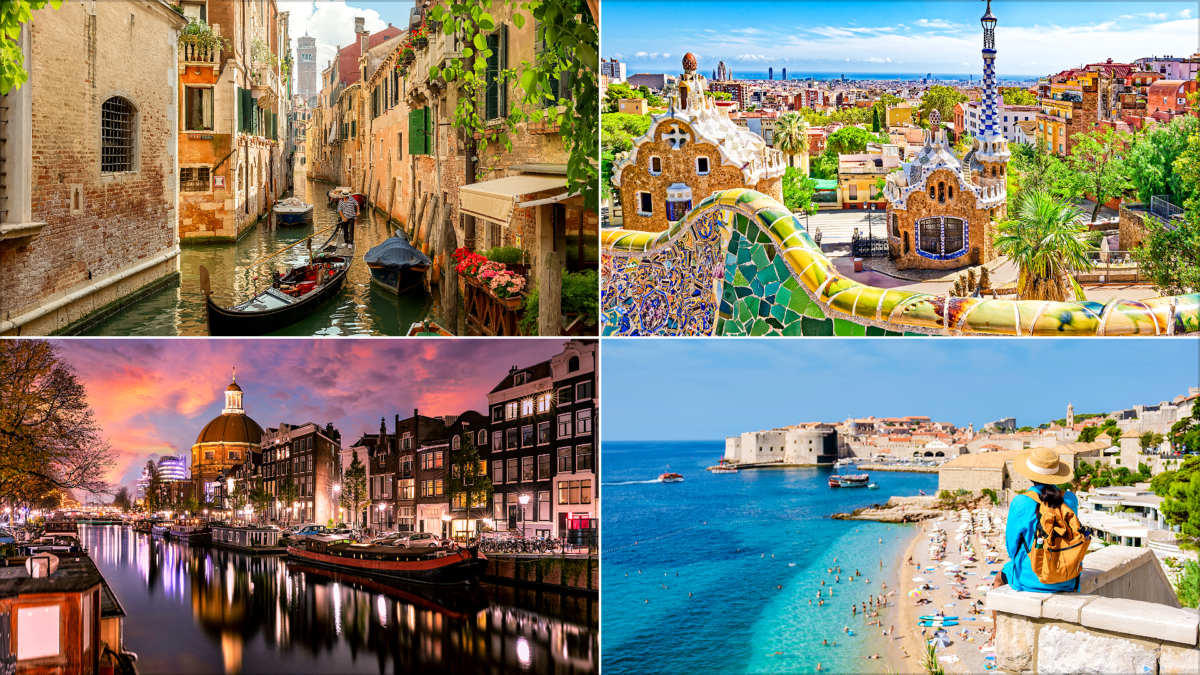
Some cities do not need more tourists. They need better tourism.
That is the heart of the overtourism problem. Visitor spending can support jobs, museums, restaurants, and transport, but sheer volume can also push residents out, clog public space, and wear down fragile historic districts. The result is a destination that becomes less enjoyable for locals and visitors alike. Nobody dreams of standing shoulder to shoulder behind a selfie stick army at 8:30 in the morning.
If you are researching Cities Struggling With Overtourism, the useful question is not just where the problem is worst. It is how to travel in a way that helps rather than adds to the pile-on. These examples show what that pressure looks like on the ground, and what smarter trip planning can look like.
Quick look: cities struggling with overtourism
| City | Main pressure point | What makes it worth visiting | Better way to go |
|---|---|---|---|
| Dubrovnik | Cruise traffic and crowding in the Old Town | Medieval walls, Adriatic setting, compact historic core | Stay overnight and avoid peak cruise hours |
| Amsterdam | Party tourism, crowding, pressure on central neighborhoods | Canals, museums, walkable districts, strong cycling culture | Base your visit outside the busiest nightlife zones and follow local rules |
| Barcelona | Heavy visitor density in central districts and housing pressure | Modernisme landmarks, beaches, food markets, neighborhood culture | Spread your time beyond the headline sights |
| Venice | Mass tourism in a fragile city built on narrow lanes and waterways | Architecture, lagoon setting, churches, art, car-free atmosphere | Sleep in the city and explore early or late |
| Bali destinations and urban hubs | Behavior issues, traffic, and pressure from high visitor volume | Temples, rice terraces, surf culture, strong hospitality scene | Choose quieter areas and respect local rules and customs |
What overtourism actually means
Overtourism is not simply a place being popular. It is when visitor numbers or visitor behavior put visible strain on a city’s infrastructure, housing, environment, or daily life.
- Historic centers can become jammed with day-trippers and cruise passengers.
- Housing markets can tilt toward short-term rentals instead of long-term residents.
- Public transport and streets can become difficult for locals to use.
- Landmarks and heritage sites can suffer physical wear from too many feet, wheels, and tour groups.
- Local governments may respond with taxes, caps, timed entry, behavior rules, or marketing campaigns aimed at changing who visits and how.
The pattern shows up in very different places, from canal cities to island capitals to medieval walled towns.
Dubrovnik, Croatia
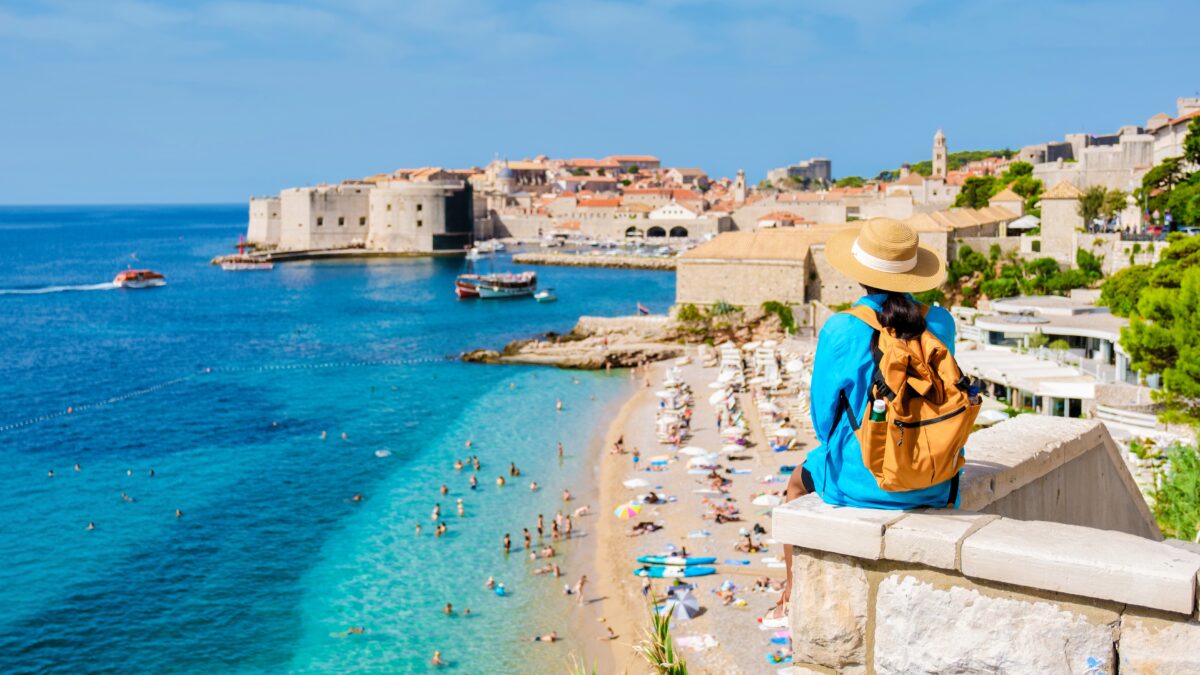
Dubrovnik is one of the clearest examples of how a beautiful place can become a victim of its own success. The Old Town is a UNESCO World Heritage Site, and its appeal is obvious within minutes of arrival. Stone lanes, defensive walls, church towers, and that bright Adriatic backdrop make it wildly photogenic and very easy to market.
The pressure point has long been cruise tourism. In 2016, 529 cruise ships brought 799,916 passengers to Dubrovnik. That kind of volume lands fast and often leaves fast, which creates congestion without the same level of overnight spending. Local concerns have centered on crowding, noise, and the impact on daily life inside the historic core.
Population change inside the Old Town tells part of the story. There were about 5,000 residents there in 1991, but only 1,157 by 2017. No single statistic explains a whole city, but it does show how tourism pressure can reshape who still lives in the postcard. Cruise calls have remained high in recent seasons too, so this is not some solved problem tucked away in a planning document.
Authorities have tried several responses. Dubrovnik launched the Respect the City campaign in 2017, and officials have also worked on cruise scheduling. A more recent policy framework has aimed to keep the number of cruise passengers in the inner city below 4,000 at the same time.
Why Dubrovnik is still worth visiting
- The city walls remain one of Europe’s great urban walks.
- The compact layout makes it easy to explore on foot once crowds thin out.
- Its history as a maritime republic gives the city more depth than a quick photo stop suggests.
Best time to visit Dubrovnik
Shoulder season is the smart play. Late spring and early autumn are generally better bets than high summer if you want lower pressure on the streets and a more relaxed feel.
Helpful tips for Dubrovnik
- Stay at least one night. Dubrovnik changes dramatically after cruise passengers leave.
- Walk early or late. Midday is often the least pleasant time in the Old Town.
- Add other Croatian stops. Zadar, Pula, Vis, and Korčula help spread your trip beyond the obvious hot zone.
Amsterdam, Netherlands
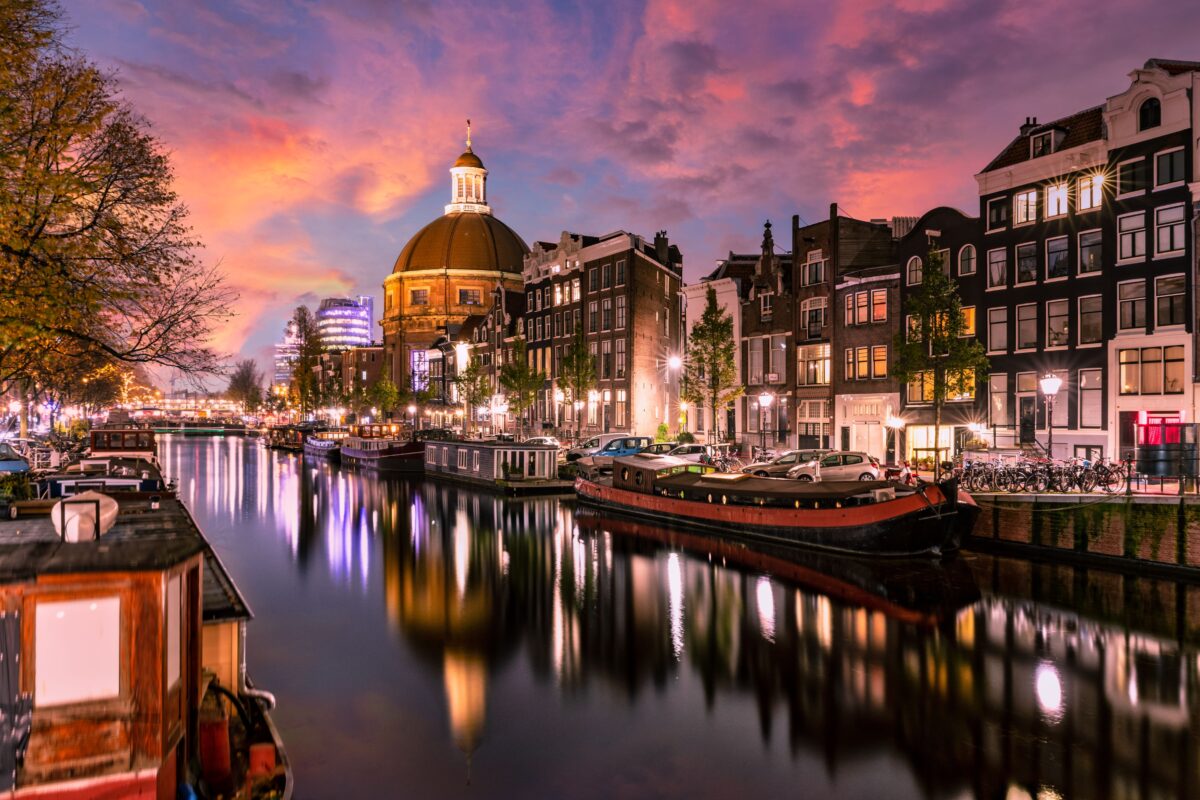
Amsterdam has become shorthand for a wider European problem: a compact, much-loved city trying to balance culture tourism with behavior that locals are tired of tolerating. The canals, gabled houses, and museum collections are not the issue. The issue is when the city center turns into a weekend playground for visitors who treat it like a theme park with beer.
The city has responded bluntly. Its 2023 campaign told some would-be rowdy tourists to stay away. Officials have also imposed limits on bar crawls and banned cannabis smoking in the Red Light District. That shift matters because it signals a move away from chasing raw visitor numbers at any cost.
Amsterdam also recorded almost 10 million tourist arrivals in 2024, including inbound and domestic travelers. For a relatively small city, that is a lot of people competing for the same central streets, trams, canal edges, and nightlife areas. The municipality has also kept pressure on the short-term rental market, with limits that aim to protect housing supply in a city where central neighborhoods can feel permanently full.
Why Amsterdam is still worth visiting
- The museum scene is world class.
- The canal belt is one of Europe’s most distinctive urban landscapes.
- Neighborhoods outside the busiest center still feel deeply local.
Best time to visit Amsterdam
Outside peak weekends and major holiday periods is usually the better move. If your main aim is art, architecture, and café culture rather than nightlife, midweek travel can be a lot easier on your nerves. Staying just outside the center can also make life easier, especially in a city known for bikes, trams, and easy regional connections. If that style of trip appeals, these cities with free public transportation offer another angle on low-stress urban travel.
Helpful tips for Amsterdam
- Do not treat the city center like a party district first and a city second. Local rules are tightening for a reason.
- Spend time beyond the most crowded core. A trip that includes residential districts will feel more balanced.
- Book major museums ahead. The city is popular even outside peak party periods.
For practical city information, the I amsterdam official site is a good starting point.
Barcelona, Spain
Barcelona appears in almost every discussion of overtourism in Europe, and not by accident. It has beach access, famous architecture, nightlife, football, cruise traffic, and a global city brand strong enough to fill flights year round. That mix brings money, but it also brings intense pressure to central districts where residents still need to live ordinary lives.
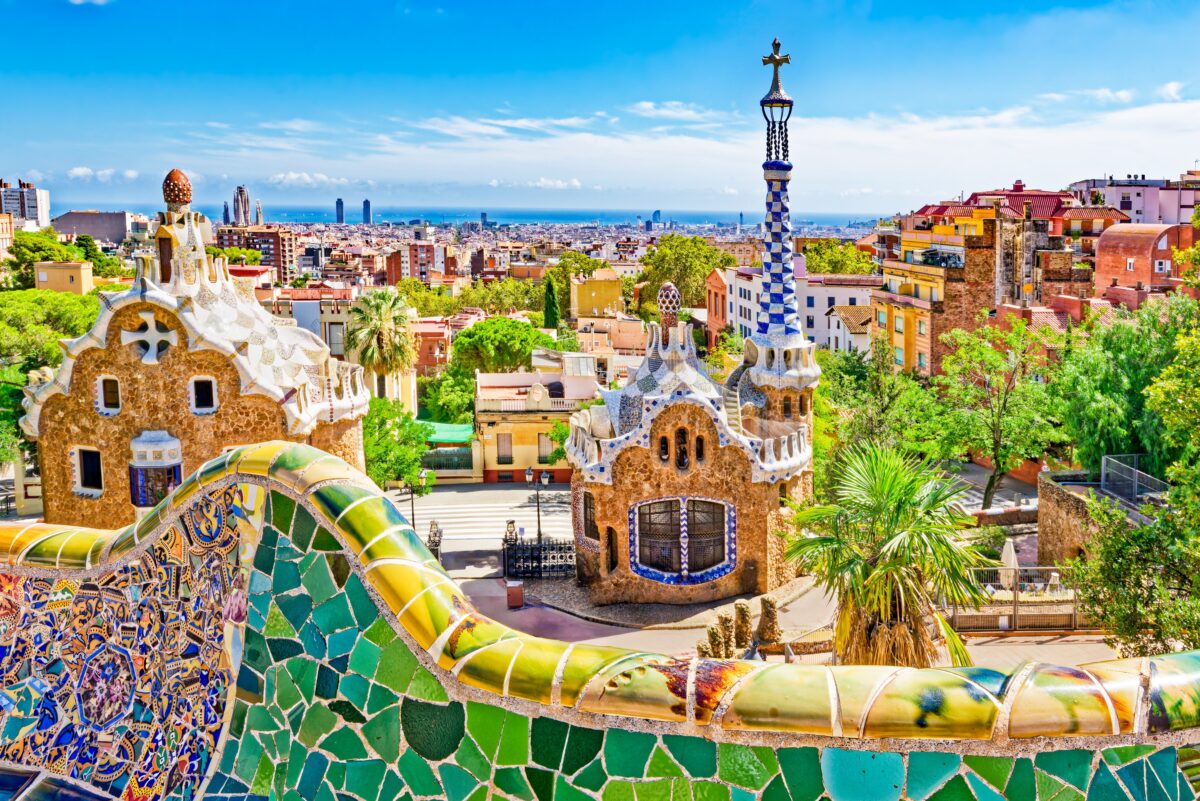
The city’s appeal is real. Antoni Gaudí landmarks, dense neighborhood culture, and a Mediterranean setting make it one of Europe’s most rewarding urban trips. The problem is concentration. Too many people follow the same short route between headline attractions, often without looking up from their phones long enough to notice there is a real city around them.
Housing pressure has been one of the flashpoints. The city has tightened rules around tourist apartments over several years, and anti-tourism protests have drawn attention to frustration over rents, crowding, and the feeling that some neighborhoods are being turned into visitor zones first and communities second. Barcelona also remains one of Europe’s busiest cruise ports, which adds another big pulse of day visitors to already crowded central areas.
Why Barcelona is still worth visiting
- The architecture is unusually distinctive, especially around the modernista landmarks.
- The food scene ranges from market counters to serious regional cooking.
- The city works well as a walking destination if you get beyond the busiest tourist spine.
Best time to visit Barcelona
Shoulder season usually offers a better balance of weather and breathing room. Summer is lively, but it also brings the city at full volume. If you are comparing warm-weather breaks with fewer choke points, nearby ideas in towns and cities in Andalucia can make a useful side-by-side contrast.
Helpful tips for Barcelona
- Do not stack your whole trip into the most obvious areas. Spread time across different neighborhoods.
- Book timed-entry attractions in advance. Barcelona rewards planning.
- Use local businesses beyond the big tourist corridors. It helps distribute spending more fairly.
For trip planning, the official Barcelona tourism site is the most reliable place to check transport and attraction details.
Venice, Italy
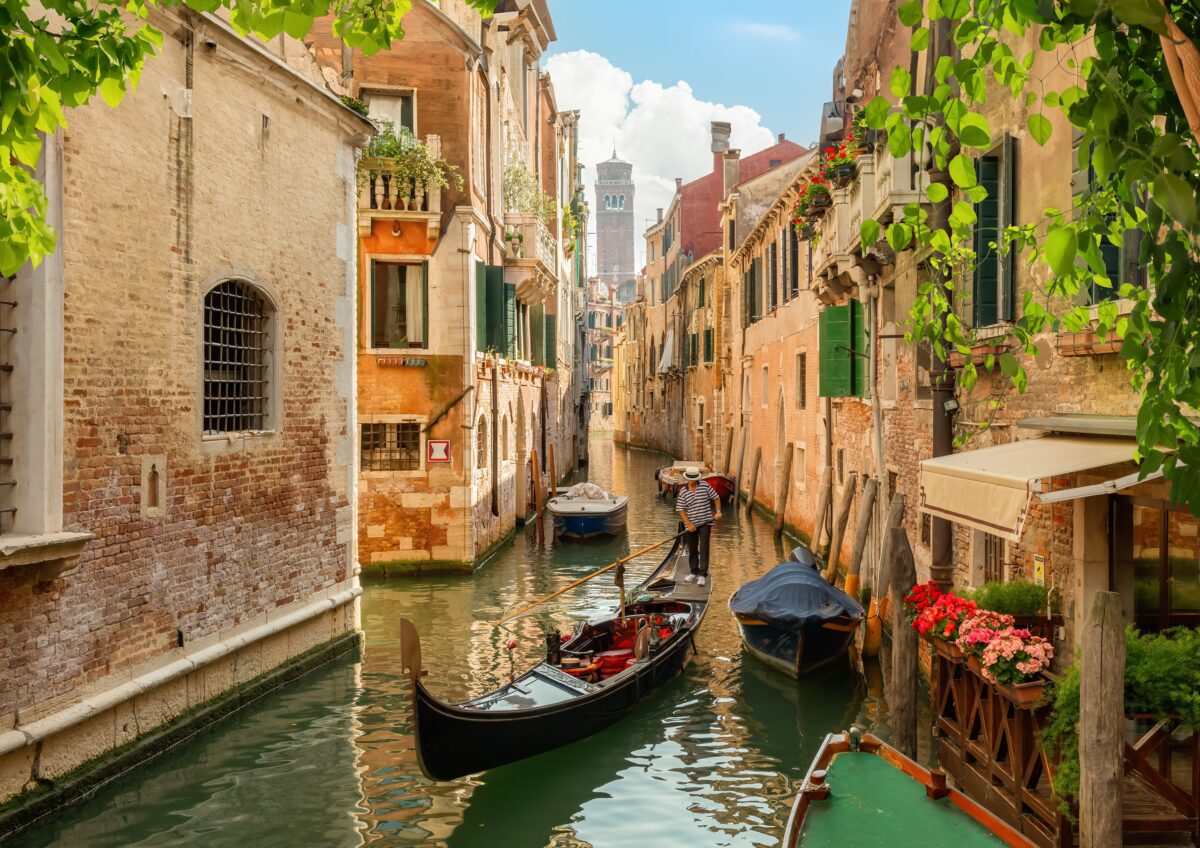
Venice almost feels like the textbook case. It is visually unforgettable, physically delicate, and built on a street network that was never meant to absorb modern mass tourism at global scale. Narrow calli, bridges, and vaporetto stops can bottleneck quickly, especially when large day-trip waves hit the same routes.
Part of Venice’s challenge is that it is not just crowded. It is fragile. The city’s beauty depends on a physical setting that cannot simply be widened, expanded, or rerouted like a modern urban grid. When people talk about overtourism, Venice is often the place they picture first, and with good reason.
The city has moved from handwringing to actual restrictions. Venice introduced its day-tripper access fee on selected peak dates in 2024 and expanded the scheme for 2025, targeting the heaviest crowd days rather than every single arrival. Large cruise ships have also been diverted away from the historic center, though tourism pressure across the lagoon remains very real.
Why Venice is still worth visiting
- There is nowhere else quite like it.
- The city rewards slow wandering once the day-tripper rush fades.
- Churches, small squares, and quieter canals can still feel remarkably calm at the right time.
Best time to visit Venice
Off-peak months and overnight stays are your friend here. Early mornings and evenings are often the best hours Venice has to offer.
Helpful tips for Venice
- Sleep in Venice if your budget allows. The city after dark is a different experience.
- Avoid trying to conquer it in one rushed day. Venice punishes checklist tourism.
- Walk away from the busiest axes. A few turns can change the mood completely.
For official visitor guidance, start with Venezia Unica.
Why smaller and island destinations are also under pressure
Overtourism is not only a big-city problem. Bali, Koh Samui, Lanzarote, and Machu Picchu show how quickly demand can outgrow infrastructure or ecological limits.
- Bali has debated measures such as a tourist tax while trying to shift from high volume to higher-value tourism. Tourism was estimated to contribute around 60 percent of Bali’s pre-pandemic economy, which shows how difficult the balancing act can be. The province began collecting an international visitor levy in 2024, part revenue tool and part nudge toward more accountable tourism.
- Koh Samui has faced reported problems with garbage and wastewater linked to tourism development. Those issues matter more on islands, where infrastructure does not magically expand because another resort brochure looked persuasive.
- Lanzarote has pushed back against low-value, heavy-drinking tourism and declared itself tourist-saturated in 2023. That language is blunt, but so is resident frustration when roads, beaches, and housing all feel stretched.
- Machu Picchu has seen visitation rise from under 400,000 a year to more than 1.4 million over two decades, putting pressure on a site that was never built for that scale. Timed entries and circuit rules exist for a reason, not to ruin anyone’s holiday mood.
The lesson is simple. Popularity alone is not success. If roads, waste systems, housing, heritage protections, and local patience are all under strain, a destination can look profitable on paper while feeling miserable on the ground.
How to visit cities struggling with overtourism more responsibly
If you still want to go, and there are good reasons to go, a few choices matter more than people think.
- Stay overnight instead of arriving for a few hours. Day-trip surges create crowding with less benefit to local businesses.
- Travel in shoulder season. This is often the single easiest way to reduce your impact.
- Book timed entries and go early or late. Better experience for you, less midday pressure for the city.
- Follow local behavior rules. If a city is tightening nightlife or public-order rules, take the hint.
- Spread your spending. Eat, shop, and visit beyond the busiest handful of streets.
- Add secondary destinations. Pair Dubrovnik with Korčula, or Amsterdam with less crowded Dutch stops, rather than concentrating every night in the same hotspot.
For practical planning, the basics still matter more than gadgety travel hacks. A smaller bag, flexible schedule, and realistic route will usually do more good than trying to cram five famous places into two chaotic days. If you are building a multi-stop city trip, a rucksack with wheels can be more useful than it sounds when you are dealing with cobbles, stations, and hotel check-ins.
The bottom line on cities struggling with overtourism
The most famous destinations are often famous for good reason. Dubrovnik, Amsterdam, Barcelona, and Venice are not overrated. They are overloaded.
That distinction matters. It means the answer is not always to avoid them completely. It is to visit with better timing, more patience, and a little more awareness that people live there after you leave. Travel works best when it does not bulldoze the very places that made you want to go in the first place. And if you are willing to swap one or two headline stops for less obvious alternatives, you often end up with a better trip anyway, minus the queue choreography.
