
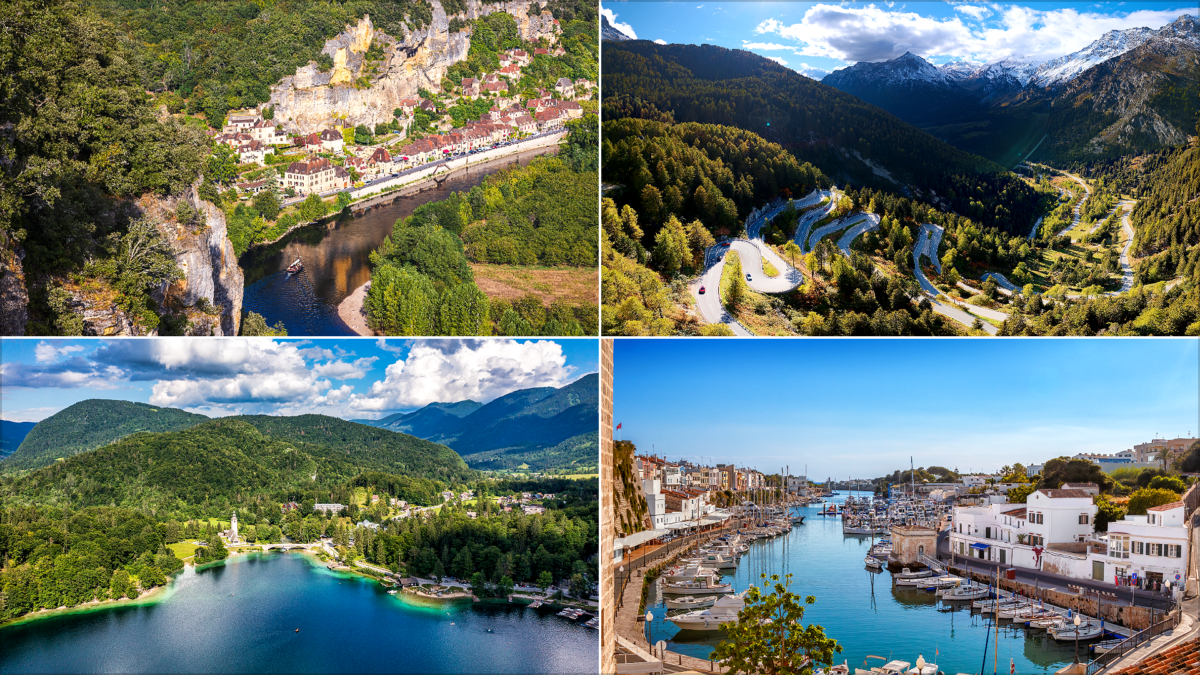
Europe in summer does not have to mean squeezing onto the same packed beaches, paying inflated resort prices, or joining a queue just to photograph a viewpoint. Some of the continent’s most memorable warm-weather destinations sit beyond the busiest coastal strips, offering quieter lakes, mountain trails, historic villages, local markets, and coves that require a little effort to reach.
That does not mean avoiding popular countries altogether. Spain, France, Switzerland, Slovenia, and Malta all become busy during summer, but choosing the right region can make a huge difference. Spain is seeing particularly strong interest this year, with our look at summer 2026 travel demand in Spain showing just how competitive accommodation and transport can become in the most popular areas.
The destinations below work well for travellers who still want sunshine and scenery without building an entire holiday around crowded resort promenades. Some are best for swimming, others for hiking, food, history, or simply slowing down for a few days.
European Summer Destinations at a Glance
| Destination | Best For | Ideal Summer Activity | Useful Tip |
|---|---|---|---|
| Menorca | Coves, markets, and relaxed island days | Walking to Cala Mitjana | Arrive early at beaches and markets |
| Lake Bohinj | Swimming, hiking, and Alpine scenery | Vogel cable car and lakeside walks | Carry cash for farm stands |
| Swiss Alps | Mountain trails and scenic rail journeys | Hiking above Lauterbrunnen | Pack layers even in midsummer |
| Dordogne Valley | Markets, medieval villages, and river trips | Canoeing or taking a gabarre boat | Visit popular villages before mid-morning |
| Malta | History, food, and coastal walks | Exploring Valletta and Mdina | Consider travelling before peak summer |
Menorca for Quiet Coves and Easy Island Days
Menorca feels noticeably calmer than its larger Balearic neighbours. It still has lively towns, busy beaches, and a strong summer atmosphere, but the island is easier to explore at a slower pace than many of Spain’s headline resort destinations.
Mahón is a good starting point. Its natural harbour stretches for several kilometres, while the streets around Plaça de la Constitució are filled with cafés, shops, and a busy fish market. Visit in the morning before the heat builds, then walk down toward the waterfront for views across the harbour.
Ciutadella has a different character, with narrow lanes, sandstone buildings, and a compact old port below the historic centre. Around Plaça des Born, you can wander without a strict plan, stopping at small squares before following the streets downhill toward the marina.
Securing a private Menorca villa rental allows for a more flexible itinerary, particularly if you want to reach beaches away from the main hotel areas. Cala Mitjana involves a woodland walk of around twenty minutes, while Cala Pregonda is known for reddish sand, rocky surroundings, and shallow water.
Menorca also suits anyone looking beyond the island’s most famous coves. Es Mercadal’s weekly market is a useful place to find local cheese, handmade leather sandals, and island honey. Parking becomes limited during August, so arriving early is worth the effort.
Beach lovers planning a wider European trip may also find inspiration in our guide to the best golden sand beaches in Europe, which includes several options for building a longer coastal itinerary.
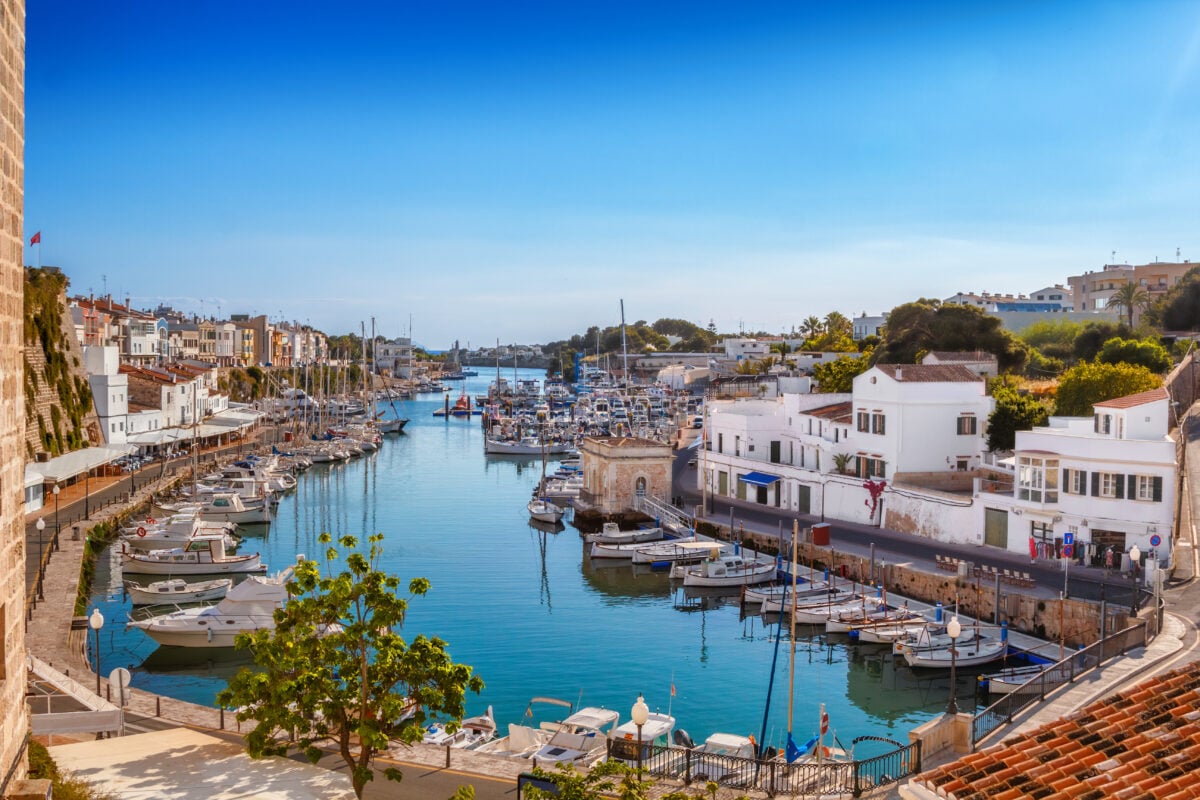
View on old town Ciutadella sea port on sunny day, Menorca island, Balears, Spain.
Lake Bohinj for Swimming and Alpine Scenery
Lake Bohinj is often described as the quieter alternative to Lake Bled, but it deserves more than being treated as a backup plan. Surrounded by the Julian Alps, it offers swimming, kayaking, walking trails, waterfalls, and easy access to higher mountain viewpoints.
The main road follows the southern shore and connects small settlements including Ribčev Laz and Ukanc. Traditional guesthouses and apartments are scattered around the lake, giving visitors several options beyond staying in a large resort hotel.
You can rent a wooden rowing boat, take a passenger boat across the lake, or ride the Vogel cable car from Ukanc. The cable car is particularly useful for seeing the surrounding peaks without committing to a full-day mountain hike.
The walk to Savica Waterfall is one of the area’s most popular outings. It includes more than five hundred stone steps through woodland and ends at a viewing platform overlooking the emerald source pool. Starting early means cooler conditions and fewer people on the narrower sections of the route.
Small farm shops and roadside stalls around Ribčev Laz and Stara Fužina sell Mohant cheese, blueberries, honey, and other regional products. Some operate with limited hours or accept cash only, so it helps to carry a few euros rather than relying entirely on cards.
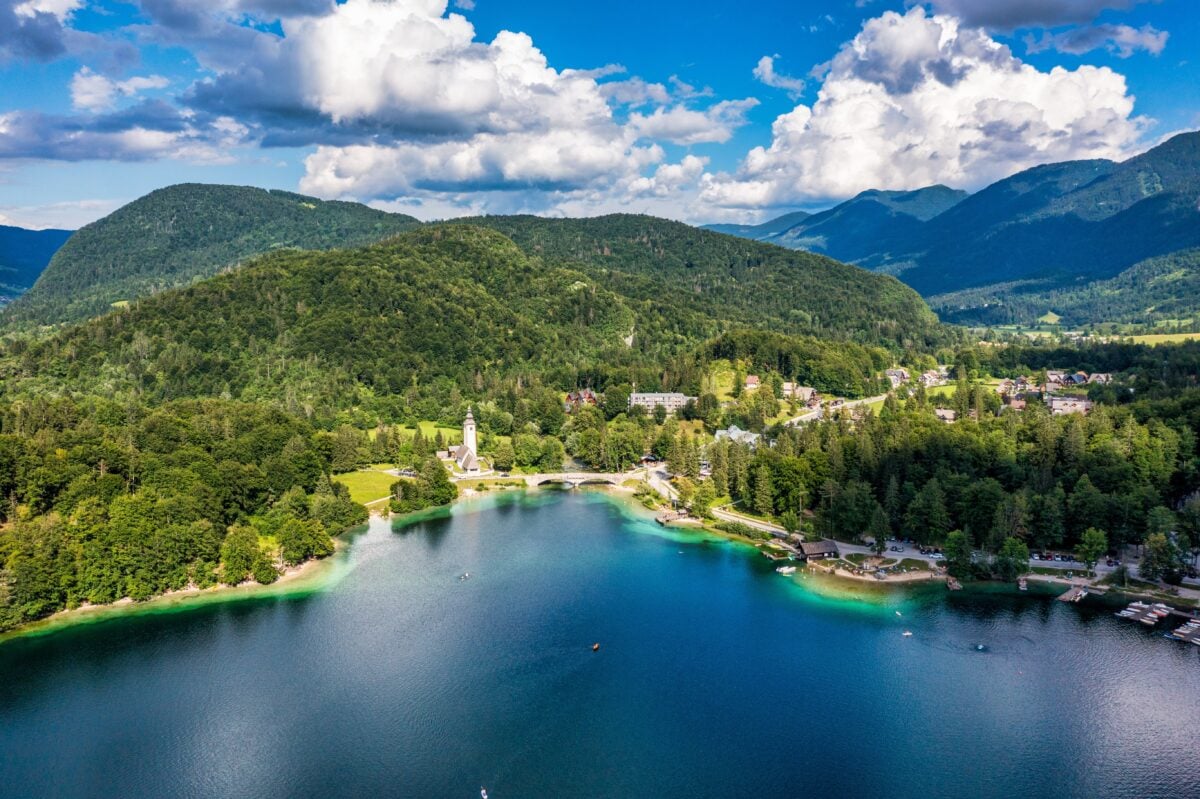
Aerial view of Bohinj lake in Julian Alps. Popular touristic destination in Slovenia. Bohinj Lake, Church of St John the Baptist. Triglav National Park, Julian Alps, Slovenia.
Switzerland’s Alpine Passes for a Cooler Summer Escape
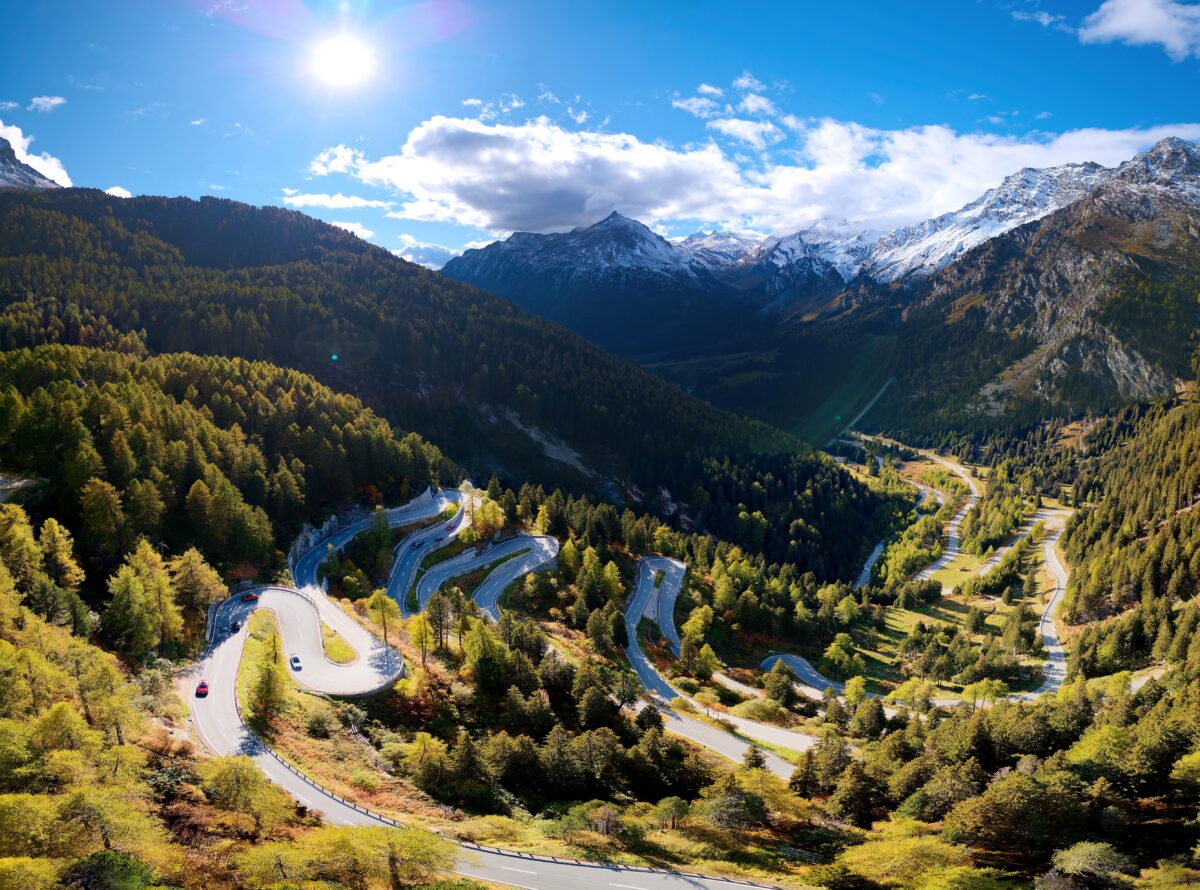
A mountain holiday can be a welcome change when Europe’s southern beaches become crowded and extremely hot. The Swiss Alps provide waterfalls, glacial lakes, cable cars, mountain railways, and well-marked walking routes, all with generally cooler temperatures than the Mediterranean coast.
Lauterbrunnen Valley is one of the most striking places to stay, with steep cliffs rising on both sides of the village and waterfalls dropping toward the valley floor. Kandersteg is another practical base, particularly for trips to Lake Oeschinen and the surrounding hiking trails.
Choosing dedicated walking holidays in the Alps opens up remote high-altitude routes that many summer travellers entirely miss. Switzerland’s mountain rail and cable car network also makes it possible to reach elevated viewpoints without spending hours driving along winding roads.
The journeys are often part of the experience. Trains and cable cars climb from green valleys toward viewpoints overlooking the Eiger, Mönch, Jungfrau, and surrounding peaks. From the upper stations, marked paths lead through meadows, beside glacial lakes, and past working mountain farms.
Summer weather can change quickly at altitude, even when the valley below is warm and sunny. A few items are particularly useful:
- A lightweight waterproof jacket
- A warm layer for cable cars and exposed viewpoints
- Comfortable walking shoes with reliable grip
- A refillable water bottle
- Cash for small mountain huts and honesty stalls
Our guide to summer travel items worth packing also covers practical additions that are useful when moving between hot valleys, cooler trails, and changeable mountain conditions.
Food is another reason to slow down. Mountain huts across the Bernese Oberland serve rösti, soups, cheese dishes, and fruit tarts on outdoor terraces. Small stands selling Alpkäse also appear beside rural paths, sometimes using an honesty box instead of a staffed counter.
The Dordogne Valley for Medieval Villages and River Trips
The Dordogne Valley replaces the standard beach itinerary with medieval villages, limestone cliffs, castles, markets, and slow journeys along the river. Sarlat-la-Canéda makes a convenient base, with plenty of accommodation and easy road access to surrounding towns.
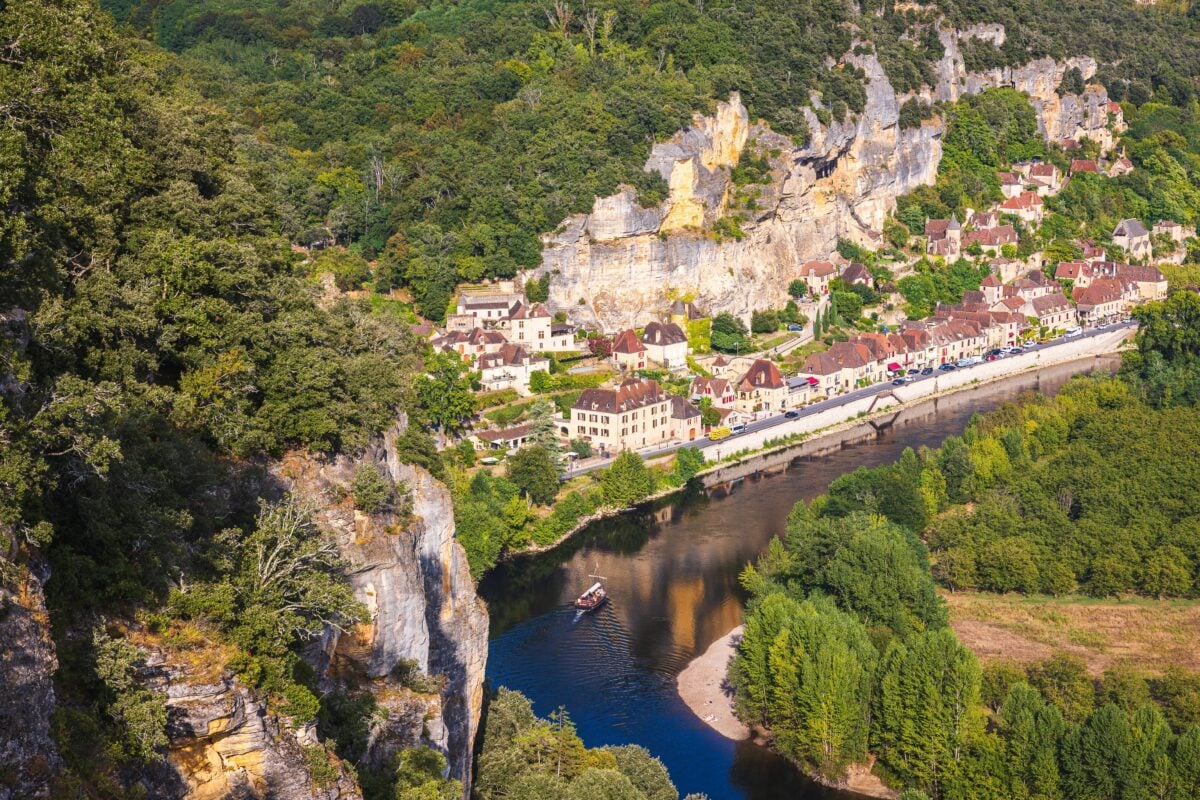
Beynac-et-Cazenac climbs steeply from the river toward its fortified château, while La Roque-Gageac sits between the water and a dramatic cliff face. Both are beautiful, but they become busy during summer afternoons. Visiting before the coach tours arrive makes the narrow streets much easier to enjoy.
The climb to Château de Beynac rewards you with increasingly wide views across the Dordogne. From the upper ramparts, you can see the river curving through the valley below, with canoes and traditional boats moving between the villages.
Sarlat’s Saturday market remains one of the best places to try regional produce, including duck confit, walnuts, goat cheese, strawberries, and pastries. Arriving before 8:30 am gives you a better chance of finding parking outside the medieval centre.
For a slower afternoon, hire a canoe or join a traditional gabarre boat trip from La Roque-Gageac. Seeing the castles and cliffside villages from the water offers a completely different perspective and requires considerably less effort than climbing another hill in the midday sun.
The Marqueyssac Gardens, located in the town of Vézac, in the Dordogne department of France, in the Nouvelle-Aquitaine region.
Malta for History, Coastal Walks, and Early Sunshine
Malta is not exactly undiscovered, especially during July and August, but timing your visit carefully can make the island feel very different. Its southern Mediterranean location means warmer weather often arrives earlier than in much of mainland Europe.
Travelling in spring or early summer gives you more comfortable conditions for exploring Valletta on foot. Republic Street, the Upper Barrakka Gardens, and the steep lanes leading toward the harbour are far easier to enjoy before the strongest summer heat arrives.
Planning and looking into travel guides that highlight what to do in Malta in March helps you design an itinerary centred around historic sites, coastal walks, outdoor dining, and quieter public spaces while much of northern Europe is still cold.
Mdina is particularly atmospheric during the quieter months. Its narrow limestone streets, enclosed courtyards, and old city walls can feel crowded during peak excursion times, so arriving early or staying until late afternoon usually provides a calmer experience.
Marsaxlokk’s Sunday fish market is another popular stop. Go early to browse the stalls before tour groups arrive, then continue along the southern coast for waterfront views and swimming spots. Malta’s rocky shoreline is very different from the broad sandy beaches found elsewhere in Europe, so water shoes can be useful.
How to Make a Quieter European Summer Trip Work
Choosing a less obvious destination helps, but timing and planning matter just as much. A quiet cove can still become crowded at noon, and a small village market can become difficult to navigate once the day-trip buses arrive.
- Start early: Beaches, markets, waterfalls, and old towns are usually calmest before 10 am.
- Stay overnight: Villages often feel completely different after day visitors leave.
- Carry some cash: Farm stalls, mountain huts, and small market traders may not accept cards.
- Check transport schedules: Rural buses, ferries, and cable cars may operate less frequently outside peak hours.
- Pack for the landscape: Walking shoes, a reusable water bottle, sun protection, and an extra layer cover most of these destinations.
Swimming also requires a little local research. Sea conditions, lake access points, water temperature, and safety facilities vary considerably. For a UK-based alternative, our guide to Scotland’s best wild swimming spots offers ideas for planning a summer dip closer to home.
Which European Destination Should You Choose?
Choose Menorca if you want beaches, markets, and the freedom of exploring by car. Lake Bohinj is better suited to swimming, kayaking, and accessible Alpine scenery, while Switzerland works well for travellers who want longer hikes, mountain railways, and cooler temperatures.
The Dordogne Valley is the strongest option for medieval villages, regional food, and relaxed river trips. Malta offers a useful combination of history, sunshine, and coastal scenery, particularly when visited before the busiest part of summer.
None of these places is completely crowd-free, and that is not really the point. The advantage is having more than one way to spend the day. You can visit a market in the morning, follow a woodland trail before lunch, swim in the afternoon, and finish the evening in a village square or beside a quiet harbour.
A memorable European summer does not have to be measured by how many famous landmarks you manage to fit into one itinerary. Often, it is the smaller moments that stay with you: finding a quiet section of shoreline, eating local cheese beside a mountain trail, or watching the evening light settle across an old stone town.
