
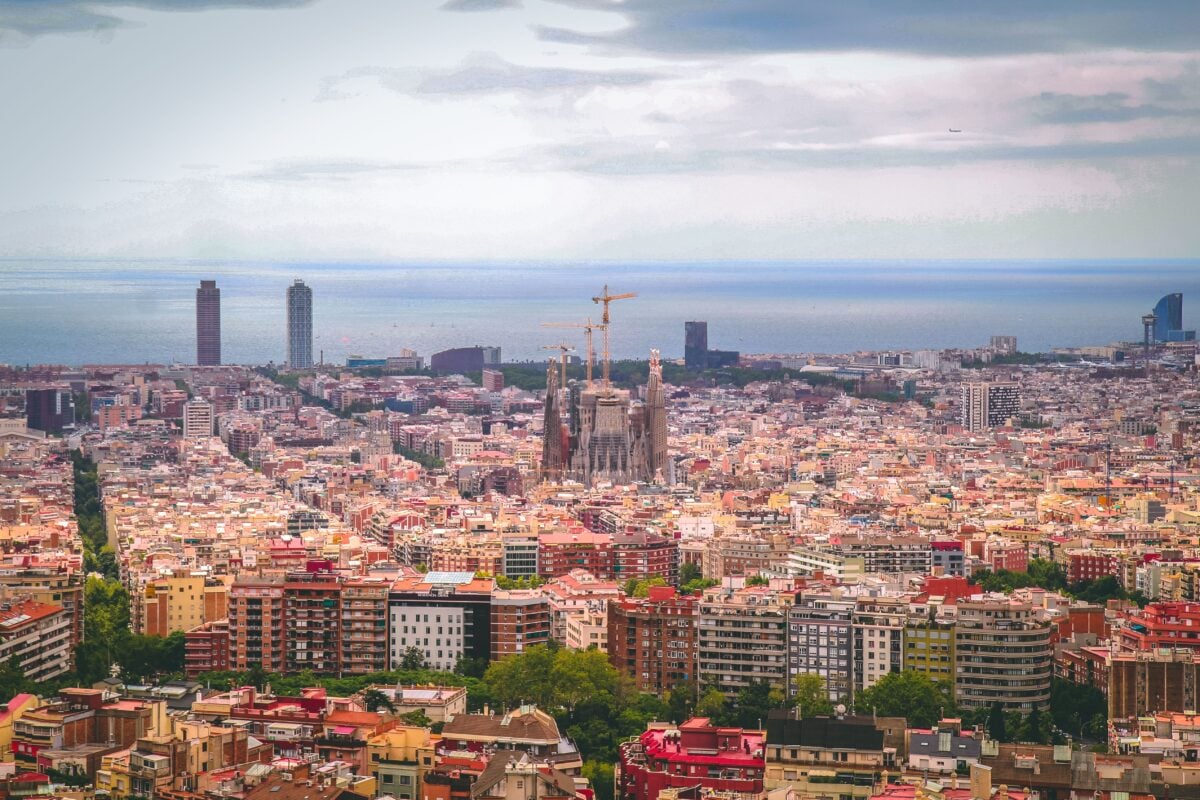
Spain is winning the summer travel popularity contest in 2026, and it is doing it ahead of two heavyweights that usually dominate bucket lists: France and Italy.
Fresh travel-intent data places Spain at No. 1 worldwide for summer demand so far in 2026. For budget travelers, that means two things at once: loads of reasons to go, and a louder warning to plan smart before the crowds, heat, and rising local restrictions catch up with you.
The appeal is not hard to decode. Barcelona, Madrid, and Spain’s beach cities keep pulling global attention, while the country’s record visitor numbers show this is not just hype. It is a full-scale rush.
Why Spain Is Outpacing France And Italy In 2026
A June 2026 summer travel report from international eSIM provider Holafly ranked Spain as the top trending destination globally. The ranking was based on measured travel intent from a preseason survey of 3,048 travelers across multiple markets, conducted in May 2026.
The company said it used an independent research platform, Prolific, to recruit respondents rather than relying on its own customer base. The idea was to reduce self-selection bias and get a broader snapshot of who plans to travel where.
This is not a one-week blip, either. Spain also held the top spot in the same company’s summer 2025 ranking, suggesting the country is not merely having a good month. It is on a sustained run.
That momentum sits on top of a huge tourism base. Spain logged a record 96.8 million foreign visitors in 2025, making it one of the most visited countries on the planet. France remains the world’s most-visited country overall, helped by roughly 100 million visitors in 2024, while Italy also remains hugely popular. Still, in this early 2026 read on summer demand, Spain is ahead.
Barcelona And Madrid Are Doing A Lot Of The Heavy Lifting

Spain’s two biggest cities both placed strongly in this year’s city rankings tied to travel mentions. Barcelona ranked No. 10 and Madrid ranked No. 16.
Barcelona drew strong interest for European city breaks, while Madrid had particular pull for Latin American travelers, helped by shared language and cultural links. That tracks with how both cities function in real life: one leans beach-meets-architecture, the other wins on museums, food, nightlife, and classic big-capital energy.
Barcelona is already Spain’s biggest magnet for international visitors. The city received 13.4 million international visitors in 2025, which is a huge number for a place that can already feel full by mid-morning in peak season. Charming, yes. Elbow room, not always.
Why Barcelona Keeps Pulling Crowds
Part of Spain’s 2026 draw may be tied to renewed attention on Sagrada Familia, Barcelona’s most famous landmark. The basilica’s main church tower has been completed, adding another milestone to a project that has been under construction since 1882.
The timing matters. In June 2026, on the 100th anniversary of Antoni Gaudí’s death, Pope Leo XIV visited Barcelona to bless the basilica. It is now described as the world’s tallest church. For travelers who like a major cultural sight with a side of historical drama, that is hard to ignore.
Even without the latest construction milestone, Barcelona has long had an easy sales pitch. The city combines Gaudí architecture, Mediterranean beaches, and dense historic neighborhoods in a way few urban destinations can match.
There is also more to do than ticking off one headline attraction. Travelers can spend time in:
- The Gothic Quarter for medieval streets and old-city atmosphere
- The Palace Of Catalan Music for stained glass, mosaics, and another UNESCO-listed stop
- Playa De La Barceloneta for a city beach break with Olympic-era history behind it
That mix helps explain why Barcelona keeps drawing first-timers and repeat visitors alike. It is one of those cities that can be a culture trip, a beach trip, or a sleep-very-little weekend. Sometimes all three, which is either efficient or a terrible idea depending on your hostel bunk situation.
Madrid’s Travel Surge Is Not Just About Museums
Madrid is having a strong year too. More than 100,000 travelers voted it the top destination on the European Best Destinations 2026 list, adding another sign that Spain’s capital is riding serious momentum.
One major draw is the city’s Landscape Of Light, the museum corridor where the Museo Prado, Reina Sofía, and Thyssen-Bornemisza sit in close reach of one another. For travelers trying to squeeze maximum value from a few days, that kind of clustering is gold. Less transit time, more actual seeing-things time.
Madrid also gets attention for flamenco. The city has been promoted as the birthplace of the tablao flamenco, with venues including 1911, which describes its show as the world’s oldest, and Essential Flamenco, where performances take place up close in a brick cave setting.
For budget-conscious travelers, Madrid has another advantage. It often gets overshadowed by Barcelona in mainstream trip planning, which can make it feel like the slightly less obvious choice even when demand is rising fast. Usually, the less obvious choice is where your wallet breathes a little easier. Usually.
Spain’s Coastal Hotspots Are Still Pulling Massive Demand
Spain’s summer popularity is not just a two-city story. Beach destinations remain a huge part of the draw, especially along the Mediterranean coast.
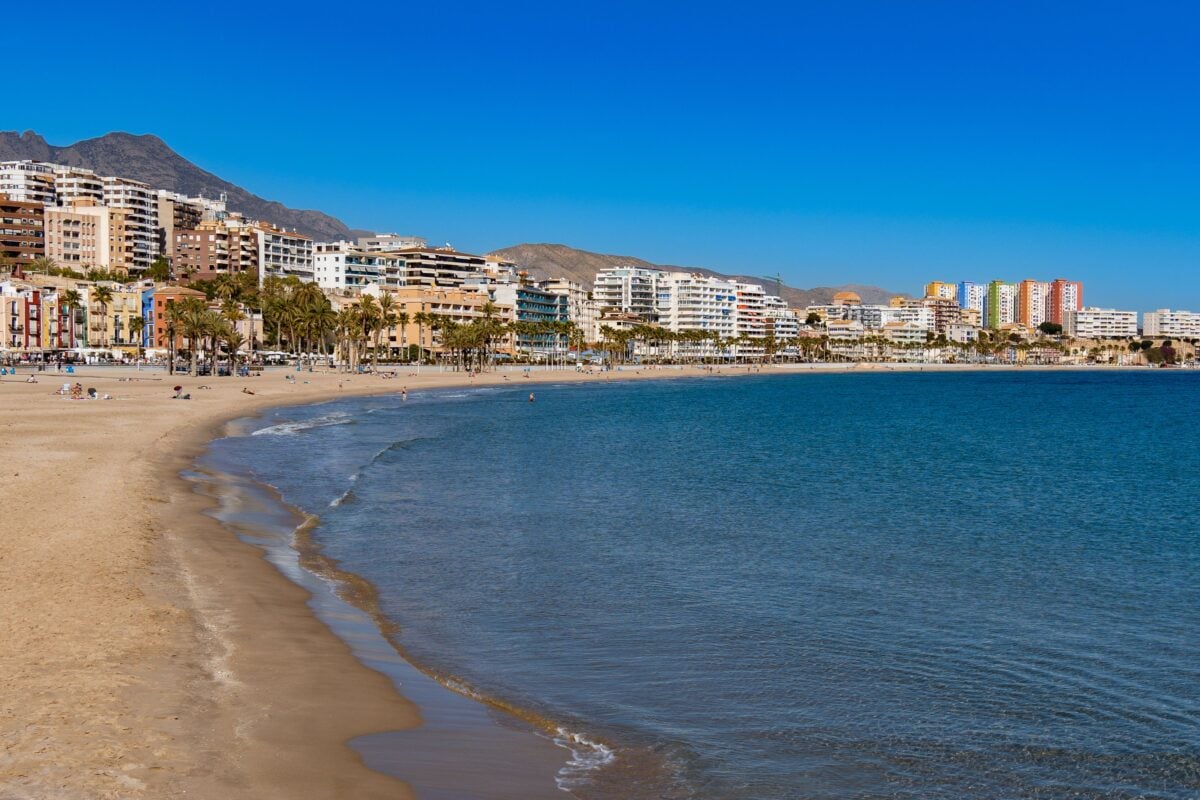
In Benidorm, a resort city in Alicante province, summer crowds can swell to five times the local population. That tells you nearly everything you need to know about the scale of seasonal demand. If you want quiet authenticity in August, this is your cue to keep scrolling.
Interest from British travelers has also been strong. In the Summer Travel Index 2026, Spain dominated the top 10 trending European destinations for UK travelers based on year-over-year growth. Places highlighted included:
- Alicante
- Malaga
- Playa De Palma
- Sitges
That spread matters because it shows Spain’s demand is broad, not concentrated in one capital city or one iconic monument. The country is pulling beachgoers, city-break travelers, culture fans, and short-haul European holidaymakers all at once, much like the wider patterns showing up in record demand for other European summer destinations.
What Budget Travelers Should Watch Before Booking Spain
Popularity is great until it starts messing with the basics. In Spain, overtourism is no longer an abstract complaint. It is shaping local policy, accommodation rules, taxes, and the day-to-day experience visitors can expect.
Recent years have brought anti-tourism protests in parts of Spain, including signs telling tourists to go home and headline-grabbing demonstrations using water guns on visitors. The message from some residents is blunt: tourism demand is straining housing and everyday life.
The national and local response has started to bite. Barcelona doubled its tourist tax in April 2026, and hotel guests can now pay up to $17.60 more per night. For backpackers and long-stay travelers, that is not pocket change. It can be the difference between one extra museum ticket and one less round of tapas.
Short-term rental rules are tightening too. Barcelona, Madrid, Alicante, and Malaga have all introduced restrictions on holiday lets, including the kinds of short-stay properties often listed on Airbnb. That could mean:
- Fewer low-friction rental options
- Higher prices during peak periods
- More pressure on hotels, hostels, and legal guesthouses
- A need to book earlier than you might have in previous summers
Barcelona has also taken crowd-management steps around Sagrada Familia. In 2025, city officials began work on a planned selfie zone outside the church in response to a dangerous social media trend involving tourists in the area.
For travelers trying to cut costs without making life harder, this is the kind of trip where packing lighter and moving faster actually helps. A decent carry-on backpack for travel matters more when you are changing cities, dodging afternoon heat, and dealing with tighter accommodation choices.
Spain’s 2026 Heatwave Adds Another Layer
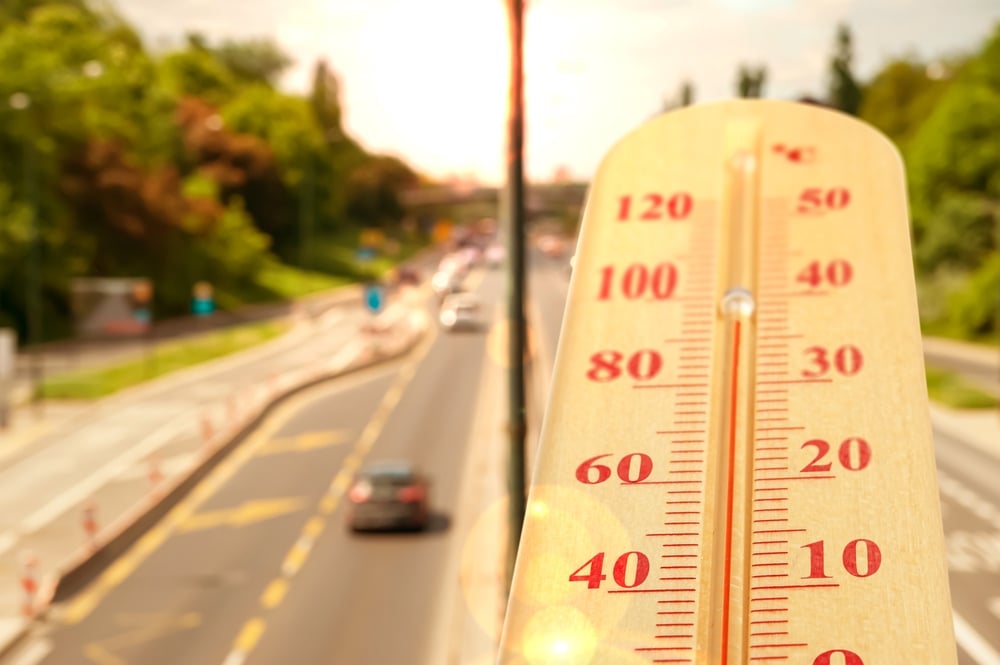
There is also the weather. Spain is dealing with a record-breaking summer heatwave in 2026, which is not exactly ideal if your dream trip involves all-day city walking with a backpack that seemed lighter at home.
Heat changes how a cheap trip works. It can push travelers toward paid indoor attractions, more taxis or transit, more water stops, and mid-afternoon downtime instead of endless wandering. None of that ruins a trip, but it does affect budgets and pace.
If Spain is on your shortlist this summer, the practical play is simple:
- Book accommodation earlier, especially in Barcelona and coastal hotspots
- Budget for higher local taxes, particularly in Barcelona
- Expect crowds at big-name landmarks
- Plan outdoor sightseeing for mornings or evenings during extreme heat
- Look beyond one headline city if flexibility matters more than bragging rights
Small survival detail, but useful: if you are trying to avoid buying bottled water all day, check where tap water in Spain is fine to drink before you land. In a hot, crowded summer, that adds up fast.
Why Spain Still Looks So Strong Despite The Pushback
Spain’s popularity is not hard to explain. It offers a lot of the stuff travelers chase most: sun, beaches, big-city culture, historic architecture, and strong transport links. It works for short breaks, long summer holidays, and multi-stop Europe trips.
It also benefits from range. A traveler can pair Barcelona’s modernist landmarks with beach time, then head to Madrid’s museum district, or skip both and build a coast-first trip through places like Alicante, Malaga, Sitges, or Playa de Palma.
That flexibility is part of the secret. Spain can be a classic first Europe trip, a repeat city break, or a cheap sun escape, depending on how you build it. Not many countries cover all three without trying too hard. The bigger trend also fits with global travel demand being pushed by culture, events, and city breaks, which Spain currently has in ridiculous supply.
Spain’s Travel Boom Comes With A Catch
Spain is the most in-demand summer destination in the world so far in 2026, beating out France and Italy in early travel-intent rankings and building on record visitor numbers from 2025.
That is the headline. The fine print is just as important. High demand brings higher pressure, from bigger crowds and tighter rental rules to added taxes and serious overtourism tension in some cities.
For travelers, especially the budget-minded sort, the takeaway is not to avoid Spain. It is to go in with your eyes open. The country still offers huge value in experience, but it is no longer the easy, under-the-radar option. Then again, with nearly 96.8 million foreign visitors in a year, that ship sailed a while ago.