
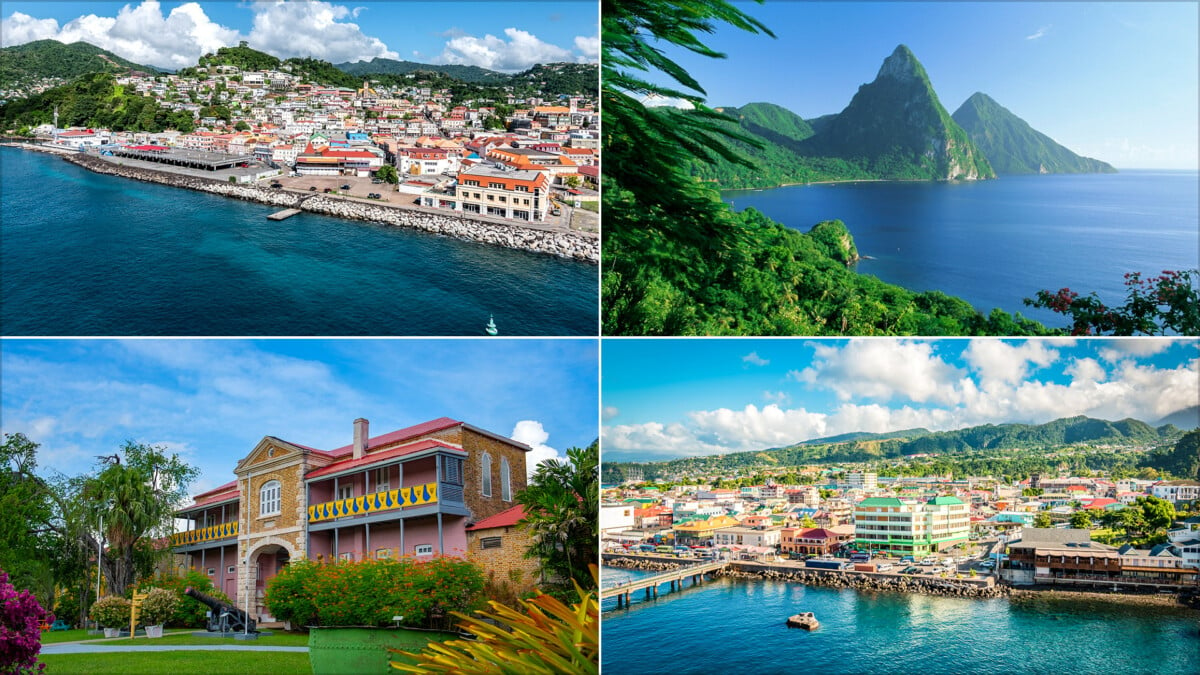
Caribbean travel marketing frequently focuses on the same familiar images of white sand and sparkling blue water. Whilst beautiful, that focus can overlook the region’s distinctive geology, complex colonial history and varied ecosystems. Independent travellers looking beyond resort areas will find active volcanic landscapes, islands divided between different countries or territories, and strong local culinary identity.
Moving between these islands reveals major differences in topography, local infrastructure and daily life. Understanding these characteristics helps visitors choose destinations for their terrain, history and culture, not just their beaches. Those still deciding where and when to travel can also explore the best Caribbean islands to visit in October or compare the best Caribbean islands for families. Here’s a closer look at five islands that show how much variety exists across the Caribbean.

Grenada: Home to an Underwater Sculpture Park
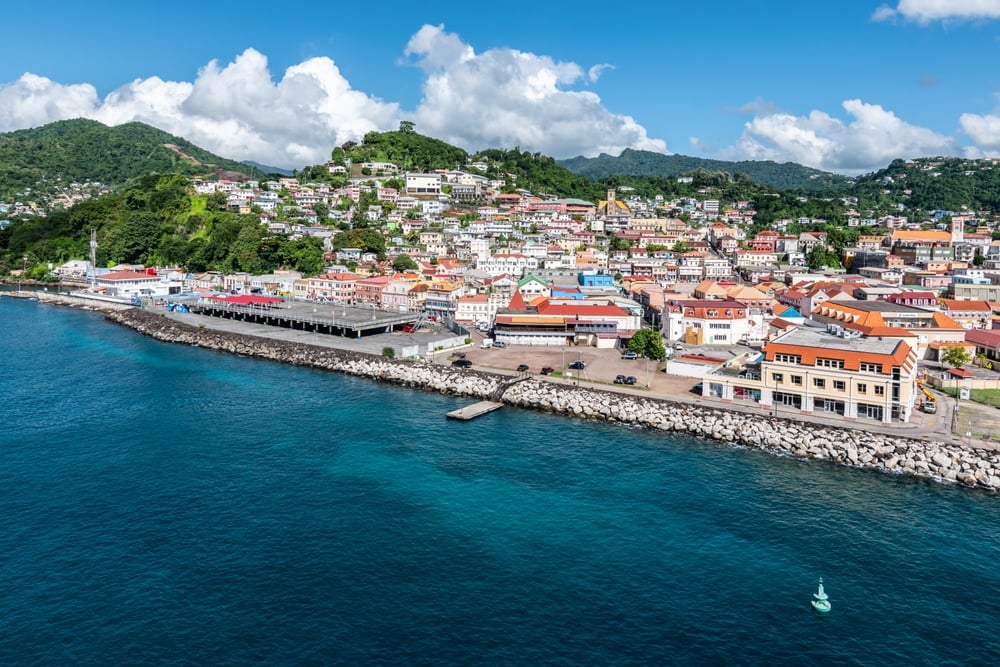
Molinere Bay sits north of Grenada’s capital, St George’s, and is home to the world’s first underwater sculpture park. Artist Jason deCaires Taylor established the installation in 2006 within the Molinere Beauséjour Marine Protected Area. Its 75 works sit between five and eight metres below the surface, creating new surfaces where marine life can grow.
Notable works include Vicissitudes, depicting a circle of children holding hands, and The Lost Correspondent. Snorkellers can reach the site on short boat trips from Grand Anse or St George’s. Grenada also appears on multi-island routes, making it a useful starting point for browsing small ship Caribbean cruises that include the southern Caribbean.
Beyond its submerged art, Grenada has a long association with nutmeg, mace, cinnamon and cocoa. At Belmont Estate in St Patrick parish, visitors can learn how cocoa is grown, fermented and dried before being made into chocolate on site.
St Lucia: Twin Peaks That Rise Straight from the Sea
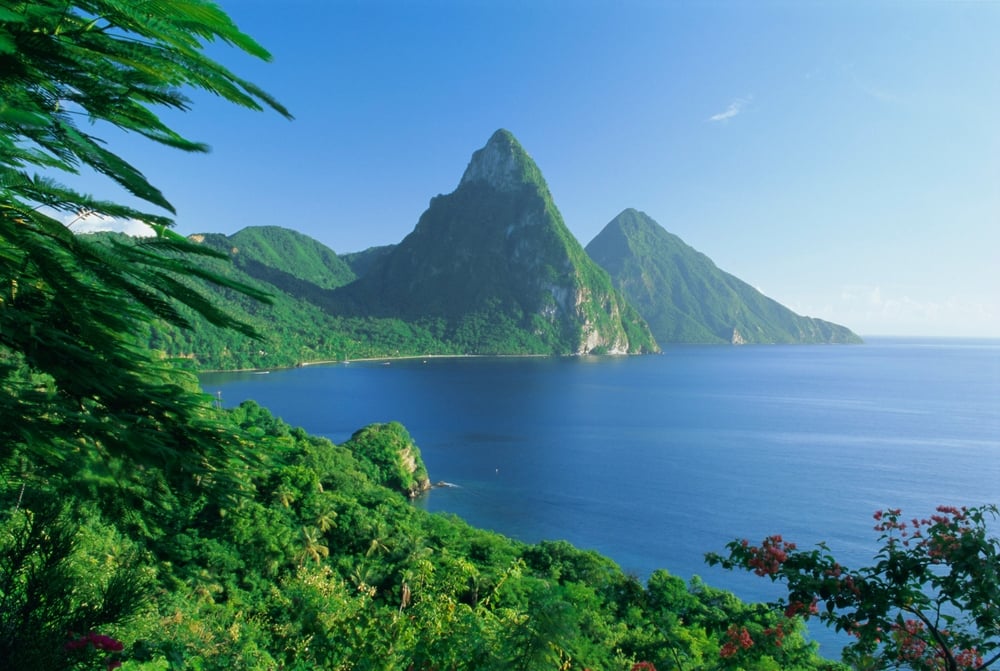
St Lucia’s southwest coastline near Soufrière features two steep volcanic peaks rising directly from the Caribbean Sea. Gros Piton reaches around 770 metres above sea level, while its steeper neighbour, Petit Piton, stands at 743 metres. The peaks are remnants of volcanic lava domes within the Soufrière Volcanic Centre and form part of the Pitons Management Area, which gained UNESCO World Heritage status in 2004.
Climbing Gros Piton takes around four to six hours for the return journey, with the trail beginning near the community of Fond Gens Libre. A certified local guide is required for the steep, rocky route. The climb passes through forested volcanic terrain before reaching viewpoints across the surrounding coastline.
Just east of the peaks lies Sulphur Springs, an active geothermal area with steaming vents, bubbling pools and hot springs. Visitors can also use the nearby volcanic mud baths, where the naturally heated water can reach around 45°C.
St Martin: One Island Split Between Two Countries
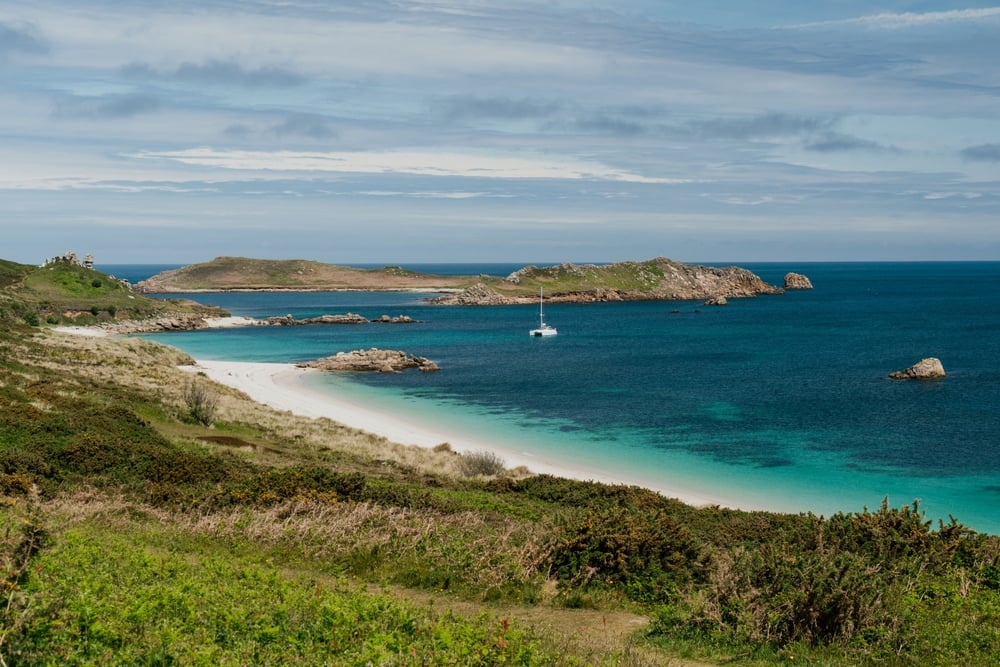
Covering around 37 square miles, St Martin is divided between French Saint-Martin in the north and Dutch Sint Maarten in the south. The Treaty of Concordia established the division in 1648, and today there are no passport checkpoints when travelling between the two sides. A border monument on Union Road marks where one territory ends and the other begins.
Each side has its own character and administration. Dutch Sint Maarten is home to Princess Juliana International Airport and the cruise port at Philipsburg, while the French side has Marigot, with its open-air market and Fort Louis overlooking the town.
In the northern village of Grand Case, open-air barbecue stands known as lolos serve grilled fish and other Creole dishes alongside French restaurants. Self-catering stays are also spread across the French side, particularly around Terres Basses and Anse Marcel, two useful areas for browsing Saint Martin vacation rentals. Staying on the island makes it possible to move between the French and Dutch sides on the same day.
Barbados: The Island That Claims to Have Invented Rum
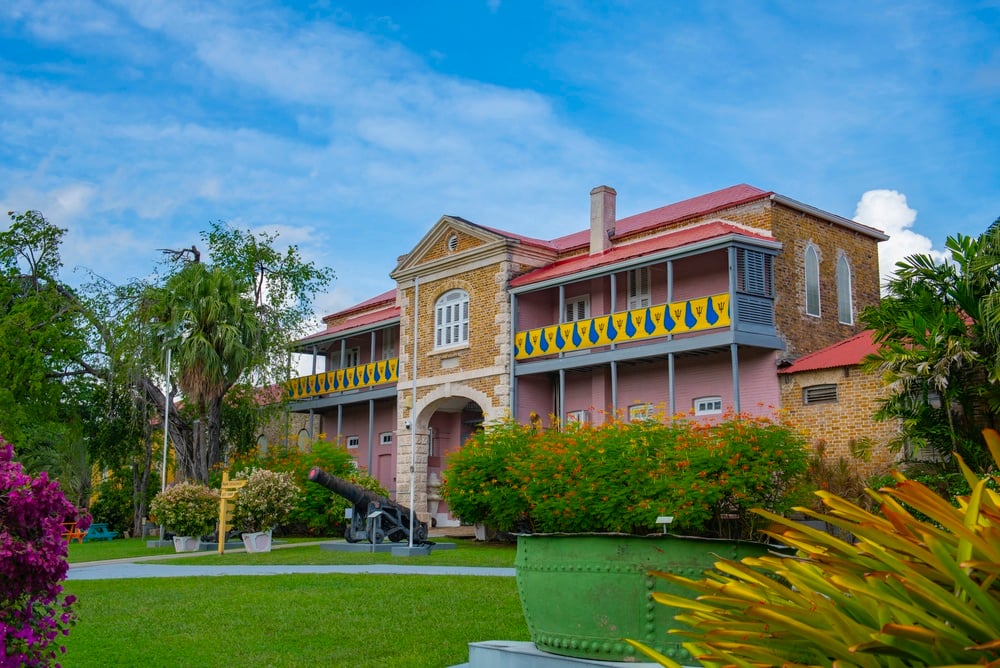
Barbados has one of the Caribbean’s longest rum-making traditions, with Mount Gay at the centre of that history. The distillery’s oldest surviving property deed dates to 1703, supporting its claim as the world’s oldest continuously operating rum distillery. Its rum is made from sugarcane molasses and water drawn from an artesian well beneath the estate, then distilled using copper pot and column stills before ageing in oak barrels.
Further inland, St Nicholas Abbey is a seventeenth-century Jacobean-style great house set within more than 400 acres. Its working steam mill operates during the sugarcane season, while rum is distilled and bottled on site. The heritage railway also runs through the grounds to Cherry Tree Hill, which overlooks Barbados’ rugged east coast.
Rum culture extends well beyond the distilleries. More than 1,500 rum shops are estimated to operate across Barbados, functioning as neighbourhood bars and social gathering places. John Moore Bar on the St James coast is one example, where rum is traditionally bought by the bottle and served with ice or mixers.
Dominica: A Boiling Lake You Can Hike To
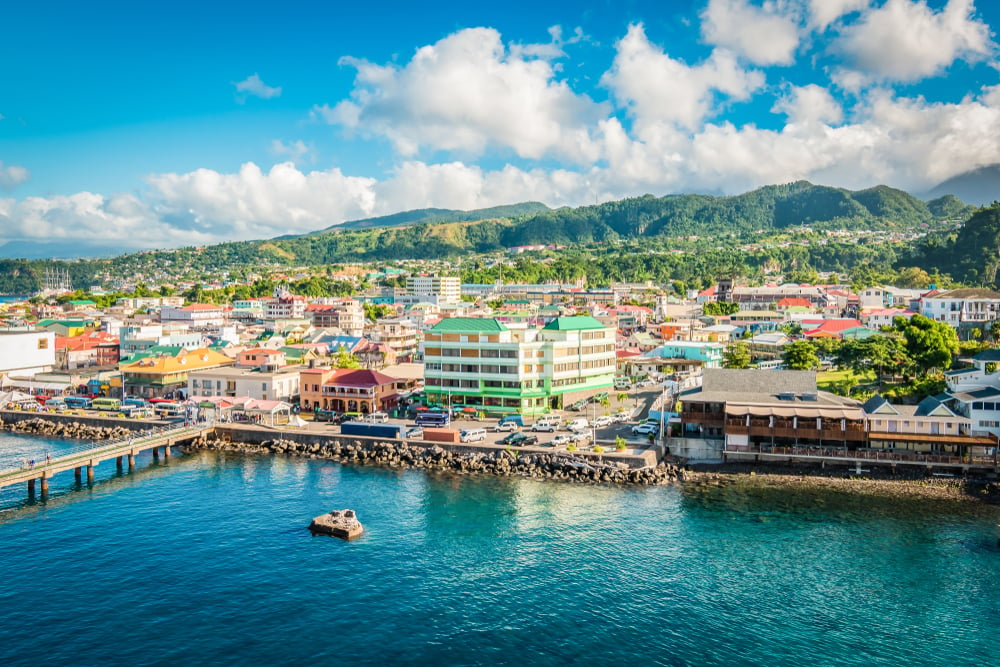
Dominica is home to the world’s second-largest boiling lake, located inside Morne Trois Pitons National Park. The flooded volcanic fumarole measures roughly 60 metres across, with grey-blue water heated by volcanic activity beneath the surrounding rock. Temperatures around the edges reach between 82 and 92 degrees Celsius, producing thick clouds of steam above the lake.
Reaching the site requires an eight-mile return trek starting near Titou Gorge and the mountain village of Laudat. Hikers climb through rainforest before descending into the Valley of Desolation, where sulphur vents, bubbling mud pools and heated streams replace the dense vegetation.
A certified local guide is needed for the challenging route, which takes around three to four hours each way, dependent on experience and conditions. Back at the trailhead, hikers can also swim through the narrow rock walls of Titou Gorge to a waterfall.
Which Caribbean island is calling you?
The Caribbean islands may share a tropical climate, but their geology, history and culture vary widely. A traveller interested in volcanic landscapes will plan very differently from someone drawn to historic rum distilleries, marine sites or an island divided between two countries. Looking at these specific features can help narrow down which destination fits the kind of trip you actually want.
Researching local trails, heritage sites and marine reserves before booking gives independent travellers a clearer idea of what each island involves beyond its beaches. The differences between them are what make the region worth exploring in more detail.
