
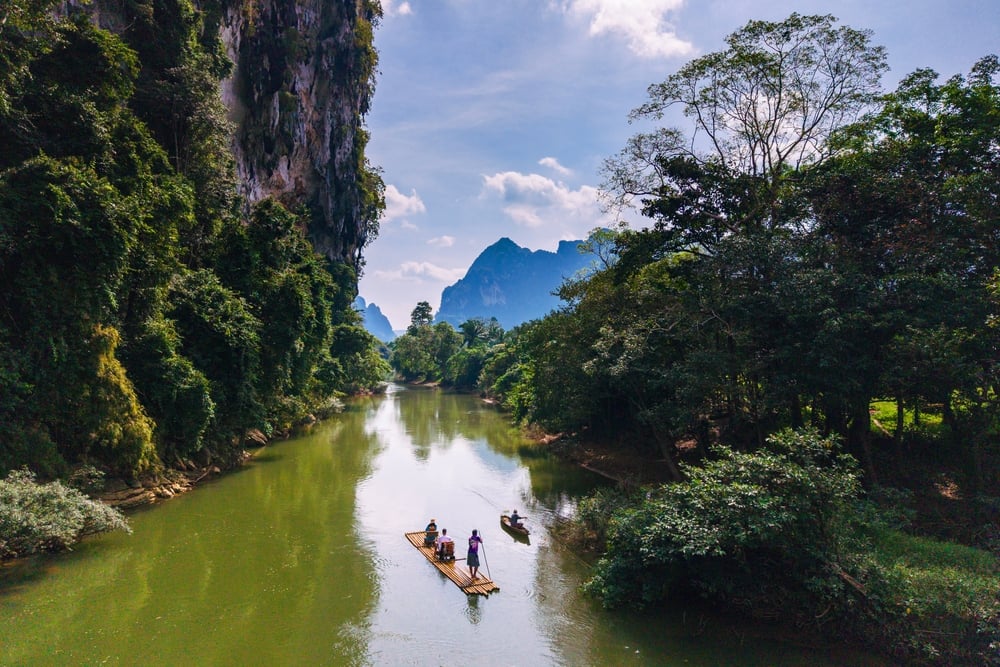
Leaving a freezing Scottish winter behind for a sun-soaked trip to Thailand in February is one of the best feelings in the world. While everyone back home in Edinburgh or Glasgow is scraping frost off car windscreens, huddling under heavy coats, and enduring five o’clock darkness, you could be stepping into 30°C sunshine, palm trees, and warm ocean breezes.
However, packing for the leap from sub-zero Scottish weather to tropical Southeast Asian heat can confuse even experienced travellers. If you pack as though you are heading into a mild summer in the Highlands, you may quickly become hot, uncomfortable, and stuck carrying a suitcase full of clothes you never wear.
This practical guide covers what to pack for Thailand in February, from breathable clothing and temple outfits to sun protection and the best way to dress for your flight from Scotland. For a printable overview of the essentials, you can also use our complete Thailand packing list and checklist.
Thailand Packing List at a Glance
February is generally one of the most appealing months to visit Thailand, but conditions can vary between Bangkok, the northern mountains, and the southern islands. This quick table provides a useful starting point.
| Category | What to Pack | Why You Need It |
|---|---|---|
| Everyday clothing | Loose T-shirts, linen shirts, shorts, dresses, and lightweight trousers | Breathable fabrics are more comfortable in the heat and humidity |
| Temple clothing | Shoulder-covering tops, long trousers, a maxi skirt, or a sarong | Visitors are expected to cover their shoulders and knees at many temples |
| Footwear | Slip-on sandals, lightweight trainers, and activity-specific shoes | Shoes are frequently removed, while sightseeing can involve long walks |
| Sun protection | SPF 50+ sunscreen, sunglasses, and a hat | The tropical sun can be intense, especially after a Scottish winter |
| Health essentials | Mosquito repellent, basic medication, and rehydration sachets | Useful for bites, stomach upsets, and dehydration |
| Travel layers | Packable jacket, comfortable trousers, and a light jumper | Keeps you warm during the Scottish departure and on air-conditioned flights |

Choose Light, Breathable Fabrics
February falls within Thailand’s dry season in many popular destinations. The weather is typically warm and sunny, with daytime temperatures often hovering around 28°C to 32°C. Humidity is also much higher than most visitors experience in Scotland, so thick cotton clothing and heavy denim can trap heat and stick to your skin.
Stick to lightweight, loose-fitting clothing that can be worn in different combinations:
- Linen and lightweight cotton: Pack loose button-down shirts, airy T-shirts, breathable shorts, and tops that do not cling to your body.
- Flowing dresses or linen trousers: These work well for warm evenings, beachside restaurants, and visits to local night markets.
- Moisture-wicking activewear: If you plan on going for morning runs, jungle treks, or playing a round with Sawadee Golf Thailand on one of the country’s world-class courses, technical golf polos and breathable athletic shorts are absolute essentials.
- Several changes of underwear: Thailand’s heat can make you want to change more frequently than you would at home. Quick-drying options are particularly convenient.
- One light cardigan or overshirt: Shopping centres, airports, long-distance buses, and trains can have surprisingly powerful air conditioning.
Leave heavy jeans, thick hoodies, and wool socks at home unless you need them for the journey to the airport. You are unlikely to wear them after landing in Bangkok or Phuket.
Pack for Your Thailand Itinerary
Your exact packing list should reflect where you plan to travel. A beach holiday in Phuket requires different extras from a trip through the mountains of northern Thailand.
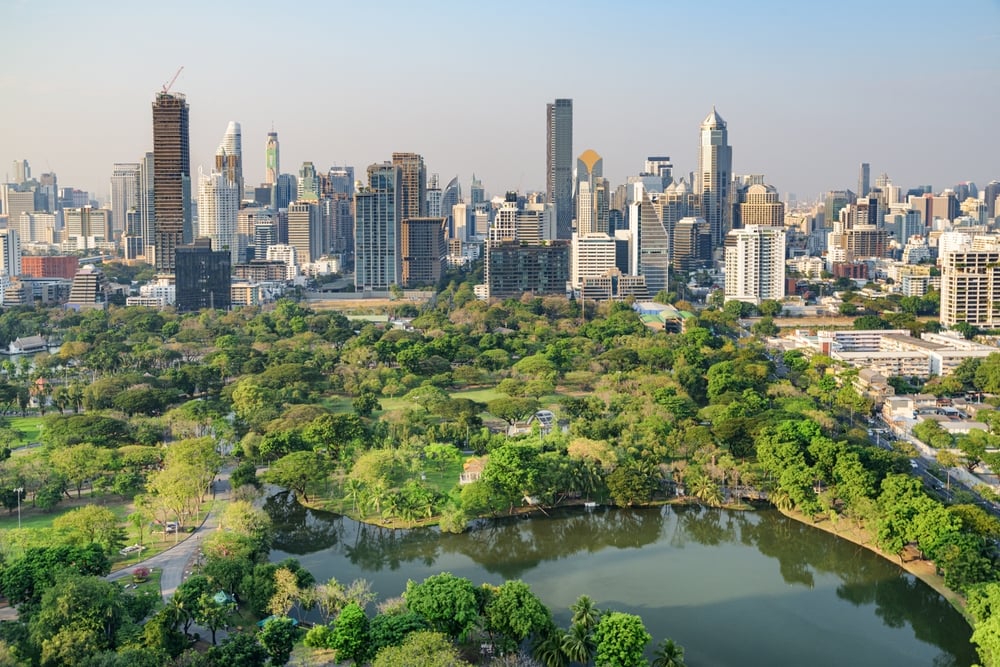
If you are still deciding where to go, our two-week Thailand itinerary combines major cities, cultural attractions, and island time. Travellers spending several days in the capital can also use our guide to Bangkok, Thailand to plan sightseeing, accommodation, and activities.
Those heading north should be prepared for cooler mornings and evenings, particularly in elevated areas. If the mountain town is on your route, our guide to visiting Pai in Thailand explains what to expect and how to make the most of your stay.
Depending on your plans, consider adding the following:
- For the islands: Two swimsuits, a beach cover-up, dry bag, and waterproof phone pouch.
- For northern Thailand: A thin jumper or light jacket for early mornings, evening scooter rides, and air-conditioned transport.
- For Bangkok: Comfortable walking shoes, a secure cross-body bag, and clothing suitable for temples and rooftop venues.
- For outdoor adventures: Quick-drying clothes, a reusable water bottle, and sturdy trainers with reliable grip.
Bring Temple-Appropriate Clothing
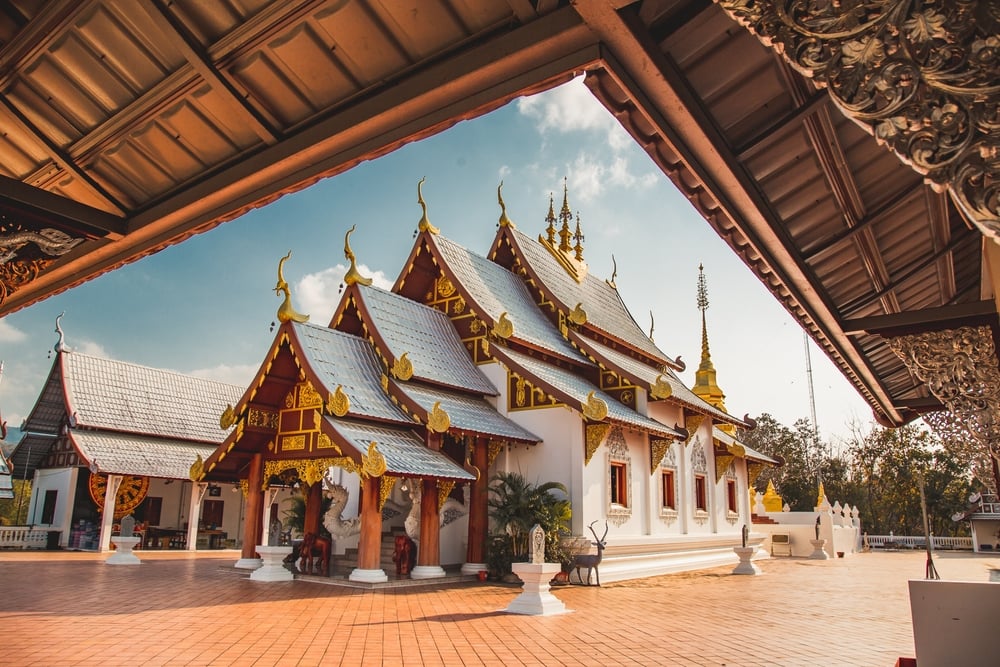
One of the highlights of visiting Thailand is exploring iconic Buddhist temples such as Wat Pho in Bangkok or Wat Chalong in Phuket. However, temples have dress codes that visitors are expected to respect. Shoulders and knees should be covered for both men and women, while tight activewear such as yoga pants may not be accepted inside sacred areas.
Instead of carrying heavy clothing all day, pack smart, versatile pieces that can be added to your outfit before entering a temple:
- A lightweight sarong or scarf: Women can wrap a sarong around the waist or use a large scarf to cover their shoulders.
- Light linen trousers or a long maxi skirt: These help you remain cool while meeting modesty guidelines.
- Short-sleeve cotton T-shirts: Keep a simple T-shirt in your daypack to replace or cover a vest top before entering temple grounds.
- Loose clothing for men: Lightweight trousers and a shirt that covers the shoulders provide a simple temple-ready combination.
It is also customary to remove hats and shoes before entering certain buildings. Watch what local visitors are doing and follow any signs or instructions given by temple staff.
Choose Footwear That Is Easy to Remove
In Thailand, you will be taking your shoes off regularly, not only when entering temples but also at some local shops, massage spas, private homes, and traditional guesthouses.
Bulky footwear that takes several minutes to lace up can quickly become annoying. A practical footwear selection includes:
- Quality slip-on sandals or flip-flops: Ideal for beach trips, short walks, and casual street-food stops. Look for footwear with decent cushioning and arch support.
- Lightweight trainers or canvas shoes: Wear these on travel days, during long airport walks, or while exploring urban areas where you may cover thousands of steps.
- Breathable golf shoes or trail runners: If your itinerary includes sport, hiking, or nature walks, bring comfortable closed-toe footwear suited to the activity.
- Blister plasters: Heat and perspiration can cause footwear to rub differently, even if the shoes are already broken in.
Avoid packing several pairs “just in case”. One pair of supportive trainers and one pair of comfortable sandals will cover most trips.
Prioritise Sun Protection
Coming straight out of a grey Scottish winter means your skin may not be prepared for intense tropical sunshine. You can burn quickly, including on overcast days and during boat journeys, so sun protection should be a priority.
Key items to pack before you fly include:
- Reef-conscious sunscreen with SPF 50+: Sunscreen is widely available in Thailand, but familiar imported brands can be expensive. Bring enough from home and check local rules concerning sunscreen ingredients if you plan to visit protected marine parks.
- Polarised sunglasses and a wide-brimmed hat: These help protect your eyes and face during boat trips, beach walks, and afternoon sightseeing.
- After-sun lotion: Even careful travellers can miss a spot when applying sunscreen. A small bottle of soothing lotion can make an accidental burn more comfortable.
- A reusable water bottle: Staying hydrated is particularly important when walking, playing golf, or spending long periods outdoors.
Pack Mosquito Repellent and Basic Health Supplies
Mosquitoes can be active around dawn and dusk, especially near vegetation and standing water. Bring repellent containing DEET or picaridin and apply it according to the product instructions. Local brands such as Soffell are easy to purchase, but carrying a small bottle in your hand luggage means you are protected on your first evening.
A compact travel health kit can also save you from searching for a pharmacy when you are tired or unwell. Useful items include:
- Any prescription medication in its original packaging
- Pain relief and antihistamine tablets
- Plasters, antiseptic wipes, and blister treatments
- Oral rehydration sachets
- Hand sanitiser and travel tissues
Keep important medication in your hand luggage rather than placing it in checked baggage. Travellers with medical conditions should also check Thailand’s current entry rules for controlled medicines before departure.
Use the Layering Trick for Your Flight
The hardest part of packing for this trip is managing the departure from Scotland. You cannot comfortably board a freezing morning flight out of Edinburgh, Glasgow, or Aberdeen in a vest top and flip-flops, but you also do not want to carry a massive winter parka around Thailand for two weeks.
The solution is to wear several light layers that can be removed and packed away:
- Wear a light fleece or packable down jacket: Choose an outer layer that compresses into a small pouch and fits inside your carry-on after landing.
- Wear comfortable joggers and trainers: Long flights are more comfortable when you are wearing soft, stretchable trousers rather than heavy jeans.
- Use a lightweight base layer: Wear a T-shirt underneath your jumper so you can remove the warmer layers during your connection or after arrival.
- Keep summer clothes in your hand luggage: Pack shorts, a fresh T-shirt, underwear, and sandals. You can change at Bangkok or Phuket Airport before stepping into the heat.
If someone is taking you to the airport, consider leaving your heaviest coat with them. Otherwise, use a lightweight jacket that will still be useful during cool flights, early starts, or visits to northern Thailand.
Do Not Overpack
Laundry services are easy to find in Thailand’s main tourist destinations, and many hotels offer washing services. Independent laundries may charge by weight, which makes it practical to pack for roughly one week and wash your clothes during a longer trip.
Before closing your suitcase, remove duplicate items and anything you are taking solely for an unlikely scenario. Leaving some spare room also gives you space for souvenirs, locally purchased clothing, or snacks for the journey home.
Ready for the Tropics?
Trading a chilly Scottish February for warm Thai sunshine is an incredible treat. By keeping your packing simple, choosing breathable fabrics, preparing respectful temple outfits, and bringing versatile footwear, you can stay cool and comfortable from the moment you arrive.
Pack light, keep your most important supplies in your hand luggage, and tailor the final list to the destinations and activities on your itinerary. That will leave you ready to enjoy Thailand without dragging unnecessary winter clothing across the country.
