
Whynot, North Carolina, sounds like a dare someone shouted across a porch, but it is also the kind of low-cost stop that budget travelers should pay attention to. The payoff is simple: handmade pottery, quiet roads, and a rural setting that feels refreshingly unbothered by tourism theater.
This tiny community south of Asheboro sits near Seagrove’s pottery country, where studio-hopping beats souvenir shopping and the roads are more pine-lined than polished. It is calm, rural, and gloriously short on fuss, which is exactly what makes it useful for a cheap North Carolina road trip.
For travelers watching the wallet, that is half the charm. You are not paying for hype. You are getting craft studios, scenic backroads, and nearby outdoor spots that make it easy to build a slow weekend without draining the gas money.
Where Whynot is and why people keep pulling over
Whynot is a small community in North Carolina, about 20 minutes south of Asheboro and roughly 2 miles from Seagrove. It sits along SR 705, better known as the North Carolina Pottery Highway, which is basically the region’s open invitation to stop for ceramics instead of chain-store clutter.
The place is tiny by any standard. Local population estimates put it at around 100 residents, and the community covers less than a square mile. That means no sprawling commercial strip, no polished downtown, and no illusion that this is anything other than a small rural stop.
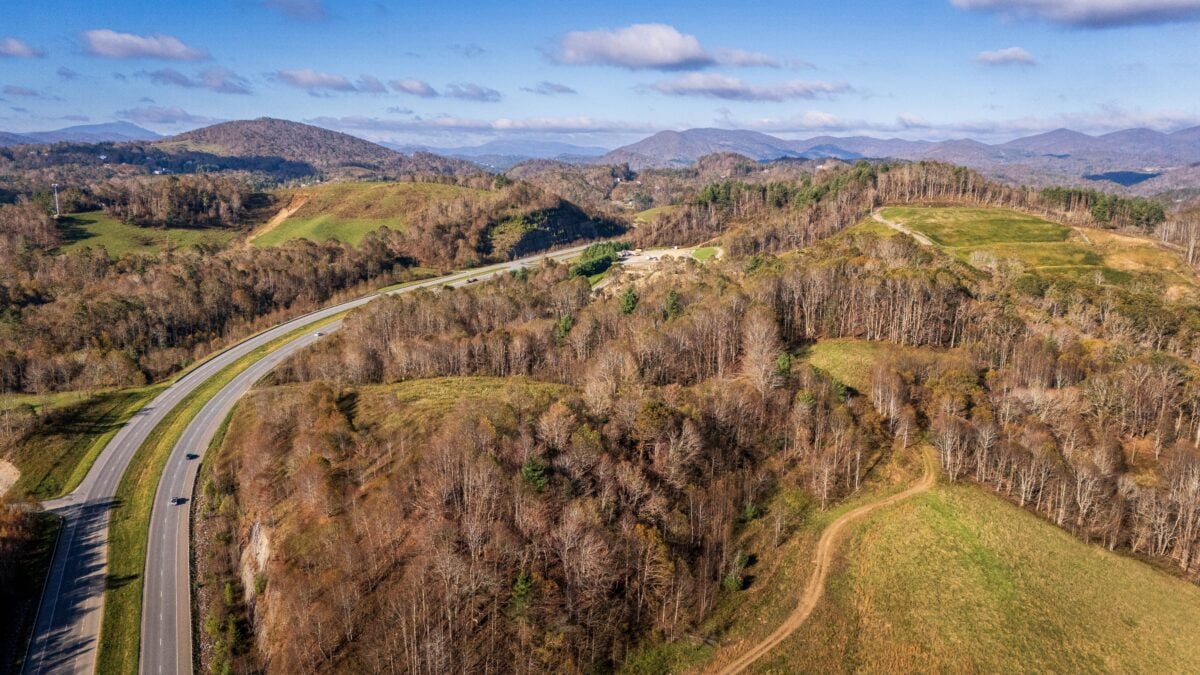
What it does have is atmosphere. Forests surround the area, streetlights are scarce, and the two-lane road setup gives it a peaceful, backcountry feel. If your ideal trip includes valet parking and boutique cocktails, keep driving. If you like quiet roads and handmade goods, this is the lane.
How Whynot got its unusual name
The name goes back to the 1860s, when local residents needed to choose a name for the community so mail could be delivered there.
The problem was simple. No one could agree. After a lot of debate, someone suggested calling it Whynot, and the name stuck. More than 160 years later, it is still doing the job, which is more than can be said for a lot of clever names.
It is the sort of place name people remember instantly, partly because it sounds funny and partly because it feels like a shrug with punctuation. For road-trippers, that makes it an easy stop to file under “worth the detour,” especially when paired with the surrounding craft scene.
Why Whynot matters on the North Carolina Pottery Highway
Whynot’s biggest draw is its location along the 21-mile North Carolina Pottery Highway, which begins in nearby Seagrove. This corridor is home to almost 100 pottery studios, making it one of the strongest craft stretches in the state for travelers who like their souvenirs to be actually useful.
That matters if you would rather buy something made by the artist instead of another forgettable magnet from a roadside rack. Pottery tourism here is not a gimmick. It is the local identity, and it gives budget travelers a free activity built right into the route: browse, learn, compare, repeat.
For a cheap day out, this area works especially well because you can scale the spending to match your mood:
- Browse studios for free and enjoy the craft side of the trip without buying much.
- Pick up a functional piece like a mug or bowl instead of a throwaway souvenir.
- Pair pottery stops with hiking or camping nearby to stretch the trip without stretching your wallet.
Pottery studios near Whynot worth knowing about

Several studios near Whynot stand out for different reasons, which is handy because not every traveler wants the same thing. Some people want a sturdy mug. Others want art that looks like it could start a conversation or confuse a dinner guest. Both are valid.
Tom Gray Pottery
A short drive from Whynot, Tom Gray Pottery has been making handmade pottery since the late 1970s. The studio is known for stoneware with muted, light-absorbing glazes fired in high-temperature kilns.
That detail matters because stoneware is built for use, not just shelf duty. If you are the kind of traveler who wants a practical keepsake, this is the sort of stop that makes sense. It is the rare souvenir that might survive actual travel and actual dishwashing.
Whynot Pottery and Acacia Art Tile
Nearby, the makers at Whynot Pottery and Acacia Art Tile bring decades of experience to handcrafted clay work. Their pieces are made on a pottery wheel and through other traditional clay-forming methods.
They also produce hand-cut decorative tiles with nature-based designs, including flowers and farm animals. That gives visitors a different option from classic bowls, jugs, and mugs, and it is an easy way to support local makers without pretending you have room in your backpack for a full ceramic armchair.
Johnston & Gentithes Pottery and Sculpture
Johnston & Gentithes Pottery and Sculpture takes a broader artistic approach. The work blends traditional North Carolina folk pottery with mythological themes and influences from Greek, Korean, Chinese, Pre-Columbian, and Mimbres traditions.
That mix makes it one of the more distinctive stops for travelers who want to see how regional craft can intersect with wider artistic traditions. In plain English, it is not just another shelf of beige vases.
Quick comparison of the pottery stops near Whynot
| Studio | What stands out | Best for |
|---|---|---|
| Tom Gray Pottery | Stoneware with muted glazes, handmade since the late 1970s | Functional pottery and everyday-use pieces |
| Whynot Pottery | Traditional handcrafted pottery techniques | Classic wheel-thrown pottery |
| Acacia Art Tile | Hand-cut decorative tiles with nature-inspired designs | Decorative art and tile lovers |
| Johnston & Gentithes Pottery and Sculpture | Folk pottery mixed with mythological and cross-cultural influences | More unusual artistic styles |
Other things to do near Whynot besides pottery
If you are building a day trip, Whynot works best when paired with nearby outdoor stops. This is not a place loaded with attractions in the theme-park sense. It is a place for slow travel, scenic driving, and simple add-ons that cost little or nothing.
For travelers piecing together a cheap route, the surrounding area lines up nicely with other central North Carolina stops, including the historic and outdoor options covered in historic sites worth making time for and road-trip routes that reward patience more than speed. Different region, same principle: wander a bit, spend less, see more.
Pisgah Covered Bridge
About 20 minutes away, the Pisgah Covered Bridge dates to 1911 and sits in Randolph County near Uwharrie National Forest. It is one of only two covered bridges left in North Carolina, which makes it a tidy little slice of history for anyone who likes old timber and low admissions fees.
That makes it a worthwhile detour for history fans and photographers. One practical warning from visitor feedback in the source material: parking can be limited. In other words, do not roll up expecting a giant visitor lot and a gift shop selling fudge.
Uwharrie National Forest
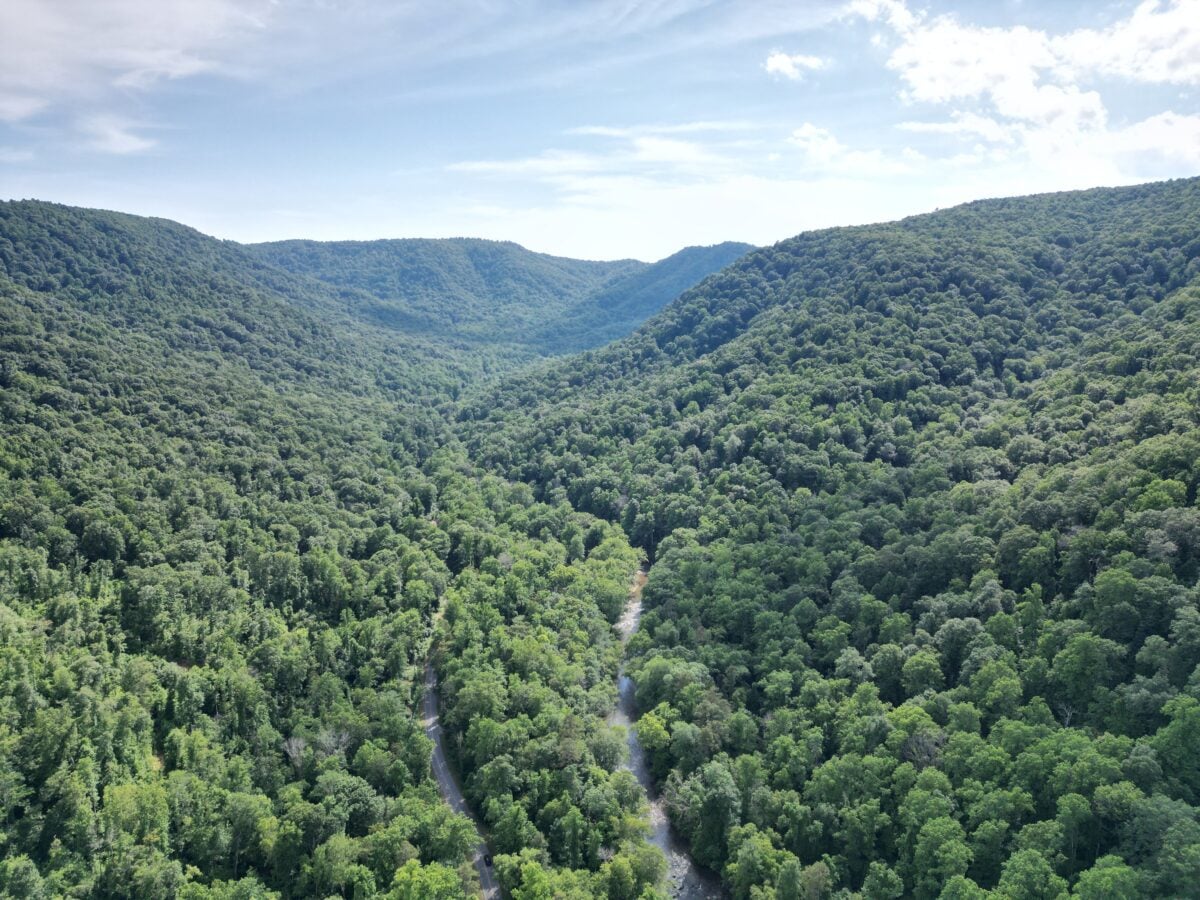
Nearby Uwharrie National Forest covers more than 50,000 acres of protected woodland. It is known for hiking trails, scenic overlooks, and easy access to a quieter side of North Carolina outdoors.
The forest is also part of the appeal for travelers trying to keep costs down. Nature is still one of the best budget activities on the board, and this area gives you plenty of it, plus a decent excuse to skip expensive entertainment for a day.
Morrow Mountain State Park
The area around Uwharrie also includes Morrow Mountain State Park, highlighted as an underrated scenic stop. If you are plotting a road trip through central North Carolina, it fits well with the pottery route and the bridge stop.
That combination gives you a nice split: craft in the morning, trails in the afternoon. Hard to complain about that, especially when the alternative is paying museum prices for a room full of things you cannot touch.
Can you camp near Whynot?
Yes, and that is where this region starts to look especially good for backpackers and budget-minded travelers. After exploring pottery studios and local trails, visitors can reserve a place at campgrounds in the area or use dispersed camping in permitted spots.
Dispersed camping usually means camping outside a developed campground, often with fewer amenities and more self-sufficiency required. Translation: cheaper, quieter, and less polished. Also, do not expect hot showers and a camp store full of ice cream bars.
For travelers who prefer a bed over a tent, using Whynot as a base usually means looking at nearby communities rather than expecting a big lodging scene in the community itself. That can still work in your favor if you book early and keep the trip flexible.
Whynot travel planning tips for a cheap weekend
Because Whynot is so small, planning matters more than it would in a bigger destination. This is not the kind of place where every need is handled within a five-minute walk, and that is exactly why a little prep saves money.
- Pair Whynot with Seagrove for a fuller pottery-focused day.
- Add Asheboro if you want a larger nearby base for food, errands, or overnight logistics.
- Bring a car if possible, since the appeal here is spread along rural roads.
- Pack carefully if you plan to buy pottery, because fragile souvenirs and loose trunk chaos are old enemies.
- Check studio hours before driving out, since small artisan businesses may keep limited schedules.
For travelers trying to keep the trip cheap, a loose framework helps:
| Trip piece | Budget-friendly approach | Why it works |
|---|---|---|
| Getting around | Use one car and cluster stops | Rural roads make back-and-forth driving expensive in time and fuel |
| Shopping | Buy one useful item instead of multiple trinkets | Less clutter, better value |
| Meals | Pack snacks and fill up in larger towns | Small communities usually have fewer cheap food options |
| Overnight stays | Camp or stay in a nearby town | More flexibility and usually better rates |
Whynot vs bigger North Carolina stops
| Destination type | What you get | Best for |
|---|---|---|
| Whynot | Quiet countryside, pottery studios, rural roads, easy outdoor add-ons | Slow travel, craft lovers, budget road-trippers |
| Asheboro area | More services and easier trip logistics | Travelers who want convenience with a side trip to Whynot |
| Big cities like Charlotte or Raleigh | Urban attractions, more dining and nightlife, heavier spending temptation | City breaks and travelers after a busier itinerary |
If you like stretching a destination until it pays for itself, Whynot fits the bill. It is the sort of place where a single afternoon can cover craft browsing, a history stop, a forest detour, and maybe a decent dinner somewhere nearby without needing a spreadsheet to justify it.
Why Whynot works for travelers who are tired of overproduced destinations
Whynot is not trying to be trendy. That may be its best quality. The community offers a real sense of place, easy access to a famous pottery corridor, and nearby nature that keeps the trip grounded and affordable.
It also fits a style of travel that plenty of people still want, even if tourism marketing rarely shuts up about rooftop bars and immersive experiences. Here, the draw is simpler: quiet roads, handmade work, and room to breathe. For anyone chasing value instead of spectacle, that is usually a win.
If that sounds appealing, Whynot earns a spot on the map. Odd name, solid stop. Sometimes that is all you need.
