
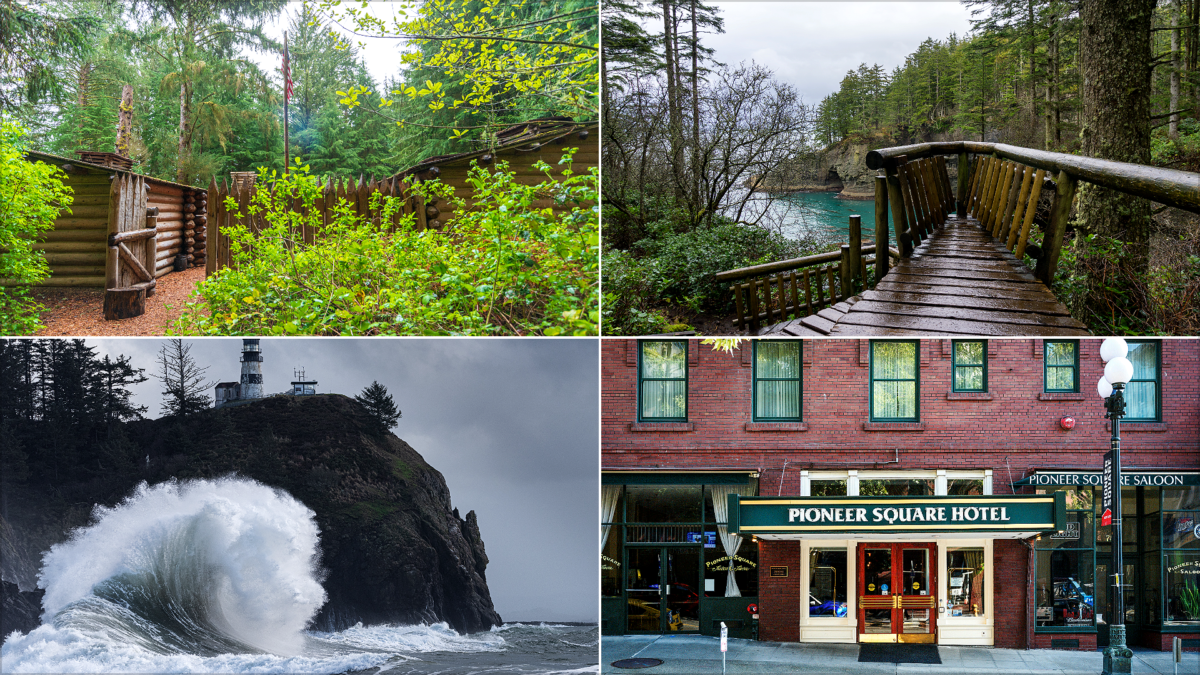
The Pacific Northwest has some of the best preserved historic sites in the United States, and many are still easy to visit on a road trip through Washington, Oregon, Idaho, and British Columbia. You can walk through Gold Rush streets in Skagway, stand inside Cold War missile bunkers on the Washington coast, tour Indigenous cultural sites older than the United States itself, and explore forts tied to the fur trade and westward expansion. Most major sites are open seasonally from spring through fall, though several museums and historic districts operate year-round.
If you are planning a Pacific Northwest itinerary, combining history stops with national parks, scenic drives, and coastal towns works especially well.
Quick Answer: Which Historic Sites Are Most Worth Visiting?
If you only have time for a handful of stops, these are the strongest choices for first-time visitors:
- Fort Vancouver National Historic Site, Washington, for Hudson’s Bay Company history and reconstructed fur trade buildings.
- Pioneer Square, Seattle, for underground tours and early city history.
- Fort Clatsop, Oregon, for Lewis and Clark expedition history.
- Barkerville Historic Town, British Columbia, for one of North America’s best preserved Gold Rush towns.
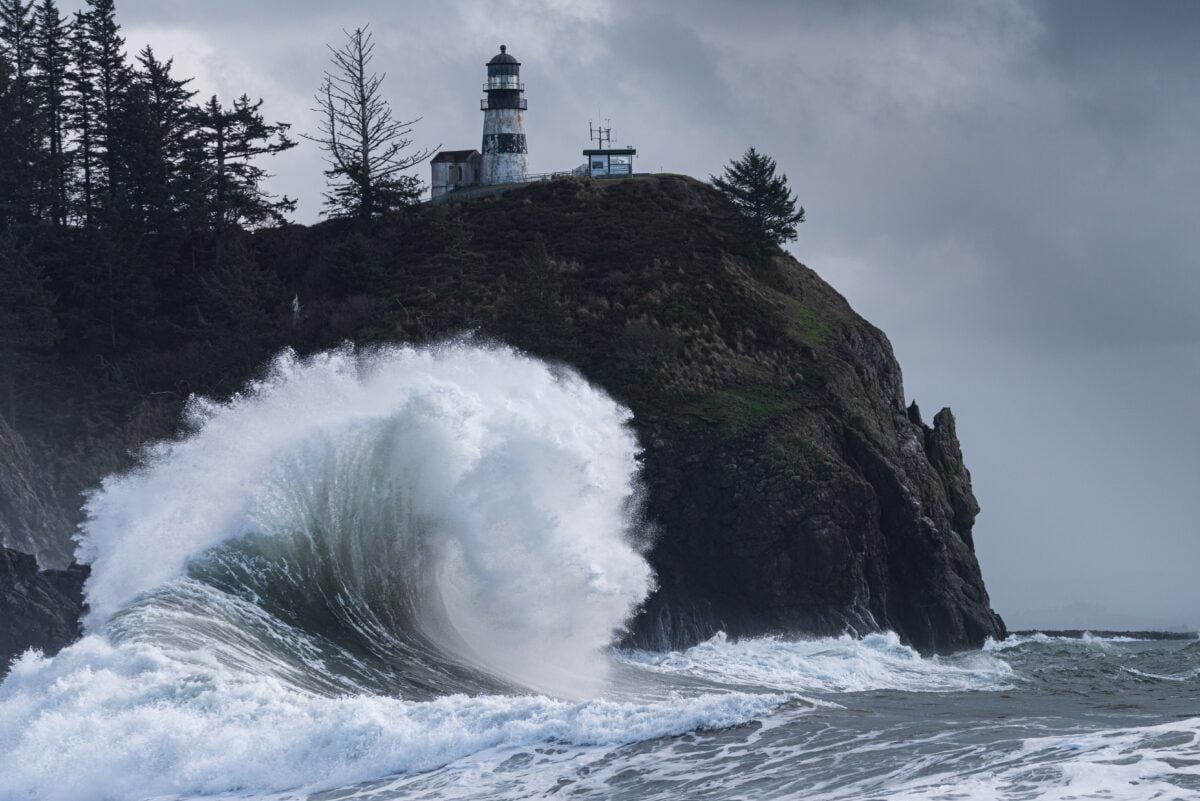
- Cape Disappointment, Washington, for coastal military defenses, lighthouses, and maritime history.
Fort Vancouver National Historic Site, Washington
Fort Vancouver National Historic Site in Vancouver, Washington, is one of the most important historical locations in the Pacific Northwest. The reconstructed fort represents the headquarters of the Hudson’s Bay Company’s Columbia Department during the early 1800s.
You can walk through recreated workshops, blacksmith areas, kitchens, gardens, and living quarters that show how the fur trade shaped the region long before Oregon and Washington became states. The site also explains the complicated relationships between British traders, Indigenous communities, missionaries, and American settlers moving west.
The fort works well as a half-day stop from Portland because it sits only minutes from downtown. Summer brings living history demonstrations, while winter visits are quieter but still worthwhile for museum exhibits.
Pioneer Square And The Seattle Underground, Washington
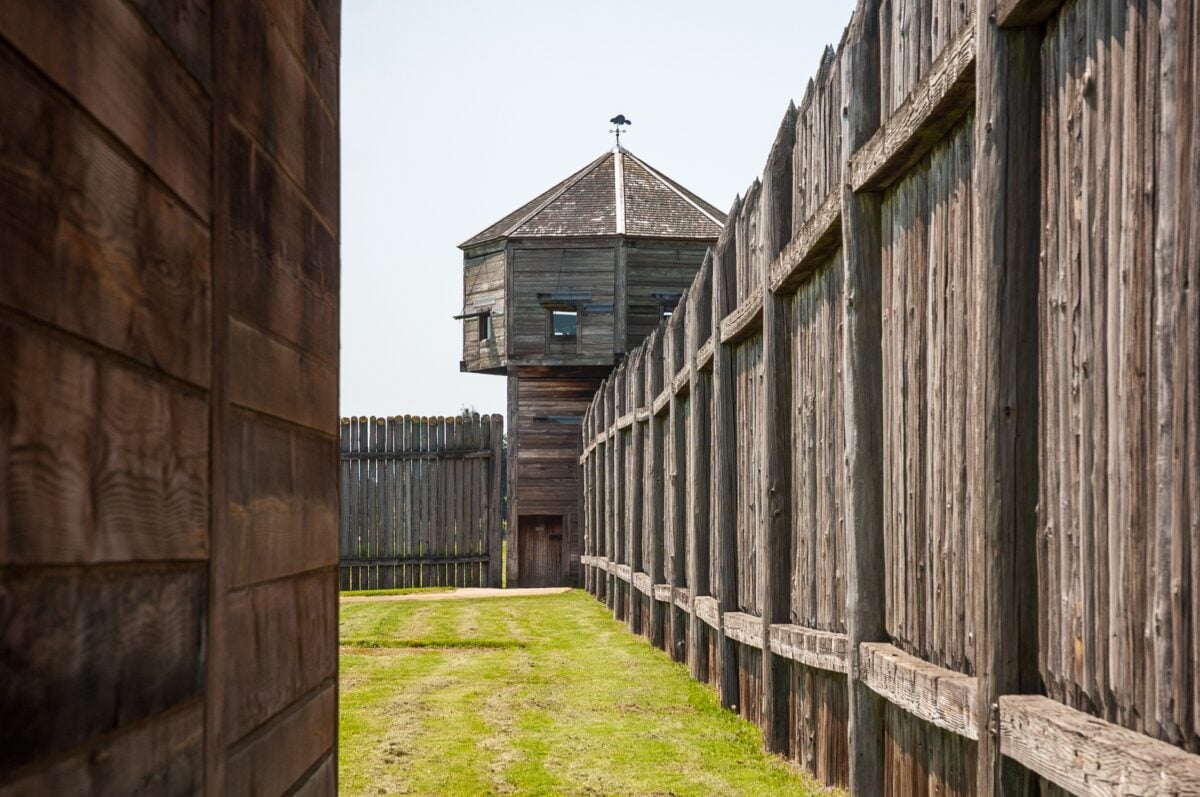
Seattle’s oldest neighborhood still contains brick buildings dating back to the city’s reconstruction after the Great Seattle Fire of 1889. Pioneer Square is touristy in parts, but the history is genuinely interesting.
The underground tour systems beneath modern street level reveal how Seattle literally rebuilt itself higher after repeated flooding and sanitation problems. You will also find preserved alleyways, historic storefronts, and architecture tied to the city’s rapid growth during the Klondike Gold Rush era.
The nearby Klondike Gold Rush National Historical Park Seattle Unit is free to visit and provides context for how Seattle transformed into a supply hub for miners heading north to Alaska and Canada.
Parking in Pioneer Square can be frustrating, so using Seattle’s public transit system or staying nearby is often easier than driving in for a day trip.
Fort Clatsop And Lewis And Clark History, Oregon
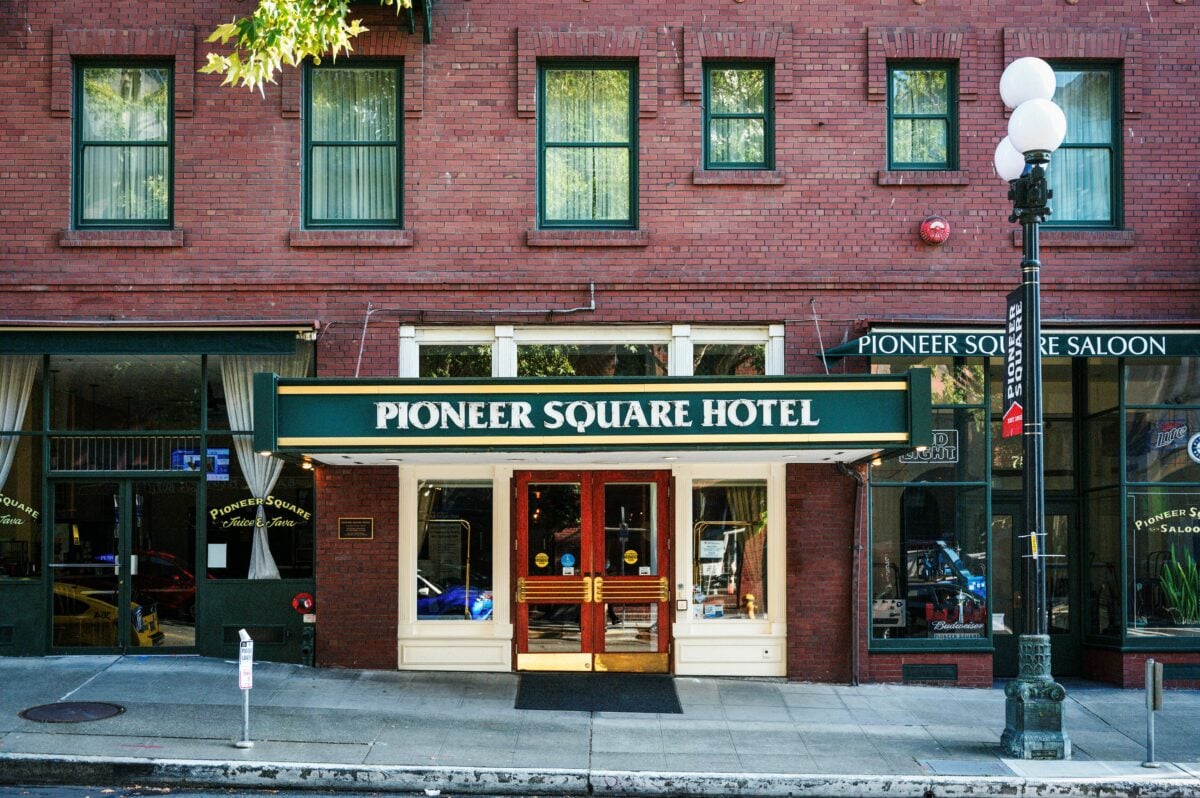
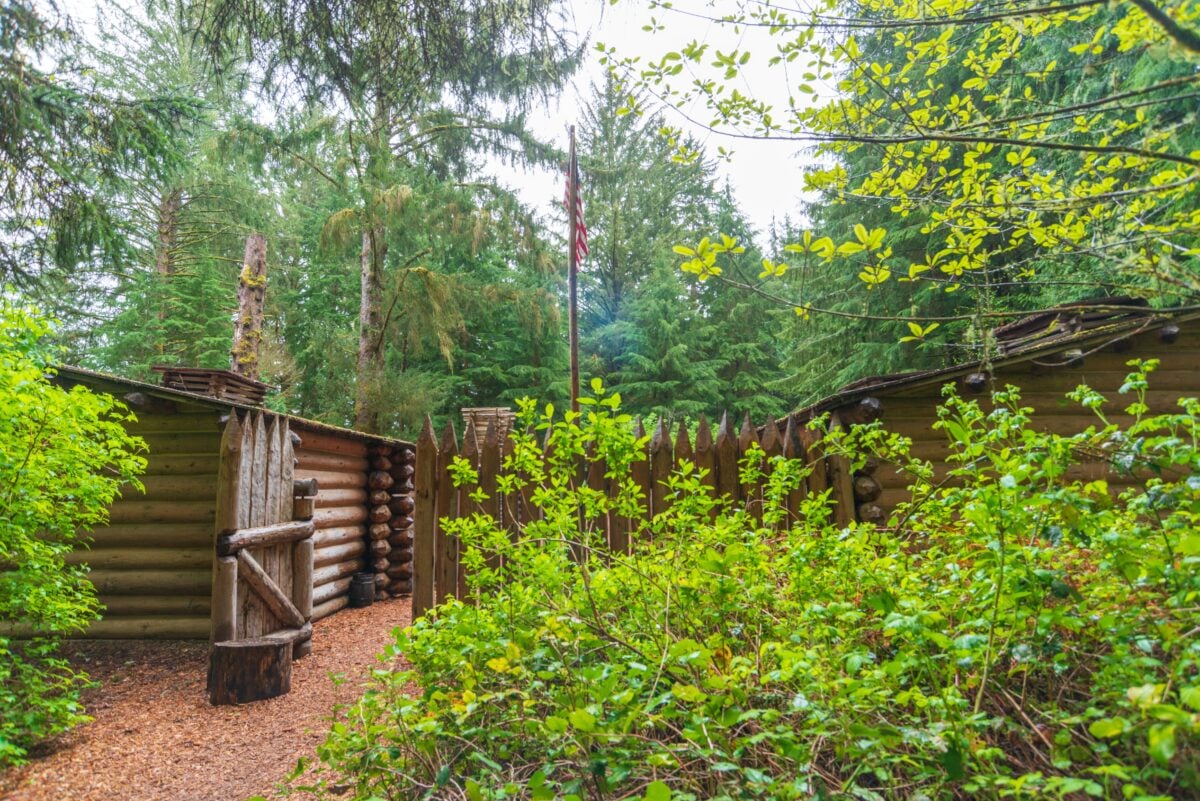
Near Astoria, Oregon, Lewis and Clark National Historical Park preserves Fort Clatsop, where the Corps of Discovery spent the winter of 1805 to 1806 after finally reaching the Pacific Ocean.
The reconstructed fort itself is relatively small, but the wider park includes trails, coastal viewpoints, and interpretive centers explaining the expedition’s final months. The surrounding forests and wet coastal weather help you understand how difficult conditions were for the expedition members.
This area combines especially well with an Oregon Coast road trip. Astoria itself adds another layer of history with Victorian homes, maritime museums, and old canneries tied to the Columbia River fishing industry.
| Historic Site | State/Province | Best Time To Visit | Typical Visit Length |
|---|---|---|---|
| Fort Vancouver | Washington | Spring to fall | 2 to 4 hours |
| Pioneer Square | Washington | Year-round | 2 to 3 hours |
| Fort Clatsop | Oregon | Late spring to early fall | 2 to 5 hours |
| Cape Disappointment | Washington | Summer and early fall | Half day |
| Barkerville | British Columbia | Summer | Full day |
Cape Disappointment And Pacific Coast Defenses, Washington
Cape Disappointment has one of the least accurate names in the Pacific Northwest. The coastal scenery is dramatic, and the history is unusually layered.
Located at the mouth of the Columbia River, the park contains two historic lighthouses, military fortifications from World War II, hiking trails, and maritime history exhibits connected to one of the most dangerous shipping routes in North America.
The Lewis and Clark expedition also passed through here after reaching the Pacific. During the 20th century, the area became part of the Harbor Defense System protecting the Columbia River.
You can still explore abandoned bunkers and artillery sites hidden in the forest. Fog and rain are common even in summer, so waterproof layers matter here more than at many inland historic sites.
Barkerville Historic Town, British Columbia
Barkerville Historic Town is one of the best preserved Gold Rush towns in North America. Located in British Columbia’s Cariboo region, the town recreates life during the 1860s gold rush that transformed western Canada.
More than 100 heritage buildings line the wooden streets, including saloons, hotels, churches, and Chinese merchant buildings. Unlike some reconstructed tourist towns, Barkerville includes original structures and detailed interpretation explaining the multicultural communities that developed during the gold rush.
The remote location is part of the appeal. Reaching Barkerville requires commitment, but the drive through central British Columbia is part of the experience. Most visitors combine it with a wider Cariboo road trip.
Neah Bay And Makah Cultural History, Washington
The Makah Museum in Neah Bay preserves thousands of artifacts recovered from the Ozette archaeological site, a Makah village partially buried by a mudslide centuries ago.
This is one of the most important Indigenous historical sites in the Pacific Northwest. The exhibits include tools, clothing, cedar carvings, baskets, and longhouse materials that survived because they were sealed underground.
The museum adds important context that many regional history itineraries miss. Pacific Northwest history did not begin with explorers and settlers, and sites like this help explain the depth and continuity of Indigenous cultures along the coast.
Road conditions to Neah Bay are generally straightforward, but the drive from Seattle takes several hours. Combining it with Olympic National Park usually makes the most sense.
Old Idaho Penitentiary, Idaho
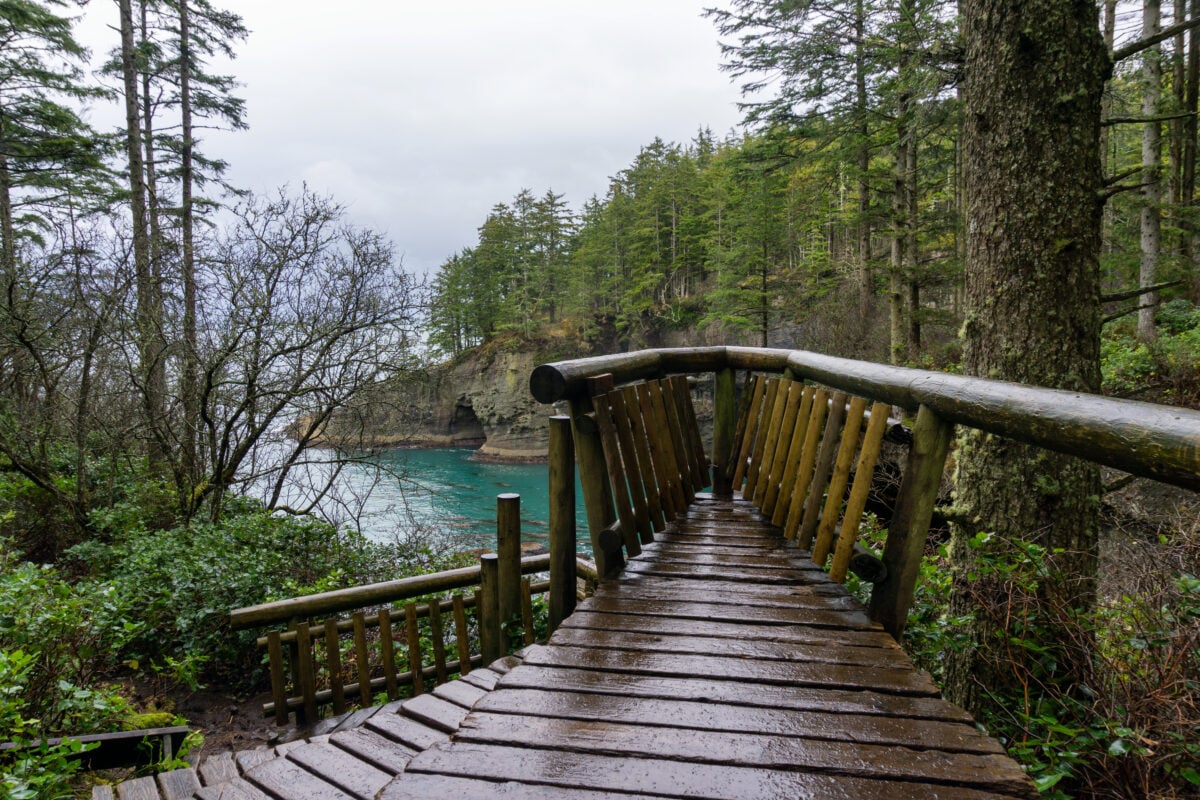
Boise may not be the first place travelers associate with Pacific Northwest history, but the Old Idaho Penitentiary is one of the region’s most interesting preserved institutions.
Operating from 1872 to 1973, the prison now allows visitors to explore cell blocks, solitary confinement areas, gallows exhibits, and prison yards. The stories attached to the prison reveal how rapidly frontier towns evolved into organized western cities.
Summer temperatures in Boise can be intense, so morning visits are more comfortable during July and August.
Practical Planning Tips For A Pacific Northwest Historic Road Trip
Distances across the Pacific Northwest are larger than many first-time visitors expect. Driving between Seattle, Portland, coastal Washington, Idaho, and British Columbia can quickly turn into multi-day journeys.
Rain affects travel planning more than cold in many areas. Coastal sites in Washington and Oregon stay wet much of the year, while inland destinations can become smoky during wildfire season in late summer.
For most travelers, the best historic road trip window is from late May through early October. July and August provide the most reliable weather but also bring larger crowds and higher hotel prices.
Common mistakes include trying to combine too many states in one week, underestimating ferry wait times around Puget Sound, and assuming every historic site stays open year-round. Several smaller museums and heritage parks reduce hours outside summer.

B Blue Star Press
52 Weekends in the Pacific Northwest: A Local's Curated Guide to Year-Round Getaways
We earn a commission if you buy through this link, at no extra cost to you.
Are These Historic Sites Good For Families?
Most are family-friendly, especially Fort Vancouver, Barkerville, and Fort Clatsop. Children usually engage more with living history demonstrations, reconstructed buildings, and hands-on museums than with text-heavy exhibits.
Old military bunkers and underground tours can feel unsettling for younger children, particularly in dark or confined areas. Weather can also affect enjoyment significantly. A rainy coastal day with strong winds feels very different from a summer visit.
Conclusion
The Pacific Northwest combines natural scenery with unusually diverse history. You can trace Indigenous coastal cultures, fur trade expansion, military defense systems, Gold Rush migration routes, and early industrial development within the same region.
For first-time visitors, focusing on a smaller section of the Pacific Northwest usually creates a better trip than attempting to cover the entire region quickly. A Washington and Oregon coastal route, a Seattle to Vancouver BC itinerary, or an inland Idaho and eastern Washington road trip all work well on their own.
Start by choosing two or three anchor historic sites, then build your route around realistic driving times, weather conditions, and seasonal opening schedules. That approach gives you enough time to actually experience these places instead of rushing through them.
