
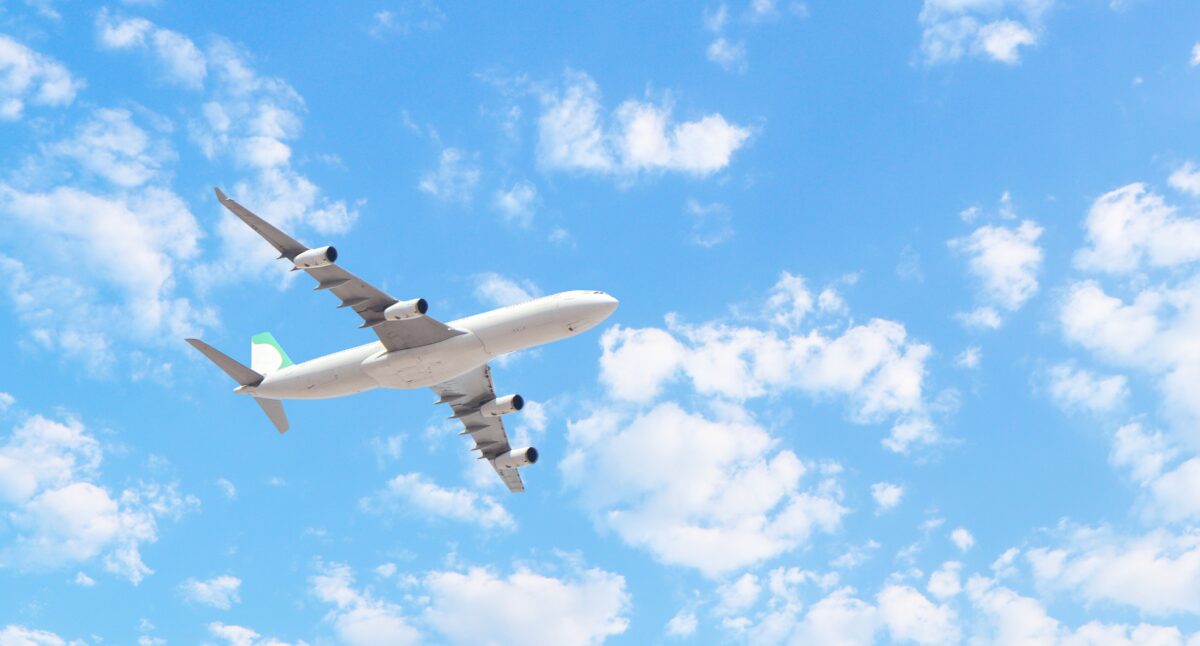
Why Are Airplanes Usually Painted White?
If you have ever looked out of a plane window and noticed just how many aircraft are painted white, there is a good reason for that. White is not the boring default because airlines lack imagination. It is the default because, in aviation, practical tends to win over flashy pretty quickly.
So, why are airplanes usually painted white? The short answer is that white helps keep aircraft cooler, makes inspections easier, reduces long-term maintenance headaches, and can even help with resale. In an industry where every kilogram, scratch, and repair bill matters, those advantages add up fast.
The main reasons airlines choose white
Airlines and aircraft operators care about efficiency. Paint is not just decoration on a plane. It affects weight, heat absorption, maintenance, and even how easy it is to spot damage. White happens to tick a lot of the right boxes.
| Reason | Why it matters |
|---|---|
| Heat reflection | Helps reduce heat absorption on the fuselage and parking ramp |
| Inspection visibility | Makes dents, leaks, and cracks easier to detect |
| Maintenance efficiency | Can simplify repairs and cosmetic touch-ups |
| Resale flexibility | Works better for aircraft that may be leased or sold later |
| Branding freedom | Lets airlines use tails and logos for identity without repainting everything |
1. White reflects sunlight and helps keep the aircraft cooler
Aircraft spend a lot of time parked on hot tarmacs, soaking up direct sun. Dark colors absorb more heat, while white reflects more of it. That matters because excess heat can put more strain on cabin cooling systems and on materials exposed to the sun.
It is not just about passenger comfort, either. Lower heat absorption can be helpful for preserving surfaces and reducing thermal stress over time. A white fuselage is basically the aviation version of wearing a light-colored shirt on a summer day.
2. White makes cracks, leaks, and damage easier to spot
Safety inspections are a huge part of aircraft maintenance, and white paint gives engineers a cleaner canvas to work with. Small cracks, oil streaks, corrosion, and dents are often easier to notice on a white surface than on a darker one.
That visual contrast helps maintenance teams identify problems more quickly. In aviation, spotting a tiny issue early is a big deal. A little discoloration today can become a much bigger repair later, and nobody wants that kind of surprise.
3. White paint can help keep maintenance costs under control
Painting an aircraft is expensive and time-consuming. Repainting also means downtime, and downtime is bad news for airlines. White tends to be more forgiving because it can hide small cosmetic wear better than bold colors, especially on large aircraft that spend their lives being loaded, serviced, and exposed to the elements.
There is also a practical advantage when it comes to touch-ups. White is easier to match than many custom colors, which can simplify repairs after minor damage or panel replacement.
4. White is a smart choice for resale and leasing
Many aircraft do not stay with one operator forever. They may be leased, sold, or moved to a different airline after a few years. A neutral white base makes it easier for a new owner to repaint or rebrand the plane without first dealing with a loud, highly specific color scheme.
This is one reason you will often see aircraft with a mostly white fuselage and airline branding limited to the tail, engines, or a small stripe. It keeps the plane versatile. Think of it as the aviation equivalent of a neutral coat that can work with almost any outfit.
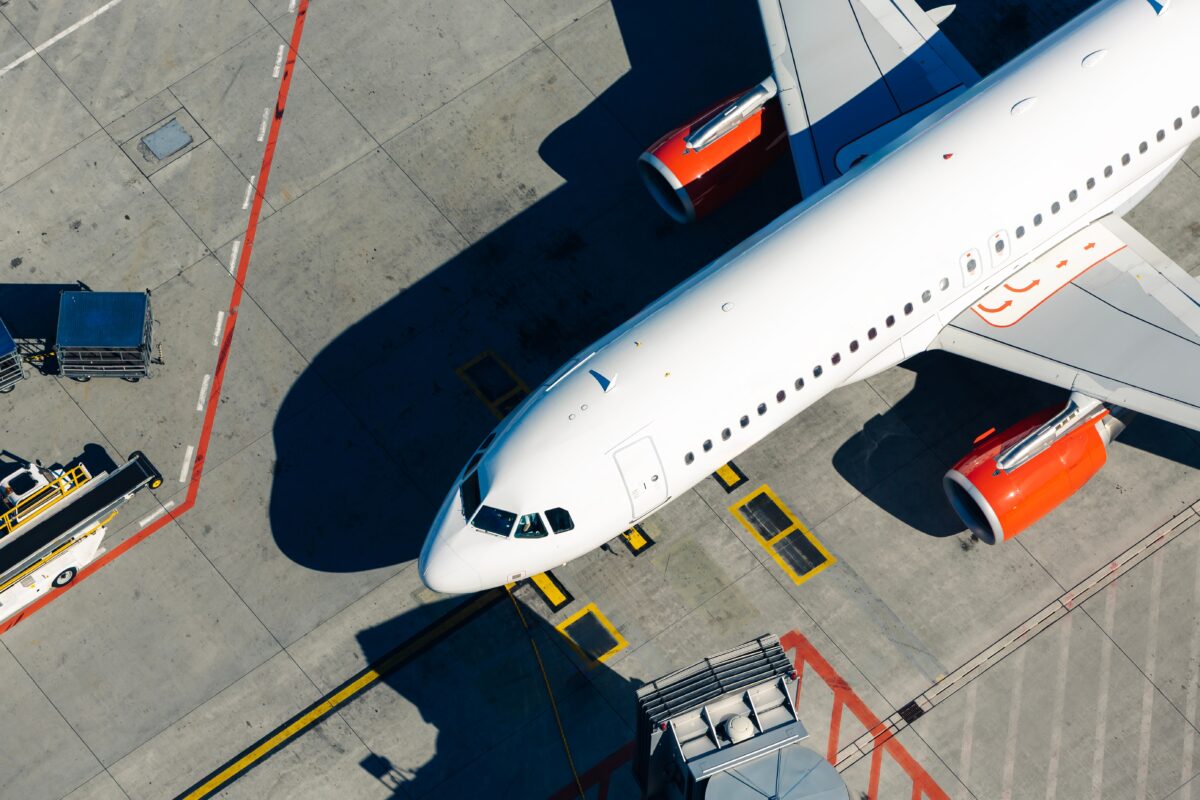
White aircraft and the practical side of aviation
There is a lot more going on with an aircraft than most passengers ever see. Airlines make decisions based on long-term costs, safety, and operational flexibility, not just looks. White often ends up as the most sensible option because it supports all three.
Are there any downsides to white airplanes?
White is practical, but it is not perfect. Aircraft painted white can show dirt and grime more easily, especially around engine areas, landing gear, and lower fuselage sections. That means regular cleaning still matters if an airline wants its fleet to look sharp.
There is also the branding question. Airlines often want to stand out, and a plain white fuselage does not exactly scream personality. That is why many carriers add color to the tail, winglets, or engine nacelles. It gives them a recognizable look without sacrificing the benefits of a white base.
- Dirt shows more easily: especially on areas exposed to exhaust and runway debris.
- Less visual flair: not ideal if an airline wants a bold all-over design.
- Still needs upkeep: white may be practical, but it is not self-cleaning, sadly.
Do all airplanes have to be white?
No, and some certainly are not. Private jets, special livery aircraft, vintage planes, and promotional aircraft may use brighter colors or more elaborate designs. Even so, white remains the most common choice because it balances efficiency with flexibility.
In aviation, a paint scheme has to do more than look nice on an airport apron. It has to hold up under sunlight, weather, maintenance checks, and years of use. White keeps things simple, and simplicity often wins when the aircraft is doing serious work.
What travelers should know when spotting aircraft paint jobs
If you are the sort of traveler who watches planes as much as destinations, paint color can actually tell you a bit about the aircraft in front of you. A nearly all-white plane may be a leased aircraft, a freshly repainted jet, or simply one that has been designed with future flexibility in mind.
When you are at an airport, it is fun to notice how airlines balance brand identity with practicality. The tail might be the bright part, but the white fuselage is doing the quiet, behind-the-scenes work. Not glamorous, perhaps, but very airline.
- Look for branded tails and engine markings, which often carry the airline’s main visual identity.
- Notice how many aircraft share a white fuselage even when the livery looks different from a distance.
- On older or heavily used planes, white can make wear patterns easier to spot near doors, panels, and service areas.
The bottom line
Why are airplanes usually painted white? Because white is practical in the ways that matter most to airlines and aircraft operators. It reflects heat, helps maintenance teams spot issues, keeps repainting simpler, and gives airlines more flexibility if the plane is sold or leased later.
It may not be the most exciting answer, but aviation is full of decisions like that. Sometimes the smartest choice is also the one that looks plain at first glance.
Related reading: The Real Reason Aircraft Cabin Lights.
