
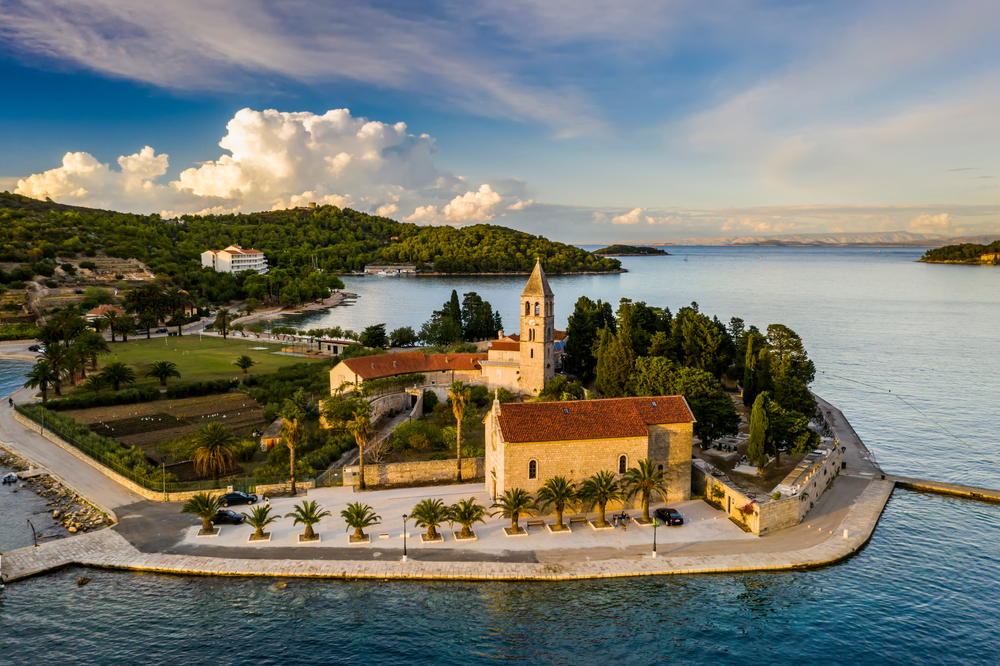
Vis is one of Croatia’s best islands for a quiet, multi-day escape built around clear water, small towns, boat trips and local food. Its distance from Split and its long military past have helped it retain a calmer rhythm than many Dalmatian island stops.
This Vis Island travel guide covers the practical decisions that shape a good trip: where to base yourself, how to reach the island, which cave and beach excursions deserve the time, and why an overnight stay is far more rewarding than a rushed day trip.
Why Visit Vis Island?
Vis sits farther from the Croatian mainland than the better-known island stops around Split, and the journey helps filter out the quick-stop crowds. The island was used as a Yugoslav military base for decades, leaving behind tunnels, former installations and a landscape that avoided intensive tourism for much of the late 20th century.
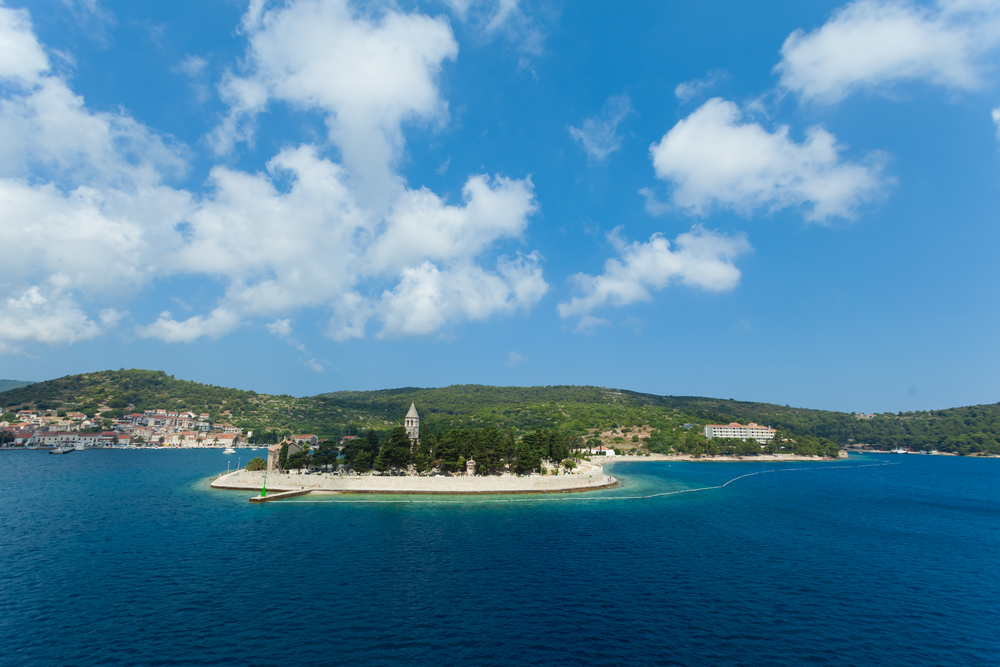
Its two main settlements have distinct personalities. Vis Town, on the northeast coast, is the ferry arrival point and the easiest base without a car. Komiža, on the western side, is a working fishing town with a more compact harbor setting and convenient access to boat departures for Biševo.
Vis also has a strong food-and-wine identity. The island is associated with the white grape Vugava, while local tavernas commonly focus on simply prepared Adriatic fish, grilled seafood and island-grown produce. Plan meals around a named konoba or winery once you arrive, especially in peak summer, when the smaller dining rooms fill up quickly.
How To Get To Vis From Split
The usual route is the Jadrolinija service between Split and Vis Town. Jadrolinija describes the crossing as taking 140 minutes on its Split to Vis ferry line. Schedules vary by season and day, so check the official Jadrolinija sailing timetable and ticket page before locking in flights, accommodation or a same-day connection.
The car ferry is the practical choice for people bringing a vehicle. Foot passengers can still get around using local buses, hired scooters, bicycles and organized boat tours, but a car offers more flexibility for inland roads and beaches away from Vis Town and Komiža.
- For a car: reserve the ferry crossing as early as possible for high-season travel, when vehicle space is the constraint.
- For a day trip: build in generous time around the return sailing. A late boat or a cancelled excursion can turn a tight plan into a stressful one.
- For a longer stay: arrive in Vis Town, settle in, then explore Komiža and Biševo on separate days.
Where To Stay on Vis Island
Choose Vis Town if ferry convenience, restaurants and a walkable harbor matter most. It works well for short stays, car-free trips and anyone arriving with luggage who does not want to begin with a cross-island transfer.
Choose Komiža if you want a smaller fishing-town atmosphere and an easier start for Biševo boat trips. It is also a sensible base for people who plan to spend more time on the western coast and in the water than around the ferry port.
Hotel San Giorgio in Vis Town is a recognized boutique option near the old part of town. Apartments and smaller guest rooms are common across both settlements, while villa-style stays suit groups with a car. Book accommodation before committing to a peak-season itinerary because the island has a comparatively limited hotel supply.
Best Things To Do on Vis Island
Take a Boat Trip to Biševo’s Blue Cave
The Blue Cave on Biševo Island is Vis’s best-known excursion. Boats depart from Vis and Komiža, with Komiža generally the more natural departure point because it faces Biševo. The cave is known for the blue light effect inside, created when sunlight passes through an underwater opening.
Many excursions combine the Blue Cave with the Green Cave and swimming stops. Conditions at sea control the day: wind, swell and access arrangements can affect routes, so treat any exact cave sequence as flexible. Bring a swimsuit, water and sun protection, and avoid relying on a cave tour as the only activity scheduled for your final day.

See Stiniva Beach by Boat
Stiniva Beach is a narrow cove framed by high cliffs on Vis’s southern coast. Reaching it by boat is often the easier option, since the land route involves a steep approach. Boat tours commonly stop offshore or allow a swim into the bay, depending on sea conditions and local access management.
Stiniva is best for confident swimmers who are comfortable entering the water from a boat and carrying only essentials. For a quieter beach day, ask local operators about smaller coves on the route instead of trying to cram Stiniva, both caves and multiple island stops into one hurried outing.
Explore Komiža and Vis Town
Komiža is a good place for an unstructured afternoon: walk the harbor, stop for a meal and watch the boats return. The town’s fishing history remains part of its identity, and it feels notably different from the larger, ferry-focused waterfront in Vis Town.
Vis Town has the more convenient logistics, plus old streets and a harbor that is easy to enjoy between ferry arrivals. Split your time between both towns if you have three nights or more. The drive between them is short enough to be practical but long enough that staying in only one place gives you a narrower feel for the island.
Visit the Military Sites and Tito’s Cave Area
Vis’s military history is more than a footnote. Guided military tunnel tours and quad-bike excursions visit parts of the island’s former defense infrastructure, while the area near Mount Hum is associated with Tito’s Cave, used by Yugoslav resistance leader Josip Broz Tito during World War II.
Use a guide for tunnels and former military locations. Access can change, interiors may be uneven or unlit, and a guide adds the historical context that makes these concrete structures more than a quick photo stop.
Make Time for a Vugava Wine Tasting
Vis has a long wine-growing tradition, and Vugava is the local white variety to look for on menus and tastings. A winery visit is particularly useful on a windy day when boat trips are less appealing. Arrange transport in advance if you plan to taste, since vineyards and cellars may sit beyond the main towns.
How Many Days Do You Need on Vis?
Three nights is a strong minimum for Vis. It gives you one weather window for Biševo and the sea caves, one day for beaches or a military-and-wine route, and time to enjoy both Vis Town and Komiža without treating the island as a checklist.
Two nights can work if you are focused on one boat trip and one town. A day trip from Hvar or Split can offer a glimpse of Vis, but it leaves little room for weather changes and misses the quieter mornings and evenings that make the island distinctive.
Best Time To Visit Vis Island
June and September are often the most comfortable months for people who want warm swimming weather with fewer crowds than the July and August peak. July and August bring the fullest boat schedules and liveliest restaurant terraces, along with more demand for ferry vehicle space and accommodation.
Spring and autumn suit hikers, cyclists and people more interested in the island’s roads, vineyards and historic sites than long swims. Winter is peaceful but has limited boat-tour activity and fewer open businesses; for warmer off-season island ideas, see these best islands to visit in December. Boat excursions remain weather-dependent at any time of year, so build a little slack into the plan.
Practical Tips for Visiting Vis
- Check ferry times directly with Jadrolinija: seasonal timetables can change the shape of an entire itinerary.
- Do not book a cave trip for departure day: sea conditions can alter or cancel an excursion.
- Carry water for Stiniva and inland stops: shade and facilities are limited outside the towns.
- Use sturdy footwear for the military sites and steep beach paths: flip-flops are fine for the harbor, not for rough ground.
- Reserve restaurant tables in summer: Vis and Komiža have intimate dining rooms, not endless rows of large venues.
- Check entry requirements before flying: non-EU passport holders can prepare with this EU Entry/Exit System guide for US travelers.
Vis Island Travel Guide FAQs
Is Vis Island worth visiting?
Yes. Vis is especially worthwhile for people who want a slower Croatian island stay with boat excursions, swimming coves, wine and military history, and who can spare at least two or three nights.
Can You Visit Vis Island on a Day Trip?
You can, but an overnight stay is better. The Split ferry crossing takes about 140 minutes each way, and Blue Cave or Stiniva excursions need weather flexibility that a day trip does not provide.
Should You Stay in Vis Town or Komiža?
Stay in Vis Town for ferry convenience and a straightforward car-free arrival. Stay in Komiža for a smaller harbor atmosphere and easier access to Biševo boat trips.
Do You Need a Car on Vis Island?
No, especially if you stay in Vis Town or Komiža and book organized excursions. A car is useful for reaching beaches, vineyards and inland military sites independently.
Plan Vis as an Island Stay, Not a Stopover
Vis rewards a looser itinerary. Book the ferry, choose between Vis Town and Komiža, leave one day open for the sea, and let the rest of the schedule revolve around swimming, a Vugava tasting and a long dinner near the harbor. Croatia has plenty of islands built for fast-paced hopping. Vis is more enjoyable when you resist the urge to rush it.
