
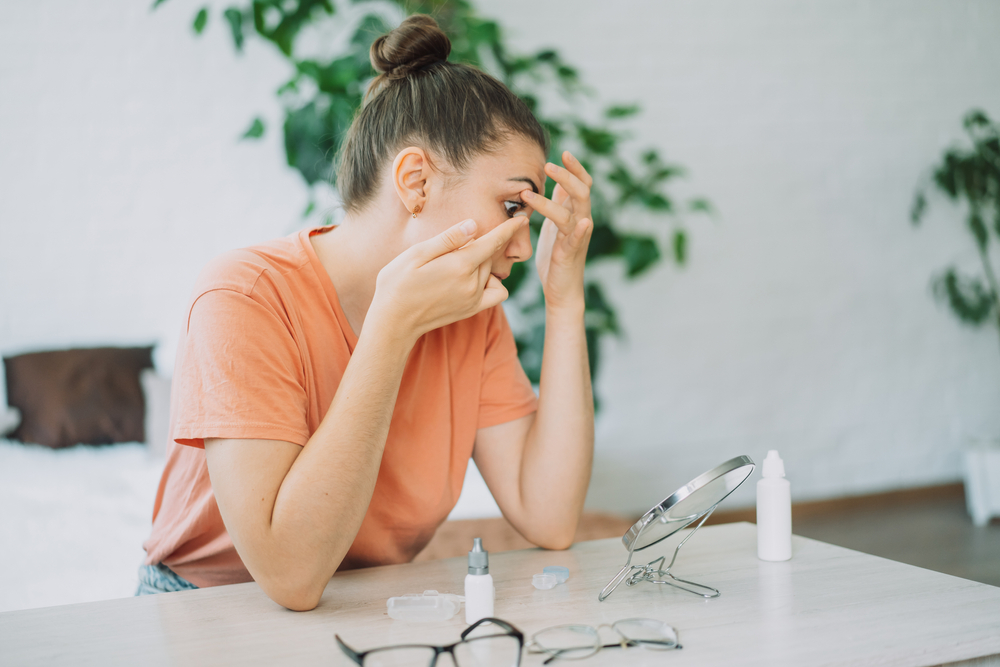
Travel can disrupt even the simplest routine. Early flights, long journeys, hotel stays, changing climates, and packed schedules can all make contact lens care more difficult than it is at home. A little preparation can make a big difference, especially when familiar products or a clean, private place to handle your lenses may not be readily available.
Whether you are taking a weekend break or spending several weeks abroad, planning your lens care before departure can help keep your eyes comfortable and reduce the risk of avoidable problems.
Pack Your Contact Lens Supplies Before You Leave
Treat your contact lenses like any other essential item that may be difficult to replace while traveling. Bring enough lenses for every day of your trip, plus a few spare pairs in case one tears, falls out, or becomes uncomfortable.
If you use reusable lenses, pack the cleaning and disinfecting solution recommended for them, along with a clean lens case. Do not assume you will be able to find the same brand or formula at your destination, particularly when traveling internationally.
Prescription glasses are an important backup. They allow you to give your eyes a break after a long day and are essential if a lens becomes damaged or your eyes become irritated.
Keep your lenses, glasses, solution, compatible eye drops, and prescription details in your hand luggage. This keeps them accessible during the journey and protects you if checked baggage is delayed or lost. Our guide to organizing your carry-on has more advice on keeping toiletries and travel essentials secure and easy to reach.
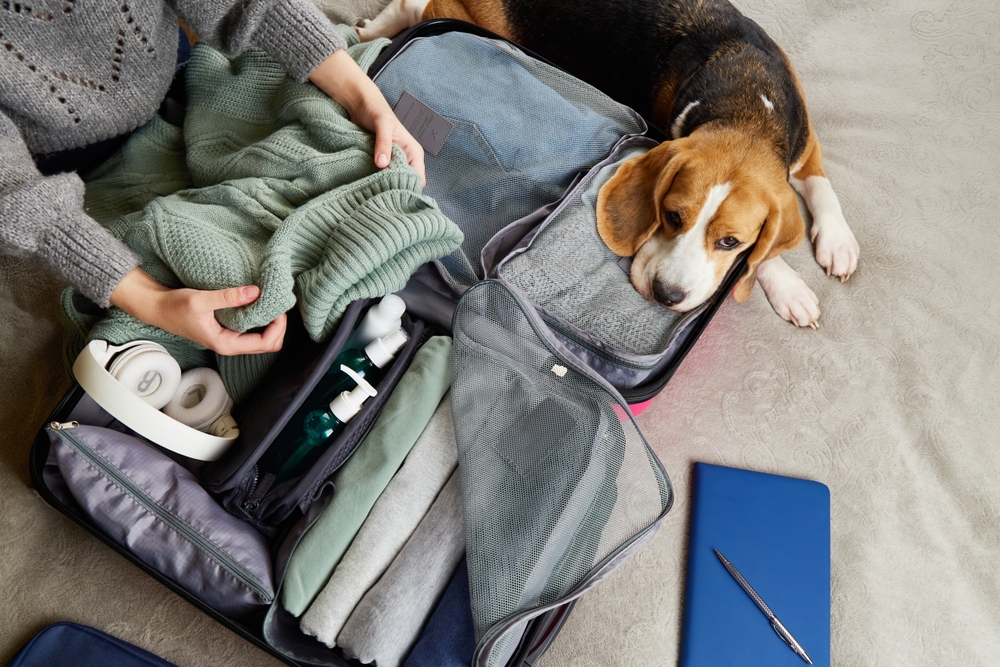
| Item | Why You Need It | Where to Pack It |
|---|---|---|
| Contact lenses | Enough for the trip plus spare pairs | Hand luggage |
| Prescription glasses | A backup if lenses become uncomfortable or damaged | Hand luggage |
| Lens solution | For cleaning and disinfecting reusable lenses | Travel-size bottle in hand luggage, with extra supplies in checked baggage if needed |
| Clean lens case | For safely storing reusable lenses | Hand luggage |
| Compatible lubricating drops | May help relieve dryness during flights or in dry climates | Hand luggage |
| Prescription details | Useful if supplies are lost or replacements are needed | Phone and a paper backup |

Make a Few Changes When Flying With Contacts
Airplane cabins have low humidity, which can make contact lenses feel dry or uncomfortable, particularly on long-haul flights. Staying hydrated may help with general comfort, but it does not replace proper lens care.
If your eyes begin to feel dry, contact-lens-compatible lubricating drops may help when they are suitable for your particular lenses. Wearing glasses for part of the flight is another practical option, especially if you plan to sleep.
Do not sleep in contact lenses unless they are specifically approved for overnight wear and your eye-care professional has advised that this is appropriate for you. Otherwise, remove them before sleeping.
Check the liquid restrictions for every airport on your itinerary before departure. Rules and exemptions can vary by country. Small bottles of lens solution will normally need to be packed with your other carry-on liquids, while larger bottles may need to go in checked baggage unless a medical exemption applies.
Keep Your Lens Routine Clean While Away From Home
Travel involves touching luggage, phones, tickets, door handles, public transportation, and many other shared surfaces. Washing your hands before handling your lenses is particularly important when moving between airports, hotels, restaurants, and tourist attractions.
Wash and dry your hands thoroughly before inserting or removing contact lenses. Avoid handling lenses with wet hands, and never use tap water, bottled water, or saliva to clean or store them.
- Use fresh disinfecting solution every time you store reusable lenses.
- Never add new solution to liquid that is already in the case.
- Clean and replace your lens case according to professional and manufacturer guidance.
- Keep the tip of the solution bottle from touching your hands, lenses, or case.
- Store lens products in a sealed toiletry bag to protect them from leaks.
- Never transfer lens solution into an unclean or unmarked container.
Keeping your toiletries organized also makes it easier to maintain a clean routine. Browse these practical travel packing lists if you need help preparing the rest of your luggage.
Plan Ahead With Weekly Wear Contact Lenses
Travelers who use weekly wear contact lenses should check their replacement schedule before leaving home. If a scheduled change falls during the trip, pack the new pair rather than trying to wear the existing lenses longer than recommended.
Bring at least one extra pair in case a lens is lost, torn, or contaminated. Reusable lenses also require the correct cleaning solution and a clean storage case, so keep these supplies together as part of the same travel kit.
It can help to make a note on your phone of the date you opened each fresh pair. Busy vacation schedules and changing time zones can make it surprisingly easy to lose track of replacement dates.
Be Careful Around Pools, Beaches, and Hot Tubs
Swimming may be part of the vacation, but contact lenses and water are a risky combination. Pools, lakes, oceans, showers, and hot tubs can expose lenses to microorganisms that may cause irritation or serious eye infections.
Follow your eye-care professional’s advice about removing contact lenses before swimming or showering. If you need vision correction in the water, prescription swimming goggles may be a safer option.
If your lenses are accidentally exposed to water, remove them as soon as possible and follow the guidance provided by your eye-care professional or lens manufacturer. Do not rinse lenses or their case with tap water.
After visiting a beach or pool, wash and dry your hands thoroughly before touching your lenses. Sand, sunscreen, salt water, and chlorine can all cause problems if transferred to your eyes. Our complete beach packing list can help you prepare for the rest of your day by the water.

Adjust Your Routine to the Climate
Your destination can affect how comfortable your lenses feel. A Dry climate, cold weather, strong air conditioning, wind, dust, and sand may all contribute to dry or irritated eyes.
Wear sunglasses outdoors to help shield your eyes from bright sunlight, wind, dust, and blowing sand. If your lenses become uncomfortable, remove them and switch to glasses rather than continuing to wear them through the irritation.
Do not ignore persistent redness, pain, discharge, blurred vision, unusual sensitivity to light, or discomfort that continues after removing your lenses. Stop wearing the lenses and seek prompt advice from a qualified eye-care professional.
Keep a Simple Contact Lens Travel Checklist
Before closing your suitcase, check that your contact lens travel kit contains:
- Enough lenses for the entire trip
- At least one or two spare pairs
- Prescription glasses and a protective case
- The correct cleaning and disinfecting solution
- A clean contact lens case
- Contact-lens-compatible lubricating drops, if you use them
- Sunglasses
- A sealed bag for lens supplies
- A digital or printed copy of your prescription
- Your eye-care provider’s contact details
Having a copy of your prescription may save time if your lenses are lost or you need professional help while away. Check the rules at your destination before attempting to purchase replacement lenses, as prescription requirements vary between countries.
Make Lens Care Part of Your Travel Routine
Traveling with contacts does not have to complicate your trip. Most common problems can be avoided by packing sufficient supplies, washing and drying your hands before handling lenses, following the correct replacement schedule, and carrying prescription glasses as a backup.
The key is to prepare for situations that are easy to overlook at home, including dry cabin air, water exposure, changing climates, and unexpected luggage delays. With a simple routine in place, you can spend less time worrying about your lenses and more time enjoying your trip.
