

Visitors come to Douglas for its compact coastal town life and easy access to island transport, not for big-city attractions. What makes Douglas different from nearby alternatives is its everyday rhythms: regular commuters, fishermen ending shifts, and small community events that shape when shops, cafes, and the promenade feel alive.
This guide helps travelers adopt local routines: where to grab a quick breakfast, which quieter waterfront stretches locals use for afternoon walks, how to find pubs and cafes that serve regulars rather than tourists, and practical ways to support community life without disrupting it. Expect concrete costs, time estimates, and money-saving options tailored to independent and budget-conscious travelers.
How Locals Use Douglas: Daily Rhythms to Match
Douglas follows a predictable clock where mornings are compact and evenings stretch along the promenade. Weekday mornings (07:30 to 09:30) are when commuters and students grab quick takeaway breakfasts and the small bakeries refill. Saturdays bring a slower start, with local markets and family groups arriving after mid-morning.
Plan around these rhythms: for quieter sightseeing, aim for late mornings on weekdays after the breakfast rush, or late afternoons when the promenade empties a little. If an attraction is busiest at midday, use the morning for walks and late afternoon for museums or shops.
Morning routines and favourite quick stops
Locals often grab coffee and a savory pastry to go, then walk a short stretch of the seafront before work. Expect to spend 5–15 minutes at a takeaway spot, and 15–45 minutes on a short seaside stroll.
Afternoon patterns and community spaces
After 15:00 the town slows: small independent shops reopen, and community centers host classes or markets. Use this time for museum visits or indoor attractions when the promenade can still be busy with families.
Neighbourhood Walks and Quiet Routes
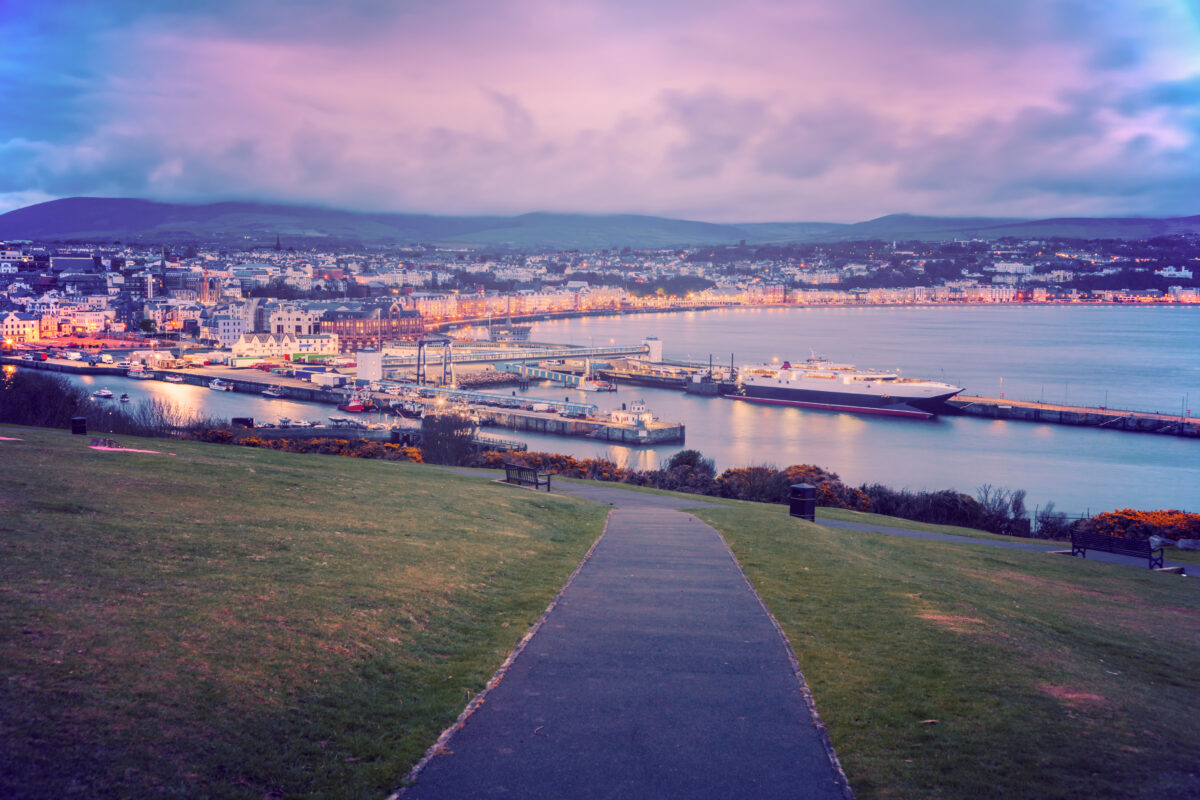
The main promenade can be busy, so locals shift to side streets and small parks for quiet walks. A popular pattern is a shorter walk along the upper promenade path, then dropping into residential lanes behind the seafront for quieter views and fewer people. Budget about 30–60 minutes for these mixed routes.
For a calm waterfront stretch, head east from the central pier toward the yacht marina, where foot traffic thins and seating is spaced more generously. If the marina area is full, try the lower cliff paths that parallel the promenade; these paths are often used by residents walking dogs or jogging.
Short walks favoured by residents and time estimate
A common local loop is a 3 km route combining promenade, marina, and a backstreet circuit. Expect 45–75 minutes including stops for photos or coffee.
Where to find calm waterfront stretches
Morning weekdays and late afternoons on weekdays are the least crowded times to use the waterfront. Avoid weekends between 11:00 and 16:00 if seeking quieter sections.
Everyday Eateries, Cafes, and Pubs Locals Prefer
Locals choose places based on convenience and consistency: small bakeries and delis for breakfasts, modest cafes for midday meals, and family-run pubs for evenings. Look for venues with regulars, repeat menus, and chalkboard specials rather than flashy tourist signage.
Typical costs: breakfast 3–7 GBP, lunch 6–12 GBP, pub meal 10–18 GBP. These are approximate ranges and will vary by venue. For the tightest budget, choose bakeries and sandwich shops or set-menu lunches at independent cafes.
Types of venues locals choose for different meals
Breakfast: bakeries and takeaways. Lunch: cafes with daily specials or small bistros. Evening: traditional pubs with simple cooked food and a steady local crowd.
How to spot a locally frequented spot
Signs include a handwritten menu, early queues on weekdays, and staff who know regulars by name. If locals are using takeaway cups or bringing dogs inside, the venue is likely community-run rather than tourist-focused.
Where to Stay and Compare Neighbourhoods
Choose accommodation based on priorities: proximity to the pier and main shops for convenience, or quieter residential streets a short walk away for peace and lower nightly rates. Travelers who want evening local life should stay near the promenade; those who prefer early-morning calm should pick streets behind the center.
Disclosure: This section may contain affiliate links. If you book through the map below, we may earn a commission at no extra cost to you.
[rtb_stay22_map city=”Douglas” region=”Douglas” country=”Isle of Man” venue=”Douglas” campaign=”twoscotsabroad_douglas_local-favorites-secrets”]Neighbourhood quick comparison
Promenade area, best for evening walks and being central; expect higher rates. Residential lanes one to two blocks behind the center, quieter and often better value. Outskirts near transport hubs, economical but require short bus or tram rides into town.
Budget and Costs
Douglas can be managed on a tight budget with a few simple choices. Public transport day tickets, cooking occasional meals, and favouring bakeries over sit-down restaurants will cut costs.
Estimated daily budget ranges for independent travelers: low budget 35–60 GBP (hostel or budget B&B, self-catering, occasional paid attraction), mid budget 70–130 GBP (private B&B, several meals out, one or two paid activities). Always carry a small amount of cash for market stalls and smaller cafes.
Money-saving opportunities
Buy a day bus/tram pass if planning multiple trips, eat where locals eat for set-menu deals, and time visits to free community events.
Seasonal Local Activities and Community Events
Community events shape local life, including small markets, amateur theatre, and seasonal seafront gatherings. These are typically announced on municipal calendars and local notice boards.
For up-to-date schedules consult the local council events page and the official Isle of Man tourism site for seasonal highlights and any permit requirements. Arrive early for small events to avoid limited capacity and to interact with locals respectfully.
How visitors can join respectfully
Observe any entry fees, ask before photographing people, and buy from stalls when possible to support local organizers.
How to Behave Like a Local
Simple etiquette aligns visitors with local routines: queue patiently, keep noise moderate in residential areas after 21:00, and respect private property along the waterfront. When entering pubs, look for the atmosphere: some locals carry cash, so having some coins is useful.
Common traveler mistakes to avoid: assuming all venues accept cards, treating rush-hour promenades like open-market spaces, and photographing private gardens without permission.
Noise, queuing, and conversation norms
Polite and reserved interactions work best. Wait your turn in queues, speak at a conversational volume, and use please and thank you when interacting with staff.
Supporting local businesses responsibly
Buy small items from local markets, choose community-run cafes, and prioritize quality over quantity when purchasing souvenirs.
Suggested Itineraries
Half day: morning walk along quieter promenade stretches, coffee at a bakery, short visit to a local museum or gallery.
Full day: early breakfast, extended waterfront and marina walk, market or lunch in an independent cafe, afternoon museum or tram ride for island context, evening pub meal.
Two days: combine the full day above with a second day exploring a nearby village, using local buses or ferries for short inter-town travel. Adjust timing to avoid midday promenade crowds. If you’re planning a longer stay, check out our guide on how many days you should spend in Douglas for more detailed suggestions.
Practical Travel Tips
- Carry a small amount of cash for bakeries, market stalls, and small pubs; not every local venue accepts cards.
- Travel on weekdays early or late to avoid the busiest promenade times: aim for 09:30–11:00 or after 16:00.
- Buy a day bus or tram pass if making more than two trips; it often saves money over single fares.
- Look for handwritten menus and chalkboard specials to find locally frequented eateries and better prices.
- Check municipal event calendars before travel to catch small community events and avoid disappointment.
- Avoid photographing people without asking, especially at community gatherings and markets.
- Bring layered clothing and a compact waterproof. Weather can be overcast and change quickly (as of June 2026, expect around 84°F with overcast conditions and 65% humidity), and locals dress in layers year-round.
- If staying in a residential lane, keep noise low after 21:00 out of respect for residents.
Frequently Asked Questions
How can I find events that locals attend in Douglas?
Check the municipal events calendar and the official Isle of Man tourism site for weekly markets and seasonal activities; local notice boards and cafe windows often list small community events too.
Are there quieter walking routes away from the main waterfront?
Yes. Locals use upper promenade paths, marina areas, and backstreet residential lanes behind the seafront for quieter walks, especially on weekday mornings and late afternoons.
How do I support local businesses respectfully?
Buy from market stalls, choose independent cafes and pubs, ask before photographing venues or people, and prefer quality purchases from local artisans over cheap mass souvenirs.
Is Douglas expensive for food and accommodation?
Douglas offers a range: budget travelers can
