
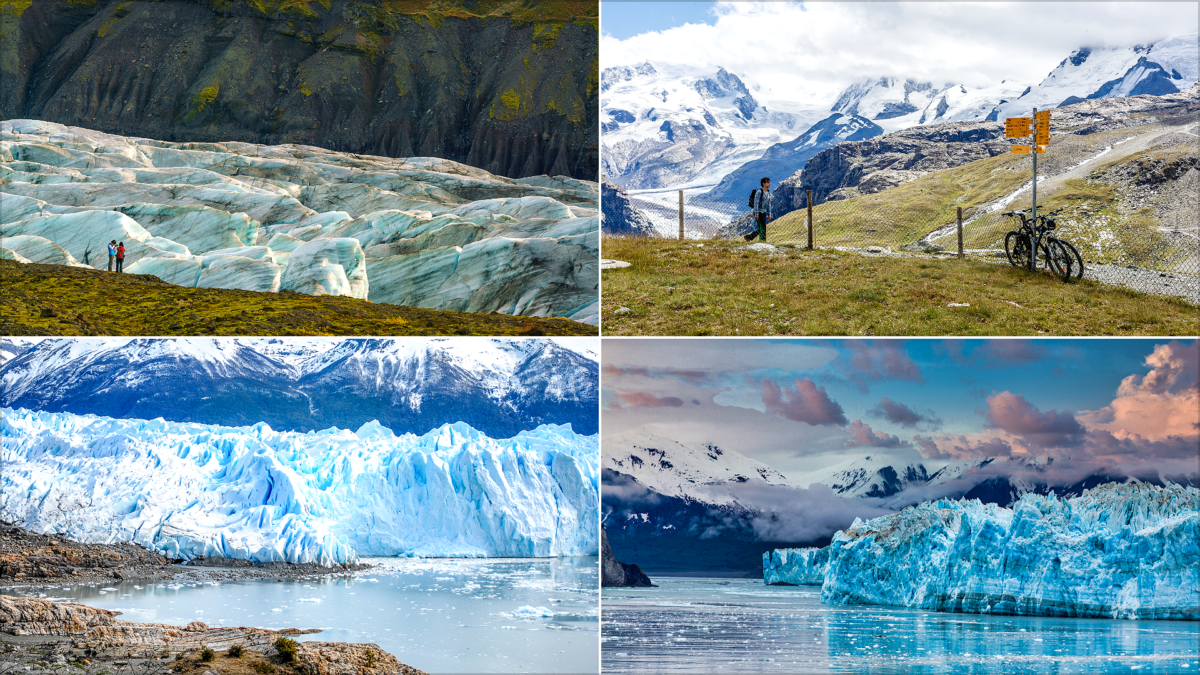
Epic Glaciers You Can Visit Around the World is not just a dreamy bucket-list idea for polar expeditions and luxury cruises. Some of the best glacier views on Earth are surprisingly reachable by road, rail, cable car, or short boat trip.
That does not make them ordinary. You are still looking at moving ice on a massive scale, whether it is a wall of blue-white ice above Lago Argentino, a tidewater glacier in Alaska, or a frozen river beneath the peaks near Chamonix.
Many glaciers are retreating as the climate warms, so a trip like this comes with a bit of perspective as well. Go for the scenery, but tread lightly and pick operators and routes that keep the impact sensible.
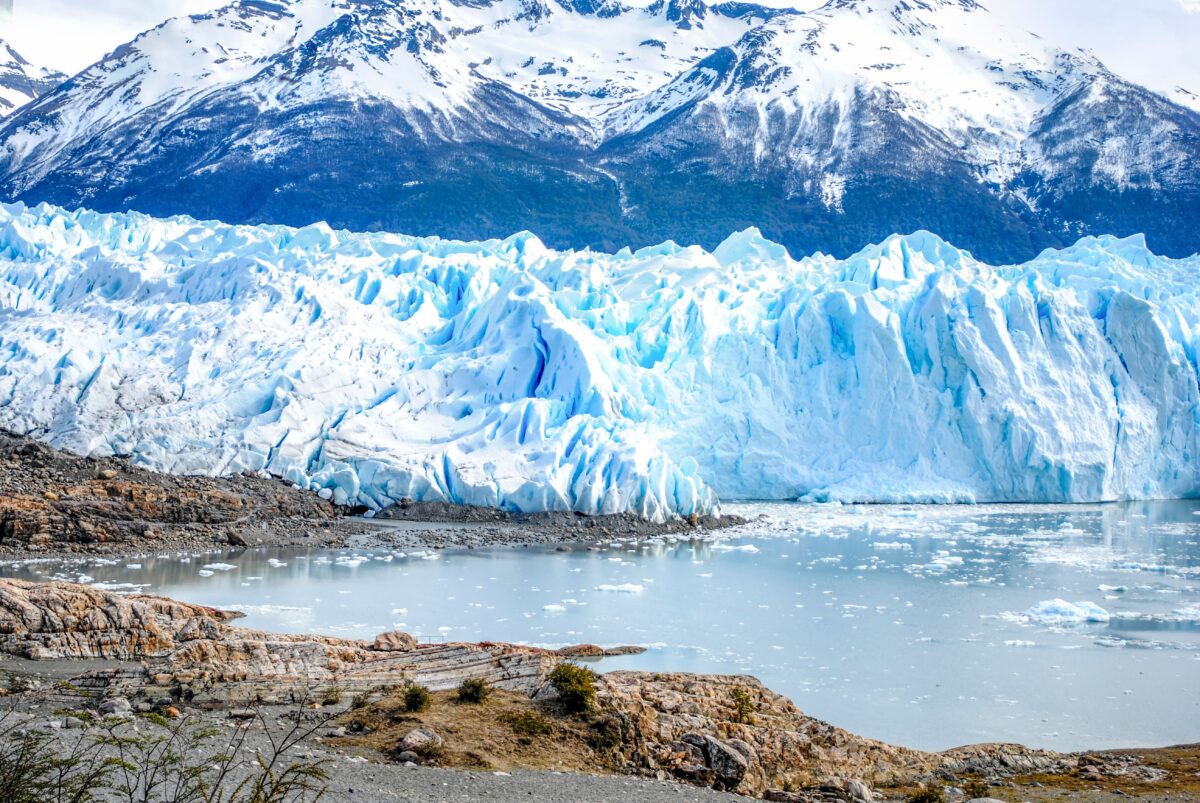
Perito Moreno Glacier, Argentina
If you want one glacier that delivers the full postcard version, Perito Moreno Glacier in Los Glaciares National Park is hard to beat. It stretches for about 19 miles, and its face rises roughly 240 feet above Lago Argentino. The glacier covers around 97 square miles, which helps explain why even the boardwalk viewpoints feel tiny beside it.
The big draw is the noise. Huge chunks of ice regularly break off the front of the glacier and crash into the lake. You can watch from the official viewpoints, take a boat for a closer look, or book a guided trek on the ice. The park’s network of walkways runs for several kilometers, so people who do not fancy a boat still get excellent angles without much guesswork.
The main base for planning is El Calafate, around 80 kilometers from the park approach used for Perito Moreno. The drive usually takes about 1 hour 20 minutes, and regular excursions run from town if you would rather skip hiring a car. The town is also home to the Glaciarium Ice Museum, which is a useful stop if you want context before heading out to the main event.
People staying longer sometimes look at historic Estancia Cristina as a more remote base inside the wider park area. If Patagonia is part of a bigger wildlife-heavy South America trip, the prep is not all that different from sorting essential Galapagos travel details: layers, windproof gear, and a bit of patience with transport go a long way.
No products found.
Hubbard Glacier, Alaska
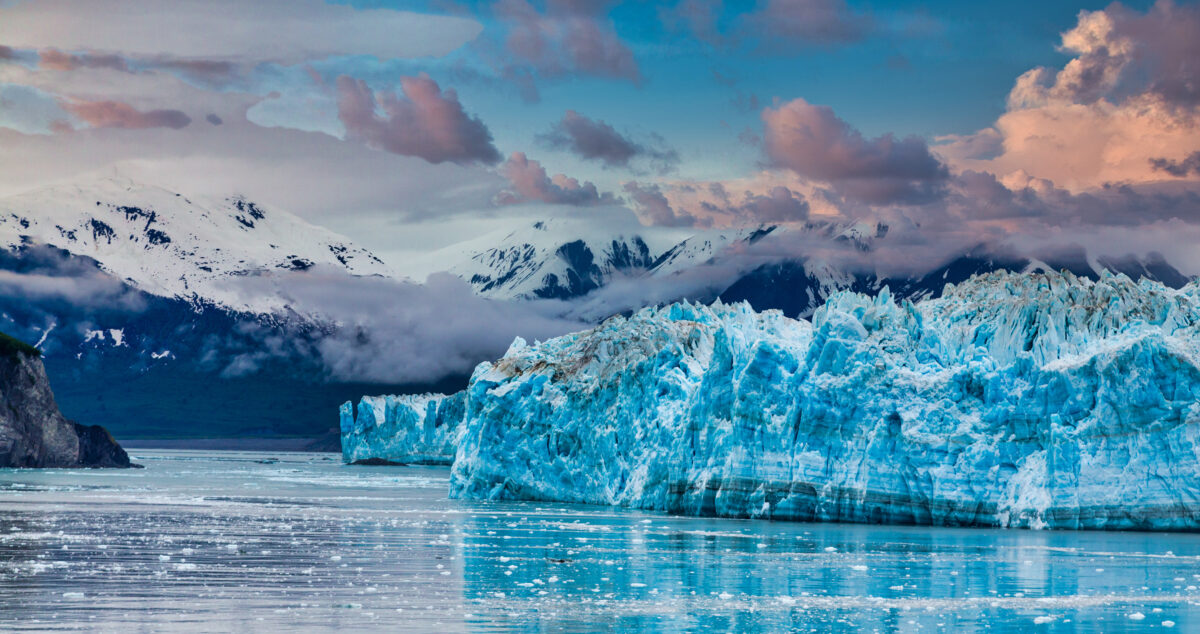
Hubbard Glacier is one of those places that makes even seasoned Alaska trip planners go quiet for a minute. It begins on Mount Logan and flows for more than 75 miles. At the sea, its face measures about six miles wide.
It is also the longest tidewater glacier in North America. Tidewater simply means the glacier reaches the sea, which is why calving is such a big part of the experience here. Hubbard has been one of the rare advancing glaciers in the region for years, though its behavior still shifts with conditions and seasons.
When large blocks of ice break away, the sound can be enormous. The glacier sits about 200 miles from Juneau, so most people see it by cruise ship, expedition vessel, or flightseeing trip rather than as a quick day out. Summer sailings from May to September are the usual window, with the most reliable access packed into the core cruise season.
If you are trying to keep costs under control, this is one of the better arguments for comparing Alaska cruise itineraries closely. Plenty of ships advertise glacier viewing, but not all routes include Hubbard Glacier. Cabin prices can swing a lot depending on whether the line treats glacier days as a headline feature or just one scenic stop among many.
Mer de Glace, France
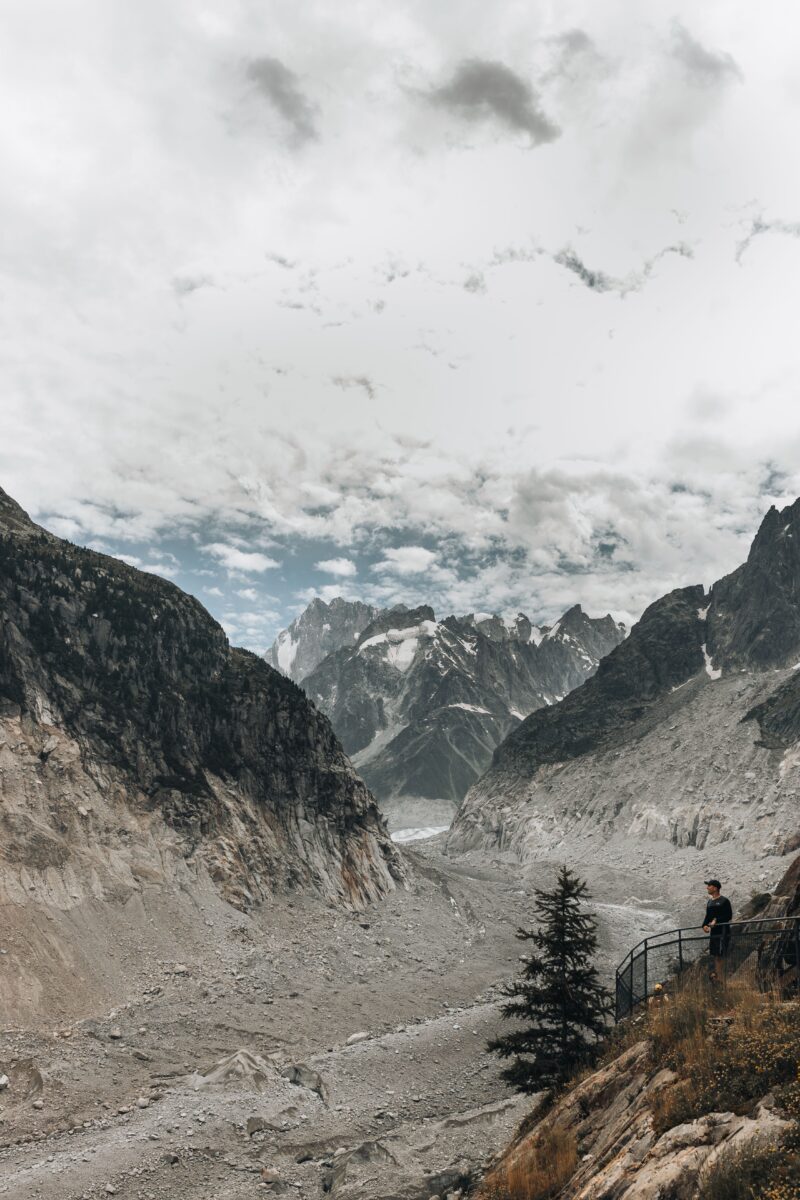
For an Alpine glacier that is famous and still fairly straightforward to reach, Mer de Glace near Chamonix deserves a spot on the list. The name means Sea of Ice, and it is one of the best-known glaciers in France.
It runs for more than four miles and reaches depths of over 650 feet. The appeal here is not just scale. Access is a lot easier than many first-timers expect, which is why it works well for day-trippers as well as people staying several nights in the valley. The classic route is the Montenvers rack railway from Chamonix, followed by steps and lifts down toward the glacier area.
There is a practical catch. Like many Alpine glaciers, Mer de Glace has shrunk sharply over the last century, and the number of steps down to the ice cave has increased as the glacier surface has dropped. You still get the views, but anyone with mobility concerns should check current access conditions before setting off.
Chamonix is already set up for mountain transport, so you can build a glacier day into a wider Alps trip without needing a full expedition budget. Anyone with more time can add hiking in the surrounding mountains, though glacier travel itself is best left to guided outings. If you are packing for shoulder-season mountain weather, a lot of the same logic applies as in this practical packing guide: layers beat bulky luggage every time.
Aletsch Glacier, Switzerland
The largest glacier in the Alps has serious scale, but it is also one of the more approachable glacier viewpoints in Europe. Aletsch Glacier sits within the Jungfrau-Aletsch UNESCO World Heritage Site, alongside the famous Jungfrau and Eiger peaks.
The glacier is about 14 miles long, and the broader Aletsch area forms the biggest continuous ice mass in the Alps. One of the practical viewing options is Bettmerhorn, which is reachable by cable car. From there, you get broad glacier views without needing technical mountaineering skills.
There is also a glacier museum with a permanent free exhibit, plus an ice terrace viewpoint. Summer hiking routes around Bettmeralp and Riederalp are well marked, while winter brings a very different kind of scenery if you are already in the region for skiing. Switzerland is not the cheap option on this list, obviously, but mountain transport passes can soften the blow if you are linking several lifts and trains in one day.
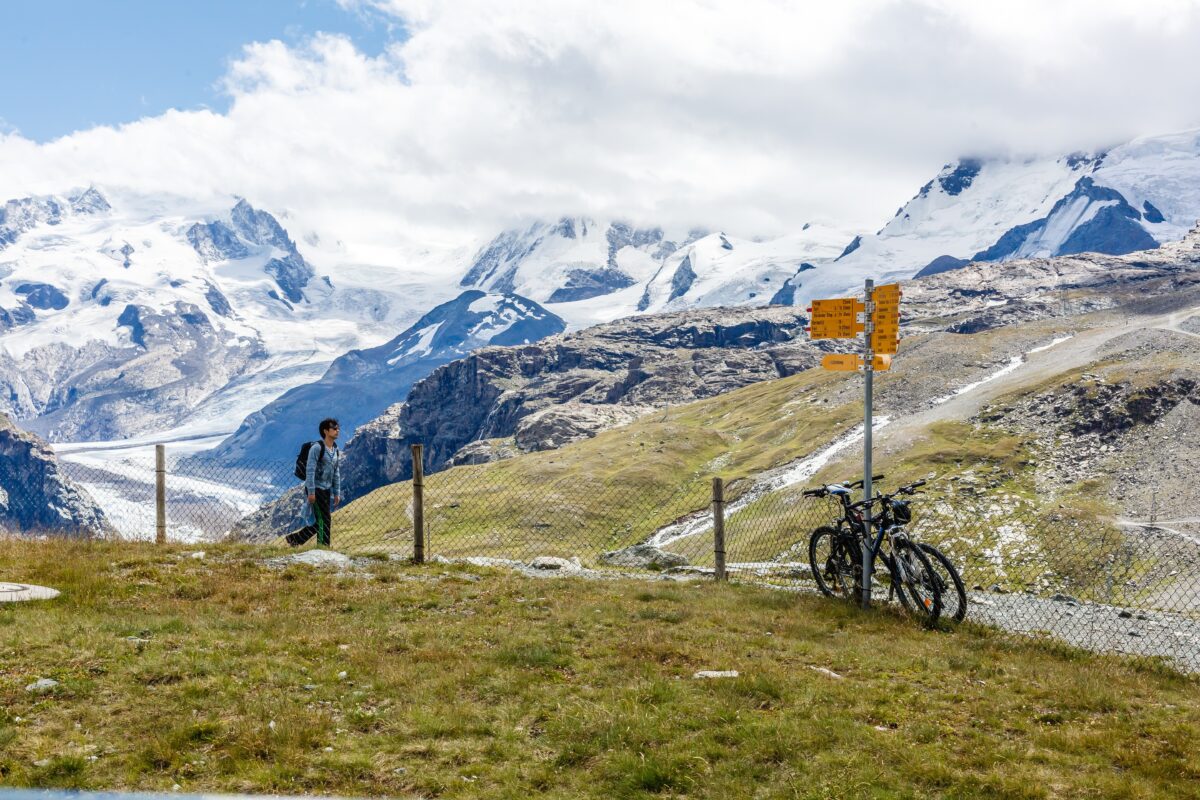
Vatnajokull And Snaefellsjokull, Iceland
Iceland earns its place on any glacier shortlist without trying very hard. More than 11 percent of the country is covered by icecaps, and Vatnajokull is one of the largest glaciers in Europe. It covers roughly 3,100 square miles, so this is less a single sight and more a giant icy system spread across southeast Iceland.
For a city-based introduction, Perlan in Reykjavik has a Glaciers and Ice Cave exhibition. That is handy if the weather turns messy or you want some background before heading out on the road. Reykjavik weather can flip fast even in shoulder season, and average daytime temperatures sit around 5°C to 10°C in October, so a waterproof outer layer is rarely dead weight.
For actual glacier-focused scenery, many people look to Snaefellsjokull, which rises over the Snaefellsnes Peninsula, or head southeast toward the lagoon and outlet glaciers tied to Vatnajokull National Park. Another common base for glacier and highland trips is the area around Hotel Husafell, which sits close to the Langjokull icecap.
Iceland is rarely a bargain destination, but it can still work well for independent trip planners because the country is compact enough to combine glaciers, waterfalls, and geothermal stops in one route. If you are mapping out a wider scenery-first trip, it pairs nicely with ideas like these beautiful bays around the world, especially if your camera roll is already in danger.
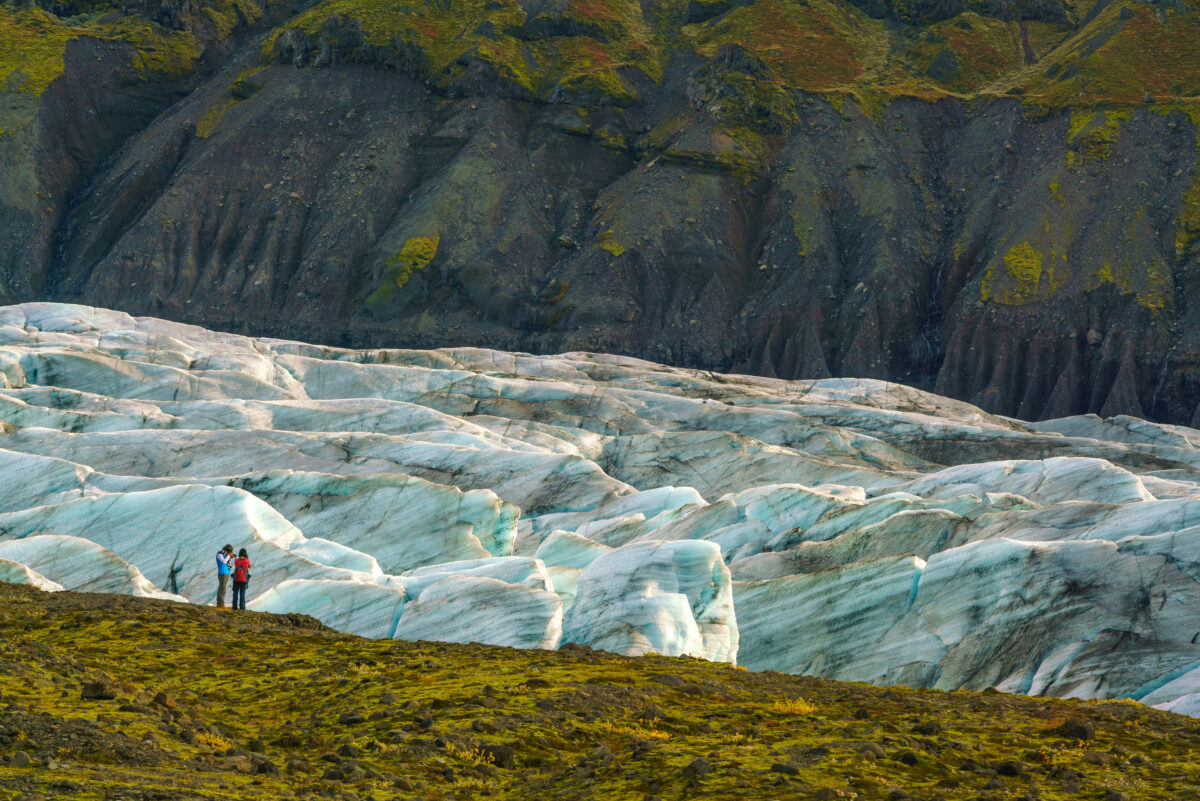
Columbia Icefield And Athabasca Glacier, Canada
If you want glacier access without leaving the road network, the Icefields Parkway in Alberta is one of the easiest big-scenery drives anywhere. The route between Jasper and Lake Louise runs for about 230 kilometers through the Canadian Rockies.
Along that stretch, you get access to more than 100 icefield glaciers, plus lakes, waterfalls, and mountain viewpoints that make the journey feel packed even before you stop at the main glacier sites. Fuel stations are limited on the parkway, so this is one road-trip day where topping up early is common sense rather than paranoia.
The best-known stop is the Columbia Icefield, where people can ride out onto the Athabasca Glacier. There is also the Glacier Skywalk, which looks out over a glacial valley from a raised viewing platform. The glacier has retreated significantly over the past century, and the roadside markers showing former ice edges are sobering in a very direct way.
This is one of the strongest options for families and road trippers who want a glacier trip without boats, long hikes, or specialist planning. You still need to respect mountain weather, but the access is about as straightforward as glacier country gets. If you are driving long distances to fit it in, the usual road trip mistakes apply here too, just with more elk and fewer service stations.
Svalbard, Norway
Svalbard is the Arctic option for people who want the wild setting as much as the ice itself. The islands sit roughly 650 miles from the North Pole, and more than 2,100 glaciers cover nearly 60 percent of the land area.
This is not a quick budget escape, but it is one of the most dramatic places on the list. The draw is the combination of glaciers, stark tundra, and wildlife like polar bears and reindeer. Around Longyearbyen, anyone heading beyond the settlement limits is generally expected to go with a guide or have the proper polar bear safety setup, which is not the kind of rule you ignore because a footpath looks obvious.
Trips here usually involve guided boat excursions, snow travel depending on season, or expedition-style touring. Summer brings easier boat access and the midnight sun, while winter is geared more toward snowmobile trips, ice caves, and dark-sky atmosphere. If you are spending the money to get that far north, it makes sense to stay a few days rather than trying to rush it.
Exit Glacier, Alaska
Not every glacier trip needs a ship. Exit Glacier in Kenai Fjords National Park is one of the most accessible glacier experiences in Alaska, and it is only a short drive from Seward.
That makes it appealing for independent road trips, especially if you are already building an itinerary around the Kenai Peninsula. You get a much easier logistics setup than at remote tidewater glaciers, while still seeing the scale and raw texture of glacial ice up close. The lower trails are short and manageable for many day-trippers, while the more demanding Harding Icefield Trail is a full workout with serious elevation gain.
People with limited time in Alaska often find this a more realistic pick than trying to cram in a cruise segment just for glacier viewing. Park signs along the route also mark where the glacier used to reach in earlier decades, which gives the landscape a slightly sobering running commentary as you walk.
How To Choose The Right Glacier Trip
Not every glacier destination suits every budget or travel style. A few practical differences matter more than the photo count.
- Best for easy access: Exit Glacier, Mer de Glace, Athabasca Glacier, and Aletsch Glacier.
- Best for dramatic calving: Perito Moreno and Hubbard Glacier.
- Best for Arctic atmosphere: Svalbard.
- Best for a road trip: Iceland and Alberta’s Icefields Parkway.
- Best for a one-base stay: El Calafate, Chamonix, Reykjavik, and Seward.
If you are watching costs, the cheapest glacier trip is often the one that fits cleanly into a bigger route. Adding Mer de Glace to time in Chamonix or stopping at the Columbia Icefield during a Rockies drive usually works out better than building a whole trip around a single remote sighting. That same approach works nicely if you are already comparing Nordic city breaks such as Oslo versus Stockholm and want to tack on scenery without rebuilding the whole trip from scratch.
What To Pack For Glacier Viewpoints And Boat Trips
Even the easy-access glacier stops can be cold, wet, and windy. Conditions change quickly around big ice and mountain weather has a habit of ignoring your plans.
- Waterproof jacket for spray, rain, and wind
- Warm mid-layer even in summer
- Grippy shoes or light hiking boots for wet steps and rough paths
- Sunglasses and sunscreen because snow and ice reflect light hard
- A small waterproof bag or cover for phones and cameras on boats

UIQUR
UIQUR Mens Rain Jacket Raincoat Waterproof Windbreaker Black L | Lightweight Packable Design For…
We earn a commission if you buy through this link, at no extra cost to you.
Seeing Glaciers Responsibly
There is no getting around the awkward part. Glaciers are stunning because they are ancient, powerful, and fragile all at once. Many are shrinking, and the trip itself should not add unnecessary strain.
Stick to marked viewpoints and guided routes. Do not walk onto glacier surfaces without proper supervision and equipment. Crevasses can be hidden by thin snow bridges, and even well-known glaciers are not casual walking terrain.
If you are booking a boat or trekking day, choose established operators in places like Los Glaciares National Park, Kenai Fjords National Park, or the Alpine resort networks around Chamonix and the Swiss Alps. That keeps the experience safer and usually gives you a much better understanding of the landscape than simply turning up, snapping a few photos, and heading off for coffee.
