
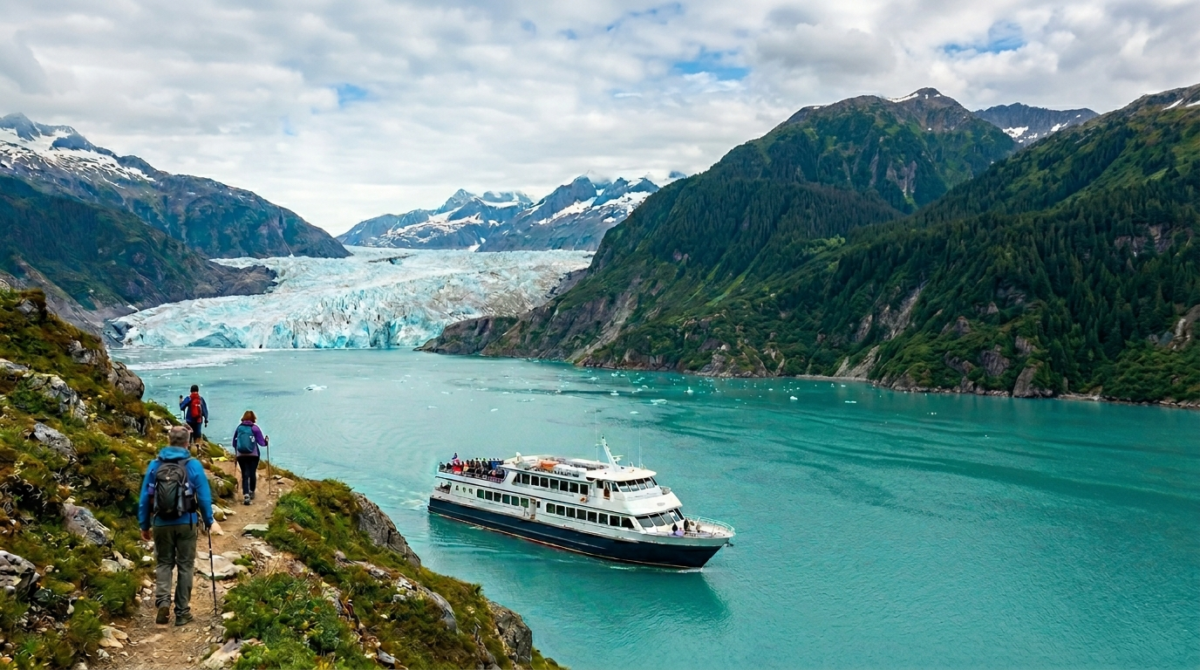

Alaska attracts travelers for two basic reasons: the chance to see large-scale wilderness and the logistics that come with it. Visitors commonly combine short city stays, cruise or ferry travel, and outdoor days that require very different gear in a single trip. This guide explains what people actually need to bring, how to dress for variable weather, and which items will waste space.
Expect rapid weather changes, varied transport modes, and occasional strict baggage limits on regional flights and ferries. Read on for season-specific clothing advice, footwear and activity gear, electronics and document tips, health-and-safety essentials, common oversights, and compact printable checklists for city, cruise, and hiking trips.
Packing philosophy: layers, versatility, waterproofing
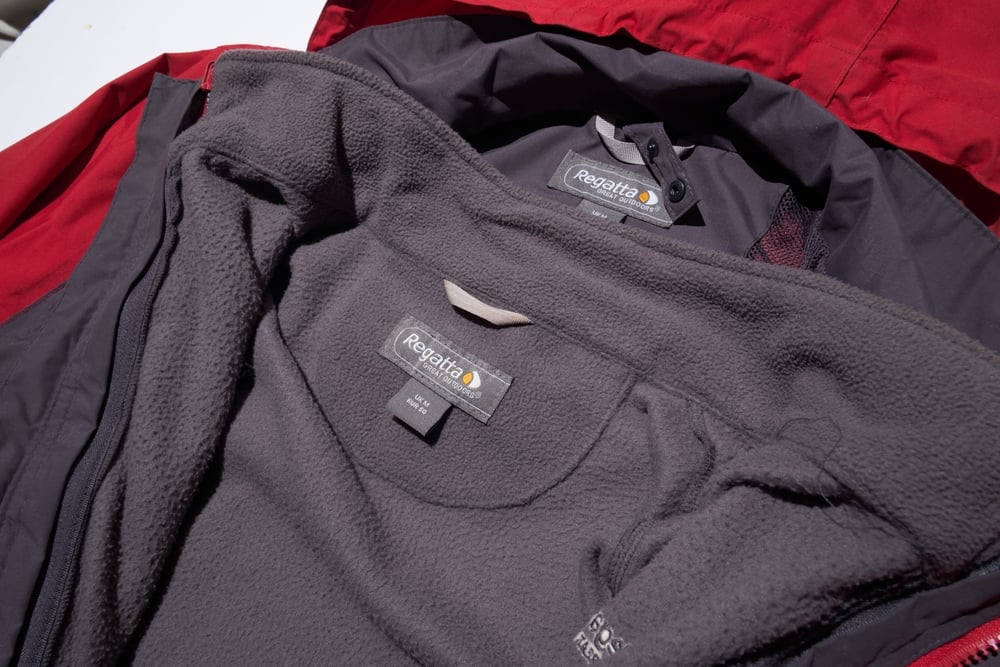
Editorial credit: seeshooteatrepeat / Shutterstock.com
Alaska travel is about flexibility, not fashion. Bring garments that layer, compress, and dry fast so the same items work across a rainy city day, a chilly boat ride, and a sunny inland hike.
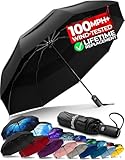
TUMELLA Strongest Windproof Travel Umbrella (Compact, 100MPH Wind-Tested)

Outdoor Ventures Men's Packable Hooded Puffer Jacket Insulated Winter Coat
Prioritize a warm insulating midlayer, a breathable base layer, and a reliable waterproof outer shell. Choose neutral clothing colors for mixing and matching, and favor fabrics that dry quickly over heavy cotton.
If luggage is limited, pack items that serve multiple purposes: a midweight fleece can be a sleep layer on a ferry, and a packable down jacket doubles as evening insulation. Avoid one-use items that take space and weight.
Why layers beat single heavy garments
Layering lets travelers adapt to microclimates: coastal fog and wind, sunny alpine ridges, and warm interiors. Layers also reduce laundry needs because you can change the layer combination rather than whole outfits.
For insulation, prefer synthetic or down fill. Synthetic handles damp conditions better, while down packs smaller and is warmer per weight when dry.
How to prioritize for limited luggage
Limit bulky items: one insulated jacket, one waterproof shell, two insulating midlayers, and a selection of quick-dry base layers. Use compression or packing cubes to save space and keep dirty clothes separate.
If planning guided excursions with strict weight limits, weigh gear at home and carry the most essential items in carry-on. Consider shipping heavy items ahead only for extended stays.
Clothing checklist by season
Alaska seasons vary a lot. Summer means long daylight and mosquitos in some areas, autumn and spring are wet and variable, and winter is cold with limited daylight in interior and northern regions.
Below are compact, season-focused lists; mix and match if your trip crosses months.
Summer essentials (June to August)
Bring a lightweight waterproof jacket, an insulating midlayer, quick-dry shirts, one pair of convertible hiking pants, and a brimmed hat for sun and drizzle. Include a packable rain poncho if you plan many boat excursions.
Budget estimate for common items: waterproof jacket $80–$300, midlayer $40–$200 depending on fill and brand.
Spring and autumn adjustments (May, September)
Add warmer base layers and a warmer hat; nights and mornings can be close to freezing inland. Footwear should be fully waterproof because trails are often muddy.
Plan for shorter daylight and cooler mornings: carry a headlamp for early starts, estimated cost $15–$60.
Winter-specific items (October to April)
Winter trips need a heavy insulated coat, thermal base layers, insulated waterproof boots, and warm gloves. If visiting northern or interior Alaska, add face protection and hand warmers.
Expect winter clothing costs to be higher; renting specific technical items is a reasonable option for the occasional traveler.
Footwear, outerwear, and activity-specific gear

Choose footwear and outerwear for the planned activities: cruising and city time require different shoes than multi-day hikes. Think waterproofing and traction first, then weight and versatility.
For many visitors, two pairs of shoes cover most needs: a waterproof hiking shoe or boot for trails and a comfortable low-profile shoe for city and ship decks. Bring moisture-wicking socks and a small sewing kit for quick repairs.
Hiking vs waterproof boots
Day hikes on well-maintained trails are fine in sturdy waterproof hiking shoes; for boggy terrain or long treks, choose a waterproof boot with ankle support. Break in footwear before the trip to avoid blisters.
Stow lightweight gaiters if expecting deep mud or wet snow; they save socks and are small in the pack.
Cruise-friendly footwear and formal options
Cruise ships and lodges may have casual dress nights; pack one smarter outfit and polished shoes if you plan to dine in formal venues. Non-slip deck shoes are useful for small boat excursions.
A foldable pair of rubber overshoes can protect nicer shoes from wet shore landings.
Short gear list for activity-specific needs
Fishing: waterproof waders or boots and quick-dry clothing. Glacier travel: crampons and technical layers often provided by tour operators, but confirm reserve requirements. Kayaking: a splash jacket and neoprene layers are useful.
Reserve or confirm specialized gear with your operator if required, arrival time and luggage limits matter for on-board storage; check with providers before travel.
Electronics, documents, and money
Electronics should be chosen for durability and power longevity. Expect limited outlets on smaller boats and remote lodges, so pack a high-capacity power bank and charging cables for every device.
Keep photocopies of important documents both digitally and in a waterproof paper copy. Use a travel wallet or neck pouch for easy access during transfers and excursions.
Essential electronics
Bring a reliable phone, a camera with spare batteries or chargers, and a power bank. A portable battery of 20,000 mAh or more is recommended for multi-day excursions.
One practical pick is a compact power bank for phones and cameras. Here is a quick product lookup suggestion.
Travel documents and money
Carry government ID or passport, printed reservations, travel insurance details, and emergency contact information. For U.S. visitors, carry a secondary ID and digital copies stored securely.
Notify your bank if you will use cards in small Alaskan towns to avoid holds. Cash is handy in remote places, but card acceptance is common in most towns and onboard larger vessels.
Health, safety, and wildlife preparedness
Alaska requires practical safety planning: insect protection in summer, bear-aware behavior around wildlife, and basic medical readiness for remote travel. Understand what to do if you encounter wildlife and carry appropriate deterrents when advised.
Pack a compact first-aid kit and any prescription medications in original bottles. Consider travel insurance that covers evacuation for remote activity days.
First-aid, insects, and cold-weather health
Include blister care, antihistamines, and sea-sickness remedies if you are prone to motion sickness. Sunscreen and sunglasses are necessary even in cool weather because daylight can be intense.
A compact first-aid kit is extremely useful for day trips. Here is a quick product lookup suggestion.
Bear safety and wildlife considerations
Carry bear-aware tools and know local rules: some parks require bear spray for backcountry travel, while other areas limit where it can be used. Store food securely and follow park guidance when camping.
Check the National Park Service pages for park-specific wildlife rules before your trip, and consult the Alaska Department of Fish and Game for regional advisories.
What people forget and what they overpack
Commonly forgotten items include spare phone chargers, a reusable water bottle, small toiletries in travel sizes, and photocopies of documents. Travelers also often forget a warm hat and waterproof gloves for boat days.
Items people bring unnecessarily: multiple heavy sweaters, extra formal clothing if not planning formal dining, and duplicate electronics. Avoid taking both bulky and heavy versions of the same item.
Things travelers commonly forget
Waterproof stuff sacks or dry bags for electronics, a small headlamp, spare batteries or chargers, and insect repellent with DEET or picaridin in mosquito-heavy areas. Also, bring a light pair of gloves for chilly mornings.
Label electronics and chargers so replacements are easy to identify in shared accommodations.
Items often brought unnecessarily
Too many shoes and multiple heavy coats add weight without real benefit. If staying on a cruise or lodge, check what laundry services are available to reduce outfit counts.
Avoid overpacking printed guidebooks when offline map apps can handle most navigation needs.
Printable quick-checklists for common trip types
Below are short, printable checklists tailored to typical Alaska itineraries: city break, cruise with short shore excursions, and hiking-focused trips. Use them as a final pre-departure scan to avoid last-minute oversights.
If comparing neighborhoods or accommodation options, use the live rates map to check where to stay.
City break checklist
Essentials: waterproof jacket, one insulating midlayer, comfortable walking shoes, phone and charger, travel wallet with ID and reservations, small daypack, reusable water bottle.

SHRRADOO Extra Large Travel Laptop Backpack for Men, Work College Backpacks
Disclosure: This section may contain affiliate links. If you book through the map below, we may earn a commission at no extra cost to you.
[rtb_stay22_map city=”Alaska” venue=”Alaska” campaign=”twoscotsabroad_alaska_packing-list”]Cruise + shore excursions checklist
Essentials: waterproof outer shell, insulating midlayer, non-slip deck shoes, binoculars, camera with spare battery, small dry bag, sea-sickness medicine, and a smarter outfit for evening dining.
Pack a small daypack for shore landings and confirm luggage rules with your cruise operator.
Hiking-focused checklist
Essentials: waterproof hiking boots, gaiters, base layers, warm midlayer, waterproof shell, headlamp, map or GPS, personal first-aid kit, bear deterrent if advised, and sufficient water containers.
A lightweight daypack with a rain cover keeps essentials dry and accessible.
Practical Travel Tips
- Label chargers and cables with colored tape to avoid confusion in shared gear piles.
- Weigh your main bag at home to avoid surprise fees on regional flights with tighter limits.
- Store important docs digitally in encrypted cloud storage and carry printed copies in a waterproof sleeve.
- Use packing cubes to separate warm layers from clean clothes and to compress bulkier items.
- Confirm specialized gear requirements with tour operators at least 2 weeks before departure.
- Bring small amounts of cash for remote towns where card machines may fail, but keep most funds on cards.
- If visiting multiple climate zones, plan outfits by activity and pack one extra base layer for multi-day hikes.
- Test any new outdoor footwear on local trails before departure to prevent blisters.
- Check current wildlife alerts from park services for areas you will visit, and follow posted guidance.
- Reserve guided activities early in high season to lock in departure times and group size limits.
Frequently Asked Questions
Can I bring bear spray to Alaska and carry it on a plane?
Bear spray is allowed for land use in many areas, but airline rules restrict carrying it in checked or carry-on baggage. Pack bear spray in checked luggage only if the airline permits it, and check park-specific regulations before relying on it for backcountry travel.
Do I need special clothing for an Alaska summer?
Summer clothing should focus on layering: a waterproof shell, insulating midlayer, and quick-dry base layers. Mosquito protection and a brimmed rain hat are useful in coastal and interior lowland areas.
What essential electronics should I bring to Alaska?
Bring a phone with offline maps, a camera with spare batteries or charger, and a high-capacity power bank. Pack durable, waterproof cases or dry bags for electronics during boat trips.
Is renting gear in Alaska a good option?
Renting bulky or specialized items, like winter parkas or technical crampons, can save luggage space and cost for infrequent use. Confirm rental availability and sizing at major gateway towns before relying on it.
How much cash should I carry for remote towns?
Carry a modest amount of local currency for remote purchases and tips, but most towns accept cards. Keep cash in a secure location and avoid carrying large sums.
Final Thoughts
Packing smart for Alaska means planning for variety: unpredictable weather, multiple transport modes, and a mix of urban and outdoor activities. Prioritize layers, waterproofing, and compact safety gear, and trim duplicates to save weight.
Use the season-specific checklists above to finalize your bag, confirm any operator gear requirements, and weigh luggage before travel to avoid surprises.
