
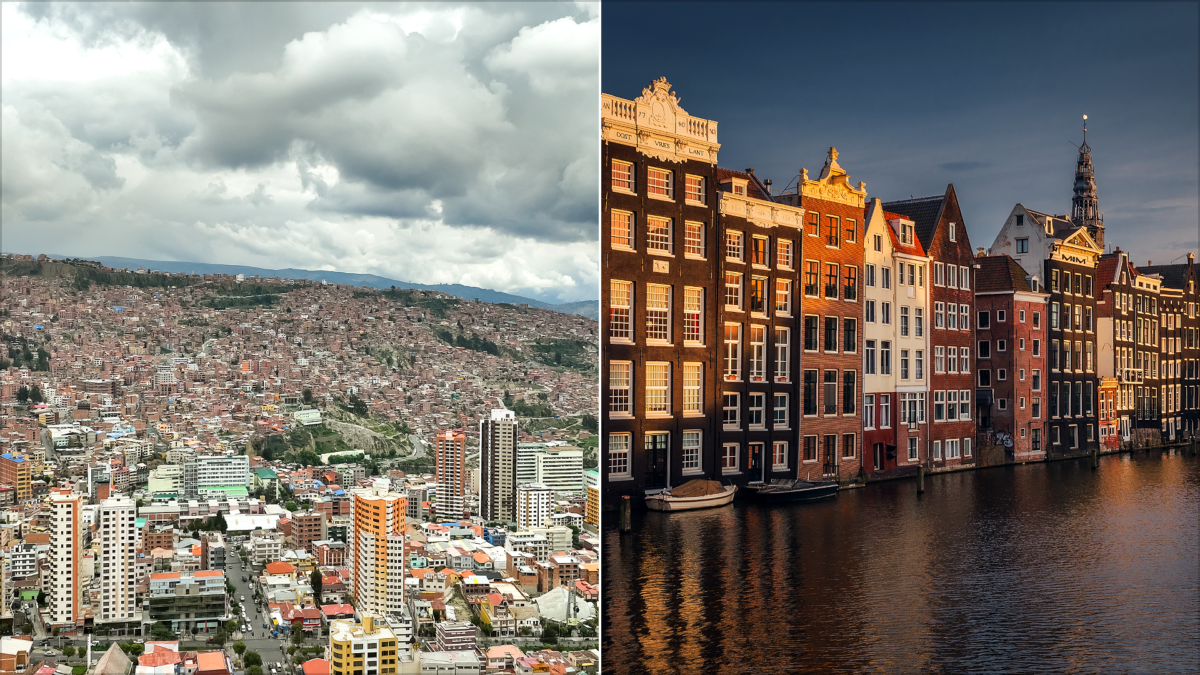
Several countries do not operate from a single capital city. Instead, government functions are split between multiple capitals for political, geographic, or historical reasons. In some places, parliament meets in one city while courts or executive offices operate somewhere else entirely. Travelers often pass through these destinations without realizing they are technically sharing national capital status.
South Africa is the best known example, but countries including Bolivia, the Netherlands, Malaysia, and Sri Lanka also divide government responsibilities across more than one city. For travelers, these split-capital systems can reveal very different sides of the same country.
Quick Answer: Which Countries Have Multiple Capitals?
These are some of the most notable countries with more than one capital city:
- South Africa, Pretoria, Cape Town, and Bloemfontein
- Bolivia, Sucre and La Paz
- The Netherlands, Amsterdam and The Hague
- Sri Lanka, Colombo and Sri Jayawardenepura Kotte
- Malaysia, Kuala Lumpur and Putrajaya
| Country | Capital Cities | Main Government Functions |
|---|---|---|
| South Africa | Pretoria, Cape Town, Bloemfontein | Executive, legislative, judicial |
| Bolivia | Sucre, La Paz | Constitutional and administrative |
| The Netherlands | Amsterdam, The Hague | Constitutional and government administration |
| Sri Lanka | Colombo, Sri Jayawardenepura Kotte | Commercial and legislative |
| Malaysia | Kuala Lumpur, Putrajaya | Commercial and federal administration |
In most cases, the arrangement exists because of political compromise, colonial history, or attempts to reduce pressure on major cities.
South Africa Has Three Capital Cities
South Africa operates one of the world’s most unusual capital systems. The executive branch is based in Pretoria, parliament sits in Cape Town, and the judicial branch is centered in Bloemfontein.
This arrangement dates back to the formation of the Union of South Africa in 1910, when different regions negotiated to share political power instead of concentrating everything in a single city.
For travelers, these cities offer very different experiences.
Cape Town attracts international tourism with Table Mountain, beaches, and wine regions. Pretoria functions more as an administrative center, while Bloemfontein receives fewer foreign visitors despite its importance within the judicial system.
The distances between them are substantial. Flying between Cape Town and Pretoria is common because overland travel takes significant time.
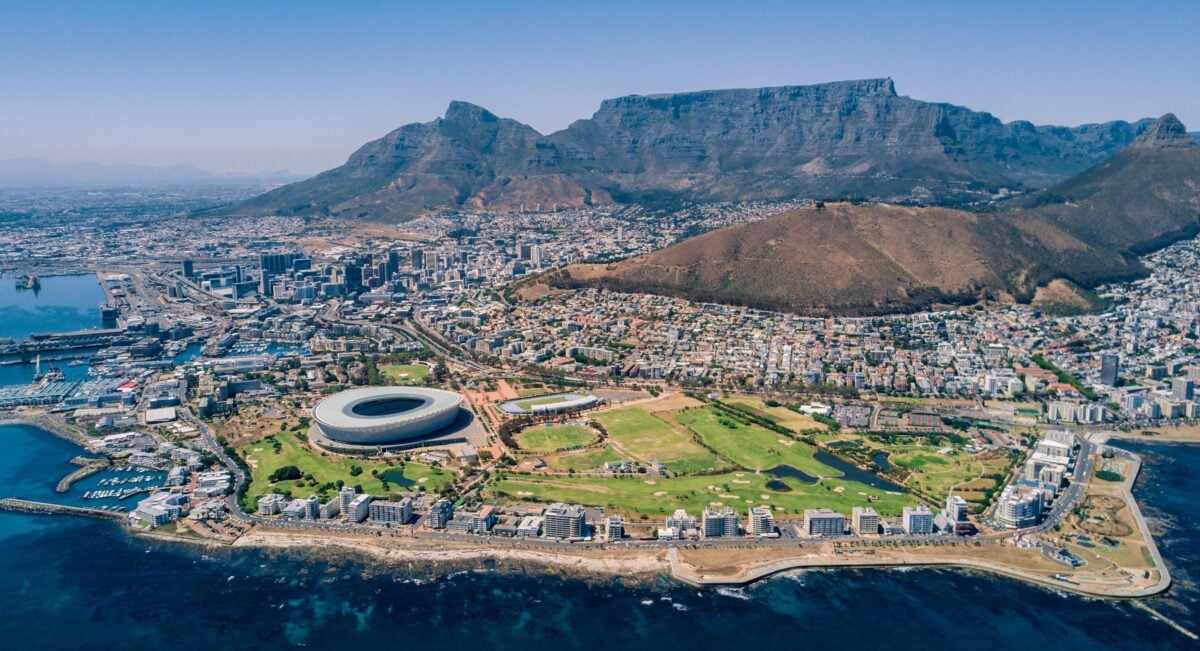
Cape Town, South Africa
Bolivia’s Split Between Sucre And La Paz
Bolivia technically recognizes Sucre as its constitutional capital, but most government operations function from La Paz.
Sucre remains home to the Supreme Court and preserves much of Bolivia’s colonial architecture. The city’s whitewashed historic center earned UNESCO World Heritage recognition and feels calmer than the country’s larger administrative centers.
La Paz, meanwhile, operates as Bolivia’s administrative capital and hosts the executive and legislative branches. At more than 11,000 feet above sea level, it is also one of the world’s highest capital cities.
The difference between the two cities creates an interesting contrast for travelers. Sucre feels more relaxed and historically preserved, while La Paz moves faster and reflects Bolivia’s modern political and economic life.
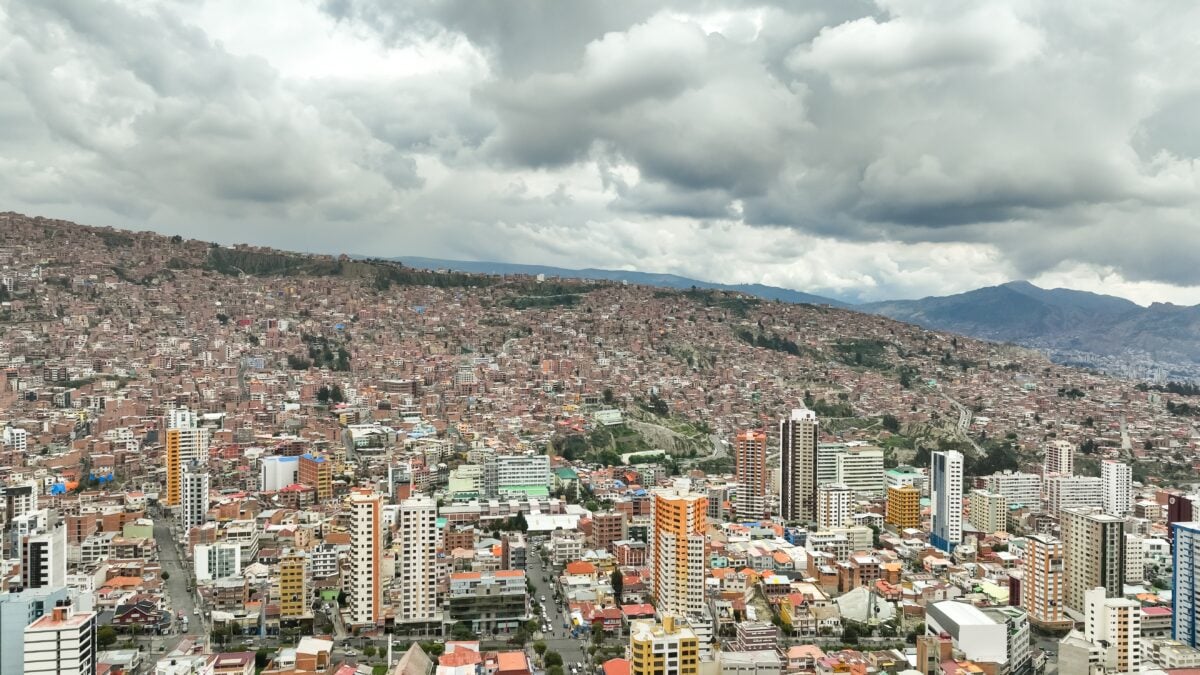
La Paz, Bolivia
The Netherlands Splits Duties Between Amsterdam And The Hague
Many travelers assume Amsterdam is the Netherlands’ only capital because it is officially recognized in the Dutch constitution. In practice, however, the Dutch government operates primarily from The Hague.
The Hague hosts parliament, the Supreme Court, embassies, and the Dutch royal offices. International institutions including the International Court of Justice are also based there.
Amsterdam still functions as the constitutional capital and remains the country’s largest tourism hub.
The short rail distance between the two cities makes it easy to visit both during the same trip. Trains typically take under an hour.
You can check current intercity rail schedules through the Dutch Railways official website.
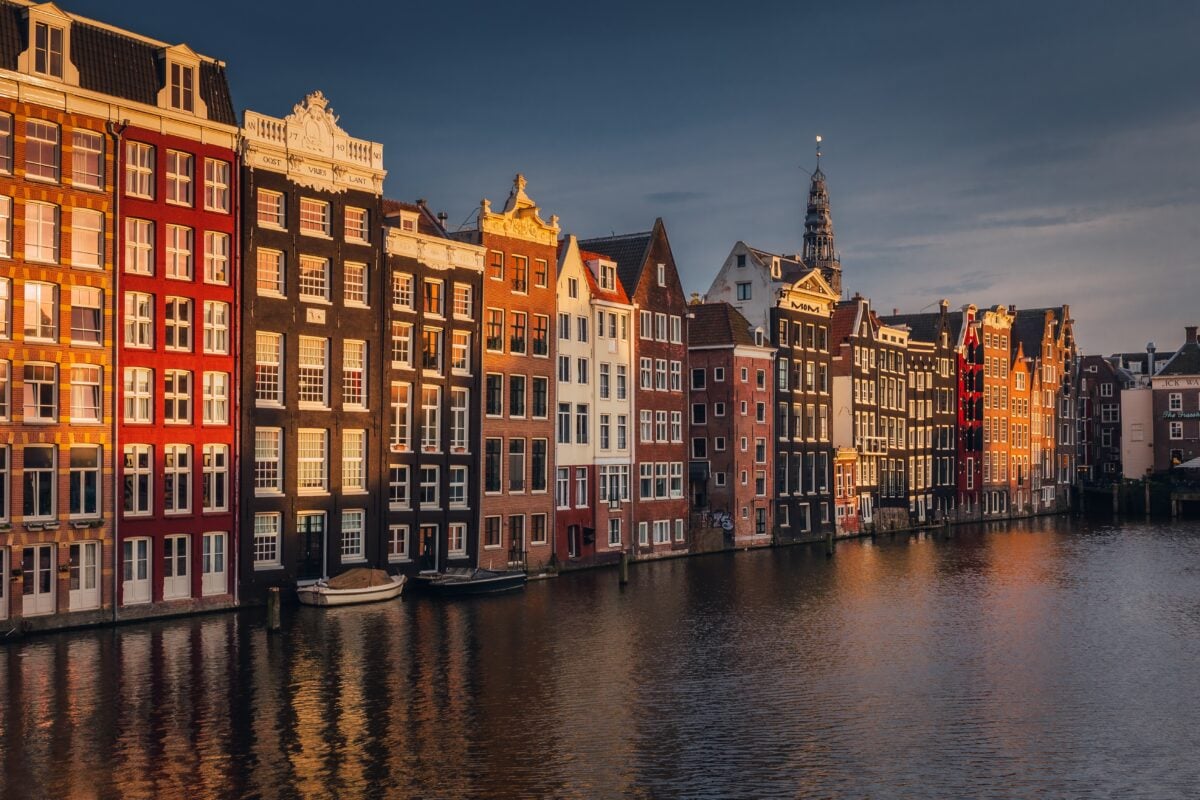
Amsterdam, Netherlands
Why Malaysia Created Putrajaya
Malaysia shifted many federal administrative functions from Kuala Lumpur to Putrajaya beginning in the late 1990s.
Kuala Lumpur remains the official national capital and financial center, but Putrajaya was designed as a planned administrative city intended to reduce congestion and centralize government operations.
The city features large boulevards, government complexes, artificial lakes, and modern Islamic architecture. Travelers often visit as a day trip from Kuala Lumpur because the cities are connected by road and rail.
Tourism infrastructure in Putrajaya is quieter compared to Kuala Lumpur, especially at night and on weekends when government offices close.
Sri Lanka’s Overlooked Administrative Capital
Sri Jayawardenepura Kotte handles Sri Lanka’s legislative functions, while nearby Colombo remains the country’s commercial and executive center.
Many visitors staying in Colombo never realize they are crossing into another capital area when traveling around the suburbs.
The parliament complex at Sri Jayawardenepura Kotte sits beside an artificial lake and was designed by architect Geoffrey Bawa. The city became the legislative capital partly because Colombo faced overcrowding pressures.
You can find updated visitor information through the Sri Lanka Tourism Promotion Bureau.
Why Countries Use Multiple Capitals
Multiple-capital systems usually develop for practical or political reasons rather than tourism.
Some countries divide functions to balance regional influence after political unions or conflicts. Others create secondary capitals to reduce overcrowding or modernize administrative systems.
In several cases, constitutional capitals remained historically important while governments gradually shifted daily operations elsewhere.
Travelers often notice that one capital city feels ceremonial or historic while another handles finance, administration, or diplomacy.
Planning A Trip Around Multiple Capital Cities
Visiting more than one capital city in the same country can provide a broader understanding of local politics, culture, and geography.
These trips usually work best when transportation links are efficient. The Netherlands and Sri Lanka are relatively straightforward because the cities sit close together. South Africa and Bolivia require more planning due to larger distances and elevation differences.
Before finalizing travel plans, check:
- Domestic flight schedules for larger countries
- Seasonal weather differences between regions
- Altitude concerns in destinations like La Paz
- Government holiday schedules that may affect attractions
Official tourism resources can help with transport and planning updates, including South African Tourism and Bolivia Travel.
Conclusion
Countries with multiple capitals often reveal more regional diversity than travelers initially expect. Political compromise, geography, colonial history, and urban planning all shaped these unusual systems.
For travelers, visiting both capitals usually gives a more complete picture of the country itself. Cape Town and Pretoria show very different sides of South Africa, while Sucre and La Paz feel almost like separate worlds despite sharing national status.
If you are planning international travel, checking how a country organizes its government can uncover destinations that many visitors overlook entirely.
