
Erman Gunes / Shutterstock.com
A road trip through the Scottish Highlands can take you past some of the best scenery in the country, from the mountains around Glencoe to remote coastal stretches and tiny villages where the journey is as much a part of the trip as the destination.
It can also be demanding on your car. Long distances, changing weather, narrow single-track roads and rougher sections of tarmac mean it is worth giving your vehicle a proper check before setting off.
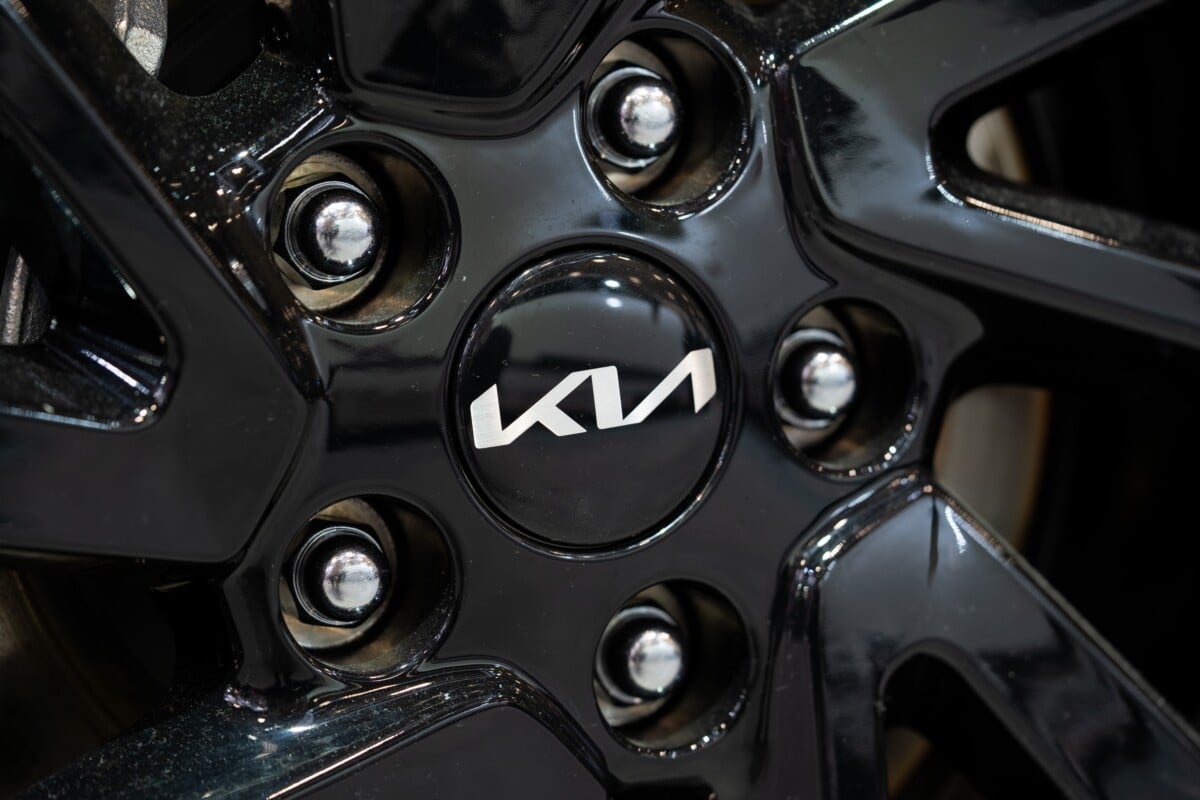
Most drivers naturally think about fuel and tyre pressure first, but a Highlands road trip is a good reason to look over the whole vehicle. Tyres, wheels, lights, fluids and the basic equipment in your boot can all make a difference once you leave the main roads behind. If you’re driving a Kia, that also means checking your tyres and Kia alloy wheels for any obvious signs of damage before you go.
You don’t need to turn the week before your holiday into a full mechanical inspection. The goal is simply to catch obvious problems at home, where dealing with them is much easier than discovering something is wrong on a quiet road miles from the nearest town.
Why Highland Roads Can Be Tough on Your Car
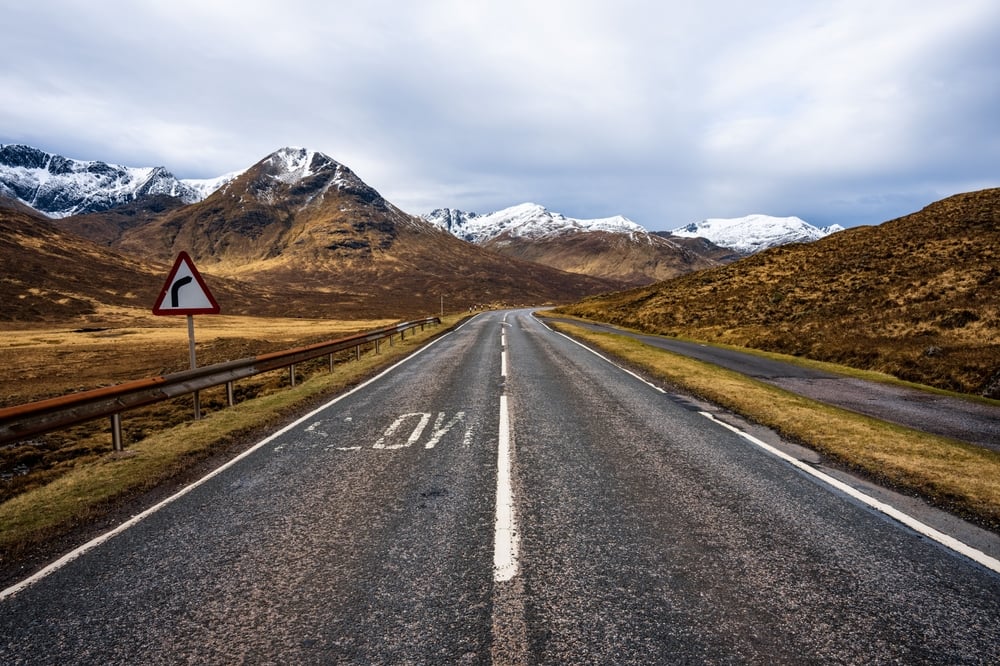
Driving in the Highlands is quite different from spending a few hours cruising along a motorway. Some routes involve long stretches of narrow road, uneven surfaces, potholes and loose gravel, particularly once you leave the main A-roads.
That doesn’t mean Highland roads are inherently dangerous or unsuitable for ordinary cars. Thousands of visitors drive them every year. It simply means you may encounter road surfaces and driving conditions that require a little more concentration than you’re used to.
Weather adds another variable. Heavy rain can make potholes harder to see, while frost and winter conditions can take their toll on road surfaces. If you’re travelling outside the warmer months, our guide to visiting Scotland in February gives an idea of how much conditions can change during a Highland trip.

Before a longer drive, it makes sense to check:
- Tyre pressure and tread depth
- Wheels for cracks, bends or obvious impact damage
- Wheel nuts or bolts for anything visibly loose or missing
- Tyres for cuts, bulges or uneven wear
- Your spare wheel or tyre repair kit, if your vehicle has one
- Engine oil, coolant and screenwash levels
- Headlights, brake lights and indicators
These are sensible checks before any long road trip, regardless of what make or model you drive.
Checking Your Kia Alloy Wheels and Tyres Before the Trip
Tyres are the obvious place to start because they are the part of the car actually touching the road, but the wheels themselves are worth checking at the same time.
Look for obvious cracks, bends, dents or areas where a wheel may have taken a hard knock. Minor cosmetic marks are common and don’t necessarily mean anything is wrong, but significant damage is something to have checked before committing to a long-distance drive.
This applies whether you’re driving a small hatchback, a family SUV or a rental car. If a damaged wheel does need replacing, make sure the replacement is designed for the exact vehicle specification rather than choosing one based on appearance alone.
Whether you’re replacing worn-out rims or planning a visual upgrade, Kia alloy wheels are worth considering, especially when browsing the range available at The Wheel Guys.
What to Check on Your Wheels Before Leaving
You don’t need to be a mechanic to carry out a basic visual inspection. Park somewhere flat and well lit, walk around the car and take a few minutes to look closely at each wheel and tyre.
| What to check | What to look for | Why it matters |
|---|---|---|
| Wheel rim | Cracks, bends or dents | Impact damage may affect how the wheel and tyre perform |
| Tyre sidewall | Cuts, bulges or cracking | Visible damage should be checked before a long journey |
| Tyre tread | Uneven or excessive wear | Uneven wear can sometimes indicate alignment or suspension issues |
| Wheel nuts or bolts | Missing or obviously loose fittings | The wheel needs to remain securely attached |
| Wheel finish | Corrosion or flaking | Worth monitoring, particularly after winter or coastal driving |
If you find a crack, significant bend, damaged tyre or anything else you’re unsure about, have it inspected professionally rather than assuming it will be fine for another few hundred miles.
It’s also worth paying attention to how the car feels before your trip. A new vibration through the steering wheel, unusual tyre noise or the vehicle noticeably pulling to one side can all be reasons to have it looked at.
Narrow Highland Roads Require More Attention
Single-track roads are part of the Highland experience. They can also take some adjustment if you’re used to wider roads.
Passing places, blind bends and approaching vehicles mean drivers often need to move closer to the edge of the road than they normally would. That makes it particularly important to watch for potholes, broken road edges and loose stones.
One of the easiest mistakes is concentrating so much on an approaching vehicle that you stop watching the road immediately in front of you. Slow down, give yourself room and avoid dropping a wheel onto a soft verge unless you genuinely have to.
Passing places are another part of Highland driving etiquette. Use them to allow oncoming traffic through and, when safe, to let faster vehicles behind you pass. Don’t stop in them for photographs or use them as parking spaces.
Slow down when visibility is limited and don’t feel pressured to match the speed of a local driver who knows the road far better than you do.
If you’re still putting your route together, our Europe road trip planning guide covers some of the wider preparation that can make a longer driving holiday easier.
Remember That You’ll Probably Be Carrying More Weight
A Highland road trip often means travelling with a fairly full boot. Waterproofs, walking boots, luggage, food, camera equipment and outdoor gear can quickly add up, particularly when several people are travelling together.
Before loading the car, check the manufacturer’s recommended tyre pressures for the number of passengers and amount of luggage you’re carrying. Some vehicles specify different pressures when heavily loaded.
Try to distribute luggage sensibly too. Keep heavier items secure and low in the boot rather than stacking everything loosely up to the rear window.
Aside from making packing neater, properly securing luggage means it is less likely to move around during sudden braking or while you’re navigating a winding road.
Plan for Long Distances Between Stops
One of the attractions of driving through the Highlands is getting away from busy towns and motorways. The downside is that fuel stations, garages, supermarkets and other services can be much further apart than visitors expect.
Don’t assume the next village on the map will have a petrol station or that it will be open late in the evening. If you’re heading onto a particularly remote route, topping up earlier than you normally would can save a lot of unnecessary stress.
That’s especially true when exploring more rural areas. For example, if your itinerary takes you towards the northern Highlands, our guide to things to do near Dornoch covers one of the areas where having your own car gives you much more freedom to explore.
A few simple precautions can make remote driving less stressful:
- Don’t wait until the fuel warning light appears before looking for a petrol station.
- Download offline maps in case mobile coverage disappears.
- Carry a charging cable or power bank for your phone.
- Keep drinking water and a few snacks in the car.
- Check the weather before heading onto remote routes.
- Keep a waterproof jacket somewhere accessible rather than buried under your luggage.
- Tell someone your plans if you’re heading somewhere particularly isolated.
Be Prepared for Four Seasons in One Drive
Scottish weather has a habit of changing quickly, and conditions in the Highlands can be very different from what you left behind earlier in the day.
A sunny morning doesn’t necessarily mean you’ll stay dry all afternoon. Rain, mist and stronger winds can arrive quickly, particularly on higher or more exposed routes.
That makes good visibility especially important. Make sure your windscreen is clean, your wipers are working properly and you have enough screenwash for the journey.
If conditions become uncomfortable, slowing down or stopping somewhere safe for a while is usually the better option. A Highlands road trip isn’t something you need to rush.
Look After Your Kia Alloy Wheels After the Trip Too
The checks shouldn’t necessarily end when you get home. Highland driving can leave wheels covered in mud, grit and road grime, while coastal routes can expose the car to salt and spray.
If your car has Kia alloy wheels, giving them a proper clean after the trip makes it easier to inspect the surface and prevents dirt and road grime from sitting on the finish for weeks. If you’ve hit a particularly nasty pothole during the journey, it’s also worth checking the affected wheel and tyre once you’re home.
Pay attention to any new vibration through the steering wheel, unusual noises or a tendency for the car to pull to one side. Those symptoms can have several causes, so getting the vehicle checked is preferable to trying to diagnose the problem yourself.
A Few Checks Can Make for a Better Highland Road Trip
Most Highland road trips are memorable for the right reasons: huge landscapes, winding roads, unexpected viewpoints, quiet villages and the occasional sheep deciding that the road belongs to them.
A little preparation helps keep it that way. Check your tyres, look over your wheels, make sure the car is properly maintained and plan ahead for the more remote stretches of your route.
None of this needs to make the trip feel complicated. Spending a few minutes checking the basics before you leave simply reduces the chances of a small problem interrupting a journey you’ve probably spent weeks planning.
Then you can spend less time worrying about the car and more time enjoying one of the best driving destinations in Scotland.
