
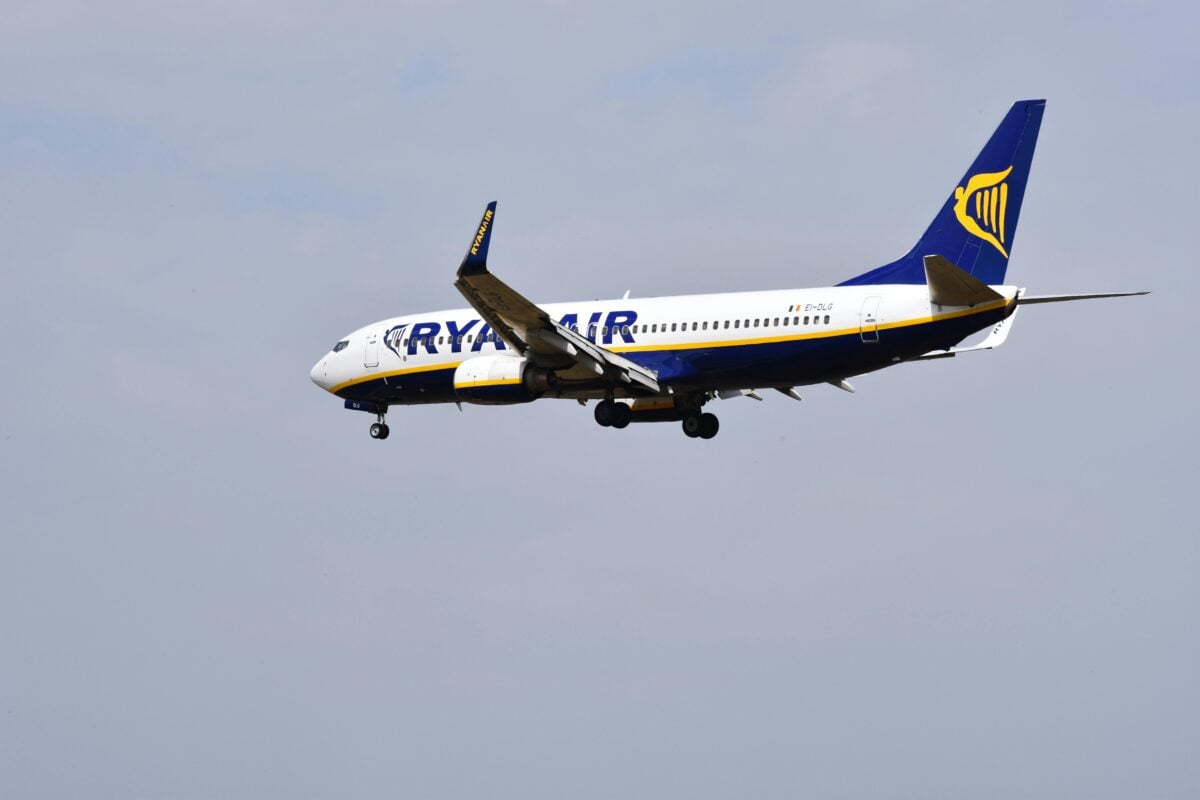
Europe’s biggest low-cost airline says it has entered a new financial era just as another busy summer travel season begins.
Ryanair confirmed on May 25 that it has repaid its final outstanding €1.2 billion bond, leaving the airline group effectively debt free for the first time since going public in 1997. The move gives the carrier one of the strongest balance sheets in European aviation at a time when airlines across the region continue dealing with rising operating costs, aircraft delivery delays, and competitive pressure on ticket prices.
For travelers, the announcement matters because Ryanair says its lower debt burden will help it continue offering cheaper fares while expanding across Europe over the next decade.
Why This Matters for European Travelers
Airlines with heavy debt loads often face higher financing costs, especially when interest rates rise. Those expenses can eventually filter down into airfare pricing, route cuts, or reduced flexibility during economic slowdowns.
Ryanair says eliminating its remaining bond debt gives it more room to keep ticket prices competitive even during periods of higher fuel costs and inflation.
The airline is already known for ultra-low base fares on short-haul European routes, connecting major tourism hotspots with smaller regional airports that are often cheaper to operate from.
With summer demand expected to remain strong in 2026, the company appears to be positioning itself for another aggressive expansion phase.
What Ryanair Paid Off
The final bond repaid by the airline was valued at €1.2 billion and had originally been raised during the COVID-19 travel crisis, when airlines across the world borrowed heavily to survive border closures and grounded fleets.
Unlike many European rivals that still carry substantial pandemic-era debt, Ryanair says it has now fully cleared those obligations.
| Key Financial Detail | Ryanair Status |
|---|---|
| Final bond repaid | €1.2 billion |
| Debt status | Effectively debt free |
| Aircraft fleet | 620 Boeing 737 aircraft |
| Credit ratings | BBB+ from Fitch and S&P |
| Long-term passenger target | 300 million annually by FY2034 |
What “Unencumbered Fleet” Means
Ryanair highlighted that its fleet of 620 Boeing 737 aircraft is “unencumbered,” an aviation finance term that means the planes are not tied up as collateral against loans.
That gives the airline additional financial flexibility because it owns its aircraft outright rather than relying heavily on leasing companies or secured financing agreements.
Many airlines lease large portions of their fleets to reduce upfront costs. While leasing can help carriers expand quickly, it can also increase long-term expenses and reduce flexibility during downturns.
Owning aircraft outright can lower operating costs over time, especially for a carrier built around high-volume, low-cost travel.
Low Fares Remain Central to Ryanair’s Strategy
Ryanair executives say the company plans to use its stronger financial position to widen the pricing gap between itself and competing airlines.
The carrier believes some rivals remain exposed to:
- Higher aircraft leasing costs
- Long-term pandemic debt repayments
- More expensive financing arrangements
- Rising operational overhead
That could become especially important during peak summer travel periods when European airfare prices typically surge.
Ryanair has repeatedly focused its business model on volume rather than premium service, using dense seating layouts, fast aircraft turnaround times, and secondary airports to keep operating expenses low.
The airline says its financial position should allow it to continue adding routes and seats while keeping fares below many competitors.
Expansion Plans Stretch Into the 2030s
The airline is not slowing down after clearing its debt.
Ryanair says it is targeting annual passenger traffic of 300 million travelers by fiscal year 2034, a major increase from current levels.
To support that growth, the group plans to take delivery of up to 50 Boeing MAX-10 aircraft annually starting in 2029.
The Boeing 737 MAX-10 is designed to carry more passengers while improving fuel efficiency compared with older aircraft models. For budget airlines, lower fuel burn can translate into lower operating costs per seat.
That efficiency becomes especially important in Europe, where aviation fuel prices and environmental regulations continue to pressure airline profitability.
What Travelers Could See Next
Although airfare pricing depends on fuel costs, airport fees, demand, and competition, Ryanair’s financial update could signal several developments travelers may notice over the coming years.
- More low-cost routes across Europe
- Expansion at secondary regional airports
- Continued fare competition on short-haul routes
- Higher flight frequencies on popular leisure routes
- Growth in Mediterranean vacation destinations
The airline has historically focused heavily on routes connecting UK and Irish travelers with southern European holiday destinations including Spain, Italy, Portugal, and Greece.
It has also expanded rapidly in Central and Eastern Europe, where low-cost aviation demand continues to grow.
European Airlines Face a Competitive Summer
Ryanair’s announcement comes as European carriers prepare for another intense summer travel season shaped by strong leisure demand but ongoing operational challenges.
Several airlines continue facing:
- Aircraft delivery delays
- Staffing shortages in parts of Europe
- Higher airport charges
- Elevated fuel prices
- Pressure to reduce emissions
Budget carriers have generally recovered faster than some traditional airlines since the pandemic because leisure travel rebounded more quickly than corporate travel.
Low-cost airlines also tend to benefit when travelers become more price sensitive during periods of economic uncertainty.
Ryanair’s Position in Europe’s Airline Market
Ryanair has become one of Europe’s dominant aviation groups over the past three decades, operating multiple airline brands and serving hundreds of airports across the continent.
The company’s scale gives it significant bargaining power with airports and aircraft manufacturers, helping support its low-cost operating model.
For travelers, that has translated into some of Europe’s cheapest base fares — although passengers often pay extra for baggage, seat selection, airport check-in, and onboard services.
Even with criticism over ancillary fees and strict baggage policies, demand for ultra-low-cost travel across Europe remains strong.
As summer 2026 travel ramps up, Ryanair is betting that a debt-free balance sheet will help it keep expanding while maintaining its position as one of Europe’s cheapest airlines for short-haul flights.
