
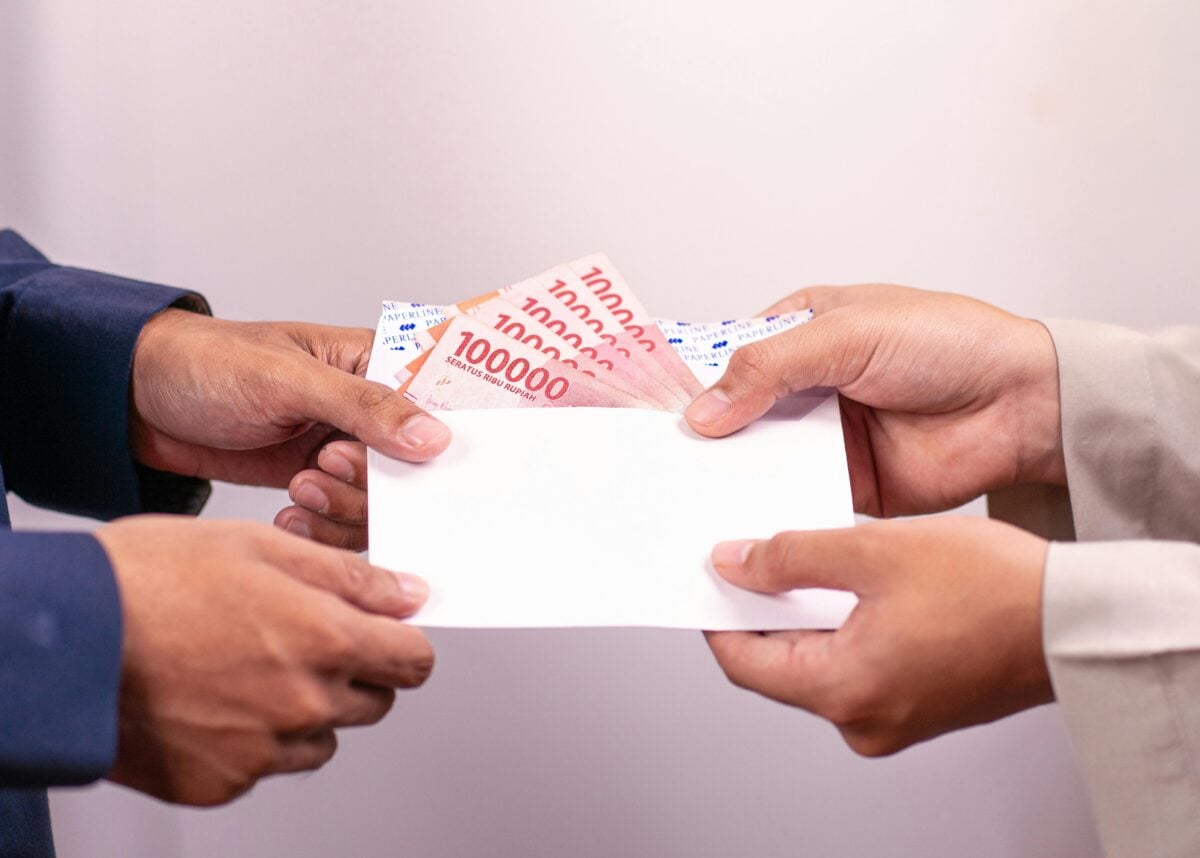
How To Claim Your VAT Refund When Traveling to Europe
Buying a great coat, a watch, or a suitcase you definitely needed before the trip is all part of the fun of shopping in Europe. The less exciting part is figuring out how to claim your VAT refund when traveling to Europe. The good news is that the process is usually straightforward once you know the steps, and the bad news is that it can fall apart quickly if you forget one small piece of paperwork.
VAT, or value-added tax, is included in the price of many goods in Europe. In some cases, visitors who are not residents of the country where they bought the item may be able to claim part of that tax back when they leave. The details vary by country, store, and refund operator, so the trick is not to assume every purchase qualifies. Europe is generous, but it is not magical.
What a VAT refund actually is
A VAT refund is a repayment of tax charged on eligible goods purchased for export. It usually applies to items you take home in your luggage rather than services like hotel nights, meals, or train tickets. That distinction matters more than travelers expect, especially when the shopping bag starts looking suspiciously heavy.
To qualify, you generally need to:
- Be a non-resident of the country where you made the purchase
- Buy from a retailer that offers tax-free or VAT refund paperwork
- Spend above any minimum threshold set by that country or retailer
- Export the goods within the required time frame
- Have the items, receipts, and forms validated before departure
Step-by-step: how to claim your VAT refund when traveling to Europe
1. Ask before you pay
Not every shop participates in VAT refund schemes, so ask at the register before checking out. Look for signs mentioning tax-free shopping, VAT refund, or a partner refund operator. If the store participates, staff may give you a special form or explain how to generate one from the till. A few extra seconds at the counter can save a lot of airport detective work later.
Keep your passport handy when shopping, because many stores ask for it to confirm eligibility. The name on the refund paperwork should match your travel documents, so do not let the process become a spelling adventure.
2. Keep everything together
Refund claims tend to fail for very ordinary reasons: missing receipts, incomplete forms, or items packed in checked luggage before customs inspection. Put these in one place:
- Original purchase receipts
- VAT refund forms or digital claim details
- Passport
- Boarding pass or travel itinerary
- The actual items, ideally unused and easy to show if asked
A small document pouch is worth its weight in saved frustration. So is a system that does not involve shoving everything into the bottom of a tote bag and hoping for the best.
3. Validate the claim before you leave Europe
This is the part travelers miss most often. Before you depart the country, or in some cases before you leave the European Union, you usually need customs validation. Depending on the airport or border crossing, this may happen at a kiosk, a customs desk, or an electronic validation point.
Allow extra time. This is not the moment to sprint to the gate with a coffee in one hand and a shopping bag in the other. Refund desks are often busy, and customs officers are not on your vacation schedule.
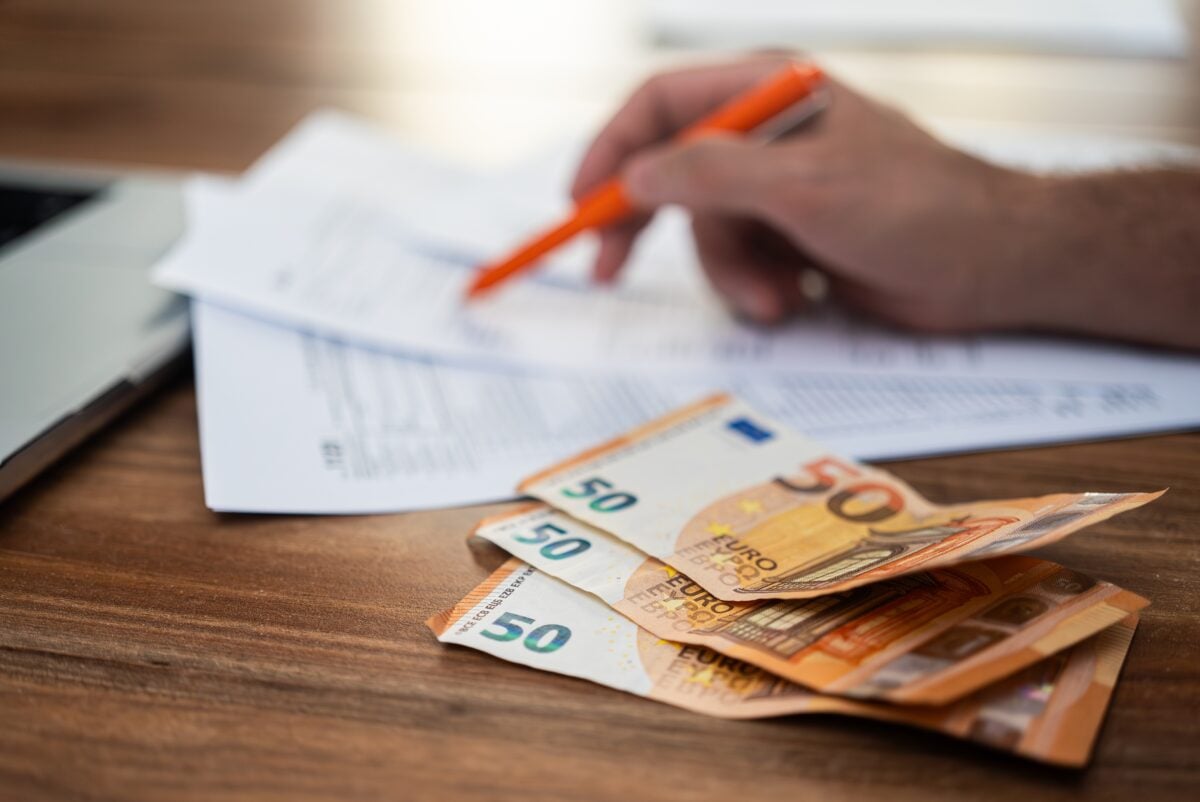
4. Show the goods if required
Customs may ask to see the items listed on your form, especially for higher-value purchases. Keep eligible goods accessible, not buried in checked bags. If the item is small, such as jewelry or a camera lens, carry it with you. If it is a bulky purchase, check with the store or refund operator before your trip so you know how inspection works at departure.
5. Choose how to receive the refund
After validation, you may be able to submit the claim through a refund desk, an app, a kiosk, mail, or the retailer’s partner service. The method affects how quickly you get the money and how much fee is taken off the top. Credit card refunds are common, and cash refunds may be available in some places, though usually with a larger service fee. As with many travel conveniences, the faster option is rarely the cheapest.
VAT refund basics at a glance
| Step | What to do | Why it matters |
|---|---|---|
| Buy from a participating store | Ask for tax-free paperwork at checkout | Non-participating shops cannot process a refund claim |
| Save your documents | Keep receipts, forms, and passport details together | Missing paperwork can cancel the claim |
| Validate before departure | Get customs or border confirmation | This usually proves the goods are leaving the country |
| Present the goods if needed | Keep items accessible for inspection | Officials may need to verify the purchase |
| Collect the refund | Use the chosen payout method | Fees and timing vary by provider |
Common mistakes that trip up travelers
Most problems come down to timing, paperwork, or packing. Here are the ones worth avoiding:
- Leaving the store without the tax-free form
- Storing receipts separately from the goods
- Packing items in checked luggage before validation
- Arriving at the airport too close to departure time
- Assuming every country uses the same refund process
- Forgetting that refunds often come with service fees
There is also the classic mistake of buying something, forgetting all the paperwork, and then discovering at the airport that memory is not a valid customs document. Annoying, but avoidable.
Helpful travel tips for smoother VAT refunds
A little planning goes a long way. The most useful habits are simple ones:
- Check the country rules before you shop
- Ask the store which refund operator it uses
- Keep purchases in carry-on luggage until customs validation is complete
- Arrive early at the airport or border crossing
- Photograph receipts and forms as backup
- Keep the items unworn and unused if possible
If you are visiting multiple European countries, be careful about where you expect to validate the refund. The rules can depend on where the purchase was made and where you are leaving from, especially if your route crosses several borders. A little map reading now beats a lot of confusion later.
What kinds of purchases usually qualify
In general, VAT refund systems are designed for physical goods that leave the country with you. Typical examples include clothing, electronics, gifts, and accessories. Everyday services usually do not qualify, and some goods may be excluded or subject to special rules.
It helps to think of VAT refunds as a shopping perk, not a universal travel discount. If you are unsure whether an item qualifies, ask before you buy. The person at the counter has probably seen every possible traveler mistake and can usually tell you what works.
Where to check official guidance
Because refund rules change by country, it is smart to confirm details with official sources before you travel. Good places to start include the Your Europe guide to VAT refunds, the official airport website for your departure point, and the tax-free service provider listed on your receipt or in-store form. If you are shopping in the United Kingdom, the rules differ from those in EU countries, so check the relevant government guidance rather than relying on a travel forum from three summers ago.
Bottom line
Learning how to claim your VAT refund when traveling to Europe is mostly about preparation. Buy from a participating store, keep your paperwork in order, validate before you leave, and leave enough time at the airport to deal with the process calmly. Do that, and the refund is much more likely to land in your account instead of becoming a legend told by your abandoned receipts.
