
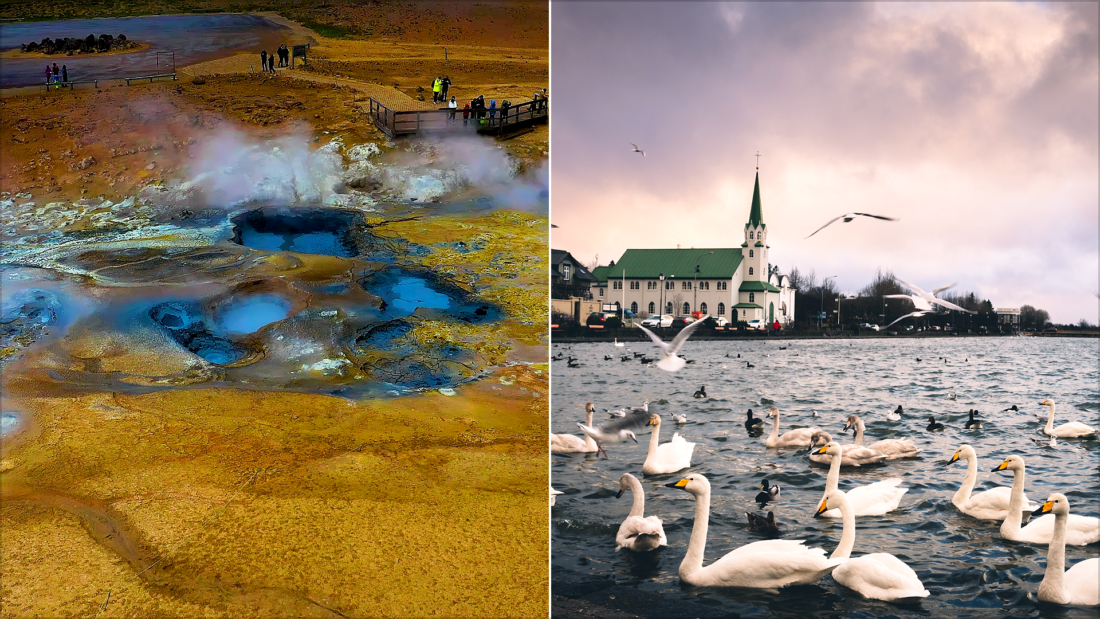
Reykjavik often makes a quiet first impression: low skies, colourful corrugated iron houses, and a compact city center that can feel almost too small for a capital. It is easy to underestimate at first glance. Spend a few days here, though, and the city reveals itself as one of Europe’s most distinctive destinations, creative, walkable, and full of character in ways that are not immediately obvious.
Despite its size, Reykjavik consistently punches above its weight. It blends striking natural surroundings with a strong cultural identity, a surprisingly dynamic food scene, and a deep connection to Icelandic traditions. In late winter, temperatures hover around freezing, with light snow and ever changing weather adding to the atmosphere, exactly the conditions many travelers associate with the city.
Here is what Reykjavik is actually famous for, and why much of it lives up to the hype.
Quick Answer: What Is Reykjavik Known For?
- The world’s northernmost capital city of a sovereign state
- Hallgrímskirkja, the iconic church with basalt-column-inspired architecture
- The Northern Lights and proximity to the Aurora Belt
- Being a UNESCO City of Literature (since 2011)
- Alþingi, the world’s oldest functioning parliament (founded 930 AD)
- Geothermal pools and thermal baths
- Puffin and whale watching in summer
- A serious street art and gallery scene
- No McDonald’s, no Starbucks (yes, really)
The World’s Northernmost Capital
Reykjavik holds the title of the northernmost capital city of a sovereign state in the world. That alone makes it unusual. About 64% of Iceland’s entire population lives in the Reykjavik Capital Area, which tells you something about how centralised the country is. Two-thirds of a nation, in one relatively compact city.
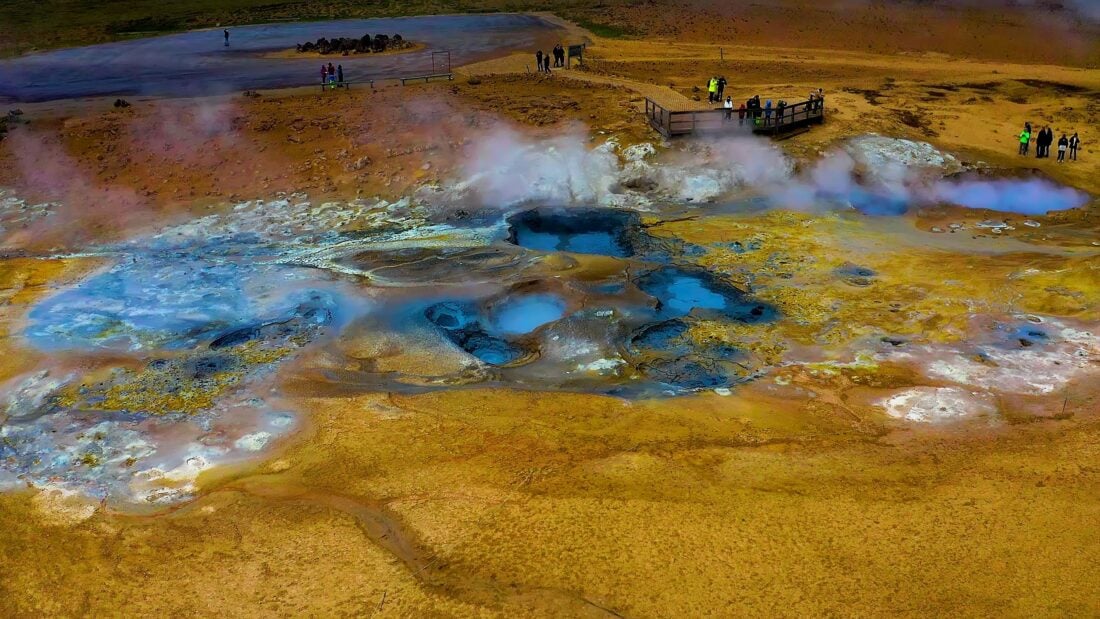
The name itself translates to “smoky bay,” named by the first settler, Ingólfur Arnarson, after the steam rising from geothermal vents he spotted on arrival. So even the city’s name is basically a geothermal reference. Very on-brand for Iceland.
Hallgrímskirkja: The Landmark You’ll See From Everywhere
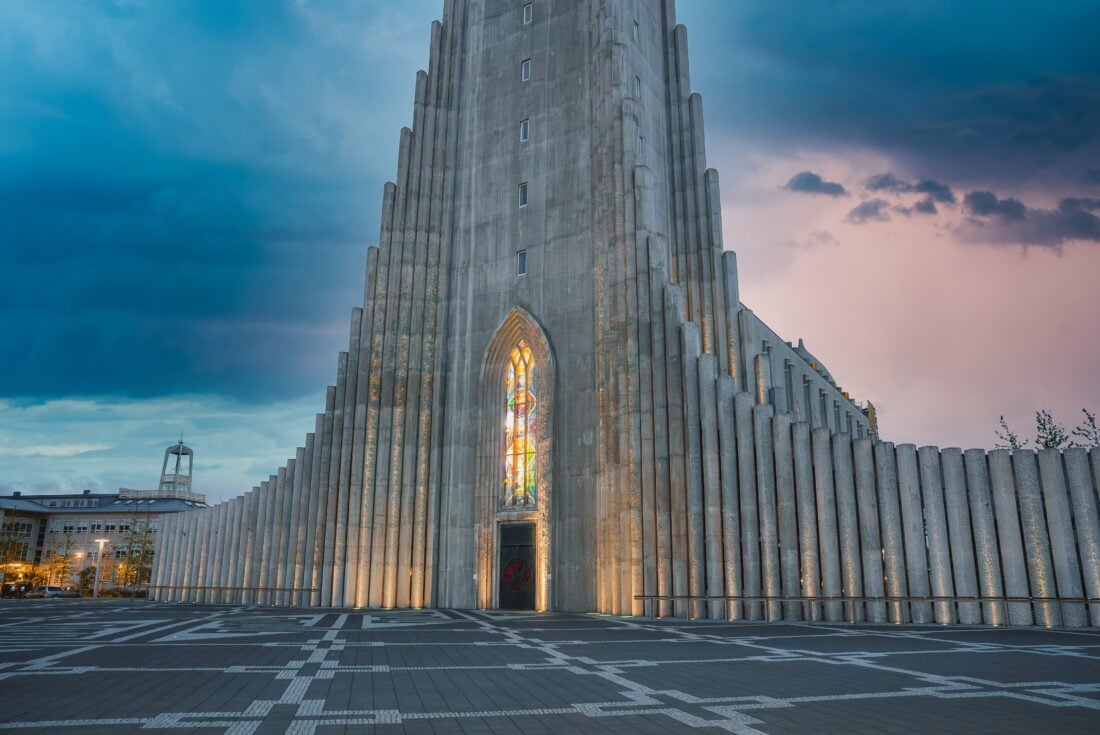
Hallgrímskirkja church is the thing most people picture when they think of Reykjavik, and it earns that status. It consistently ranks among the top-rated attractions in the city, and honestly, for good reason. The columns flanking the tower were designed to mimic the shapes of lava cooling into basalt rock formations. It is visible from almost anywhere in the city, which makes it both a landmark and a useful navigation tool when you inevitably get turned around.
The streets around it, including Skólavörðustígur, Freyjugata, Njardargata, and Frakkastígur, are some of the nicest to walk in the city.
Alþingi: The Parliament That Started in 930 AD
The Alþingi is widely recognised as the world’s oldest functioning parliament, established in 930 AD. The current Parliament House building dates to 1881 and sits in the city centre. Behind it is Alþingisgarðurinn, a public garden that most visitors walk straight past without realising it is there.
Reykjavik being the seat of a parliament this old gives the city a historical weight that is easy to underestimate when you are mainly there for the hot pools and the aurora. It’s one of those “old world capital” qualities that puts it in the same conversation as cities like Vienna, with its deep imperial history, even if the vibe could not be more different.
UNESCO City of Literature
In 2011, Reykjavik was designated a UNESCO City of Literature, recognising its literary heritage. This is not a token title. The city has a deep connection to the Icelandic Sagas, original manuscripts of which are accessible here. For a capital city of this size, the intellectual and creative output is genuinely disproportionate.
Laugavegur, the city’s main street, was historically the route people walked to reach geothermal hot springs to do their laundry. Now it is lined with bookshops, cafes, and galleries. The city has held onto that creative streak.
The Northern Lights and the Aurora Belt
Reykjavik is one of the more accessible places in the world to see the Northern Lights, sitting within the Aurora Belt. Grotta Lighthouse on the Seltjarnarnes peninsula is a popular spot for watching and photographing them, and it has a small hot pool by the North Atlantic for when you get cold waiting.
Winter is the obvious season for aurora hunting, and the city does take on a genuinely different quality under snow. That said, travellers frequently flag light pollution in the city centre as a real issue for aurora viewing, so managing expectations (or heading just outside town) is smart. If Christmas is on the table, it reportedly has a particular atmosphere then.
Geothermal Pools and Thermal Baths
This is core Reykjavik. The city runs on geothermal energy and the culture around thermal bathing is not a tourist gimmick, it is just how people here relax and socialise. Laugardalslaug, Sundhöllin, and Vesturbaejarlaug are the main public pools used by locals and visitors alike.
For something more scenic, Nauthólsvík Geothermal Beach combines a sandy beach with geothermally heated water. In summer it is a genuinely good time.
The Sky Lagoon and Blue Lagoon are the bigger, more resort-style options near the city if that is more your speed. Not gonna lie, opinions online are split on the Blue Lagoon. Some people call it a bucket-list highlight, others reckon it’s overpriced and overcrowded compared to the local pools. The local pools are a fraction of the cost and feel more authentic, so keep that in mind.
Puffins, Whales, and Summer Wildlife
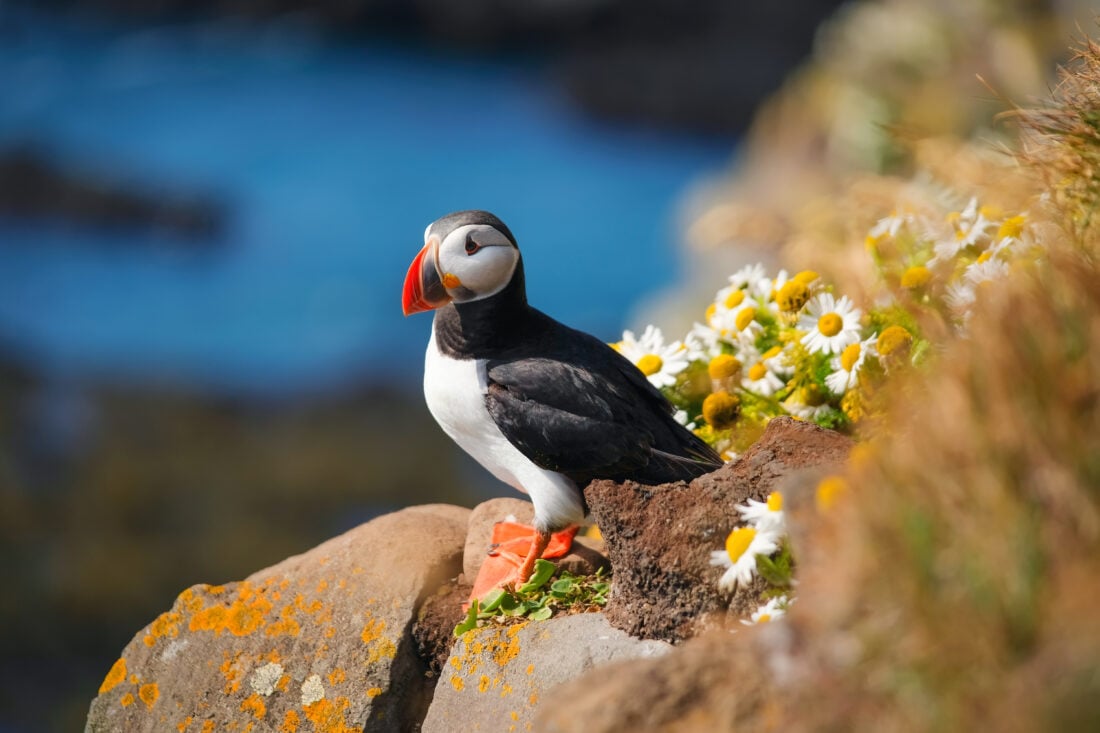
Come summer, Reykjavik becomes a solid base for whale watching and puffin spotting. Both are accessible from the city itself, which is convenient if you are not doing a full Ring Road trip. This is one of those things I had vaguely clocked before going but did not prioritise, which past-me now regrets.
The Art Scene: Murals, Galleries, and One Very Specific Museum
Reykjavik has a higher density of galleries and public art than you might expect for a city this size. The street art is permission-based and taken seriously, contributing to what is a genuinely creative atmosphere rather than just a backdrop for Instagram.
The Harpa Concert Hall is worth seeing for the architecture alone, a striking structure on the waterfront. It hosts a full programme of shows and performances, and grabbing a drink there before an evening show is a reasonable way to spend a cold Reykjavik evening.
Then there is the Icelandic Phallological Museum, which houses a collection of 280 penises from various animals. It is exactly what it sounds like. The city leans into its own eccentricity.
What Else Reykjavik Is Known For
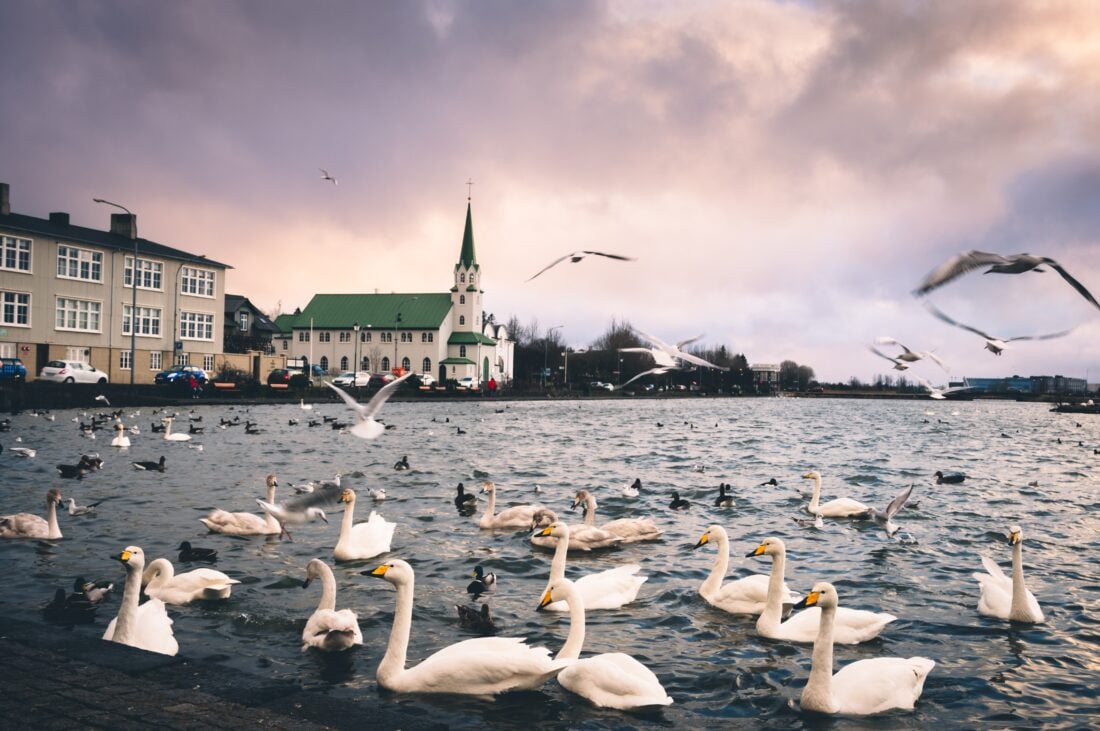
Lake Tjörnin (locally called “The Pond”) sits in the city centre, home to various bird species and, in winter, it freezes over and becomes an ice rink. The Old Harbour is quieter and good for photography, particularly at sunset. The Sólfar sculpture, a Viking ship-shaped installation on the waterfront, is one of the most photographed spots in the city.
The National Museum covers Iceland’s history from the Settlement period to modern times, and is worth a few hours if you want context for everything else you are seeing. The Saga Museum is a good option for families. Öskjuhlíð Hill has hiking trails and WWII ruins. The Kolaportið flea market runs every weekend at the Old Harbour, 11am to 5pm, and is worth a look for oddities.
For food, Hlemmur mathöll is a food market set inside a former bus terminal and offers a decent range of options. Budget tip: hotdogs and supermarket sandwiches are genuinely what locals eat, not a tourist shortcut.
The No McDonald’s, No Starbucks Thing
Reykjavik has neither. McDonald’s closed in 2009 due to financial issues. There are no Starbucks. This is not a complaint, just a fact that surprises people. The coffee is generally better for it.
Practical Things Worth Knowing
The local currency is the Icelandic króna (ISK, kr), and Iceland operates on UTC with Icelandic as the official language. As of March 2026, £1 gets you roughly 165.56 kr and $1 gets you about 124.69 kr, so £100 converts to approximately 16,556 kr. Cards are accepted basically everywhere, but it’s good to know the rate so you’re not doing panicked maths at the till.
| Topic | What to Know |
|---|---|
| Getting around | The city centre (101 Reykjavik) is walkable. Public transport is largely unnecessary within the centre. |
| Airport transfer | FlyBus is the cheapest option from Keflavik Airport if you are not renting a car. |
| Safety | Reykjavik is considered very safe at all hours. |
| Shopping | Prices are high and fixed. No haggling. Kringlan and Smáralind malls have broader options. |
| Nightlife | Bar prices are steep. Pre-drinking before going out is standard practice locally. Turns out this is not just a student thing here, it’s a cultural survival mechanism given what a pint costs. |
| Accommodation | Hotels are expensive. Hostels and guesthouses (including KEX Hostel and Guesthouse Aurora) are popular alternatives. |
| Dogs | Banned in the city from 1924 for 60 years. Now allowed. |
Reykjavik is the kind of place that rewards slowing down. Most people blow through it in a day or two on the way to the Ring Road, which is understandable but also a bit of a waste. The city has enough going on, between the history, the art, the pools, and the sheer oddness of some of its attractions, to justify giving it more time than your itinerary probably currently allows.
