
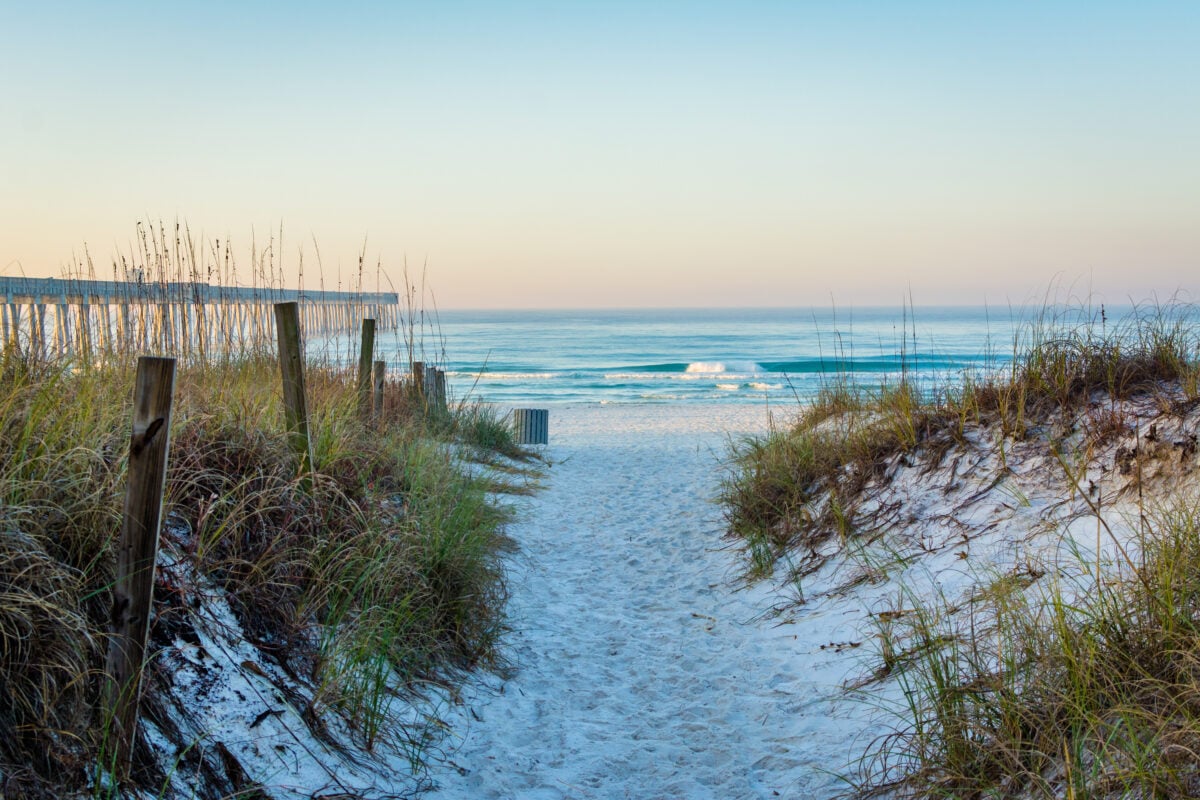
Panama City Beach just got a lot less forgiving about bad swim decisions
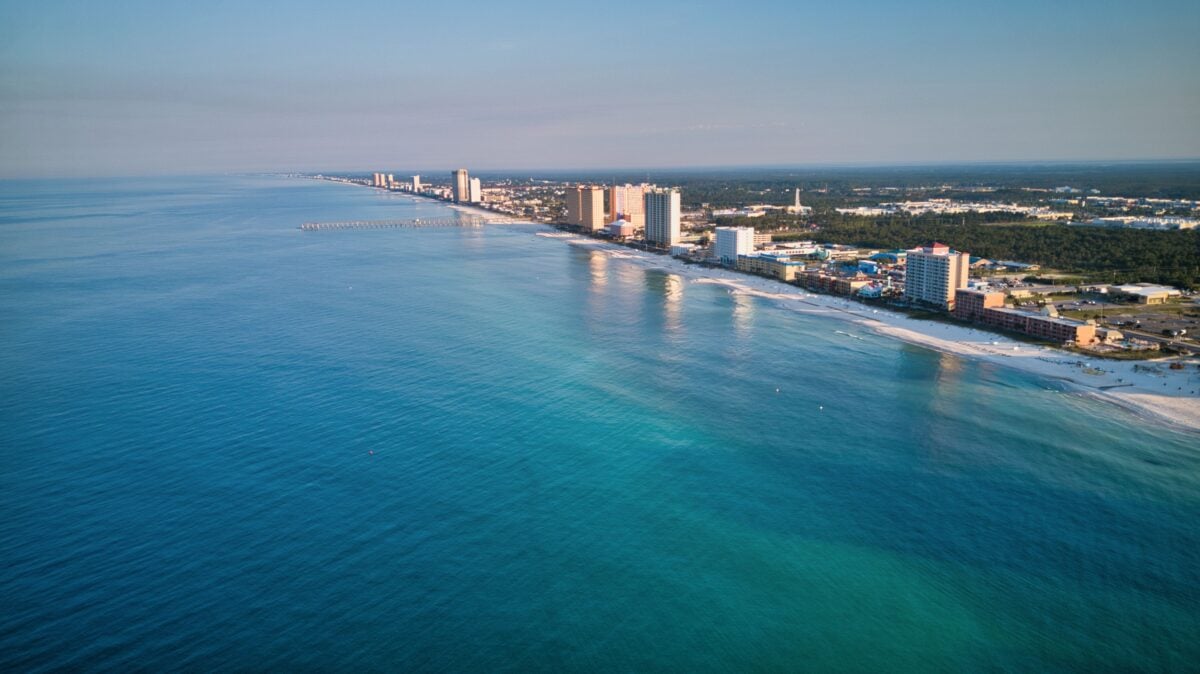
If you are planning a cheap beach break in Florida, Panama City Beach still looks like a win: 27 miles of white sand, emerald water, and plenty of room to spread out without torching your budget. But there is now a very expensive detail to watch before you wander into the waves. Ignore a double red flag and you can be fined $500 on the spot for a first offense.
That matters because this is not the kind of beach where the ocean always looks dramatic when it is dangerous. Officials say rip currents can be deadly even when the water looks calmer later on. In other words, the sea can behave like a very convincing liar.
The warning comes from Panama City Beach safety officials, who say the goal is straightforward: stop drownings. According to the source report, there have already been two deaths in 2026 linked to strong rip currents, and a string of drownings in June 2024 helped push stricter enforcement into place.
What the flag system means
The key rule is simple enough, which is good because beaches should not require a law degree.
- Double red flag: Water is closed to the public. Swimming can bring a $500 fine for a first offense and $1,000 for repeat offenses, with possible jail time.
- Single red flag: High risk of strong currents and high surf.
- Yellow flag: Moderate risk.
- Green flag: Calm conditions.
- Purple flag: Dangerous marine life has been spotted.
Officials previously gave warnings before moving to fines, but the system has now shifted to direct enforcement for first-time violations. More lifeguards are also on patrol.
Why this matters for budget travelers
Panama City Beach is popular for a reason. It is one of Florida’s more affordable seaside options, especially for families and spring breakers who want sun and sand without paying luxury-coast prices. But a cheap trip can get expensive fast if you treat a closed beach like a suggestion.
The fine is only part of the risk. The bigger problem is that rip currents can pull swimmers away from shore quickly, and even strong swimmers can get caught out. If you get into trouble, rescuers may also be put at risk trying to help. That is a lot of drama for a swim that was supposed to be relaxing.
How to check conditions before you go
If you are heading to the beach, officials say you can check real-time flag updates on the Panama City Beach website or sign up for text alerts before leaving for the shore. That is a small bit of prep that could save both money and misery.
For travelers trying to keep costs down, the lesson is simple:
- Check the flag status before setting off.
- Do not assume calm-looking water is safe.
- Pay attention to lifeguard guidance.
- Save the swim for when conditions are actually green or otherwise clearly safe.
A reminder that the cheapest day at the beach is the one without an ambulance bill
Panama City Beach still delivers the classic Florida beach formula: long stretches of sand, warm water, and a big crowd of people trying to squeeze value out of their vacation days. Just do not let a bargain trip turn into a headline-worthy mistake. On this stretch of coast, the flags are not decorations. They are the difference between a swim and a very pricey lesson.
