
How old is Scotland in years?
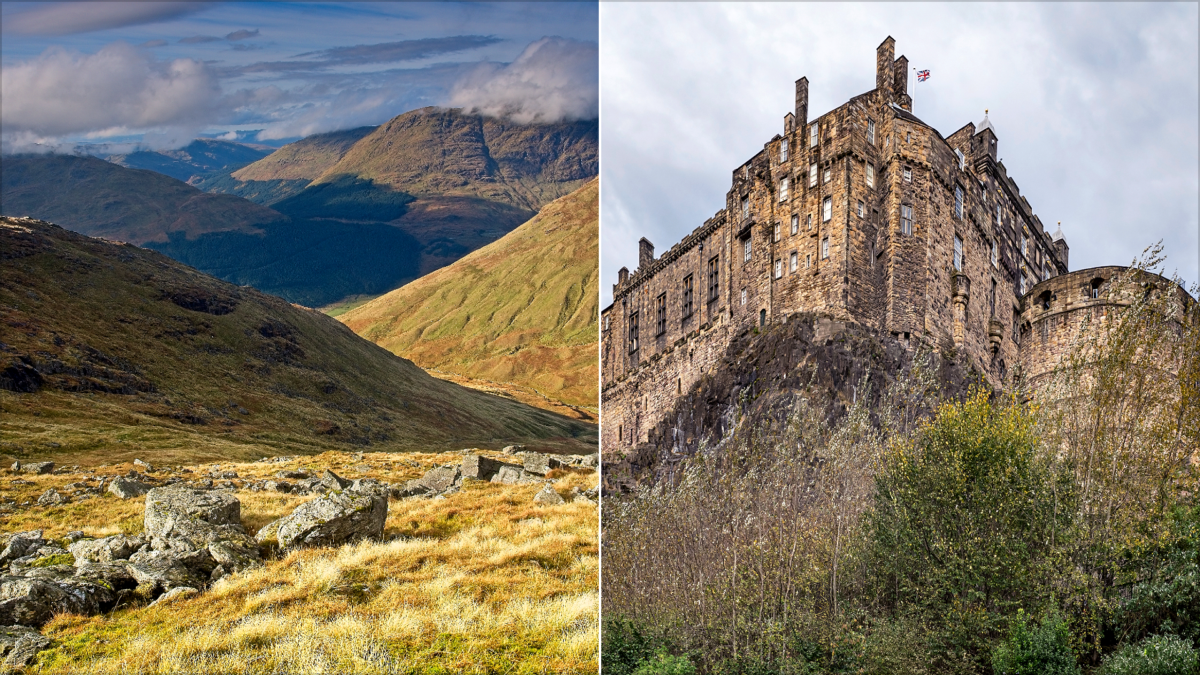
If you have ever wondered how old is Scotland in years, the honest answer is: it depends on what you mean by Scotland. The land itself is ancient, shaped over hundreds of millions of years. The kingdom of Scotland developed more than 1,000 years ago. And the modern political union people often picture when they think of Scotland is much newer in historical terms.
That sounds a bit slippery, but history often is. Countries are not born with a neat birthday cake and candles. Borders shift, kingdoms merge, names change, and the maps keep everyone busy. Scotland is a perfect example.
The short answer for travelers and curious readers
If you want the simplest reply, Scotland has been Scotland as a recognisable kingdom for roughly 1,000 to 1,200 years. If you mean the modern nation within the United Kingdom, that arrangement is a few hundred years old. If you mean the rocks, glens, and mountains under your feet, they are far older than any human-made border could ever be.
- Scotland the land: ancient beyond easy counting
- Scotland the kingdom: formed over about 1,000 years ago
- Scotland in the modern UK context: since the 1707 union with England
So when someone asks how old is Scotland in years, the answer is less a single number and more a small history lesson. Not the worst trade-off, really.
What makes Scotland’s age hard to pin down?
The name “Scotland” has referred to different things over time. Early on, it was tied to the Kingdom of the Scots, which grew gradually through alliances, conflict, and shifting control of territory. Later, Scotland became a distinct kingdom with its own laws, identity, and institutions. After the Acts of Union in 1707, Scotland joined with England to form Great Britain while keeping its own legal and educational systems.
That means there is no single official “birthday” for Scotland that works in every context. Historians usually focus on key milestones instead of one exact year, because identity built over centuries does not fit neatly into a calendar box.
Useful way to think about it
If you are planning a trip or just trying to understand the country better, it helps to think of Scotland in layers:
- Geology: the oldest layer, created over immense spans of time
- Early kingdoms: the formation of political Scotland
- Modern Scotland: the Scotland visitors experience through cities, castles, museums, and everyday life
A quick timeline of Scotland’s history
| Period | What it means | Why it matters |
|---|---|---|
| Ancient geology | Scotland’s landforms began forming over vast geological time | Explains the dramatic mountains, coasts, and islands |
| Early medieval period | Different peoples and kingdoms shaped what became Scotland | Marks the beginning of Scotland as a political idea |
| Kingdom of Scotland | Scotland emerged as a recognised kingdom | This is the version most people mean when asking how old is Scotland in years |
| 1707 union | Scotland entered a political union with England | Created Great Britain while Scotland retained a strong identity |
| Modern era | Scotland remains a distinct country within the UK | Visitors experience a place with deep history and a very alive culture |
What visitors notice first: Scotland feels old in the best way
For travelers, Scotland’s age is not just a date on a timeline. You feel it in the landscape, the castle ruins, the old stone villages, and the way history sits comfortably beside modern life. A café in Edinburgh can sit near streets that have seen centuries of change, and nobody seems particularly alarmed by this. Scotland has a talent for making the past feel present.
That sense of age is part of the appeal. You can spend one day in a city with medieval lanes and Georgian terraces, then head out the next day to lochs, glens, and islands shaped by time on a scale that makes human history look very small indeed.
Why Scotland’s history matters to visitors
- It gives context to castles, battle sites, and old towns
- It helps explain regional identity and local pride
- It adds depth to museums, landmarks, and heritage sites
- It turns a scenic trip into a richer cultural experience
Best places to feel Scotland’s history for yourself
If the question how old is Scotland in years has you planning a trip, these places are worth your time. They are not the only historic stops, but they offer a good mix of atmosphere, context, and easy visitor appeal.
Edinburgh
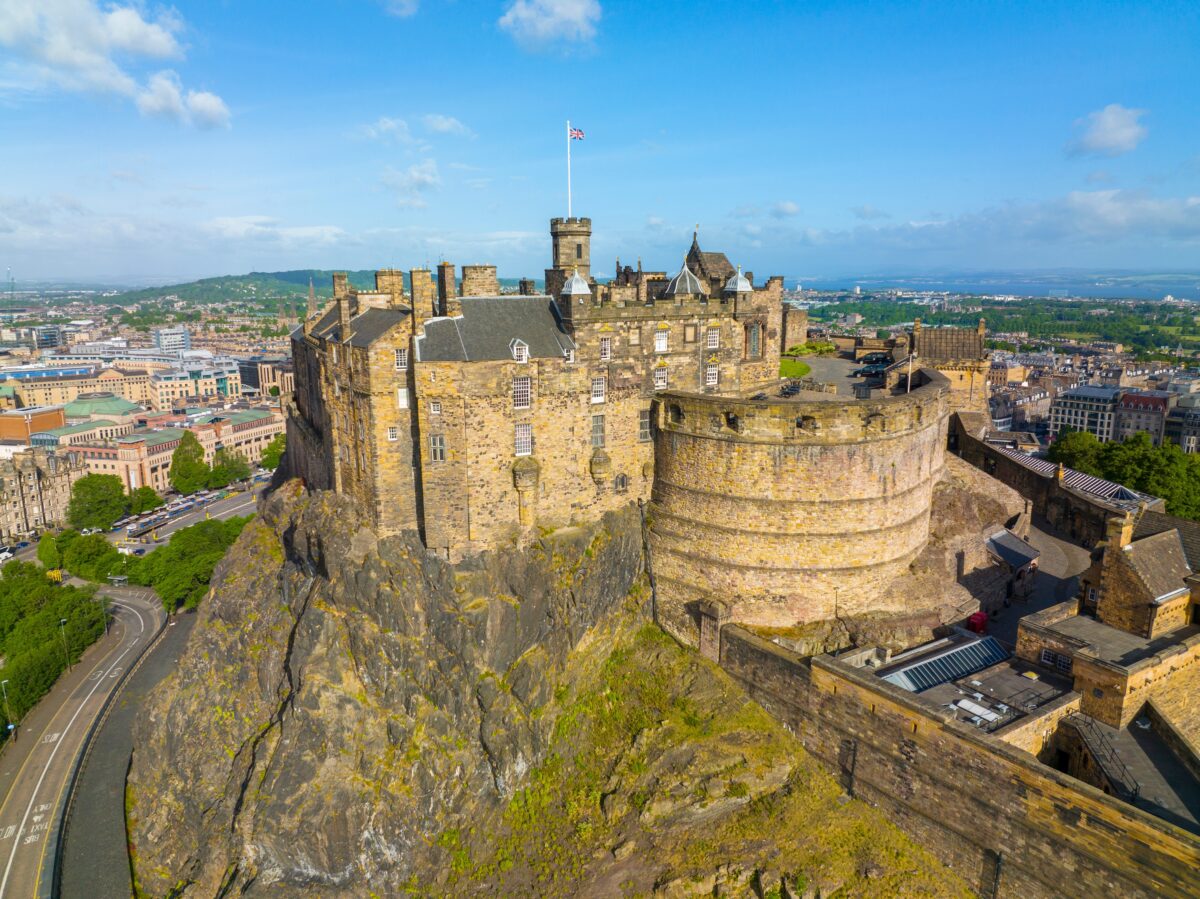
Edinburgh is one of the best places to understand Scotland’s layered history. The Old Town, the castle, and the city’s dramatic setting make it easy to see how the past shaped the present. It is worth visiting for its strong sense of place, its walkable historic core, and the way it balances old stone with a busy modern city.
Best time to visit: Spring and early autumn are especially pleasant, though Edinburgh works year-round if you do not mind a bit of weather with your sightseeing.
Helpful travel tips:
- Wear comfortable shoes. The Old Town has slopes and cobbles that seem designed to test ankles.
- Book major attractions ahead of time if your trip is tied to a specific schedule.
- Leave room for slow wandering. Edinburgh rewards people who do not rush.
Nearby experiences: Arthur’s Seat, Holyrood Palace, and the city’s museums all add context to the capital’s long story.
Stirling
Stirling matters because it sits at the heart of Scottish history in a very literal sense. It has long been a strategic place, and visitors come for the castle, the views, and the sense that important things happened here. It is worth visiting for anyone who wants Scotland’s past to feel more immediate than abstract.
Best time to visit: Late spring through early autumn, when views are clearer and walking between sites is easier.
Helpful travel tips:
- Give yourself enough time to explore the castle properly.
- Pair the visit with a look at the surrounding landscape, which helps explain why Stirling was so important.
- Check opening times before you go, especially if you are building a tighter Scotland itinerary.
Nearby experiences: The Wallace Monument and the wider Central Belt are useful additions if you want more historical context.
The Highlands
The Highlands are where Scotland’s age can feel almost geological. The scenery is the main draw, but the region also carries stories of clan history, settlement, and survival. It is worth visiting for the mix of wide-open landscapes and cultural depth.
Best time to visit: Late spring to early autumn for more reliable conditions and longer daylight.
Helpful travel tips:
- Plan transport carefully if you are relying on trains or buses in more remote areas.
- Expect distances to take longer than they look on a map.
- Bring layers, because Scotland enjoys changing its mind about the weather with little warning.
Nearby experiences: Lochs, distilleries, heritage villages, and hiking routes all fit naturally into a Highlands trip.
So, how old is Scotland in years, really?
The most useful answer is that Scotland as a country has roots stretching back well over a thousand years, while the land itself is vastly older. If you are asking about Scotland as a living cultural and political place, think in terms of a long-form history rather than a single age. If you are asking from a traveler’s point of view, the better question might be this: how does a place that old manage to feel so alive?
That is Scotland’s trick. It wears its history without turning into a museum. You can come for the castles, the landscapes, the whisky, or the cities, and still leave feeling like you have only scratched the surface.
Planning a trip with Scotland’s history in mind
To make the most of a trip through Scotland, it helps to mix famous landmarks with slower, more local experiences. A good itinerary usually includes a city, a historic site, and at least one landscape that reminds you why so many stories have been set here.
- Choose at least one major city, such as Edinburgh or Glasgow
- Add a historic heartland like Stirling or the Scottish Borders
- Leave space for scenic drives, coastal walks, or island time
- Balance big-name sights with quieter places that show everyday Scottish life
If you want to start with official visitor information, the VisitScotland website is a useful place to compare regions, attractions, and practical travel advice.
For a deeper look at Scottish heritage sites, the Historic Environment Scotland website is worth bookmarking, especially if castles and monuments are high on your list.
And if you are curious about the country’s remarkable landscapes, the Scottish Natural Heritage successor site, NatureScot, offers good context on Scotland’s natural places and conservation.
The bottom line
So, how old is Scotland in years? Long enough to have a deep, complicated history and still keep its personality intact. The kingdom is roughly a millennium old, the modern political arrangement is much younger, and the land beneath it all is older than most people can reasonably picture.
If you are visiting, that age is not just trivia. It is part of what makes Scotland such a rewarding place to explore. Every castle, street, and landscape seems to have a memory attached to it. Scotland is old, yes, but it is anything but stuck in the past.
