
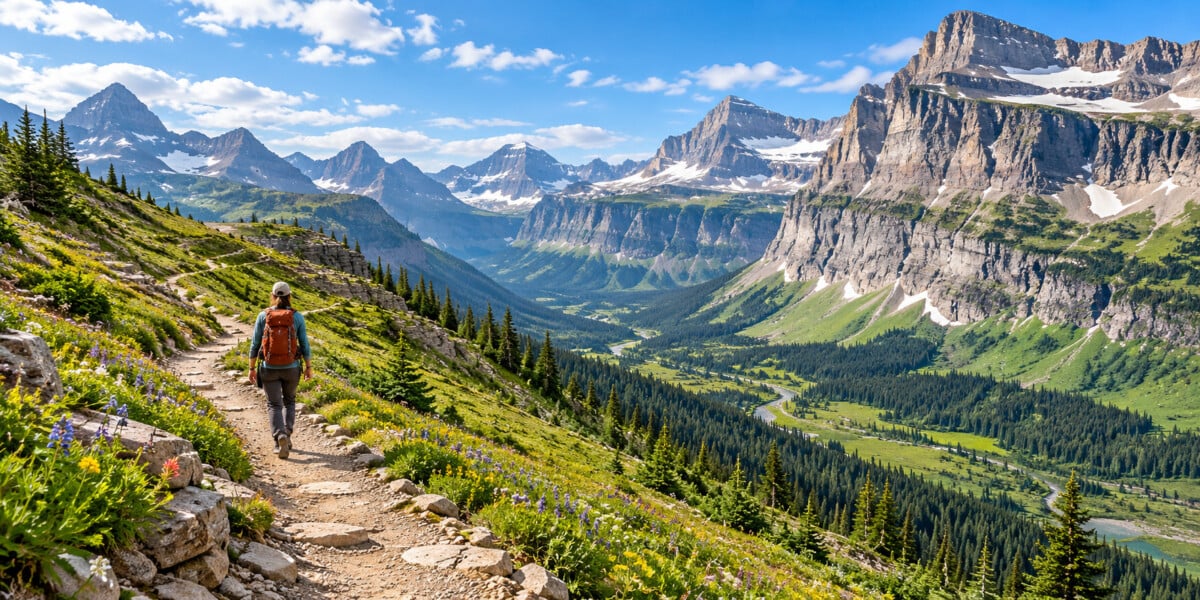
The Highline Trail from Logan Pass to The Loop is an approximately 11.8-mile / 19-km point-to-point hike in Glacier National Park. It follows the mountainside beneath the Garden Wall, passes the Granite Park Chalet area and finishes with a long descent to Going-to-the-Sun Road.
Allow a full day, roughly 7–9 hours on foot with breaks for a prepared group, plus transport. The scenery is a strong reason to choose it; the distance, exposed ledges and return journey are the reasons to plan carefully. This is not a short viewpoint walk.
Highline Trail route at a glance
| Detail | Logan Pass to The Loop |
|---|---|
| Distance | About 11.8 miles / 19 km one way, before optional detours |
| Start | Highline trailhead across Going-to-the-Sun Road from Logan Pass |
| Finish | The Loop, on the west side of Going-to-the-Sun Road |
| Main sections | About 7.6 miles to Granite Park Chalet, then 4.2 miles down to The Loop |
| Walking time | Allow about 7–9 hours with breaks; slower groups or detours need longer |
| Difficulty | Strenuous overall because of the long day, uneven ground, exposure and descent |
| Optional addition | A steep out-and-back spur to Grinnell Glacier Overlook |
| Transport | A seasonal shuttle or confirmed ride linking your finish with your starting transport |
The NPS Highline trailhead page gives the main route as 11.8 miles and lists roughly 2,388 feet of ascent and 4,773 feet of descent. Its day-hike distances list the chalet sections separately. Recorded elevation totals differ between sources and tracks, so use those figures as a guide to the effort, not as a substitute for matching the route.
Do not mistake a lower finish for a downhill-only hike. The traverse has rolling climbs, and tired legs still have to handle the descent after the chalet.
Choose the full route or a shorter Highline walk
Choose the full point-to-point hike if everyone in your group has the endurance for a long mountain day and is comfortable beside steep drops. Arrange transport before you commit to the route.
For a shorter outing, start at Logan Pass, walk for a set amount of time and retrace your steps. An hour out is still another hour back, before allowing for pauses or a slower return.
A shorter Highline hike still includes the early ledge section. If heights are the concern, reducing the distance does not remove that obstacle. Choose a less exposed trail instead.
Walking to Granite Park Chalet and back to Logan Pass is approximately 15.2 miles / 24.5 km. It avoids the descent to The Loop but adds distance, so it is not the easier fallback for most groups.
What to expect along the trail
Logan Pass and the exposed ledge
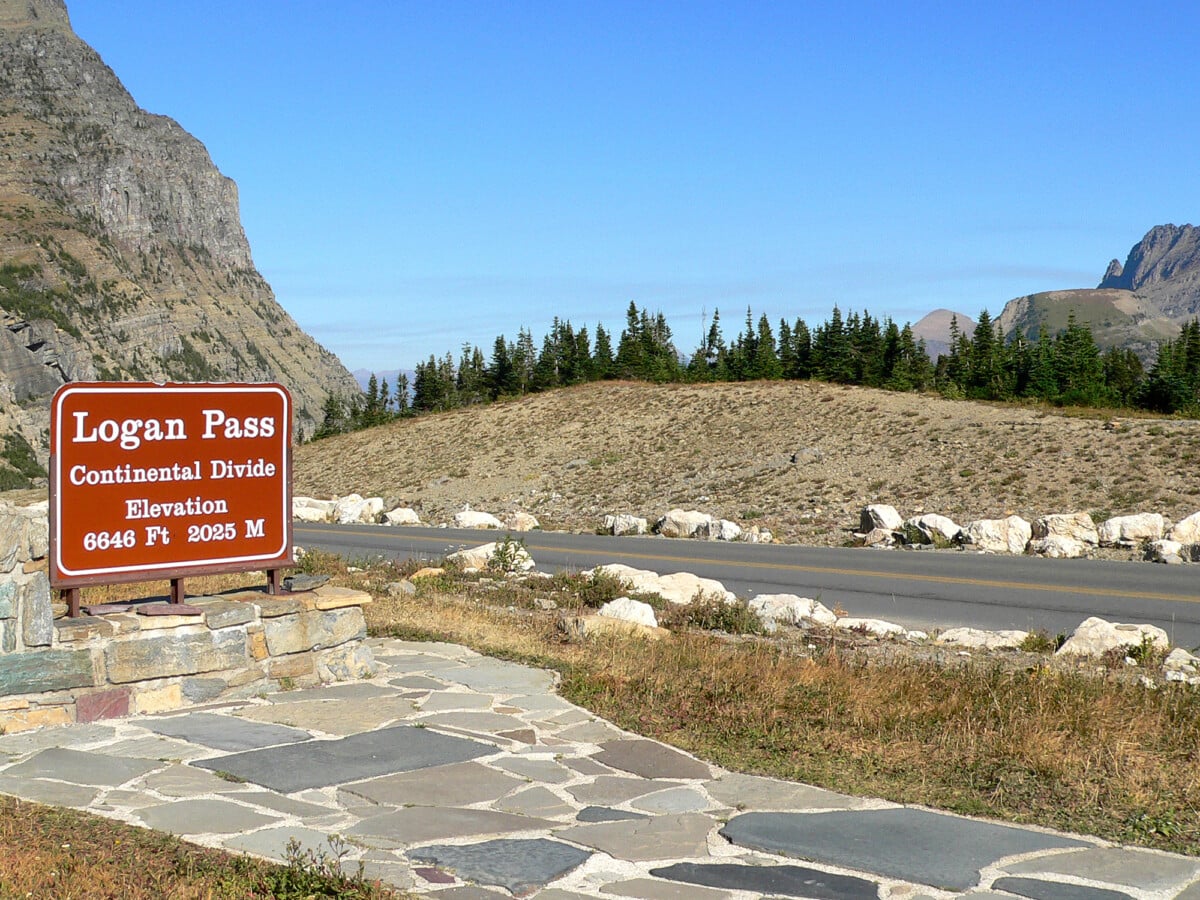
Cross the road at the designated point and read the trail notices before starting. Near the beginning, the Highline follows a narrow ledge above Going-to-the-Sun Road. A hand cable runs along part of it, but the drop remains exposed.
Take this section slowly, give passing hikers room and stop somewhere secure before taking photographs. A cable is not a guarantee of safe footing on snow or ice.
The Garden Wall traverse
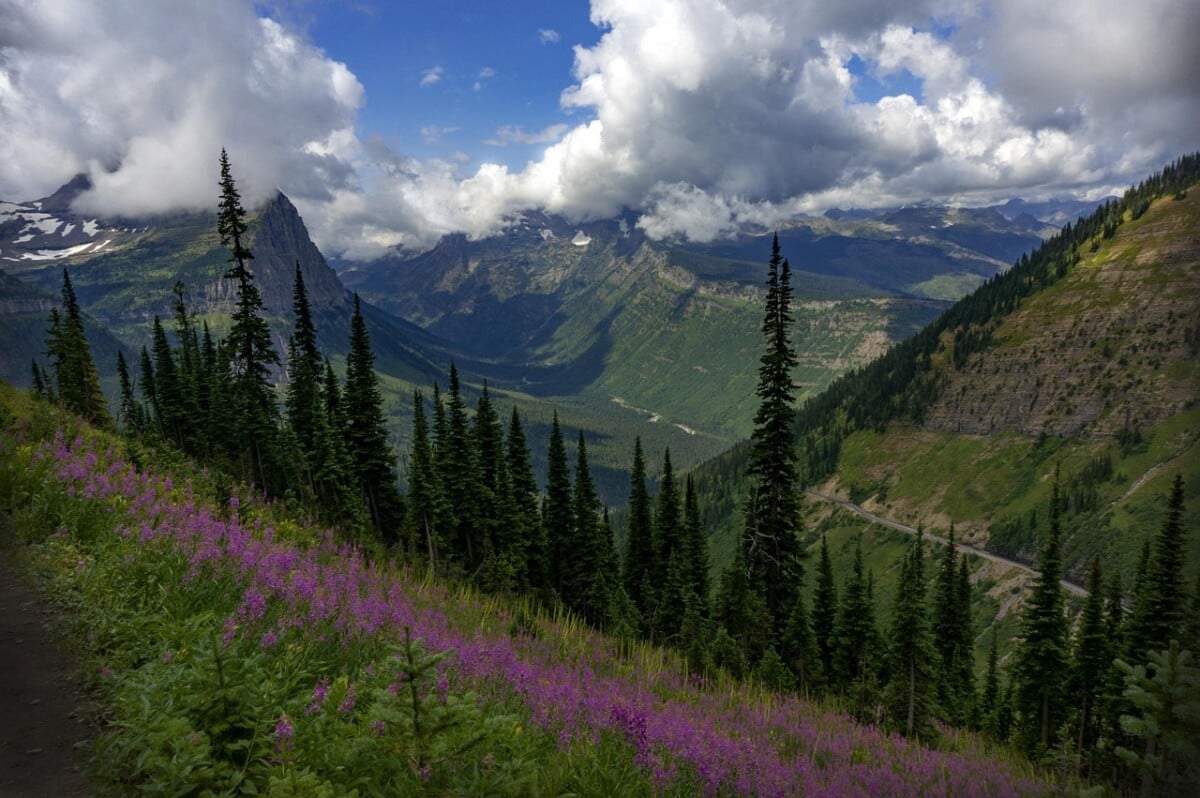
Beyond the ledge, the path contours along the mountainside through open alpine scenery. Much of the appeal is being able to look across the valley while staying on an established trail.
The gradient can feel manageable, but uneven ground, occasional climbing and long exposure to the weather accumulate over the day. Keep eating and drinking as you go rather than waiting for the chalet.
Granite Park Chalet
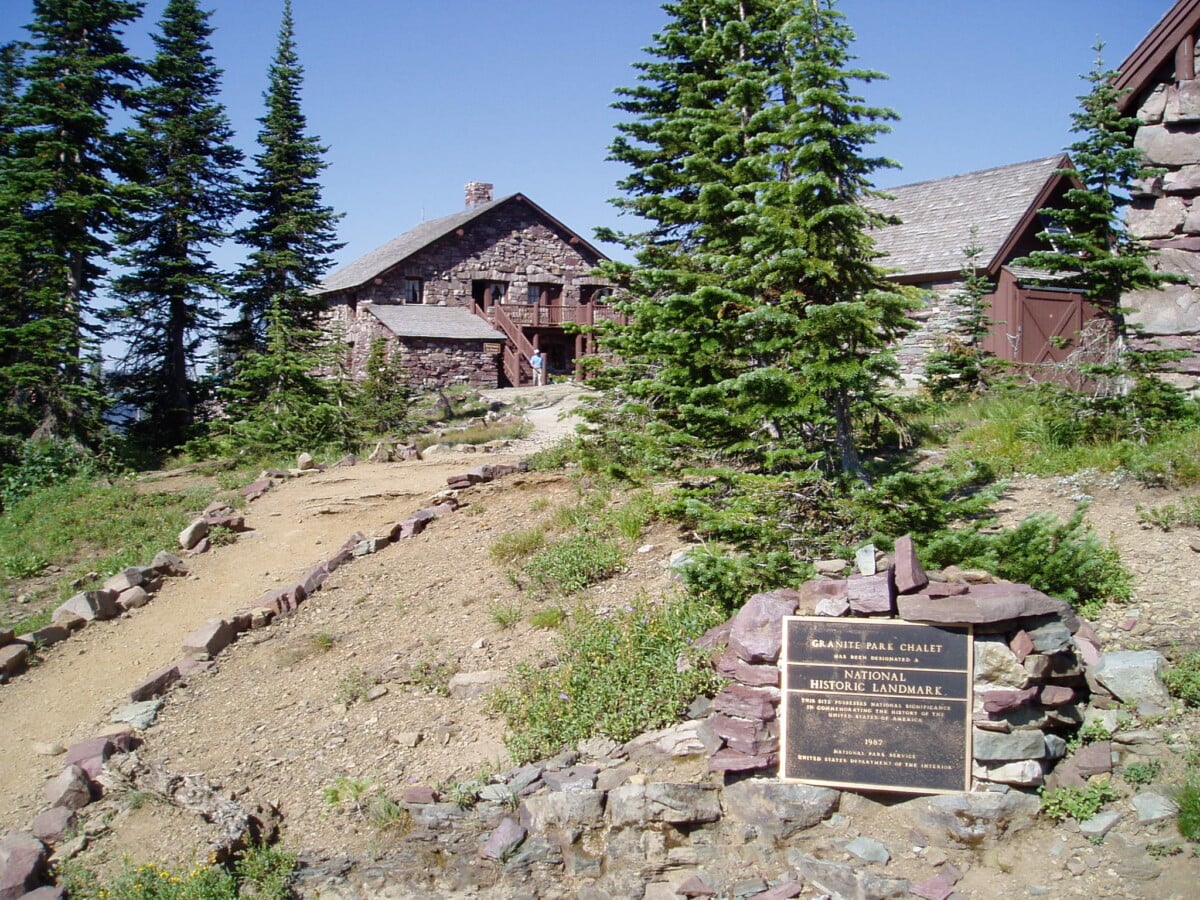
Granite Park Chalet is a backcountry lodging property and a useful route landmark. A day hike through the area does not require an overnight room booking.
The chalet’s current visitor FAQs are a better planning reference than an old seasonal news page. Carry your own lunch and water, even if you hope to buy supplies when the chalet is operating. Its opening season and available services are separate from the trail’s status.
The descent to The Loop
At the chalet area, follow the Granite Park Trail towards The Loop. Continuing along the Highline beyond Granite Park leads away from this route’s intended finish.
The 4.2-mile descent is a substantial final stage. NPS pages describe its vertical change differently, at roughly 2,200–2,600 feet; either way, it is a long downhill walk rather than a quick exit to the road.
Save energy for controlled steps and breaks. Poles may help if you are used to them, but they do not replace fitness or good footing. Heat on the lower section can also make the final miles harder than expected.
Should you add Grinnell Glacier Overlook?
The Grinnell Glacier Overlook spur climbs steeply from the Highline to a notch in the Garden Wall before the chalet. It looks down into the glacier basin; it does not take you to the glacier itself.
A firsthand account of the overlook climb reports about 0.6 mile and 1,000 feet of ascent for the steep spur. That adds roughly 1.2 miles / 1.9 km return to your walk, with a considerable climb and descent. Confirm the junction and route on your current map.
Keep the overlook optional. Allow additional time based on your climbing pace, and skip it if anyone is struggling, snow affects the route, storms are developing or your transport buffer is shrinking. The view is an addition to a demanding day, not a required part of finishing the Highline.
Return down the spur to the Highline. It is not a walking connection to the Grinnell Glacier Trail from Many Glacier.
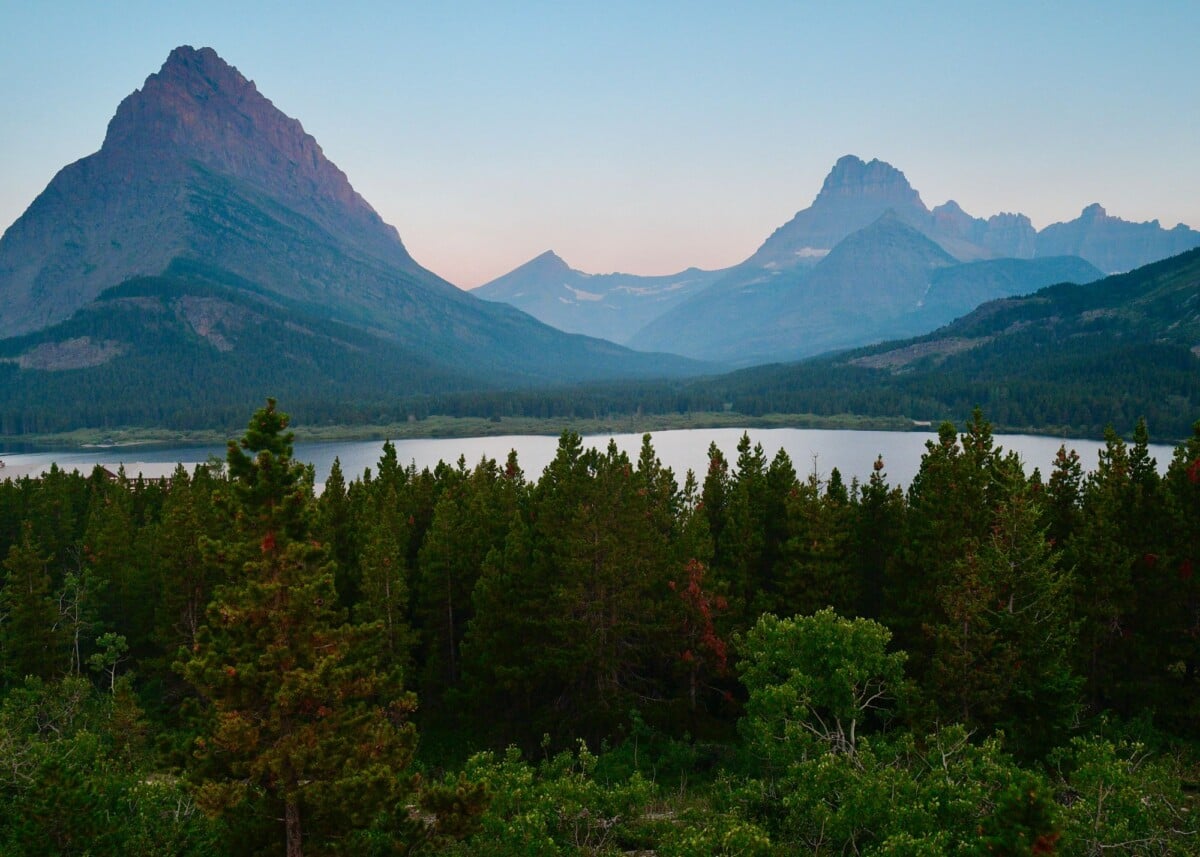
The Many Glacier landscape shown above is a separate approach to this part of the park. Do not use that photo or the lower glacier trail’s distance to plan the Highline overlook detour.
Highline Trail shuttle and parking planning
Settle the return journey before starting. Logan Pass and The Loop are different trailheads, with limited parking and seasonal services. An open road does not mean a shuttle is operating.
What changed in 2026?
Glacier piloted a ticketed Logan Pass shuttle and a three-hour parking limit at Logan Pass from July 1 to September 7, 2026. During that period, parking at Logan Pass for a full-day Highline hike was not a suitable plan; NPS directed longer-day hikers to the shuttle.
NPS subsequently confirmed that the shuttle and parking time limit ended for the 2026 season. For another year, use the park’s published arrangements for that season rather than assuming either the old free-shuttle system or the 2026 pilot will apply.
Using the seasonal shuttle
In the 2026 shuttle setup, ticket holders boarded at specified locations and times, received a wristband, travelled to Logan Pass and could return from The Loop. The Loop was a pickup stop, not a location for starting a new ticketed journey. That made the older advice to park there and simply catch a morning shuttle unreliable.
For your travel season, confirm:
- The boarding location and any ticket required for each person.
- Whether the return from The Loop serves your original boarding location directly or requires a transfer.
- The operating dates and last usable pickup, with time for any onward connection.
- A finish-time margin for slower walking, queues and service delays.
Do not aim for the last advertised pickup. Use an earlier service as your target, and shorten the outing if the morning journey uses too much of your day.
When the shuttle is not operating
A confirmed pickup or two-vehicle arrangement can work if parking at both ends is permitted for your date and duration. Confirm the meeting point, keys and backup contact arrangements before leaving reception.
If you cannot arrange reliable transport, choose an out-and-back that fits your endurance. Walking Going-to-the-Sun Road is not a sensible backup after a missed ride: traffic and narrow roadside space add hazards at the end of an already long day.
When can you hike the Highline Trail?
The usual planning window is summer into early autumn, after the trail opens and before snow and seasonal road closures restrict access. There is no fixed opening date that guarantees clear footing.
Check the NPS trail-status reports for the Highline, Granite Park Trail and any overlook spur you intend to use. Road opening, trail opening and shuttle service are three separate checks. Bear activity can also cause temporary closures.
Check a mountain forecast for wind, rain and thunderstorms. Snow across an exposed ledge is a reason to choose another walk when it exceeds your experience or equipment.
For a broader autumn itinerary, our guide to fall in Montana helps you plan other stops around Glacier.
Entrance fees and reservations
The NPS fee page lists a summer private-vehicle entrance pass at $35 for seven days. Under the 2026 rules, non-US residents aged 16 and over also pay $100 each unless covered by an eligible pass.
Vehicle reservations were not required in Glacier in 2026, but the summer shuttle had its own ticketing. For future visits, confirm the year’s access rules. An entrance pass does not reserve parking or transport.
If visiting several parks, compare the options in our US national park pass guide, then confirm the current NPS prices and eligibility for your group.
Water, wildlife and what to pack
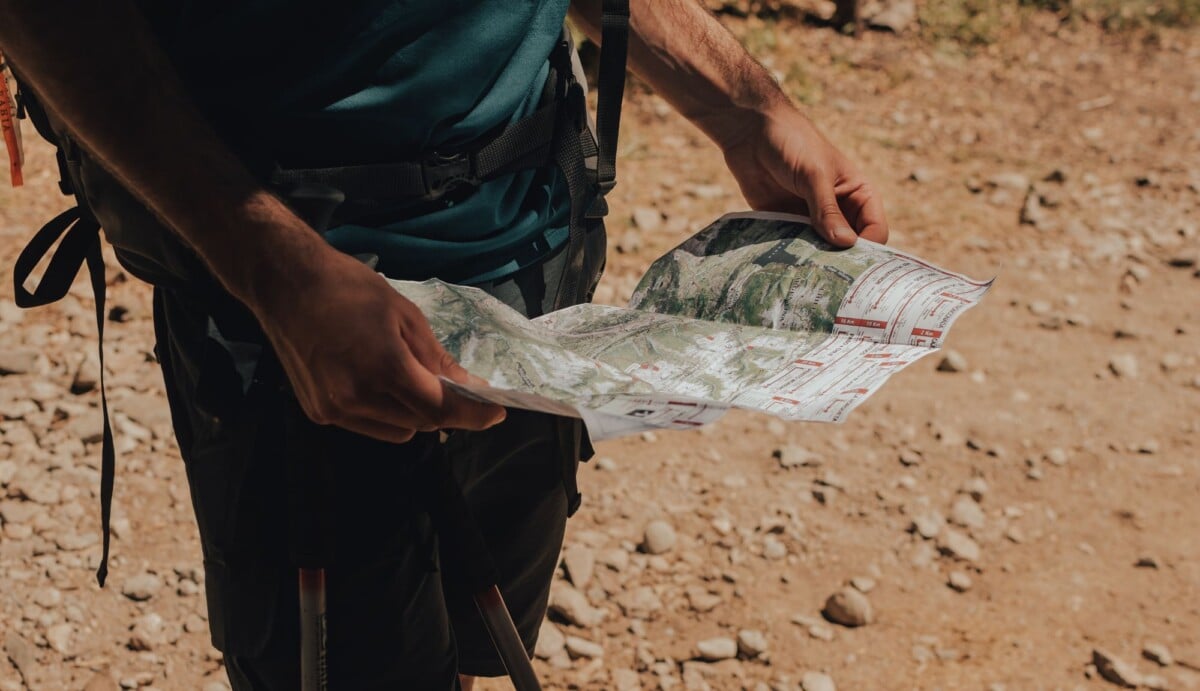
Carry enough food and water for a full mountain day and a delay. Do not plan around buying water at the chalet or finding a stream at exactly the moment you need one. If natural water sources are part of your plan, carry treatment equipment and ask park staff about likely availability.
Glacier is bear habitat. Follow the NPS bear-safety guidance: hike with others where possible, make your presence known, give animals space and carry bear spray where you can reach it. Learn how to use it before setting off. Do not run from a bear.
For this hike, pack:
- An offline trail map, backup navigation and a charged phone.
- Water, lunch, easy-to-reach snacks and extra food.
- A waterproof shell, warm layer and sun protection.
- Grippy hiking footwear you have already worn on long walks.
- Accessible bear spray, first-aid supplies, a headtorch and emergency shelter.
- Trekking poles if you find them useful for a long descent.
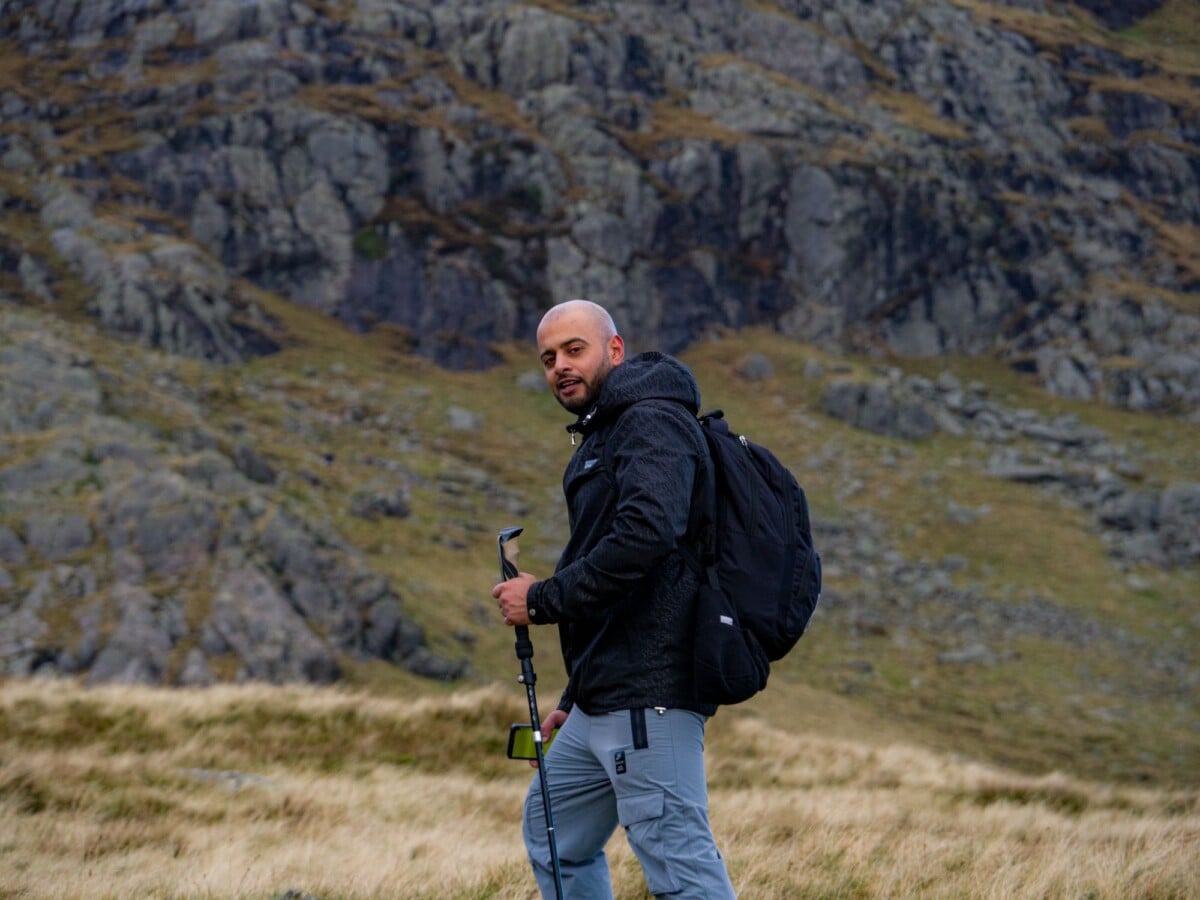
Our guide to hiking accessories for beginners helps you build a practical kit. Test poles and footwear before the trip rather than learning how they work on an exposed section. The product recommendation below may earn us a commission.
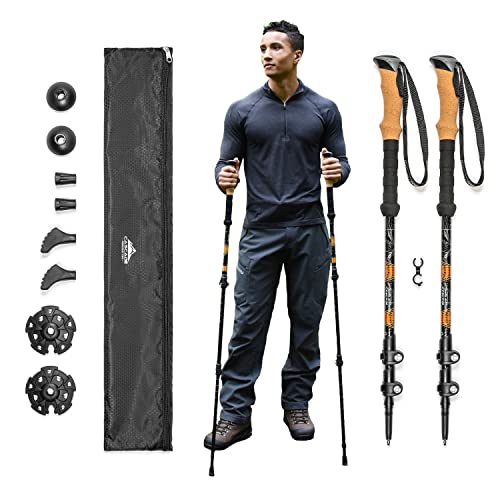
Cascade Mountain Tech
WALKING_STICK
We earn a commission if you buy through this link, at no extra cost to you.
Leave your route and expected return details with someone who can raise the alarm. Mobile reception is not a dependable way to rearrange a pickup from the trail.
Where to stay before the hike
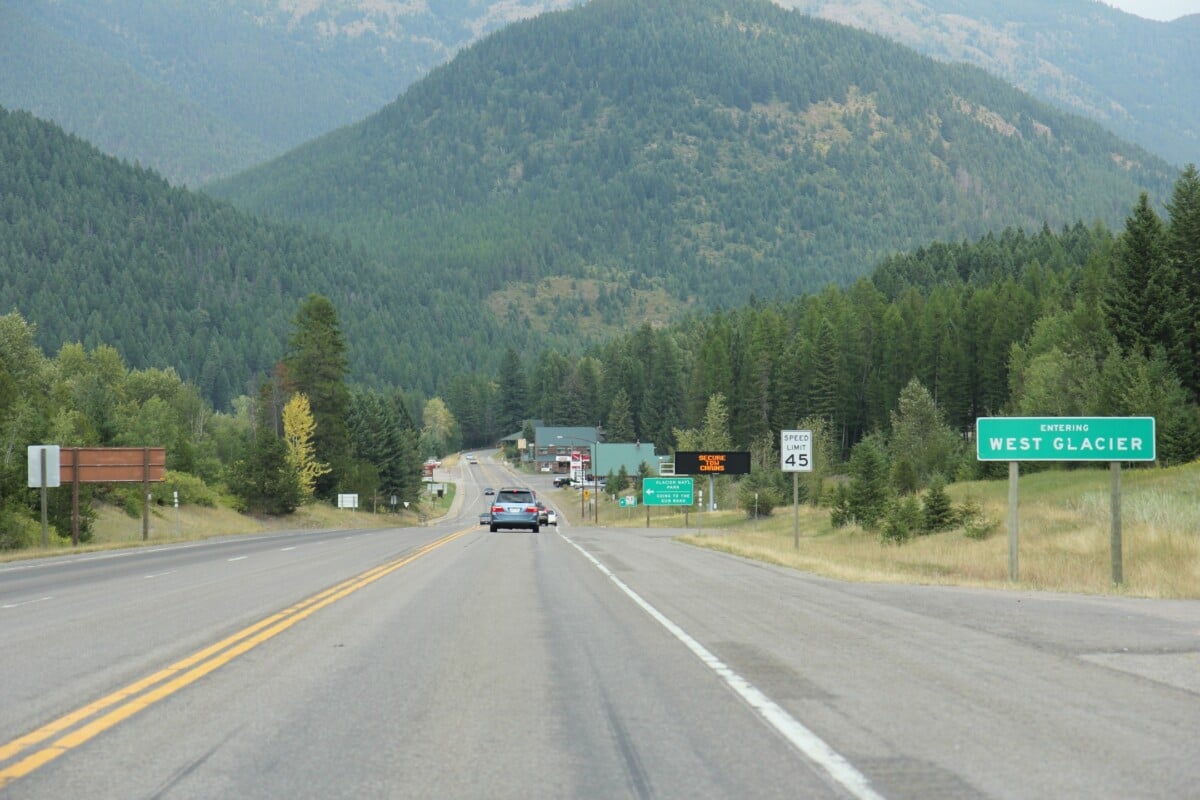
West Glacier is a practical base for a west-side approach. Apgar and Lake McDonald-area accommodation may suit west-side shuttle boarding when those services operate; St. Mary-area accommodation can suit an east-side plan.
Choose the base around your confirmed transport rather than the shortest straight-line distance to Logan Pass. Staying near a park entrance still leaves travel time before the walk.
Highline Trail FAQs
Can you hike from The Loop to Logan Pass?
Yes, when the trails are open, but that puts the sustained climb from The Loop at the start. It changes the effort and transport plan, so do not use the downhill itinerary’s timing unchanged.
Is the Highline Trail suitable for children?
The full route requires endurance and confident behaviour beside steep drops. Base the decision on each child’s experience and comfort with heights. A short Highline walk still reaches the early exposed section.
Do you need to stay at Granite Park Chalet?
No overnight booking is needed for an ordinary day hike through the area. Staying at the chalet requires a separate lodging reservation, and its services depend on its operating season.
Does Grinnell Glacier Overlook take you to the glacier?
No. It reaches a viewpoint above the basin. Retrace the spur to the Highline rather than attempting to descend to the glacier.