
Google has won a $10 million bankruptcy auction for Spirit Airlines business data and software code, taking control of a large archive of operational, commercial and employee information built up by the ultra-low-cost carrier.
An August 14 court filing lists assets ranging from pricing models and booking curves to refund histories, inflight sales and Wi-Fi purchase records. Google plans to use the business data and code to improve its AI models and products.
The sale reaches well beyond a few old spreadsheets. It covers digital systems and records developed over decades of running an airline where fares can shift quickly, planes need to be filled, and a checked bag or seat assignment can make a noticeable difference to the final bill.
What Google Is Buying From Spirit Airlines
The assets include data from Spirit’s finance and accounting, operations and revenue-management systems. Revenue management is the airline term for the software and forecasting methods used to set fares, control seat availability and respond to changing booking demand.
Google will also receive access to Spirit’s pricing models, booking curves and flight-behaviour data. A booking curve shows how reservations accumulate in the days and weeks before departure, allowing an airline to compare anticipated demand with what actually happened on a route.
The court filing also identifies information related to:
- Inflight purchases and Wi-Fi sales
- Refund histories
- Travel-package information
- Operational and financial records
- Software code used in Spirit’s business systems
Anyone who has watched a fare rise between breakfast and lunch will recognise why the pricing material stands out. Spirit’s records could map how a budget airline reacted to demand, booking windows and ancillary purchases, meaning the extras sold alongside a base ticket.
Spirit’s disappearance has already left competitors looking for room on affected routes, with Frontier adding cheap-flight options after Spirit’s collapse and other carriers pursuing passengers who once relied on its bare-bones fares.
The Sale Includes Millions Of Payroll Records And Emails
The filing describes a much wider set of personnel and communications records. It includes roughly 3.4 million payroll records, employee information dating back to 1986, about 100 million emails and 80,000 email accounts.
Those figures show the scale of material connected to the airline’s former operations. The filing sets out the asset categories involved, while Google’s stated aim is to use Spirit’s business data and software code to improve AI models and products.
Airlines generate a dense trail of commercial information. Every route, seat sale, checked bag, refund request, onboard snack and Wi-Fi transaction can feed into the systems that keep the operation moving. It does not make a low-cost booking screen any friendlier, but it does explain why the underlying data can be useful to a technology company developing analytical tools.
Why Airline Pricing And Booking Data Has Value
Airlines have to weigh up selling seats early at lower fares against keeping inventory available for people booking late and paying more. Low-cost carriers add another moving part, since baggage, seat selection, priority boarding, food and connectivity are often sold separately.
Spirit’s data includes booking curves and ancillary-sales records, two areas that can show how customers respond to ticket prices and optional extras. Refund records can also reveal where a booking changed, was cancelled or ran into trouble after payment.
For anyone pricing up a cheap break, the familiar rule still applies: the first fare shown is only part of the cost. Compare the total after bags, seats and any must-have extras are included, especially when two airlines seem close on the headline price. A $29 fare can lose its charm fairly quickly once the booking page starts offering upgrades like it is a game show.
People displaced by Spirit’s network may also find limited alternatives through Allegiant’s temporary deal following Spirit disruption, though routes, dates and baggage costs still need checking before committing.
What The Bankruptcy Auction Does And Does Not Show
The court filing says Google was the successful bidder for the assets at $10 million. It describes a substantial transfer of Spirit data and software code, together with Google’s intended use in AI development.
It does not announce a new booking process, fare policy or airport-operating change for people with a Spirit reservation. Anyone holding a booking should use the carrier’s own channels and travel notices for details specific to their flight.
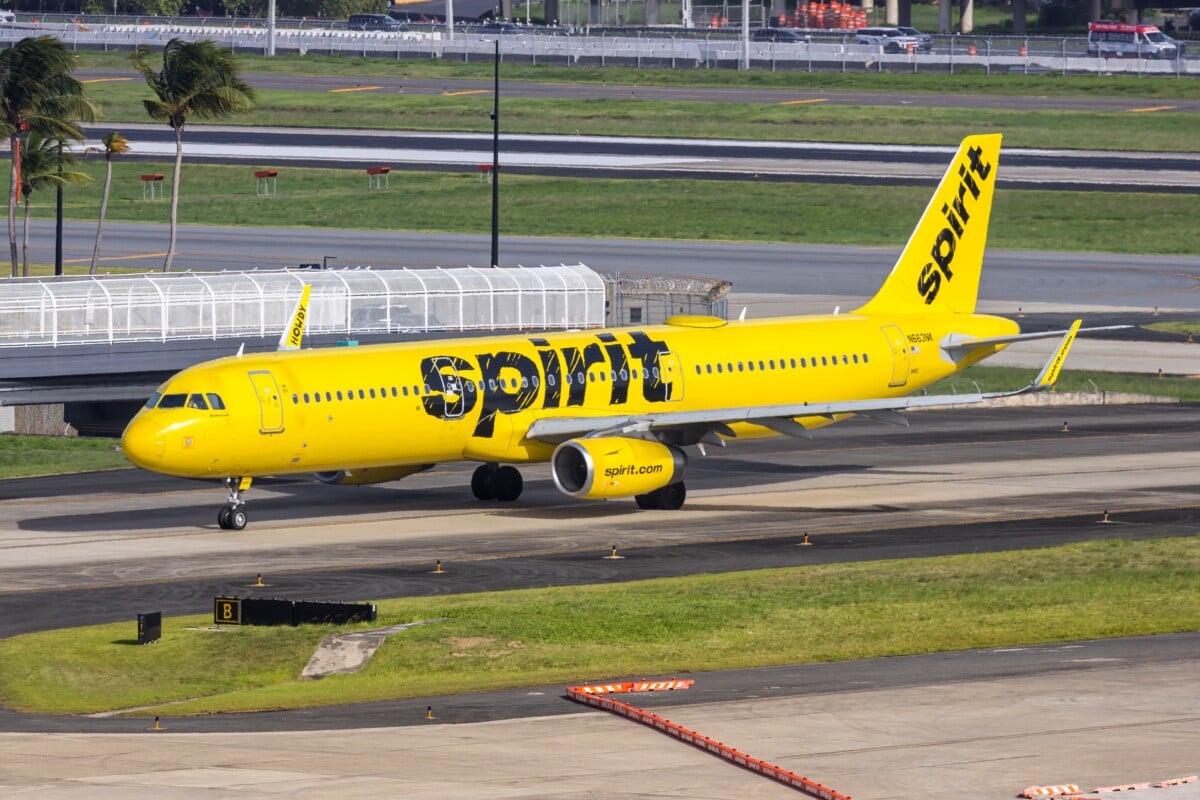
The deal is also a useful reminder that an airline’s worth extends beyond aircraft, airport slots and a familiar yellow logo. Its back-end systems hold years of decisions about routes, prices, sales and everyday disruptions. In this case, those digital assets have become part of a bankruptcy sale involving one of the world’s biggest technology companies.
What Budget Flyers Can Watch Next
There is no new fare change or booking process attached to the auction result. Spirit’s data set does, however, cover many of the small details that shape a low-cost flight purchase, from fare management to what people buy once they board.
Anyone hunting for the lowest price on a route can stick with the usual habits: check the final total before paying, read the baggage rules carefully and save confirmation details for every fare or add-on. Airline pricing rarely rewards leaving the small print until check-in.
Competition on former Spirit routes may bring more promotions, particularly where carriers have spare aircraft and overlapping networks. Keep an eye on Frontier’s summer travel giveaway and Cancun resort offer as well as regular sale fares, but treat any giveaway separately from the cost of a trip you actually need to book.
