
An electric dirt biking day rarely begins on the trail. It usually begins in the car park.
You unload the bike, search for your protective gear, check the battery, and try to remember which bag contains the spare gloves. Without a simple packing system, you can feel tired before the wheels even reach the dirt.
The good news? You do not need to bring the entire garage. The essentials fall into a few practical groups: gear that protects the rider, equipment for transporting the bike safely, tools for minor problems, food and water for the day, and cleaning supplies that keep the journey home from becoming a mud-covered disaster. For broader vehicle-based preparation, this New England road trip planning guide also covers useful road trip equipment and essentials.
This checklist focuses on rider protection, safe bike transport, minor adjustments, hydration, navigation, and cleaning after a day ride. Always follow the venue’s rules and the instructions supplied with the bike, loading ramp, and transport equipment.
Quick Day-Ride Packing Checklist
- Helmet, eye protection, gloves, knee and elbow protection, and supportive boots
- Weight-rated loading ramp, wheel restraint, and suitable tie-down straps
- Drinking water, simple food, and optional electrolytes
- Compact first-aid kit and personal medication
- Phone, power bank, and charging cable
- Downloaded offline map, venue rules, and emergency contact details
- Compact inflator, tyre-pressure gauge, and common spanners or hex keys
- Cable ties, a clean cloth, and vehicle-specific small spare parts
- Sunscreen, a hat, sunglasses, and weather-appropriate layers
- Clean top, spare socks, wipes, heavy-duty bags, and an old towel
- Vehicle keys, identification, permits, and booking confirmation
Confirm the Venue Before Packing the Vehicle
A dirt road is not automatically a legal riding area.
Choose a managed off-road park, a designated motorised riding area, or private land where the owner has clearly permitted riding. Hiking paths, mountain bike trails, and public cycle routes should not be treated as motorised routes simply because the surface is unpaved.
For an electric dirt bike day trip, focus on the venue details that affect your packing: where to park and unload, whether permits or bookings are required, whether drinking water and washing facilities are available, and how reliable the phone signal is.
Save the entrance directions, trail map, venue phone number, and emergency information before leaving home. Download an offline copy too. Remote phone coverage rarely improves at the exact moment you realise you followed the wrong access road.
Keep Protective Gear and First Aid Easy to Reach
A helmet, eye protection, gloves, knee and elbow protection, and boots that support the ankles should be among the first items packed, and the first items available after arrival. Two Scots Abroad’s guide to biking Bolivia’s Death Road includes a practical cycling gear list with layers, gloves, closed-toe shoes, sunscreen, sunglasses, and a towel.
Do not bury the helmet beneath chairs, tools, and every other piece of outdoor gear you own. Unloading half the vehicle to find it is not an ideal start to a relaxed day.
Everything should fit correctly. A fastened helmet should not move noticeably, knee protection should remain in place when you bend, and gloves should not interfere with braking. A spare pair of gloves is useful because wet, muddy gloves rarely dry themselves over lunch.
Keep a compact first-aid kit nearby with plasters, antiseptic, gauze, tape, and any personal medication. It is suitable for minor problems. Stop riding and contact local emergency services after a significant head impact, suspected fracture, uncontrolled bleeding, or altered consciousness.
Bring a Small Tool Kit, and a Charged Phone
A day ride does not require a complete workshop, but a few basic tools are worth carrying.
A compact inflator, tyre-pressure gauge, common spanners or hex keys, cable ties, and a clean cloth can address several minor problems. Vehicle-specific fuses or small replacement parts may also be helpful if you know how to install them safely.
Before taking an electric motorcycle onto an off-road route, check the tyres, brakes, battery mounting, and chain. The tool kit is not there so you can rebuild the bike in the woods. Its purpose is to prevent a loose part or poor tyre pressure from ending the day early.
A charged phone and power bank belong in the safety kit too. Keep the phone in a dust-resistant, water-resistant pouch and save the venue number, emergency access information, and contact details for your group. Navigation, photos, and calls all use battery power, usually faster than expected.
Stop riding if the brakes feel wrong, the battery housing appears damaged, or an electrical issue cannot be identified safely.
Bike Size Changes the Loading Plan
Larger bikes require more cargo space, longer ramps, and carefully positioned tie-down points. Compact bikes may leave more room for tools and protective gear, but every bike still needs a transport system rated for its weight.
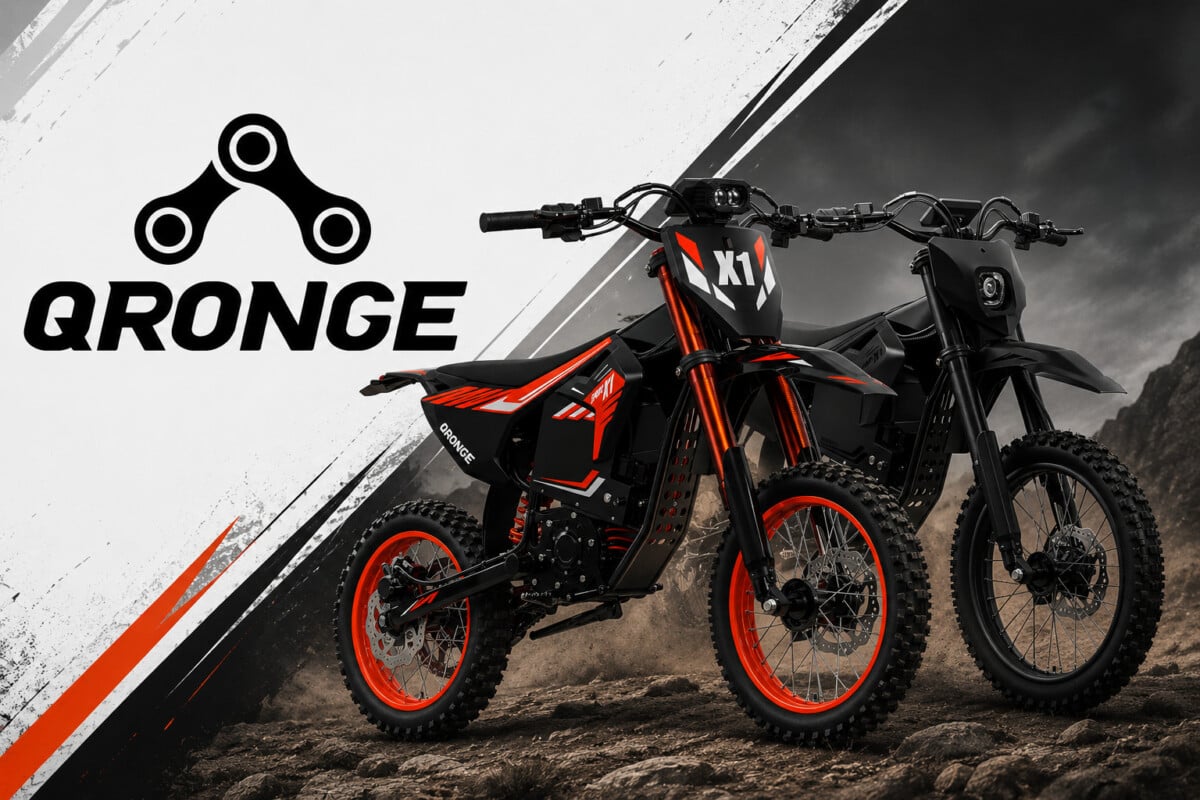
Smaller-wheel bikes can be easier to fit alongside tools, protective gear, and other day-ride essentials. The Qronge X1 Spark M, a mini electric dirt bike with a 14-inch front wheel and 12-inch rear wheel, is one example of this more compact format. Even so, its size does not reduce the need for a weight-rated ramp, secure wheel restraint, and properly positioned tie-down straps.
Place the loading ramp on firm, level ground and secure it to the transport vehicle before moving the bike. The wheel restraint and straps should be suitable for the bike’s weight and the chosen transport method; one hurriedly tightened strap is not a transport plan.
Complete a practice load before the actual trip. Closing the vehicle door does not mean the bike is secured correctly. Keep straps away from cables, brake lines, and parts that could be damaged by pressure, then stop after a short drive to check for movement.
Pack Water, Food, and Sun Protection
Off-road riding keeps your concentration, arms, and legs busy. Even in mild weather, protective gear can make you warmer than expected.
Bring enough water and drink during breaks instead of waiting until you feel thirsty. Simple foods such as sandwiches, fruit, or energy bars are easier to manage than an elaborate picnic. Electrolytes may also be useful in hot weather or during longer sessions.
Do not forget sunscreen. Car parks, practice zones, and lunch stops may have little shade, even when the trail runs through trees. A hat, sunglasses, and lightweight layers can also make waiting and unloading more comfortable.
Lunch does not need to resemble an outdoor magazine spread. A slightly flattened sandwich is still more useful than continuing the ride hungry.
Plan for a Cleaner Journey Home
Mud and dust are difficult to avoid, so plan for them instead.
Pack a clean top, spare socks, wipes, heavy-duty bags, and an old towel. The bags are useful for wet gloves and muddy protective gear, while the towel can remove loose dirt from boots before you enter the vehicle.
If the venue has no washing facilities, carry a small amount of cleaning water. You do not need to look brand new. You only need to prevent the steering wheel, seats, and phone from becoming part of the off-road experience.
Keep keys, wallets, and electronics in a separate small pouch. Losing the vehicle key inside a large bag of tools and muddy gear is an excellent way to extend the trip for all the wrong reasons.
Do One Final Check Before Leaving
Before loading the bike, make sure the rider feels well, and the tyres, brakes, battery, and chain show no obvious problems. Remove loose mud, secure the bike, and inspect the ramp, wheel restraint, straps, and loading position again.
Check the phone battery, return route, and weather before leaving the car park. Offline maps and saved venue information remain useful on the drive home, especially in areas with unreliable service.
A good packing list is not about filling every inch of the vehicle. It is about spending less time searching through bags and more time enjoying the route.
With the basics sorted, an electric dirt biking day can remain pleasantly simple: arrive safely, ride at a comfortable pace, and bring both rider and bike home in good condition. The mud on your riding trousers can count as the free souvenir.