
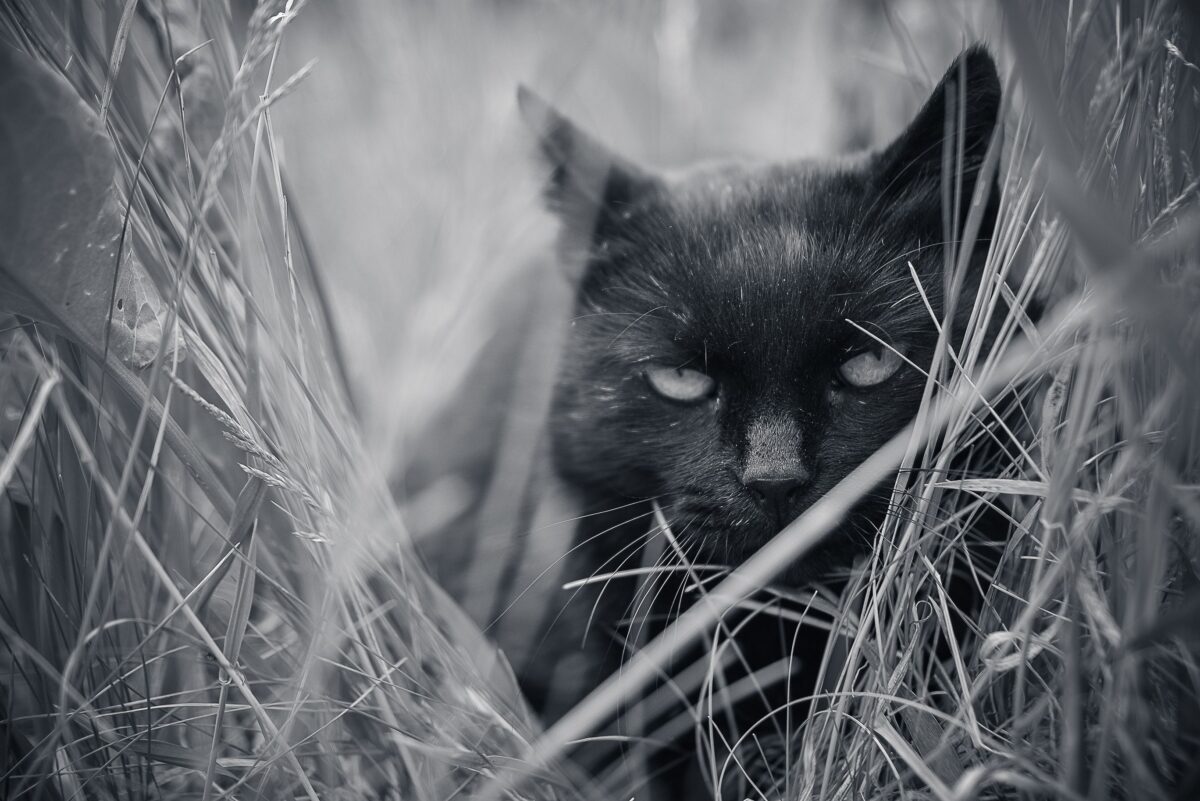
A small Scottish museum tradition has come to an end. Sweep, the black cat who spent years greeting visitors at the National Museum of Rural Life in East Kilbride, has died at the age of 17.
For plenty of locals and day-trippers, the museum visit was never just about rural history, tractors, or farm life. It also came with a fair chance of spotting one of the site’s best-known four-legged regulars padding around the grounds. For budget travelers building a Glasgow-area itinerary, that kind of unpolished charm is often the whole point.
National Museums Scotland said Sweep died last month. Her sister Sooty remains at the farm, still meeting visitors and carrying on what may be the least official but most appreciated welcome service in the place.
Who Was Sweep At The National Museum Of Rural Life?
Sweep was a much-loved black farm cat who spent most of her life at the National Museum of Rural Life in East Kilbride. Alongside Sooty, she was known for roaming the grounds, greeting visitors, and becoming part of the museum experience for regulars and first-time guests alike.
National Museums Scotland described her as part of the “Tractor Trailer Welcome Committee”, a title that sounds made up by a very online marketing team but, in this case, appears to fit perfectly.
The museum said Sweep was estimated to be 17 years old when she died last month. In cat terms, that is a properly long shift, especially for an animal woven into a busy public site for so many years.
Why Sweep Meant So Much To Visitors
Museum animals can become local celebrities without trying, and Sweep clearly managed that with zero interest in branding strategy. Public tributes shared after news of her death show that she was more than a familiar sight on the grounds.
Visitors remembered moments with Sweep that stuck with them long after they left East Kilbride. One person recalled meeting her during a difficult period after losing a parent, describing how the cat jumped up and gave what felt like a needed hug. Another remembered Sweep perched on their shoulder while they walked around the site.
Those reactions help explain why this news has landed with such force. Sweep was part of the memory of the place, not just an animal who happened to live there. Attractions can spend a fortune trying to feel memorable. A cat just turned up and did it for free.
What Visitors To The East Kilbride Museum Should Know Now
The National Museum of Rural Life remains home to Sooty, Sweep’s sister, who is still on site and continuing her rounds at the farm.
So if you are planning a visit to East Kilbride, the cat-spotting chances are not gone entirely. They are just different now.
What has changed is the emotional backdrop. For returning visitors who knew both cats, there will likely be a sense that one familiar part of the museum grounds is missing.
- Sweep died last month at an estimated age of 17.
- She spent most of her life at the National Museum of Rural Life.
- She was known for greeting visitors around the grounds.
- Sooty remains at the farm and continues to meet guests.
Why This Story Resonates Beyond East Kilbride
Budget travelers and backpackers are usually chasing places with character, not polished sameness. That is part of why stories like this travel well. A museum with resident farm cats has the kind of genuine local texture that many visitors remember more vividly than a standard brochure highlight.
For travelers moving around Scotland on a tight budget, small museums and rural sites often offer some of the best value in a trip. They can be slower-paced, less crowded, and more personal than headline attractions in the biggest cities. In this case, the draw was not only the museum collection and working farm setting, but also a cat who became part of the welcome. If you like attractions with a sense of place rather than a gift-shop-first personality, this sits comfortably alongside ideas like stepping back in time at the world’s largest history museums, just on a far more local scale.
There is also something very Scottish about a national museum having a beloved unofficial greeter who built a reputation simply by turning up and being excellent at cat.
What The National Museum Of Rural Life Offers Visitors
The National Museum of Rural Life in East Kilbride combines museum exhibits with a working farm environment. Sweep and Sooty were fixtures around the grounds, which helped blur the line between formal visitor attraction and lived-in rural space.
For day-trippers based in Glasgow, East Kilbride is a fairly easy hop compared with costlier full-day tours into the Highlands. That makes the museum a solid low-fuss option for travelers who want something distinctly Scottish without torching their budget in a single afternoon.
That matters for travelers who prefer experiences that feel a bit less staged. A site like this can appeal to:
- Families looking for an easy day trip
- Visitors interested in Scottish rural history
- Travelers wanting something outside central Glasgow
- Anyone who ranks farm animals and museum cats as a strong use of an afternoon
Even without Sweep, the museum still carries that appeal. But her absence will be felt by staff, regulars, and people who built their own memories around seeing her there.
Public Tributes Show How Deeply Sweep Was Loved
Messages shared by members of the public paint a clear picture. Sweep was not just recognized. She was actively remembered.
That distinction matters. Plenty of visitor attractions have mascots, resident animals, or familiar local characters. Far fewer inspire the kind of personal tributes that surfaced here, with visitors linking a brief encounter to grief, comfort, or a standout memory from a trip.
It is easy to underestimate these connections because they look small from the outside. A cat appears. A visitor smiles. Everyone moves on. Except sometimes they do not. Sometimes that moment hangs around for years, which is pretty good going for a museum welcome committee that worked largely on instinct and vibes.
For Visitors Planning A Trip To East Kilbride
If the National Museum of Rural Life is already on your Scotland list, this news does not change the basics of a visit. It does, however, add a layer of context for anyone familiar with the site or curious about what made it special to so many people.
For travelers who seek out places with a strong sense of personality, Sweep’s story is a reminder that the most memorable parts of a trip are often unplanned. Not the main display. Not the official route. Just the resident cat who decided you were worth acknowledging.
If you are piecing together a wider Scotland trip, this kind of stop pairs well with film-location wandering such as Outlander locations around Scotland or other low-key regional detours that get you out of the usual city-center loop.
And yes, that is exactly the sort of thing budget travelers tend to love. Low-cost, low-fuss, high-memory payoff.
Sooty Continues The Work At The Farm
National Museums Scotland said Sooty, Sweep’s sister and longtime companion around the grounds, is still at the farm and ready to meet visitors.
That means the museum’s feline chapter is not over, even if one of its most recognizable stars is gone. For regular visitors, that may bring some comfort. For first-timers, it means the site still has one of its more charming details intact.
Sweep’s death closes a long run. Seventeen years is a serious shift for any resident animal at a public attraction. Judging by the reaction, she made those years count.
For East Kilbride locals, museum staff, and visitors who remember being greeted on her terms, Sweep leaves behind the sort of legacy most attractions cannot manufacture: real affection, real memories, and a very high standard for future welcome committees. For anyone who loves oddball, human-scale attractions, that same appeal shows up in places like the most visited museum in America, where the headline draw is obvious, but the personal moments are what people actually remember.