
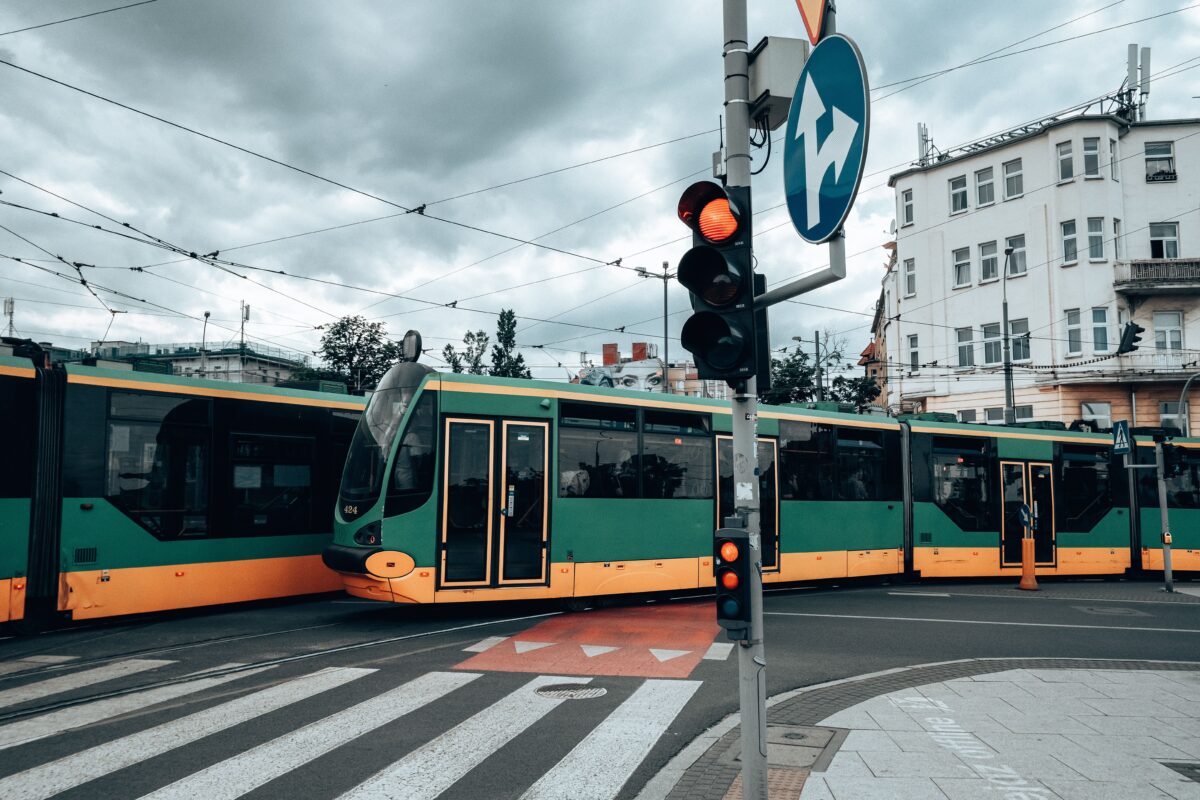
Finding cities with free public transportation sounds a bit like travel folklore. Surely there is a catch, a tiny fee, or a machine waiting to reject your coins. In some places, though, the fare really is gone.
That does not always mean every bus, tram, and train is free for every visitor. Some systems cover only city buses. Some are limited to residents. Others run as route-specific pilots. The trick is knowing the difference before you stride onto a platform looking smug and ticketless.
This guide focuses on real examples travelers should know, plus the practical details that matter most: what is free, who qualifies, and how to use these networks without confusion. If you build trips around low-cost city breaks, it pairs nicely with ideas like free things to do in Chicago or free things to do in Austin, where transport savings can stretch your budget even further.
What “free public transportation” actually means
Fare-free transit is not one single model. Cities and countries use it in a few different ways, and that distinction matters.
- Fully free systemwide transit: No fare is charged across a network or territory.
- Free local buses or shuttles: A city may waive fares on selected bus routes or downtown circulators only.
- Resident-only free transit: Locals ride free, but visitors still pay.
- Pilot programs: Temporary fare-free projects used to test ridership, equity, or funding models.
Travel tip: Always check whether the free service applies to buses only, or also to trams and trains. That one detail can save you an awkward station moment. It is also worth checking if airport services, night buses, or premium express routes are excluded, because those are common loopholes.
A quick comparison of notable places with fare-free transit

| Place | What is free | Who it applies to | Key detail |
|---|---|---|---|
| Luxembourg | National buses, trams, and trains | Everyone | Nationwide fare-free public transport began on 29 February 2020; first class rail still requires a ticket |
| Malta | Most public bus routes | Residents | Resident-focused free transit started on 1 October 2022 through the Tallinja card system |
| Tallinn, Estonia | City public transport | Registered residents | The city switched after a public vote and launched the policy in 2013; visitors generally still need tickets |
| Kansas City, Missouri | RideKC buses | Riders on the bus network | ZeroFare KC began in 2020, though service frequency and coverage still shape usefulness |
| Boston, Massachusetts | MBTA Routes 23, 28, and 29 | Riders on those routes | The city-backed fare-free program was extended through the end of 2026 |
| Alexandria, Virginia | DASH buses | Everyone using DASH | Free local bus service connects with larger regional transit, but Metrorail and other operators are separate |
Luxembourg is the easiest big-name example
If you want the cleanest, simplest answer to the question of cities with free public transportation, Luxembourg is the standout. The country made public transport free across its entire territory on 29 February 2020, covering buses, trams, and trains.
For travelers, that matters because it removes the usual mental arithmetic of moving between city and region. You are not just dealing with one free downtown loop. You are dealing with a whole national network where everyday public transport is fare-free. In practical terms, that makes it unusually easy to base yourself in Luxembourg City and take regional trips without constantly feeding a ticket machine.
Why it is worth knowing
- It is easy to use: You do not need to decode a patchwork of exceptions for basic day-to-day trips.
- It works for more than one mode: Buses, trams, and trains are part of the picture.
- It is useful beyond Luxembourg City: The free policy applies across the country, which is unusually traveler-friendly.
What makes it unique
Luxembourg is widely recognized as the first country to make public transport free nationwide. That is a different league from a local bus pilot or a single central circulator. The catch, if you can call it that, is fairly minor: standard second-class travel is free, but first-class rail still requires a valid ticket.
Best time to visit
Any season works because the transit benefit is structural, not seasonal. The practical advantage is especially obvious if you plan to move around a lot instead of staying in one neighborhood. Spring and early autumn tend to be especially pleasant for combining urban sightseeing with regional day trips.
Helpful travel tip
Do not assume “free” means every possible rail product is included without exception. For ordinary public transport trips, the system is the headline. For specialized travel products, check the operator before boarding. If you accidentally wander into first class, the inspector will not be charmed by your enthusiasm.
Tallinn shows how resident-free transit differs from visitor-free transit
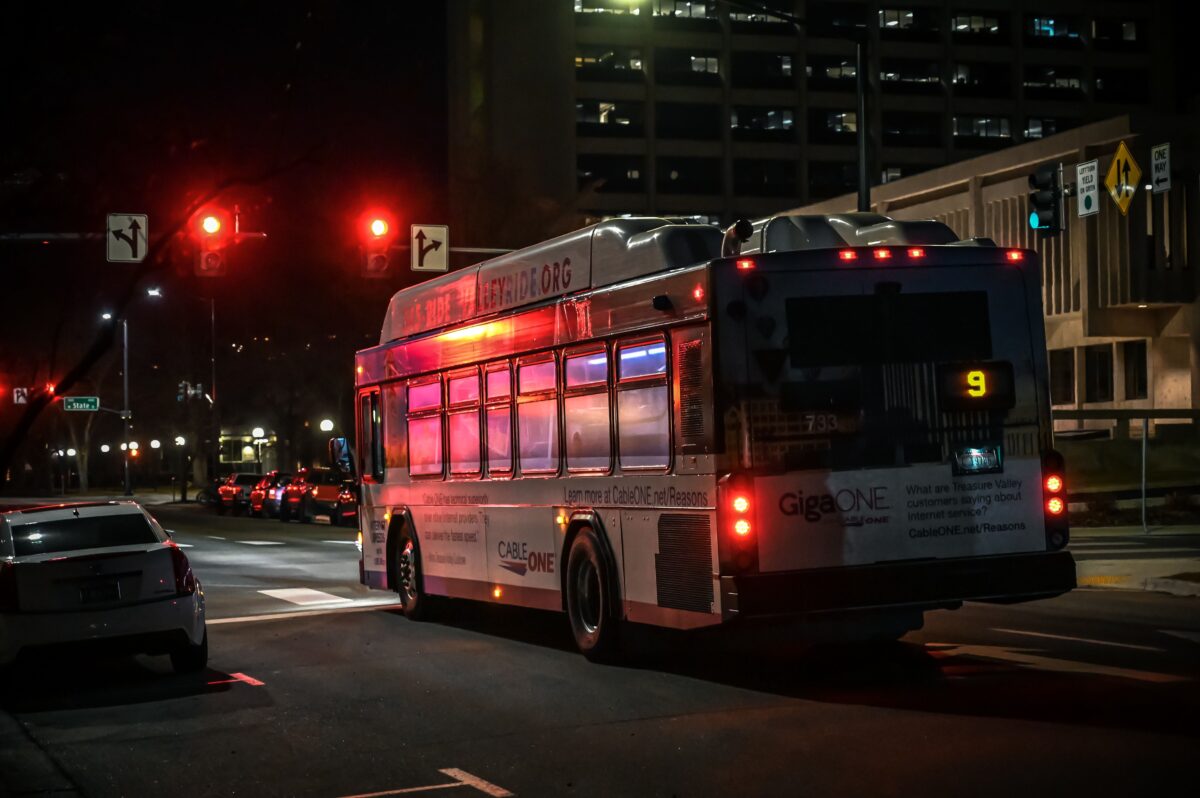
Tallinn often comes up in conversations about fare-free transit for good reason. The Estonian capital, with a population above 450,000, switched to free public transportation for residents in 2013 after a public vote.
That resident focus is the important part. Tallinn is a major example of free urban transit, but not in the same way as Luxembourg. For travelers, it is a useful reality check because the city is often mentioned in broad “free transit” lists without the all-important resident qualifier.
Why it is worth visiting
Tallinn is one of the better-known European capitals tied to the fare-free movement, so it is useful for travelers interested in how transport policy shapes city life. It is also a reminder that “free transit city” does not automatically mean “free transit for visitors.” Beyond the transport angle, Tallinn is compact, walkable, and easy to pair with a longer Baltic itinerary.
What makes it unique
- It is one of the largest cities to adopt a resident-based fare-free model.
- The policy followed a public vote, which gives it a strong civic backstory.
- It is often cited alongside smaller towns, which makes its scale notable.
Best time to visit
Tallinn is appealing in both summer and winter, but the transit lesson remains the same year-round. Check eligibility rules before counting on free rides as part of your budget. Summer brings long daylight hours and outdoor events, while winter adds Christmas market atmosphere and serious scarf weather.
Helpful travel tip
If you are visiting rather than living in Tallinn, verify whether your trip qualifies for the fare-free rules. This is exactly the kind of place where assumptions can lead to unnecessary fines or confusion. If public transport is part of your budget strategy, you might also like practical planning guides such as Rome in a day free 24 hour itinerary, where knowing what is actually included matters just as much.
Malta offers a useful cautionary tale for travelers
Malta made its public transport free on most routes on 1 October 2022, but the benefit applies to residents rather than all visitors. That makes Malta one of the most talked-about examples in the free-transit conversation, but it is not a universal free-for-all.
For trip planning, Malta is a perfect example of why headlines only get you halfway there. The resident-free scheme is tied to the Tallinja card, so visitors should expect to pay regular fares unless they qualify under the local rules in force at the time of travel.
Why it is worth knowing
- It is a high-profile fare-free example in Europe.
- It shows how a place can be “free” in public discussion while still having eligibility limits.
- Most routes are included, which makes the policy broad for those who qualify.
What makes it unique
Unlike Luxembourg’s nationwide approach for all users, Malta’s system is a resident-focused model. That contrast is one of the clearest in Europe. It is also especially relevant because Malta is popular with short-stay visitors, language students, and winter sun travelers, many of whom reasonably assume a national headline applies to them too.
Best time to visit
Any time you are planning a Malta trip, treat transportation as a detail worth confirming early. It is not the glamorous part of travel planning, but it beats figuring it out at a bus stop in full sun. Shoulder seasons are often the sweet spot for sightseeing, with warm weather and fewer peak-summer crowds.
Helpful travel tip
Visitors should not build an itinerary around the assumption that buses will be free. Check the latest passenger rules before you travel. On busy routes, also allow extra time, because low-cost or free systems can be popular enough to test your patience.
Kansas City is one of the most notable fare-free examples in the United States
In the United States, fully free transit across an entire large urban network is less common. That is why Kansas City stands out. RideKC buses have operated under the ZeroFare KC program since 2020, making the city one of the most prominent U.S. fare-free examples.
This is the kind of transit policy travelers can actually use, not just admire from a policy panel. That said, local reaction has been mixed in the way transit debates often are. Riders appreciate not paying a fare, but complaints about frequency, reliability, and limited coverage still come up, which is a fair reminder that free and convenient are not always the same thing.
Why it is worth visiting
Kansas City is one of the clearest American examples of a city trying to make bus access simpler and more equitable. If you are exploring the city without a car, a fare-free bus network removes one obvious barrier. It also makes spontaneous neighborhood-hopping easier, which is handy in a city where attractions are spread out.
What makes it unique
- It is often described as one of the broadest fare-free transit programs in the U.S.
- The network is not limited to a tiny tourist shuttle.
- Public discussion around the program has focused on access to daily essentials, not just sightseeing.
Best time to visit
The program is useful in any season because its value is practical. It matters when you are heading to neighborhoods, shops, or attractions and want one less thing to pay for. If you enjoy budget-conscious urban trips in the U.S., it fits the same mindset as free things to do in Denver or other cities where careful planning saves a surprising amount.
Helpful travel tip
Free fares do not solve every transit problem. Service frequency and route coverage still matter, so map your trip in advance rather than assuming every ride will be quick. In some parts of the city, rides can involve longer waits than you might expect.
Boston proves that free public transportation can be route-specific
Boston is a good example of why this topic needs nuance. The city does not make the entire MBTA free. Instead, Routes 23, 28, and 29 have run fare-free under a city-backed program that was extended through the end of 2026.
That is a meaningful benefit, especially on busy corridors, but it is not the same as saying Boston has fully free transit. For visitors, this matters because one part of your day may be free while the next bus or train on your itinerary is very much not.
Why it is worth knowing
- It shows how fare-free transit can target specific routes rather than a full city network.
- The program has been associated with corridors that serve lower-income riders.
- It is a practical example for visitors using buses in those parts of the city.
What makes it unique
Boston’s model is focused and specific. It is not trying to erase fares everywhere at once. For travelers, that means precision matters. The bus route number matters a lot more than wishful thinking. It is also a useful example of how cities can test fare-free service on high-ridership routes instead of flipping an entire network overnight.
Best time to visit
Any Boston trip can benefit if your plans line up with those routes. If not, expect standard fares on the rest of the system. Fall is especially popular for city breaks, but the free-route question stays exactly the same in every season.
Helpful travel tip
Check the exact route number before boarding. On a city system with mixed fare rules, one free route next to one paid route can catch people out. A quick route check beats discovering the difference halfway through your journey.
Smaller U.S. systems can be just as useful
Not every fare-free success story happens in a capital city or a giant metro area. In the U.S., many smaller networks and circulators have dropped fares, especially local bus systems and downtown shuttles.
Examples that appear often in fare-free roundups include Alexandria’s DASH system in Virginia, the Charm City Circulator in Baltimore, and Streamline in Bozeman. These are not identical programs, but they share one attractive quality: they make short urban trips easier without asking riders to think about tickets first. They also show the limits of the label, because a free local bus is brilliant for errands or central sightseeing and much less magical if your hotel sits miles outside the useful coverage area.
Why these places matter
- Alexandria DASH: Useful because it connects with larger regional systems, even though those other systems may still require a fare.
- Charm City Circulator: Helpful for moving around central Baltimore on a dedicated shuttle network.
- Streamline in Bozeman: A reminder that fare-free transit can be valuable in smaller cities too, not just big urban centers.
Travel tip: Free local service is most helpful when you understand its boundaries. A city circulator may be brilliant for downtown and completely irrelevant for the airport. That same logic applies when you are planning low-cost days out elsewhere too, from free things to do in Portland Oregon to smaller regional stops where transit coverage can be patchy.
How to tell if a free transit system will actually help your trip
Fare-free travel sounds great, but practical usefulness depends on more than the ticket price. Before you celebrate your saved transit budget, ask these questions:
- Is it free for visitors or only residents? Malta and Tallinn show why this matters.
- Is the free service systemwide or route-specific? Boston shows how targeted programs work.
- What modes are included? Bus-only and multimodal networks are very different.
- Does it connect the places you actually want to go? Free transport is less exciting if it stops nowhere near your plans.
- Is the program permanent or a pilot? Temporary fare-free schemes can change.
A sixth question is worth adding mentally even if it is less catchy: how often does it run? An hourly free bus is still an hourly bus.
Why cities remove fares in the first place
No city is handing out free rides because it woke up feeling whimsical. Fare-free public transportation is usually tied to bigger goals.
- Equity: Lowering the cost burden for daily riders.
- Ridership growth: Encouraging more people to use public transport.
- Simpler boarding: Fewer payment delays can speed up bus service.
- Environmental goals: Making transit more attractive than driving.
The results vary by place, and free fares alone do not fix weak service. Still, for travelers and residents alike, a good fare-free system can make a city feel easier to navigate. In the best cases, it removes friction. In the less polished cases, it removes the fare while leaving the usual transit grumbles fully intact.
The bottom line on cities with free public transportation
The best-known places in this category do not all work the same way. Luxembourg offers the most straightforward example, with nationwide free public transport across buses, trams, and trains. Tallinn and Malta are important examples too, but their free access is tied to residents. In the United States, Kansas