
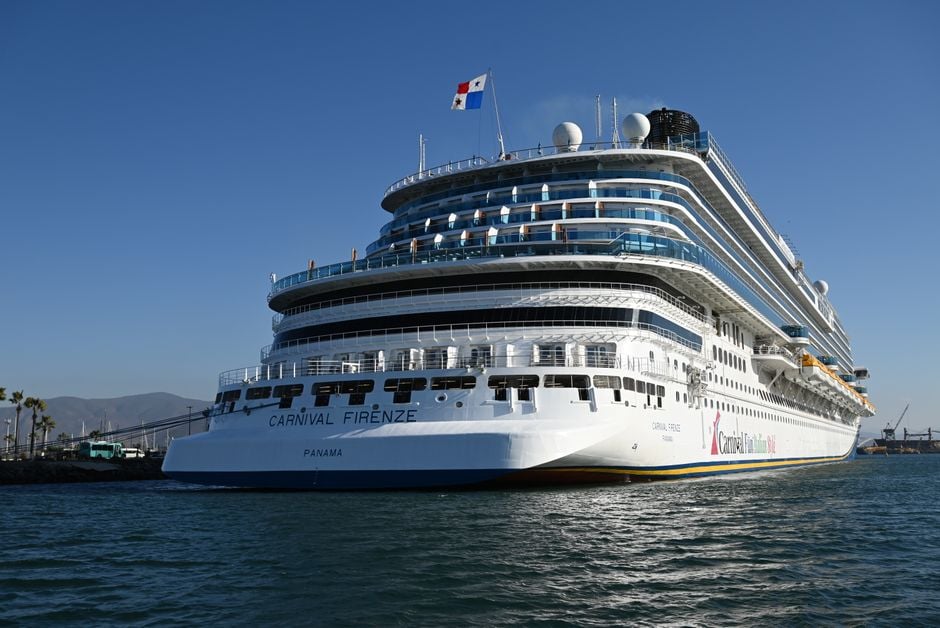
Carnival Corp. is highlighting sustainability programs across its owned and operated travel portfolio, with a company feature pointing to local initiatives in the Caribbean, Alaska and Europe. The update focuses on work taking place beyond its ships, including at destination sites, lodges and cruise terminals.
Published by Carnival Corporation as its “World Tour of Sustainability”, the feature presents these efforts as part of the company’s wider approach to creating positive impacts in the communities and environments where it operates. It arrives as travel brands face closer scrutiny of how environmental commitments translate into visible, on-the-ground changes, a subject also reflected in Hilton’s Travel with Purpose sustainability progress.
What Carnival Corporation Is Highlighting

The company’s overview spans a broad operational footprint. Carnival Corporation points to activity at Caribbean destinations, Alaska lodges and European cruise terminals, illustrating that sustainability work within a large cruise group can involve facilities and destinations as well as onboard operations.
That distinction is important. Cruise sustainability discussions often centre on ship fuel, emissions and waste systems, but ports, private destinations, shore infrastructure and land-based hospitality operations also use energy and water, generate waste, employ local residents and interact directly with surrounding ecosystems.
Carnival’s feature does not position each local project as a single, company-wide programme. It is a portfolio view, designed to show how sustainability activity can take different forms across regions with different environmental conditions, infrastructure and community needs.
Why Local Operations Are Part of the Sustainability Debate
For travellers, the practical environmental impact of a holiday is not confined to transport. A visit may involve terminal buildings, excursions, accommodation, food supply chains and destination services. Cruise companies with owned or operated sites have greater direct influence over some of those elements than they do at ports run by public authorities or independent operators.
Alaska presents a particularly distinct setting because lodge operations sit alongside sensitive natural landscapes and a short, seasonal visitor economy. Caribbean destinations bring different pressures, including coastal conditions, waste handling and the relationship between visitor facilities and nearby communities. European terminal projects are shaped by port infrastructure and local transport networks.
Those differences make broad sustainability language difficult to assess without local context. A useful programme description should identify the site involved, the issue being addressed, the action taken and a measurable outcome over time.
What the Company’s Update Does and Does Not Establish
Carnival Corporation’s article provides a window into initiatives the company considers meaningful across its global operations. It does not function as an independent assessment of the environmental or social performance of the group, its brands or individual destinations.
Readers assessing sustainability claims should look for supporting disclosures that set out methodology, reporting periods and comparable results. Depending on the project, useful evidence may include reductions in waste sent to landfill, water use, energy consumption, local purchasing, habitat protection outcomes or community partnerships. A commitment is a starting point; consistently reported results are what allow progress to be evaluated.
The travel sector’s sustainability work is also broader than cruise operations. For example, efforts to reduce the resource demands of transport technology are developing in parallel, including the UK-backed battery recycling project aimed at recovering materials used in electric batteries.
What It Means for Cruise Travellers
The company’s destination-focused update may be most relevant to guests who want to understand the land-based side of a cruise itinerary. It suggests Carnival Corporation is placing public attention on how its facilities and destinations operate, not only on the ships that bring visitors there.
Travellers looking to compare cruise options can ask specific questions before booking: Is the destination operated by the cruise line? Does the operator publish site-level environmental information? Are shore activities run with local partners? And does the company report progress against dated targets?
Clear answers will vary by itinerary and brand. Cruise lines operate in a mix of company-managed, privately operated and public ports, so the degree of control over local facilities is rarely identical across every stop.
What to Watch Next
Carnival Corporation’s feature puts a spotlight on local projects, but the strongest indication of long-term progress will be continued reporting that connects those projects to measurable performance. That includes explaining how individual initiatives fit into the company’s wider environmental and community commitments.
For now, the update broadens the focus of Carnival’s sustainability narrative to include the places where guests begin, end and extend their cruise experience. It also underlines a basic reality for major travel operators: sustainability claims are increasingly judged at the level of destinations and facilities, not just corporate targets.
Frequently Asked Questions
What sustainability programs is Carnival Corporation highlighting?
Carnival Corporation’s company feature highlights local initiatives across its owned and operated portfolio, including Caribbean destinations, Alaska lodges and European cruise terminals. The source summary does not provide a full project-by-project list of actions or outcomes.
Are Carnival’s sustainability initiatives limited to cruise ships?
No. The company’s update specifically includes land-based operations such as destinations, lodges and terminals. These sites can affect resource use, waste management and relationships with local communities.
How can travellers assess a cruise line’s sustainability claims?
Look for dated reporting, defined targets, a clear measurement method and results that can be compared over time. Site-specific information is especially useful when an itinerary includes company-operated destinations or facilities.