
Batteries now prop up a huge slice of modern travel, from electric buses and trains to the phones, cameras, and power banks that turn backpackers feral at 2 percent. So when the UK backs closed-loop battery anode recycling, this is not just lab-coat admin for people who alphabetise cables. It sits right in the middle of the argument over how clean electric transport actually is.
The idea is refreshingly unglamorous and very useful. Instead of leaning only on new raw material extraction, the project is meant to recover and reuse battery materials in a circular system. That matters because battery demand is climbing hard. Global EV battery demand topped 750 GWh in 2023, up about 40 percent year over year, and the world is going to need a lot more of it if electric transport keeps scaling.
For budget travelers, this does not mean a magically cheaper rail pass next week. The longer-term upside is cleaner supply chains, better resilience for battery manufacturing, and less dependence on digging up fresh material every time demand jumps. Put less politely, greener travel needs greener batteries, not just a larger pile of them.
What The UK Is Funding In Battery Recycling
The UK government is backing a collaborative project aimed at closed-loop battery anode recycling. The point is to keep battery materials in circulation for longer by recovering them and feeding them back into production, instead of treating batteries like a one-way ride from mine to landfill.
The phrase closed-loop gets thrown around so often it can start to sound like conference wallpaper. Here, it means materials from used batteries are recovered and reused in a way that supports future battery manufacturing. The goal is not recycling for the vibes. It is recycling that can help produce new batteries again.
The focus on the anode matters too. In a lithium-ion battery, the anode is one of the core parts involved in storing and releasing energy. Graphite is the dominant anode material in most lithium-ion cells, and demand for battery-grade graphite is expected to rise sharply as EV production expands. If that material can be recovered efficiently, it cuts pressure on sourcing as much brand-new feedstock.
Why Battery Anode Recycling Matters Beyond The Lab
Battery supply chains can feel far removed when your bigger concern is finding a hostel with plug sockets that are not held hostage by someone charging five devices at once. But battery supply chains shape the real footprint of electric mobility, and that reaches into public transport, shared mobility, and the broader move away from fossil fuels.
Electric travel is often the cleaner option, and on a life-cycle basis it usually is. But the environmental bill does not disappear because the exhaust pipe does. Mining, processing, and manufacturing all carry costs, including emissions, water use, and supply risk. That is especially relevant as governments push more electric buses, trains, and urban fleets onto the road.
That is why recycling matters. If more battery material is recovered and reused, the system relies less on fresh extraction alone. It is not a miracle cure, and anyone promising that is selling something. But it is one of the more practical ways to make electrification less wasteful and a bit less vulnerable to supply shocks.
How Closed-Loop Recycling Fits Into The Bigger Resource Shift
The wider story is a steady move from a straight-line resource model to a circular one. For years, plenty of industries ran on the same tired script: extract, manufacture, use, discard. Efficient in the short term, sure. Also spectacularly good at creating waste and future headaches.
Battery recycling interrupts that cycle. Recovering useful material from old batteries can help with several pressure points at once:
- Reducing waste from used battery packs and cells
- Lowering reliance on virgin materials from new extraction
- Improving supply resilience as battery demand rises
- Supporting domestic industrial capacity in battery-related sectors
That matters because end-of-life battery volumes are about to get much bigger. By 2030, retired EV batteries alone are expected to create a substantial recycling stream globally, and the market for recovered materials is forecast to expand quickly alongside it. The system can become less linear and less resource-hungry over time, which is not flashy, but it is exactly the sort of boring competence clean transport needs.
What This Could Mean For Electric Transport And Travel
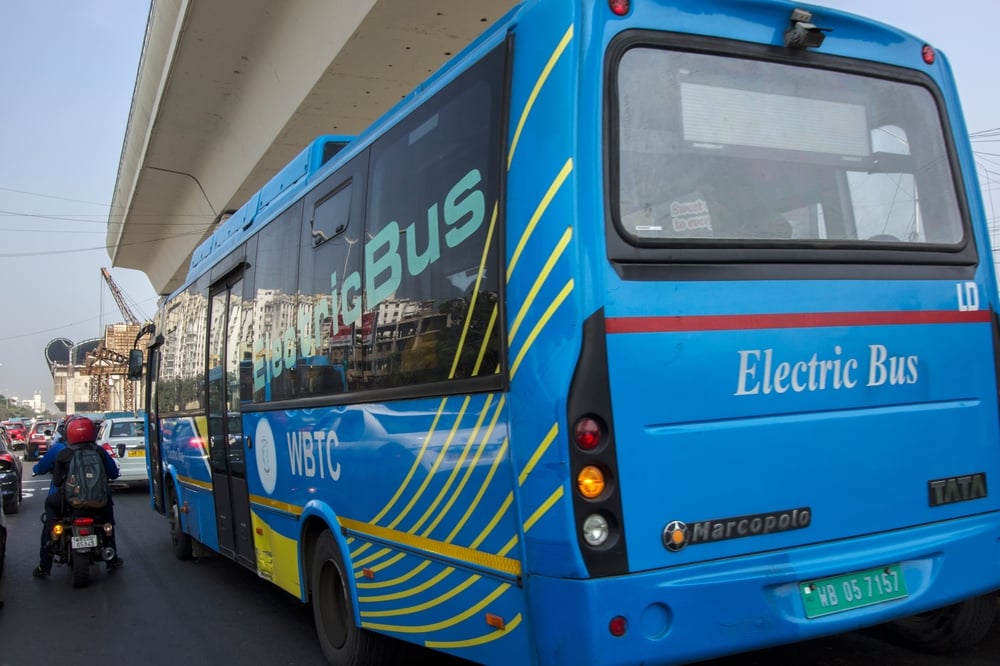
The link to travel is more direct than it sounds. Transport electrification depends on batteries, whether that is electric buses, local transit fleets, e-bikes, car-share schemes, or wider energy systems that support rail and charging networks. Cleaner battery inputs make the whole electric transport pitch sturdier.
For travelers trying to keep costs down, the useful angle is the long game. Budget travel already overlaps heavily with rail-first trips, public transport, and lower-emission mobility. If those systems depend on batteries or electrified infrastructure, better recycling helps clean up the foundations of the trips many frugal travelers already choose. It fits the same wider sustainability shift seen in hospitality efforts like Hilton’s travel sustainability push, even if the battery side is far less photogenic.
There is also a supply-chain angle here. More recovered material could ease some pressure in battery manufacturing over time. That does not guarantee lower fares or cheaper devices, and promising that would be nonsense. But stronger recovery systems give manufacturers and governments another buffer as demand rises and raw material markets stay twitchy.
Why Governments Are Getting More Involved In Battery Supply Chains
This project reflects a bigger truth: batteries now count as strategic infrastructure. They matter for transport, energy storage, industrial policy, and economic security. Governments are paying more attention because relying entirely on imported raw materials and stretched global supply chains is not exactly a relaxing plan.
Public backing for recycling and recovery projects can serve several goals at once:
- Environmental goals through reduced waste and lower extraction pressure
- Industrial goals by building local capability and technical expertise
- Supply security goals as battery demand grows across transport and energy
The UK is hardly alone here. The EU has tightened battery rules around sourcing, recycling, and recycled-content targets, while the US has also poured money into domestic battery supply chains. Battery recycling is moving into mainstream industrial planning, which sounds deeply unsexy until you remember how much daily life now runs on rechargeable cells.
What Budget Travelers Should Actually Take From This News

No, this does not transform your next trip overnight. You are not about to see instant miracles in fares, charging speed, or route availability. The practical takeaway is more structural than dramatic.
If you care about lower-impact travel, this is the kind of behind-the-scenes shift worth watching. Cleaner journeys are not built only from shiny new trains and electric buses. They also rely on less wasteful materials systems, smarter recovery, and supply chains that are not designed like disposable cutlery.
For backpackers and budget travelers, that matters because affordable travel often leans on the modes that scale best: public transport, shared transit, and electrified networks. The more sustainable the battery ecosystem becomes, the stronger the environmental case for those options. It is the same logic behind choosing efficient transport in cities with strong metro systems, including beautiful metro stations that still work for budget travelers. Good infrastructure matters. So does the stuff hidden inside it.
Battery Recycling Terms Explained Without The Corporate Fog
If the jargon is starting to smell like a trade expo, here is the plain-English version:
- Anode: One of the main parts of a lithium-ion battery, involved in storing and releasing energy.
- Closed-Loop Recycling: Recovering material from used batteries so it can be put back into future battery production.
- Virgin Materials: Newly extracted raw materials, rather than recovered or reused ones.
- Circular Economy: A system designed to keep materials in use longer instead of using them once and binning them.
That last term is the big one. The cleaner future is not only about switching fuels. It is also about wasting fewer materials while doing it.
Why This Story Matters Even If You Never Buy An EV
You do not need to own an electric car for this to matter. Battery supply chains affect public infrastructure, transport policy, and the devices people use every day. As electrification spreads, recycling stops being a nice extra and starts looking like basic maintenance for the whole system.
The UK’s support for collaborative battery anode recycling is one more sign that resource recovery is moving closer to the centre of industrial policy. It may never trend like a cheap flight alert or a new route launch such as Glasgow’s new Zurich connection for budget travellers. But if travel is heading toward a lower-emission future, this is part of the plumbing that makes the whole thing hold together.
And yes, battery recycling is not exactly the sexiest corner of travel news. Neither is sewage treatment, yet both become wildly interesting the moment they stop working. Better to fix the boring essentials before the clean-transport story starts wobbling and everyone acts shocked.
