
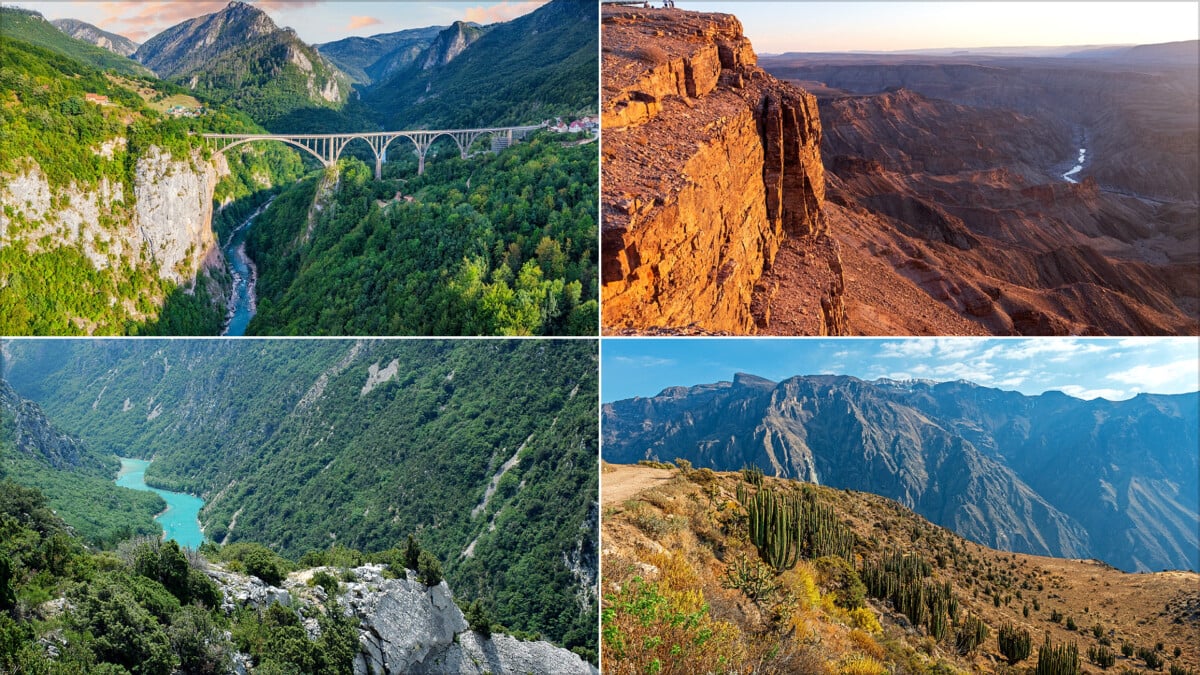
The five canyons worth putting on a serious travel shortlist are the Grand Canyon in the United States, Colca Canyon in Peru, Verdon Gorge in France, Fish River Canyon in Namibia and Tara River Canyon in Montenegro. Each offers a very different kind of trip: rim viewpoints and desert hiking, Andean condors, turquoise water, remote multi-day trekking or white-water rafting.
This is not a ranking by depth or length. It is a practical selection of five canyons that can be visited responsibly, with clear ways to experience their scale without treating every trip as an extreme expedition.
How To Choose a Canyon Trip
A canyon holiday can mean a 20-minute viewpoint stop, a full-day hike or several days in very isolated country. Check the walking distance, elevation, weather, road conditions and permit rules before committing to a route. Canyon walls can make mobile reception patchy, while flash flooding and heat can turn a casual plan into a poor one quickly.
For many travellers, the most sensible approach is to base yourself nearby, take one well-planned walk or guided activity, and leave room for changing conditions. Big scenery is more enjoyable when nobody is racing a sunset with an empty water bottle.
1. Grand Canyon, Arizona, United States
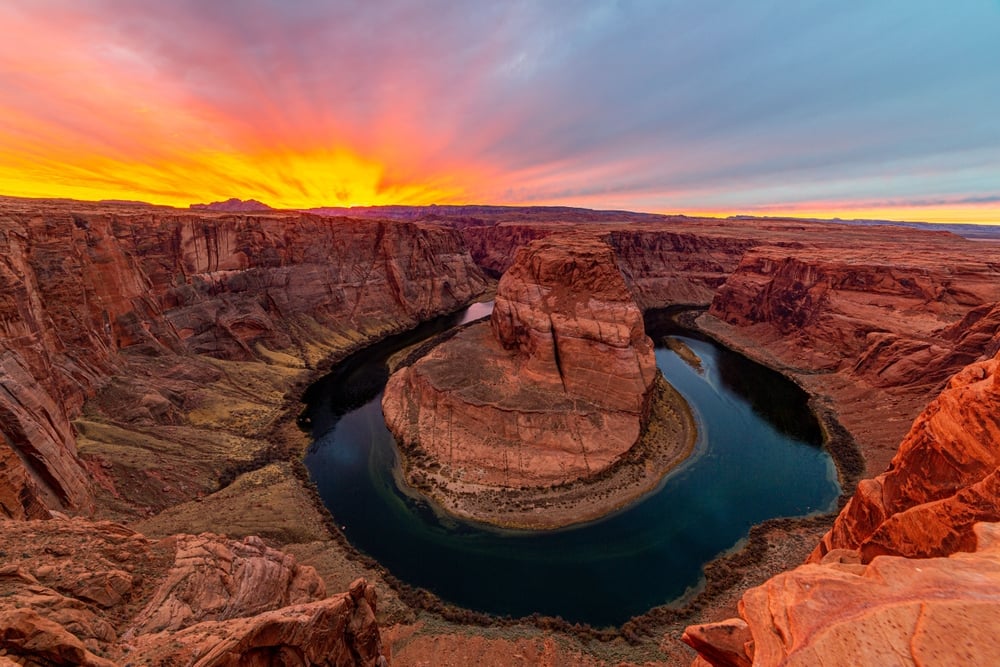
The Grand Canyon is the most straightforward choice for travellers who want huge geological scale with well-developed visitor facilities. Its South Rim is open year-round and has the widest range of viewpoints, shuttle connections, accommodation and accessible areas; the North Rim is quieter but has a shorter seasonal opening period because winter weather affects access.
The U.S. National Park Service recommends planning below-rim hikes carefully: temperatures rise rapidly below the rim, and an overnight stay below the rim requires a backcountry permit. Day visitors can get an excellent sense of the landscape from the Rim Trail, Desert View Drive and the park shuttle stops without attempting a strenuous descent.
- Best base: Grand Canyon Village for car-free access to South Rim viewpoints, or Tusayan for more lodging choices just outside the park.
- Good for: First canyon trips, scenic drives, family travel and serious hikers with suitable preparation.
- Plan around: Summer heat below the rim, winter snow and ice at the rim, and high demand for lodging.
A refillable bottle, sun protection and a small daypack are more useful here than extra gadgets. The park’s water and weather warnings deserve attention.
Shop insulated water bottle hiking daypack on Amazon
2. Colca Canyon, Arequipa Region, Peru
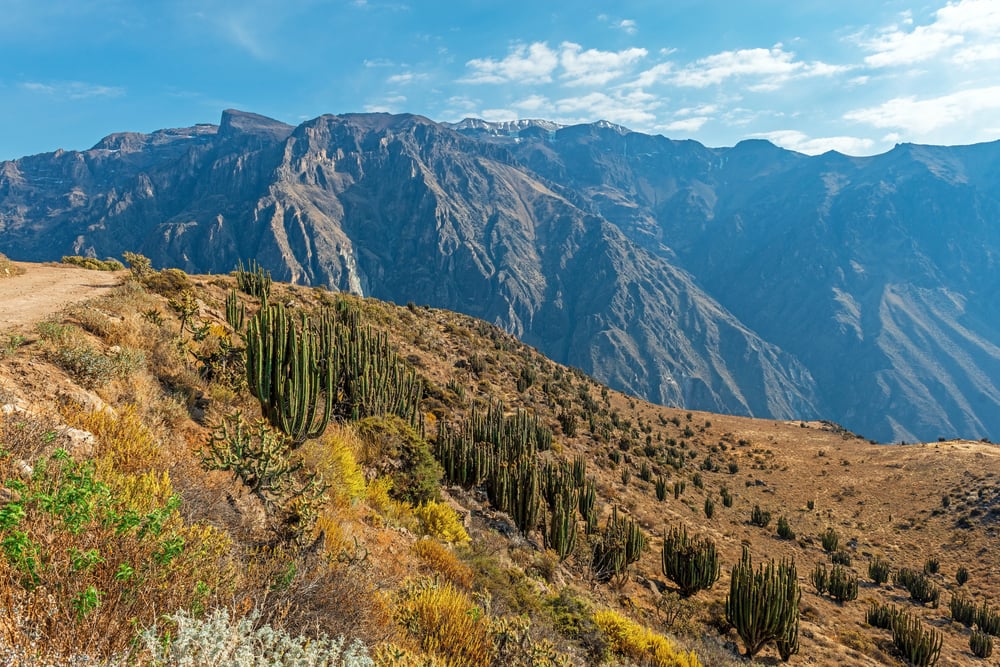
Colca Canyon pairs dramatic Andean landscapes with high-altitude villages, terraced farmland and regular opportunities to see Andean condors. The usual base is Chivay, while Cruz del Condor is the best-known viewpoint for watching the birds use morning thermals along the canyon walls.
Altitude is the key planning issue. Chivay sits high in the Andes, so arriving from sea level and immediately tackling a demanding hike is rarely a comfortable plan. Build in a gentler first day, drink water regularly and seek medical advice before travel if you have a condition affected by altitude. Peru’s official tourism site provides visitor information on the canyon and surrounding attractions.
- Best base: Chivay for transport links, restaurants and accommodation; Cabanaconde for trails closer to the canyon edge.
- Good for: Condor viewing, cultural road trips, hot springs and multi-day hiking.
- Plan around: Altitude, cool nights and the need to confirm current trail conditions locally.
Colca combines well with an Arequipa itinerary, but avoid treating the journey as a rushed day trip. The drive itself crosses high passes, and the gradual change in landscape is part of the point.
3. Verdon Gorge, Provence-Alpes-Côte d’Azur, France
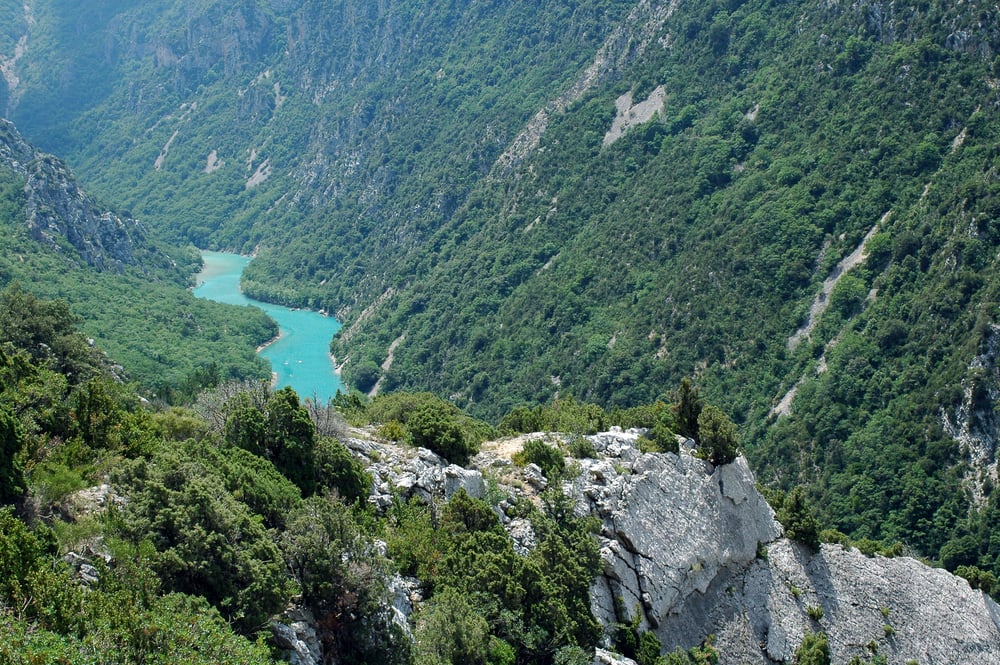
Verdon Gorge, or Gorges du Verdon, is known for pale limestone cliffs above intensely coloured water. It is one of Europe’s most accessible canyon landscapes for a mixed-activity trip, with scenic roads, lakeside swimming areas, canoe and kayak rental, climbing and walking routes all within reach of small Provençal towns.
Base yourself around Moustiers-Sainte-Marie, La Palud-sur-Verdon or Castellane according to the activities you want. Moustiers-Sainte-Marie suits visitors focused on Lac de Sainte-Croix and the western end of the gorge, while La Palud-sur-Verdon is a practical base for the Route des Crêtes and nearby trailheads. Even September can bring a damp start: conditions were 63F with light rain and 82% humidity (as of September 2026), so a waterproof layer is worth keeping handy.
- Best base: Moustiers-Sainte-Marie for lake activities, or La Palud-sur-Verdon for walking and driving routes.
- Good for: Road trips, active couples, paddling and travellers who want a canyon visit without remote logistics.
- Plan around: Busy summer roads, heat on exposed trails and activity providers’ seasonal operating dates.
Road access and parking can feel rather more competitive in July and August than the calm water photographs suggest. Late spring and early autumn are often more comfortable for hiking, subject to local weather and route restrictions.
4. Fish River Canyon, Namibia
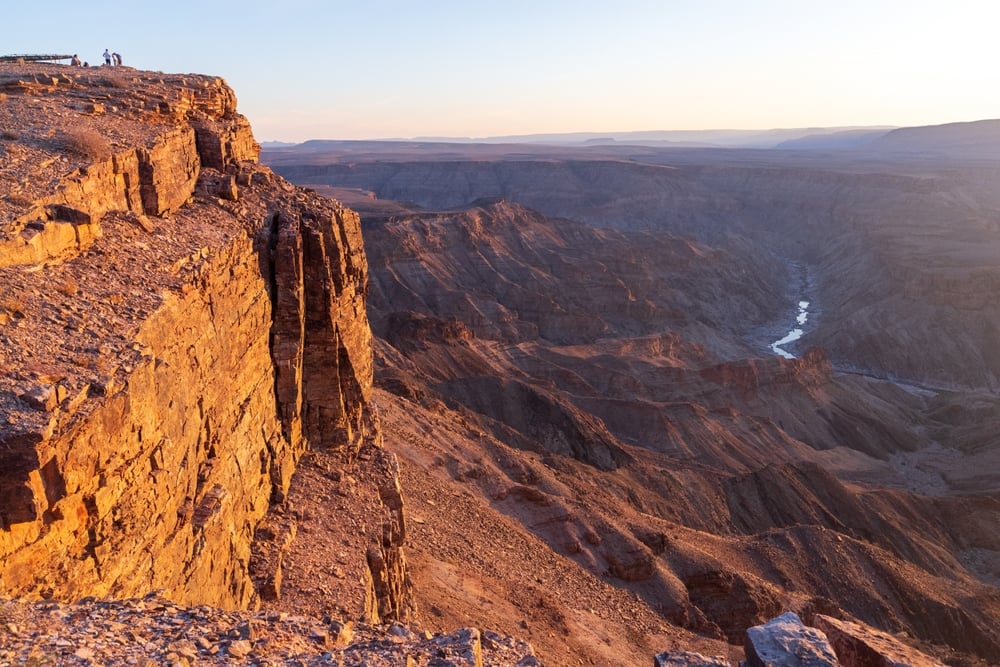
Fish River Canyon is for travellers drawn to space, silence and desert geology. Located in southern Namibia, it is a broad, arid canyon with long viewpoints and a famously demanding multi-day hiking route. It has far fewer urban distractions than the Grand Canyon or Verdon Gorge, which is precisely its appeal.
The main viewpoint area can be visited by road, but the canyon hike is a separate undertaking. The route has traditionally operated seasonally because summer conditions can be dangerously hot, and it requires advance planning, adequate fitness and confirmation of the latest rules with the relevant park authority or operator. Do not assume that a trail described online as available is open on your dates.
- Best base: Hobas for canyon access, or Ai-Ais for hot springs and the southern end of the canyon area.
- Good for: Self-drive Namibia itineraries, desert landscapes and experienced hikers joining an organised or properly planned trek.
- Plan around: Distance, fuel, water, seasonal heat and limited services.
A paper map, offline navigation and more drinking water than you expect to need are sensible additions on southern Namibia drives. If remote landscapes are shaping your itinerary, our guide to the world’s largest salt flats has similar planning considerations around long distances and weather exposure.
5. Tara River Canyon, Montenegro
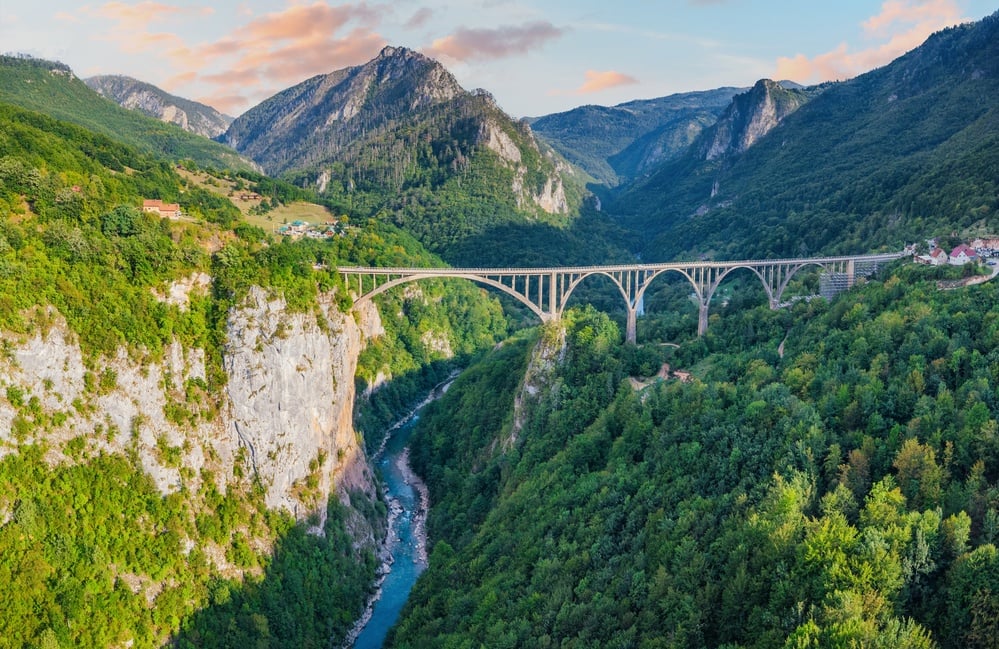
Tara River Canyon runs through the Durmitor region of Montenegro and offers a greener, more active canyon experience than the desert and plateau landscapes above. The river is central to the visit: rafting trips, viewpoints, suspension bridges and mountain roads make this a strong option for a Balkan road trip.
The Djurdjevića Tara Bridge is a popular place to see the canyon, while rafting trips generally operate through local licensed providers when river and weather conditions permit. Parts of the canyon are within or beside protected landscapes associated with Durmitor National Park, a UNESCO World Heritage property, so follow guide instructions and leave the riverbanks as you found them.
- Best base: Žabljak for Durmitor hiking and mountain accommodation, or Plužine and riverside camps for rafting-focused trips.
- Good for: Rafting, mountain scenery and travellers combining Montenegro with Bosnia and Herzegovina.
- Plan around: River conditions, activity age limits, weather and the transfer time to launch points.
For a less strenuous view, use established roadside viewpoints and the bridge area. For an on-water trip, choose a provider that supplies safety equipment and explains its cancellation policy if river levels make rafting unsuitable.
What To Pack for Canyon Viewpoints, Trails and Rafting
Conditions can change sharply between a canyon rim, a river corridor and a high mountain road. A small, adaptable kit works better than packing for one postcard-perfect forecast.
- At least one litre of water per person for short outings, with substantially more for hot or remote hikes.
- Sun hat, sunscreen and sunglasses, especially for desert and high-altitude areas.
- Walking shoes with grip for uneven paths and loose rock.
- A warm layer and waterproof outer layer for mountain destinations such as Colca and Tara.
- Offline maps, a charged phone and a power bank where reception may be unreliable.
- A dry bag for rafting, kayaking or boat trips.
Shop waterproof dry bag travel rafting on Amazon
Those planning a trip around viewpoints with exposed drops may also find our round-up of sky-high walkways around the world useful for choosing experiences that match their comfort level.
Safety Rules That Apply at Any Canyon
Stay on marked routes and behind barriers, even when a viewpoint looks temptingly clear. Edges can be unstable, rocks can fall without warning and a wide-angle photograph is not worth a rescue operation.
- Check the forecast for rain upstream as well as at your location. Flash floods can arrive in narrow canyon sections after rain elsewhere in the catchment.
- Start exposed walks early in hot weather and turn back before fatigue becomes a problem.
- Tell someone your route and expected return time before remote hikes.
- Use licensed guides for rafting, technical canyoning and unfamiliar high-altitude trails.
- Keep food, water and fuel plans conservative in remote regions, particularly in Namibia.
Frequently Asked Questions
Which Canyon Is Easiest To Visit Without Hiking?
The Grand Canyon South Rim and Verdon Gorge are the easiest choices for scenic viewpoints reached by car or shuttle. Both also have walking options if you decide to spend more time outdoors.
Which Canyon Is Best for Rafting?
Tara River Canyon is the strongest fit on this list for a rafting-centred trip. Conditions and trip availability vary by season, so book with a licensed local provider and confirm what equipment is included.
Do You Need a Guide To Visit a Canyon?
No guide is needed for established viewpoints and many marked walks, but guides are advisable for rafting, canyoning, remote multi-day hikes and routes where weather or navigation is a serious factor. Always check the rules for the individual park or protected area.
What Is the Best Time of Year for a Canyon Trip?
Spring and autumn are broadly comfortable for many canyon destinations because temperatures are less intense, but each place has its own weather pattern. Check local access information close to departure, especially for high-elevation roads, water activities and desert hiking routes.