
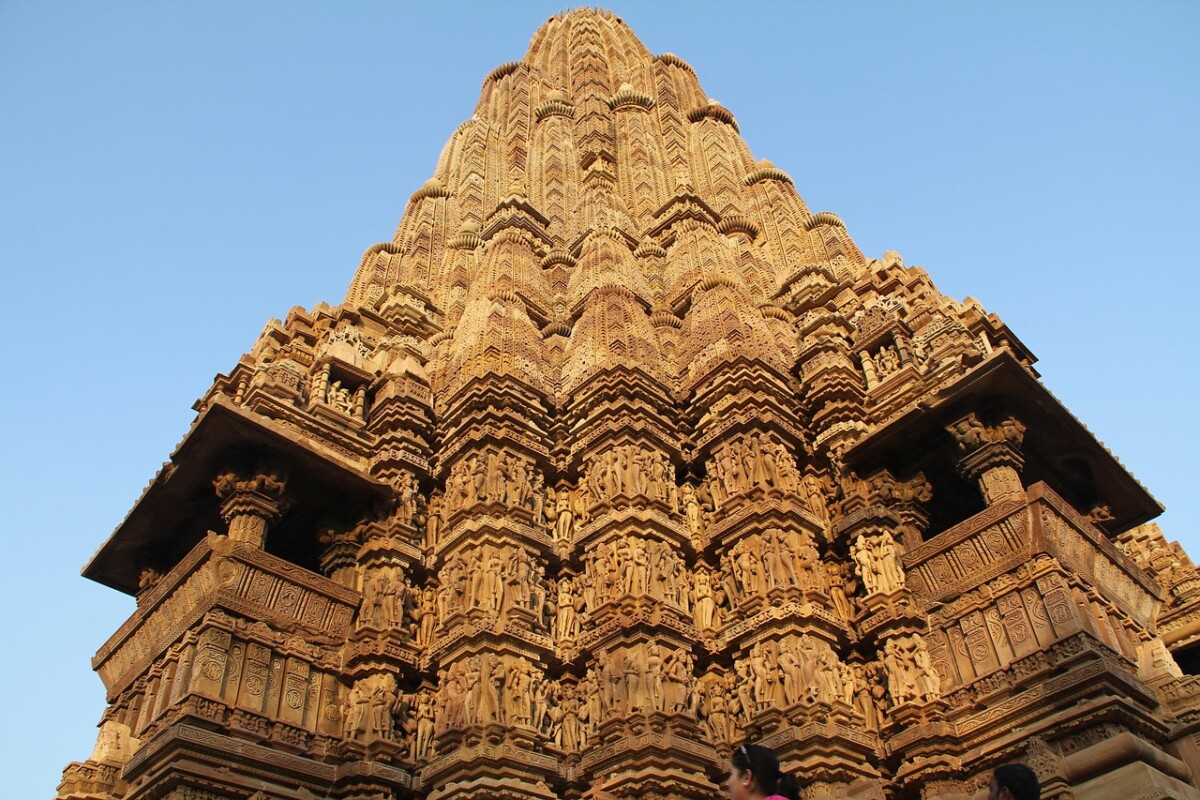
A Khajuraho family visit is easiest when you divide the temples into small groups, see the Western Group early or late in the day, and sort local transport before arriving. Most families need one full day for the main monuments. Add a second day if you want to include the Jain temples, take things at a quieter pace or fit in nearby activities.
Khajuraho, in Madhya Pradesh, is known for its medieval Hindu and Jain temples, built mainly under the Chandela dynasty between about 950 and 1050 CE. The UNESCO-listed Khajuraho Group of Monuments includes temples known for detailed stone carvings showing religious scenes, everyday life and some explicit erotic imagery within the wider decorative programme.
Plan Your Khajuraho Family Visit Around Three Temple Groups
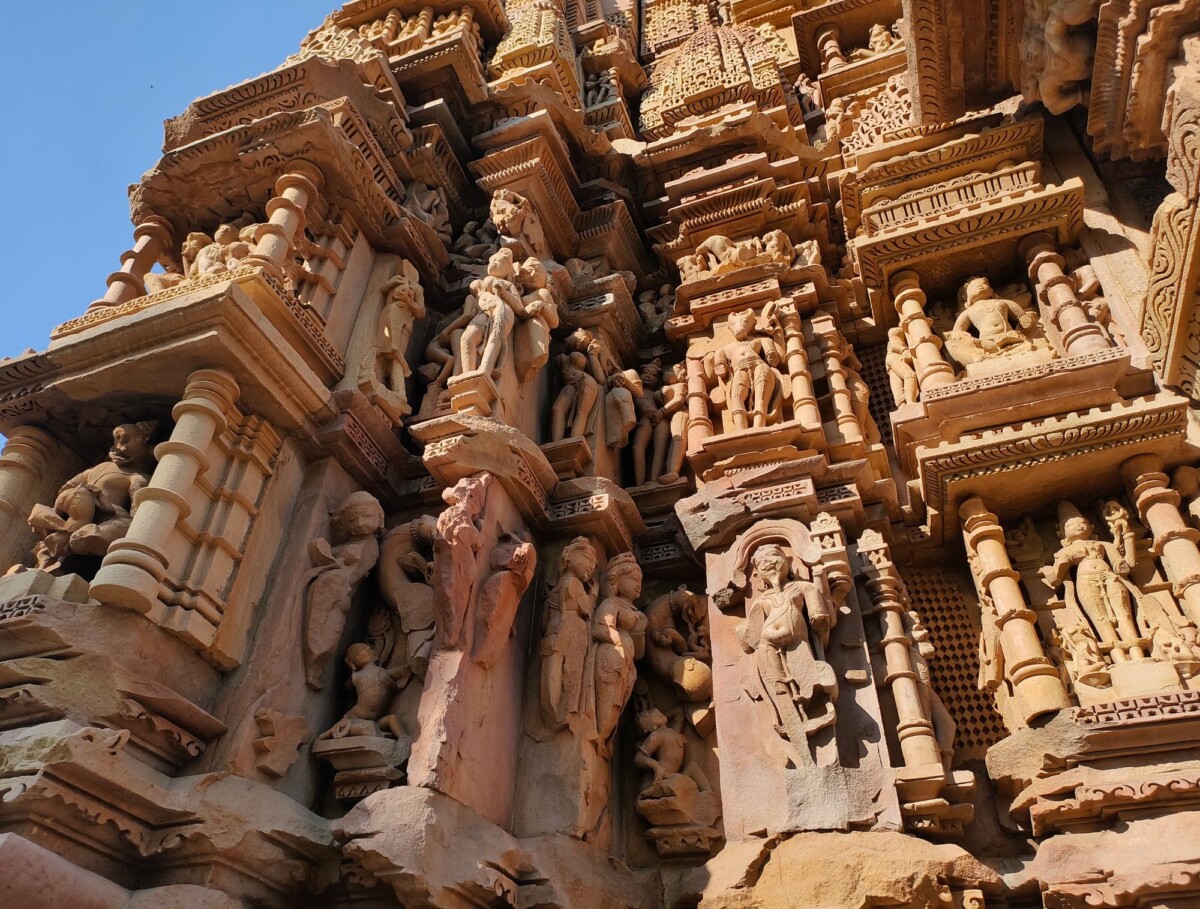
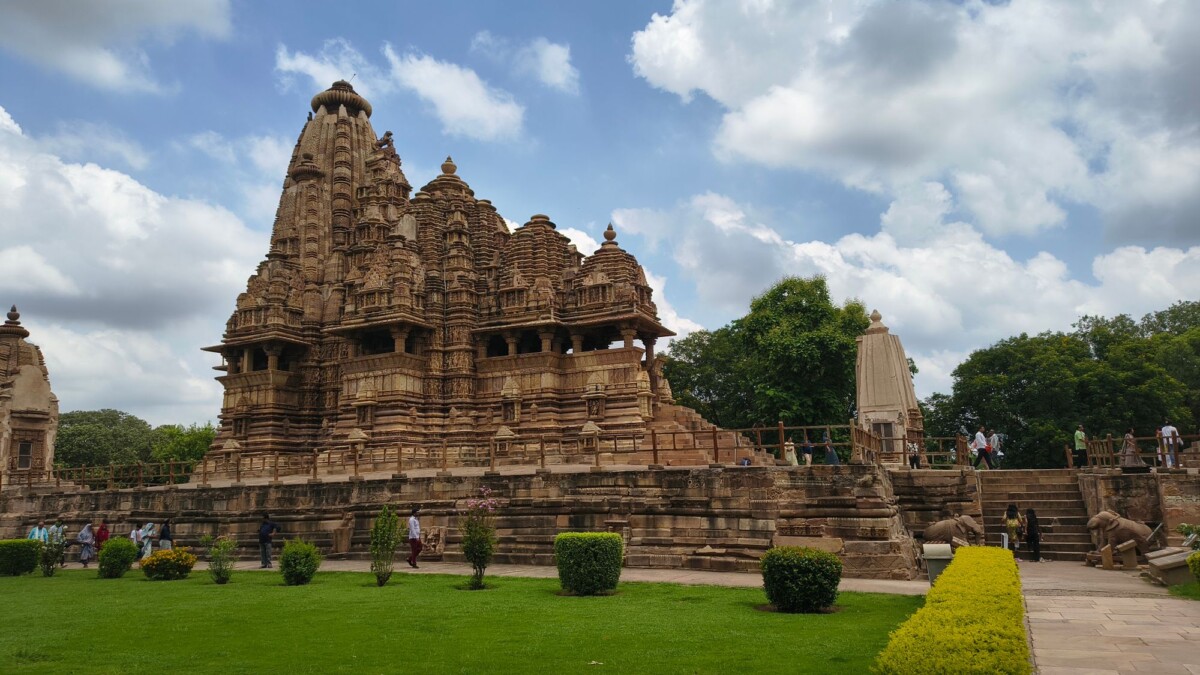
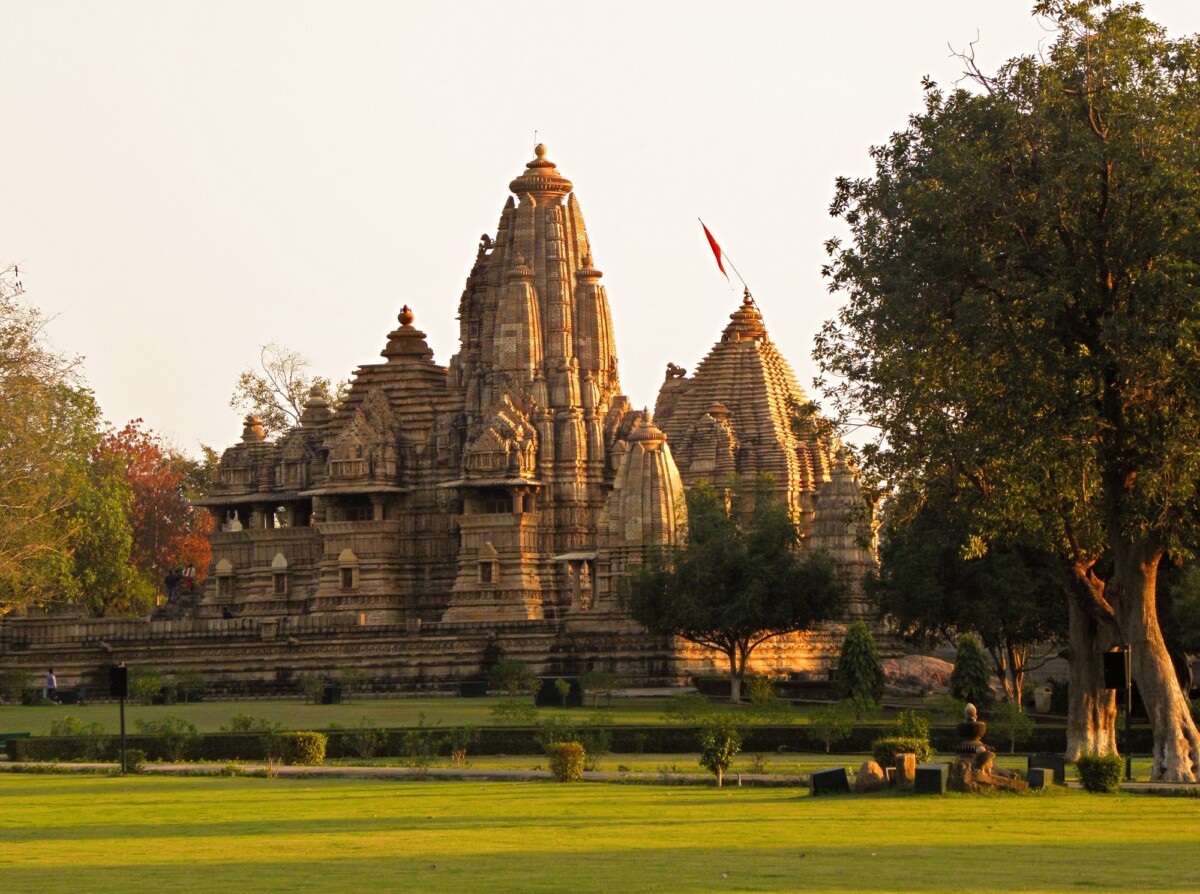
The temples sit across three main areas. The Western Group should be your priority on a first visit, as it has the largest concentration of major temples, including Kandariya Mahadeva, Lakshmana and Vishvanatha. It is a landscaped archaeological complex with a controlled entrance, toilets and room to take your time between monuments.
| Temple Group | What You Will See | Best For | Allow |
|---|---|---|---|
| Western Group | Khajuraho’s best-known and largest temples | First-time family visits | 2 to 3 hours |
| Eastern Group | Jain temples and smaller Hindu temples | Families interested in religion, carving and quieter streets | 1 to 2 hours |
| Southern Group | Isolated temples including Duladeo and Chaturbhuj | Families with a driver or an extra half-day | 45 to 90 minutes |
Do not try to treat all three groups as one big walking circuit. The Western Group is near the main tourist area, but the Eastern and Southern groups involve separate journeys. After several temple platforms in midday heat, another hour of art history may be a hard sell for younger children.
Western Group of Temples: The Main Family Stop
Begin at the Western Group when the gates open, or go later in the afternoon when the stone is cooler and the light is softer. Families can comfortably concentrate on three or four temples instead of trying to absorb every monument in one go.
- Kandariya Mahadeva Temple is the largest and most elaborate temple in the complex. Its exterior is densely carved, while the high steps and uneven stone surfaces need close supervision with young children.
- Lakshmana Temple is one of the earliest major temples in the group. It is a good place for children to spot recurring figures, animals and decorative bands before all the carvings start to blur together.
- Vishvanatha Temple has prominent animal sculptures and a manageable scale for families planning short stops.
- Chitragupta Temple is dedicated to the Sun God and works well as a shorter final stop before a break.
The erotic carvings are only one part of the temple decoration, appearing on exterior walls alongside hundreds of other figures. For school-age children, a simple explanation works well: the temples show many aspects of life, belief and human relationships. Families with older children may want to discuss the art more openly, while toddlers will probably be more interested in monkeys, pigeons and counting steps.
Photography rules and access arrangements can change. Follow signs at individual monuments, do not climb on restricted stonework, and keep food and drinks outside temple areas where requested.
Khajuraho Temple Tickets and Entry Rules
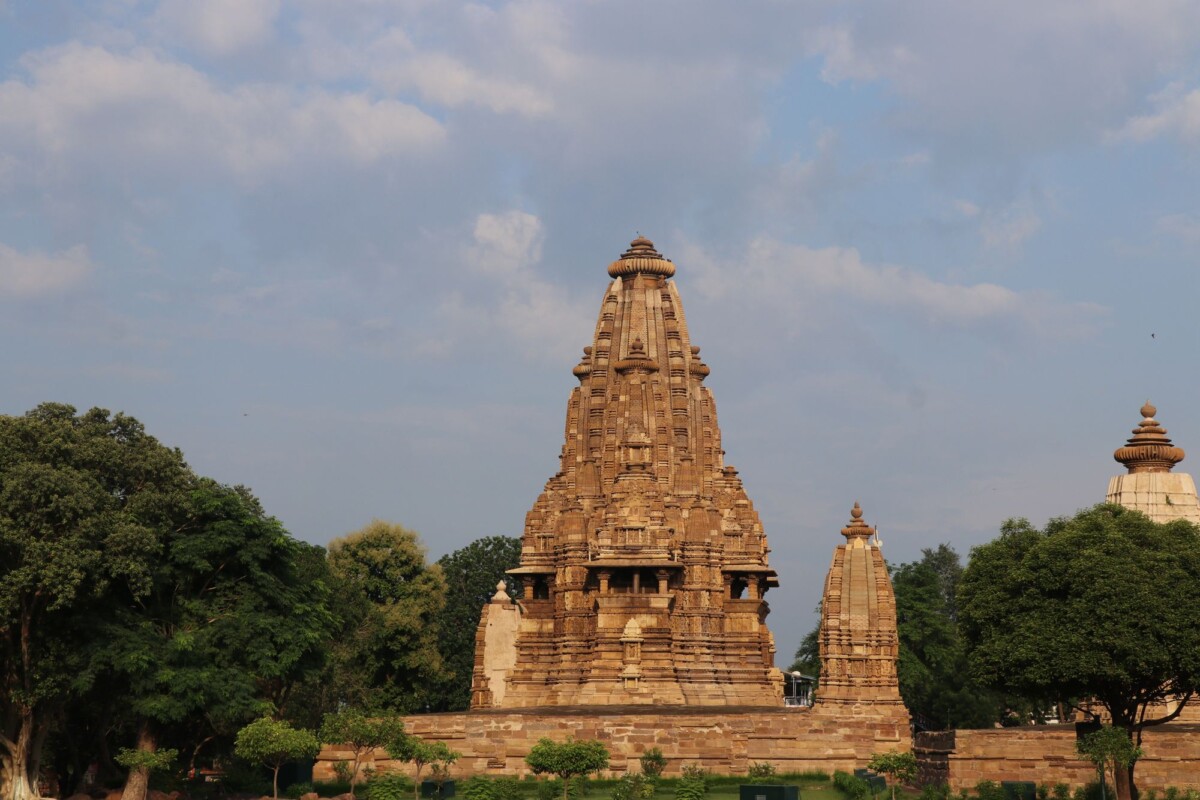
The Western Group is generally where visitors should expect an entry ticket, while access arrangements at the Eastern and Southern groups can differ. Check current prices, opening hours and accepted payment methods on the day, as heritage-site ticket rules can change and concessions may apply only to particular visitor categories.
Buy tickets through the official Archaeological Survey of India channel where available, or from the authorised ticket window. Carry the identification needed for your ticket category and keep your ticket until you leave the complex. Overseas families should also have passports or copies of passport details available if requested when buying tickets.
Plan to visit in daylight. Monument hours are usually based around sunrise and sunset, but seasonal timings, occasional closures and special events can affect access. Ask your hotel or driver to confirm the following day’s arrangements, particularly during festivals or public holidays.
Getting to Khajuraho With Children
Khajuraho has an airport, a railway station and road links to other destinations in Madhya Pradesh. The least tiring route depends on where your family is travelling from and the age of your children.
Flying to Khajuraho
Khajuraho Airport is a short drive from the main hotel and temple area. Flight schedules can be limited and may change seasonally, so leave some flexibility if you are connecting through a larger Indian airport. Arrange a hotel pickup or taxi in advance, especially for an evening arrival.
Travelling by Train
Khajuraho railway station is outside the central temple area, so you will still need a taxi, auto-rickshaw or hotel transfer at the end of the journey. Book long-distance rail tickets through IRCTC’s official train search and check your arrival time before planning a same-day temple visit.
Families arriving from larger hubs may also use stations such as Jhansi, Satna or Mahoba, then continue by road. This can be practical when train times are better, but allow a realistic buffer for transfers, toilet stops and traffic. A road journey that looks brief on a map can feel rather lengthy after a night train.
Arriving by Private Car or Driver
A private car is often the most practical option for families combining Khajuraho with Orchha, Jhansi, Panna or other parts of Madhya Pradesh. Confirm the vehicle size, luggage space, child-seat availability and total cost before departure. Child seats are not routinely available in every local vehicle, so families with infants may prefer to bring a compact approved restraint where practical.

RideSafer
RideSafer's TravelSmarter 1-lb Backless Booster Seat – Ultralight Compact Travel Car Seat for Kids…
We earn a commission if you buy through this link, at no extra cost to you.
Getting Around Khajuraho: Walking, Auto-Rickshaws and Cars
The Western Group, many restaurants and a range of hotels are in a relatively compact area, so short walks are realistic in the cooler parts of the day. Most families will need transport for the Eastern and Southern temple groups.
- Walking works for the Western Group and nearby streets, though pavements can be uneven and summer heat soon makes it less appealing.
- Auto-rickshaws are useful for short local journeys. Agree the fare and waiting arrangement before setting off, especially if you want the driver to wait during a temple visit.
- A hired car and driver are the practical choice for a half-day covering the Eastern and Southern groups, or for a day trip beyond town.
- Hotel transfers are worth considering for airport and rail arrivals, when tired children and unfamiliar transport negotiations are not an ideal pairing.
Keep small notes for short rides and tips, but agree transport prices before the journey starts. Mobile coverage and digital payment acceptance can vary, so carry some cash as backup without taking more than you need.
Where to Stay for a Family Visit to Khajuraho
Stay near the Western Group if your family has only one night, or if you want to walk to restaurants and the main temples. A hotel with an on-site restaurant, pool and reliable pickup arrangements can be more useful than a remote property with extra space, especially after a warm afternoon outdoors.
Ask directly about room configurations. A “family room” can mean different things, and an extra bed, connecting rooms or a larger suite may need to be requested in advance. Also confirm breakfast times if you are planning an early temple start.
A Manageable One-Day Khajuraho Family Itinerary
One night and one full day is enough for many families. This itinerary leaves time for food, shade and a return to the hotel during the hottest part of the day.
- Morning: Visit the Western Group of Temples soon after opening. Allow two to three hours for Kandariya Mahadeva, Lakshmana, Vishvanatha and a few smaller monuments.
- Lunch and rest: Return to your hotel or eat near the main temple area. Build in a proper indoor break when travelling with young children.
- Late afternoon: Hire an auto-rickshaw or car to visit the Eastern Group, including the Jain temples, at an unhurried pace.
- Evening: Have an early dinner near your hotel. Check locally for current cultural programme schedules if your family is interested, but do not count on a performance being available every night.
For a two-day stay, visit the Southern Group on the second morning and consider a trip to Panna Tiger Reserve only if your family is happy with an early start and several hours in a vehicle. Wildlife sightings are never guaranteed, so treat it as a nature outing rather than a promised tiger encounter.
When to Visit Khajuraho With a Family
The cooler months, broadly October to March, are usually more comfortable for temple visits because so much of the day is spent outdoors on exposed stone paths. Mornings and late afternoons are easiest for children, grandparents and anyone who struggles in high heat.
Summer can be very hot, so an early-start routine is essential. Monsoon rain may cool the air but can make paths wet and journeys slower. Pack refillable water bottles, hats, sunscreen and shoes with grip rather than flip-flops for temple steps.

We earn a commission if you buy through this link, at no extra cost to you.
What to Pack for Khajuraho Temples
Khajuraho is an active religious and archaeological destination, so comfortable, modest and practical clothing is the sensible choice. Covering shoulders and knees is respectful around temple areas, while a light layer can help with sun protection.
- Refillable water bottles and oral rehydration supplies appropriate for your family
- Sun hats, sunglasses and high-SPF sunscreen
- Closed-toe sandals or trainers with grip for uneven steps
- A small day bag for snacks, wipes and a portable charger
- Lightweight clothing that covers shoulders and knees
- Copies of passports, rail tickets and accommodation details stored separately from originals
Khajuraho Family Visit FAQs
Is Khajuraho Suitable for Young Children?
Yes, Khajuraho can work well for young children if families limit the number of temples, visit during cooler hours and plan breaks. Stone steps, exposed grounds and detailed carvings mean adults should stay close to toddlers and young children.
How Many Days Do Families Need in Khajuraho?
One full day covers the Western Group and a shorter visit to the Eastern Group. Two days give families time for the Southern Group, longer hotel breaks or a separate excursion without cramming every hour with temples.
Are the Erotic Carvings Appropriate for Families?
The carvings are a small part of a much larger collection of religious, mythological and everyday scenes. Parents can decide how much context to give based on their children’s ages, and it is easy to move on if a particular panel feels unsuitable.
Can You Walk Between All the Khajuraho Temple Groups?
The Western Group is easy to explore on foot, and parts of town are walkable in cooler weather. Most families will find an auto-rickshaw or hired car more practical for reaching the Eastern and Southern groups.
Should You Book Khajuraho Transport in Advance?
Pre-book airport and railway-station transfers, particularly for late arrivals, early departures or travel with small children. Local auto-rickshaws are usually suitable for short daytime trips, provided you agree the fare and waiting time before leaving.