
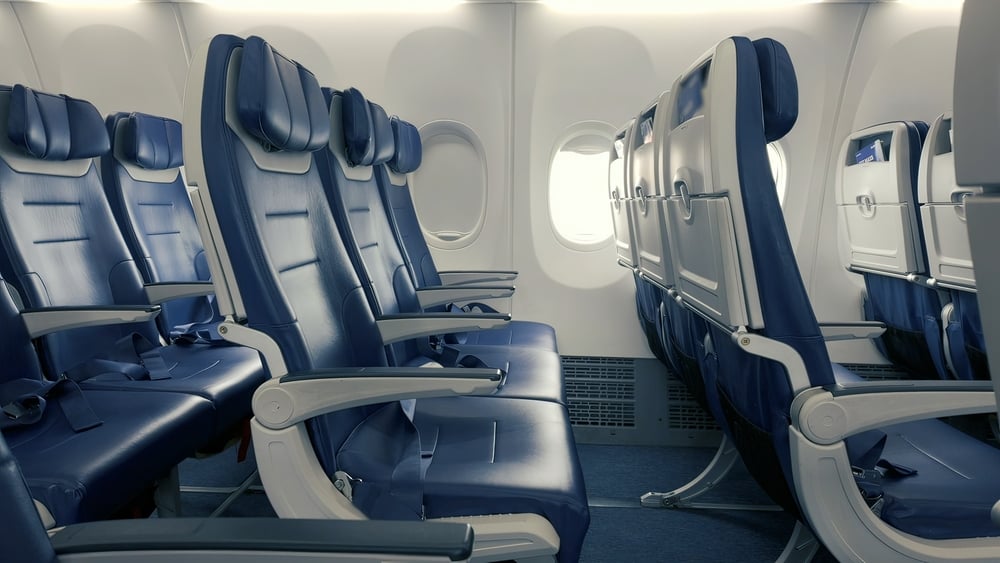
Tray tables, seat pockets, armrests, seatbelt buckles and toilet fixtures are usually the dirtiest parts of an airplane because they are touched repeatedly between cleaning cycles. The cleanest spots are generally surfaces with little passenger contact, such as the outside of a window or upper cabin panels, though no part of a shared cabin should be treated as sterile. Our guide to the dirtiest and cleanest parts of an airplane breaks down the practical details before you pack the disinfecting wipes.
The good news is that the main hygiene risk on a flight is often your own hands after touching shared surfaces, then eating or touching your face. Hand washing and sensible habits do more than trying to avoid every armrest for several hours, which would make a long-haul flight even less enjoyable.
Which Parts of an Airplane Are Dirtiest?
There is no single global cleanliness ranking for aircraft cabins. Airlines use different turnaround schedules, aircraft types and cleaning contractors, and a surface can be freshly disinfected on one flight and heavily used on the next. Still, the same high-touch areas consistently deserve attention.
Tray Tables
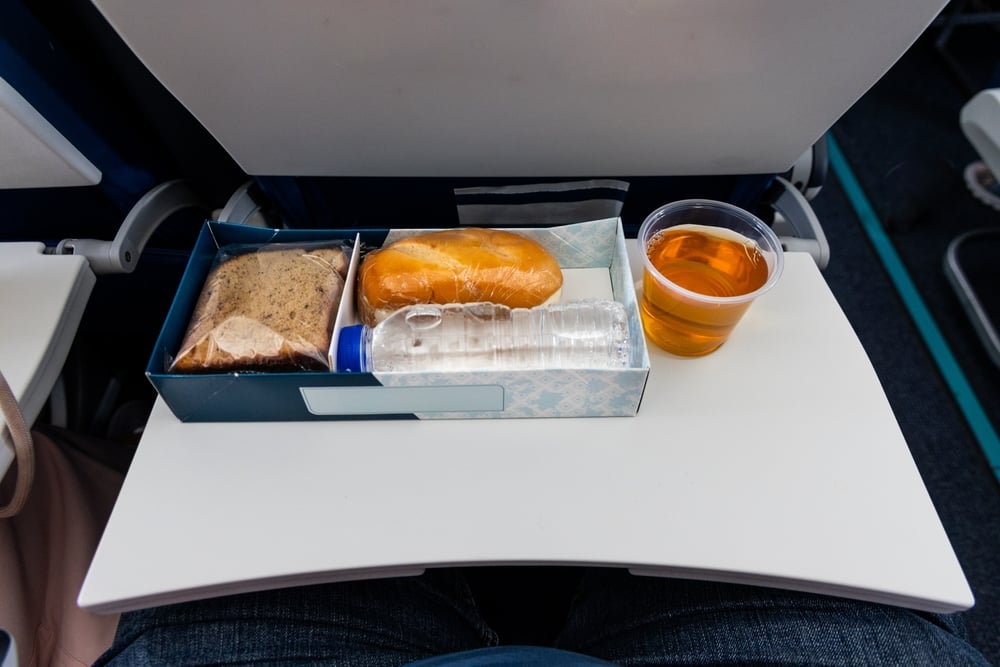
Tray tables are the surface to clean first if you plan to eat or work at your seat. They are used for meals, drinks, phones, laptops and children’s activities, and may be folded away before a cabin crew member can spot a spill. Small swab studies commissioned by travel and insurance websites have repeatedly found bacteria on tray tables, but their results are snapshots, not a measure of illness risk across all flights.
Use a disinfectant wipe on the full tray table, including the latch and rim, then let it air-dry for the contact time shown on the product label. Do this before placing food, a drink lid, phone or headphones on the surface.
Seat Pockets
Seat pockets collect the odd assortment left by previous passengers: used tissues, food wrappers, magazines and occasionally much worse. Cabin crews clear rubbish, but a deep clean during a short turnaround is not always possible. Keep snacks, passports and electronics out of the pocket, especially if its contents look damp, sticky or questionable.
A small bag under the seat or a personal-item backpack is the cleaner option. If you use the pocket for a safety card or airline magazine, wash or sanitise your hands afterwards.
Armrests and Seatbelt Buckles
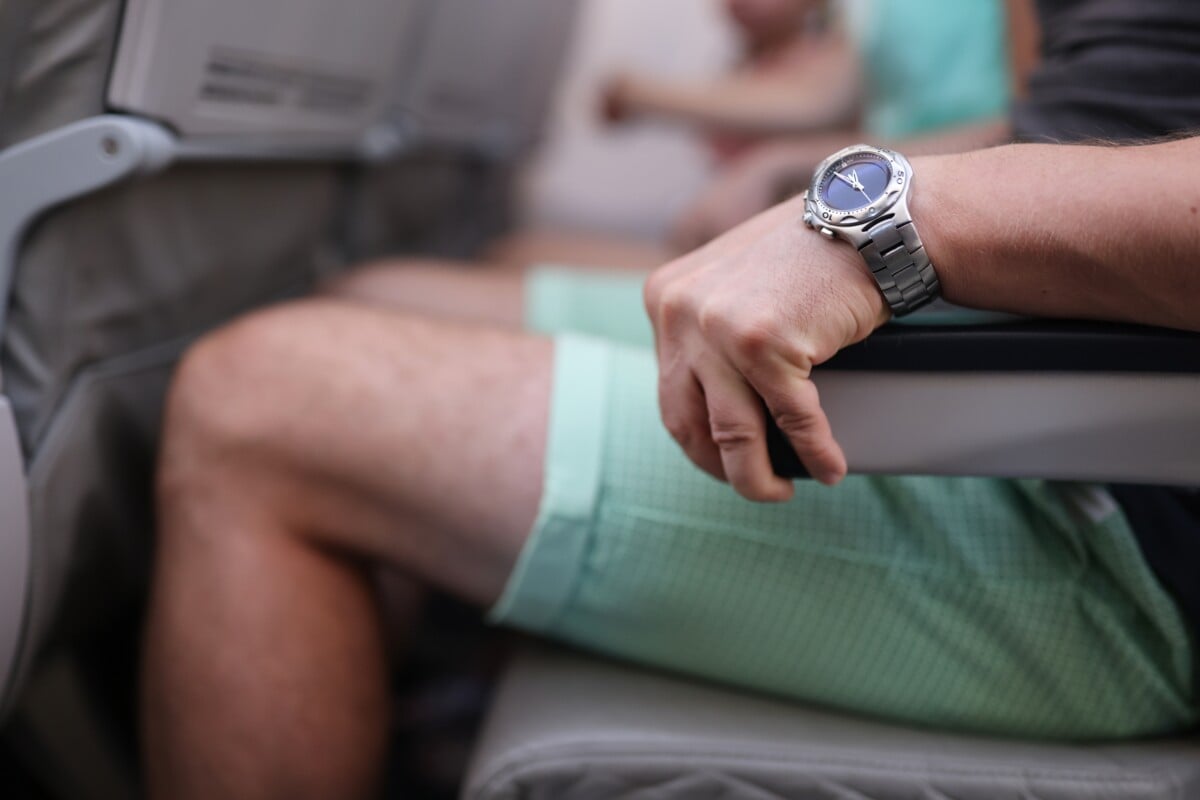
Armrests, seatbelt buckles and the buckle release are handled by almost every passenger in the row. They are also among the first things touched when people sit down, eat, get up for the toilet or collect bags at landing. A quick wipe of the armrest and buckle is reasonable, particularly if you are travelling with young children who are likely to touch both and then reach for snacks.
Do not spray liquid disinfectant directly onto the seat, buckle or entertainment controls. Excess liquid can seep into equipment or leave the surface uncomfortably wet for the person beside you.
Lavatory Door Handles, Latches and Taps
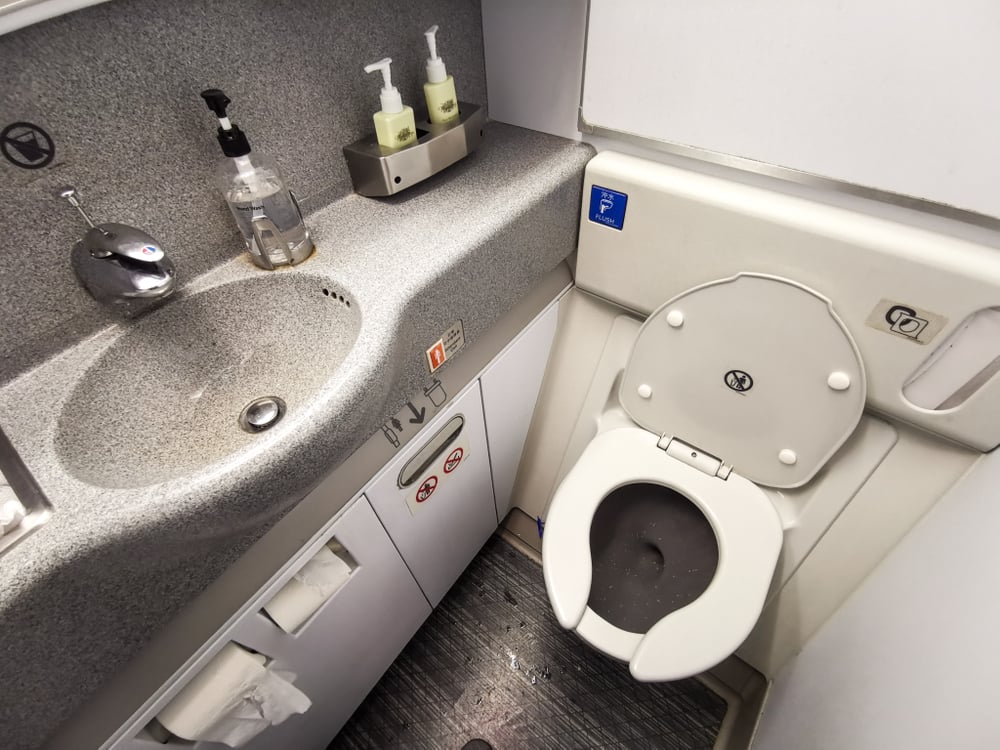
Airplane lavatories are cleaned and stocked regularly, but the door lock, flush button, tap and waste-bin lid receive constant use in a compact space. Wash your hands with soap and water for at least 20 seconds after using the toilet, following guidance from the U.S. Centers for Disease Control and Prevention. Use a paper towel to open the door if one is available, then dispose of it in the bin.
It is sensible to carry hand sanitiser for your return to the seat, although sanitiser does not replace hand washing when hands are visibly dirty. For a closer look at the plumbing behind that flush button, see how an airplane toilet flushes.
Seatback Screens, Remote Controls and Call Buttons
Entertainment screens and remote controls are popular shared surfaces, especially on longer flights. The call button and reading-light controls are touched less often, but still by many hands over the day. Wipe gently with an electronics-safe disinfecting wipe and avoid pressing liquid into edges, headphone sockets or charging ports.
Airline cabin crews have cleaning routines between flights, but a passenger should not assume every screen has been individually disinfected. The same common sense applies to boarding-pass scanners, airport security trays and gate-area tables.
What Are the Cleanest Parts of an Airplane?
Low-touch areas are usually cleaner than high-touch ones. The outside of a window, upper sidewall panels and the ceiling are less likely to pick up contamination simply because far fewer hands reach them. That does not make them useful places to put food or a baby’s hands, but they are unlikely to be the first hygiene concern in your seat.
The air itself is also often better managed than many flyers assume. Many modern commercial aircraft use high-efficiency particulate air, or HEPA, filters and circulate a mix of fresh and filtered cabin air. The International Air Transport Association explains that aircraft cabin air is refreshed frequently and filtered during flight. Filtration reduces airborne particles; it does not clean tray tables or stop infections passed through close contact.
Why the Air Vent Gets a Mixed Reputation
The overhead air vent is touched less than a tray table, so its outer surface may be cleaner than the seat area. Its purpose is to direct airflow, not to blow germs away. Pointing the vent gently towards your torso can help you feel cooler, but it is not a substitute for hand hygiene or a well-fitting mask if you are trying to reduce respiratory-virus exposure.
How To Keep Your Seat Area Cleaner
You do not need to turn boarding into a laboratory exercise. A small routine takes less than a minute and keeps the focus on surfaces you will actually use.
- Put your bag in the overhead locker or under the seat before settling in.
- Wipe the tray table, armrests, seatbelt buckle and screen controls with a suitable disinfectant wipe.
- Keep food, phones and headphones in your own bag until the tray table is dry.
- Use hand sanitiser after touching shared surfaces, then wash properly after using the lavatory.
- Bring a refillable water bottle and use the bottle rather than placing the drinking end on the tray table.
Choose wipes that are labelled for the surfaces you intend to clean, and check the airline’s conditions of carriage if you carry a large quantity of liquids. One sealed travel pack in your personal item is normally easier to manage than a full cleaning cupboard. The bottle of hand gel always seems to leak only after it meets your passport, so a zip bag is useful insurance.

Clorox Pro Alcohol-Free Sanitizing Hand Wipes, BZK, 20 Count
Do Airlines Clean Planes Between Flights?
Yes, airlines clean cabins between flights, but the depth of cleaning depends on turnaround time, route, aircraft and operational requirements. A short turnaround generally prioritises rubbish removal, lavatory servicing and visible spills. More extensive cleaning is typically scheduled overnight or during longer ground time.
Airlines also follow their own procedures and any applicable public-health requirements. The Federal Aviation Administration’s air-carrier guidance has included cleaning and disinfection resources for operators, while the aircraft manufacturer’s approved cleaning instructions govern which products can safely be used around cabin materials and electronics.
Clean does not mean sterile, and a visibly tidy seat does not prove every frequently touched point has just been wiped. Treat the airline’s cleaning as the first layer and your own hand hygiene as the sensible second one.
When a Mask May Be Worth Packing
A mask can be useful on crowded flights if you are concerned about respiratory infections, are travelling during a period of high illness at home, or want extra protection while seated close to someone who is coughing. A well-fitting respirator-style mask provides more filtration than a loose face covering. Check airline and destination requirements before departure, as rules can change.
Mask use is a personal travel choice for most routes, but it is particularly practical during boarding and disembarkation, when passengers are standing close together and cabin airflow may differ from normal in-flight conditions.
Practical Hygiene Tips for Families and Long-Haul Flights
Families can keep things straightforward by packing wipes, hand sanitiser, snacks in individual containers and a spare plastic bag for rubbish. Wipe the tray table before a child eats, and keep soft toys and comfort blankets in a clean bag when they are not being used. Children have an impressive talent for finding the one surface nobody thought to wipe.
On long-haul flights, wash hands before meals and after stretching your legs, using the lavatory or handling shared entertainment equipment. Carrying your own headphones also avoids relying on a set that has been used by other passengers. If you are choosing your seat for comfort as well as hygiene, our explanation of why airplane Wi-Fi can struggle at 35,000 feet may help set expectations for working during the flight.
Frequently Asked Questions
Are airplane tray tables dirtier than toilet seats?
Tray tables can carry substantial contamination because they are frequently touched and used for food, but there is no reliable universal comparison with airplane toilet seats. Cleaning schedules and passenger behaviour vary by flight, so wipe the tray table before eating and wash hands after using the lavatory.
Should You Wipe Down Your Airplane Seat?
Wipe the tray table, armrests, buckle and screen controls if it helps you travel comfortably. Focus on hard, high-touch surfaces and avoid soaking fabric seats, electrical ports or controls with liquid.
Is Airplane Air Full of Germs?
Commercial aircraft cabins use frequent air exchange and, on many aircraft, HEPA filtration that captures airborne particles. Close seating and shared touchpoints still create opportunities for infections to spread, particularly during boarding, meal service and disembarkation.
Can You Bring Disinfectant Wipes on a Plane?
Disinfectant wipes are generally permitted in cabin baggage, but airline and airport security rules apply to all items you carry. Keep any liquid or gel sanitiser within the liquid limits for your departure airport and check current guidance before travel.