
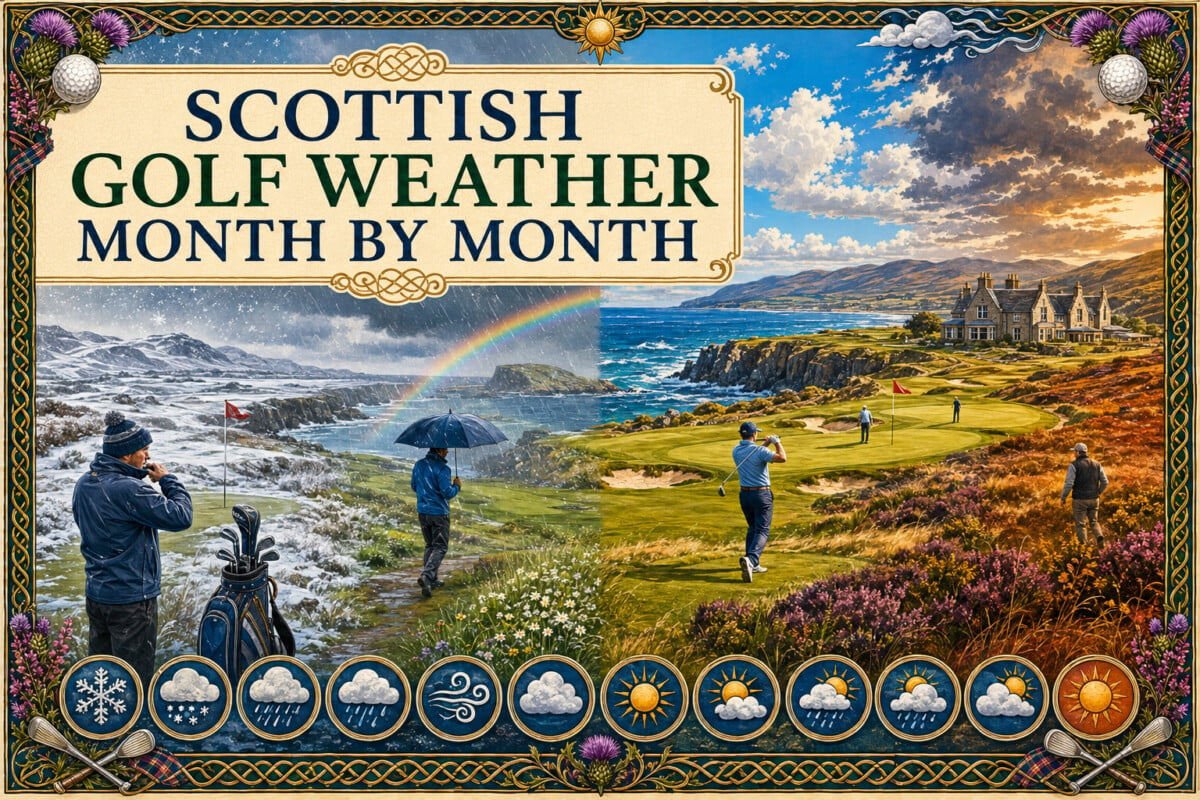
Scottish golf weather is mild, windy and changeable in every month, with the most dependable combination of daylight and playing conditions generally arriving between April and October. May and June are often among the drier choices, while July and August bring the warmest temperatures along with busier tee sheets and a greater chance of showers.
There is no rain-proof month in Scotland, and a forecast can change during a four-hour round. The useful distinction is regional: the east coast links around St Andrews, Carnoustie, Royal Dornoch and Aberdeen are generally drier than western courses in Ayrshire and Argyll, which receive more Atlantic moisture.
For golf trips, daylight deserves as much attention as temperature. June can offer roughly 18 hours of usable daylight, while December has less than seven. That difference changes how many holes you can realistically play, especially when wind and rain slow the pace.
If you are looking for more golfing in Scotland content, check our ultimate golf guide to Scotland.
Scottish Golf Weather at a Glance
| Month | Temp | Rain | Wind | Daylight | Recommended Clothing |
|---|---|---|---|---|---|
| January | About 5-7°C / 41-45°F by day | Frequent wet spells | Often strong and cold | Short winter days | Insulated waterproofs, gloves and a warm hat |
| February | About 5-7°C / 41-45°F by day | Frequent showers | Cold coastal wind | Increasing, but limited | Waterproof jacket, warm layers and gloves |
| March | Mid-40s to mid-50s°F | Variable | Brisk, especially on links | Noticeably longer | Waterproof outer layer and thermal mid-layer |
| April | Mid-40s to mid-50s°F | Often drier than midsummer in the east | Cool northerlies possible | Long spring evenings | Waterproof jacket, light layers and a hat |
| May | High 50s to low 60s°F | Often one of the drier months | Still a major factor | Very long | Light waterproofs, sweater and sun protection |
| June | Mild summer conditions | Often relatively dry | Variable coastal breeze | About 18 hours | Light layers, packable waterproof and sun protection |
| July | Average temperatures in the 60s°F | Showers more likely than May or June | Can be strong on exposed links | Very long | Breathable waterproofs and extra dry socks |
| August | Average temperatures in the 60s°F | Often among the wetter summer months | Changeable | Long, gradually shortening | Waterproof jacket, waterproof shoes and layers |
| September | Mild, cooling later in the month | Variable; often a good west-coast option | More autumnal | Good for a full round | Waterproofs, sweater and warm cap |
| October | Cooler autumn conditions | Wet spells more common | Often lively | Shortening quickly | Full waterproofs and warm layers |
| November | Cold | Frequent wet weather | Strong winds possible | Limited | Insulated waterproofs, gloves and hat |
| December | Cold winter conditions | Frequent wet spells or frost | Cold and exposed | Under seven hours | Winter waterproofs, thermal layers and gloves |
The table is a planning guide based on long-term Met Office climate patterns, not a promise (as of August 2026). Scotland’s coast, terrain and Atlantic weather patterns can deliver a bright, calm afternoon after a sodden morning. Pack for the difficult hour, then enjoy the good ones when they appear.
January and February: Winter Golf With Major Caveats
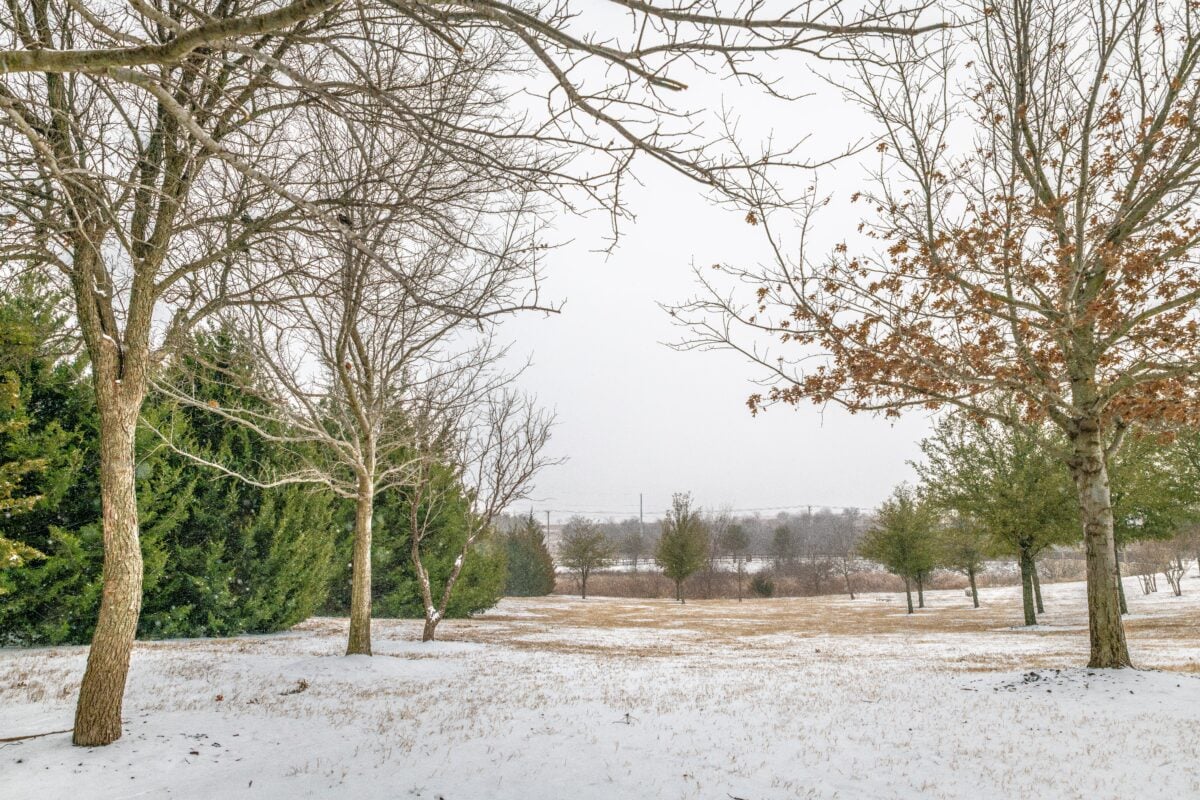
January and February are the toughest months for a Scottish golf trip. Typical daytime highs on the east coast sit around 5-7°C / 41-45°F, daylight is short, and frost can delay or cancel early tee times. A noon start is a safer winter plan than a 7 a.m. booking.
Many courses remain open in some form, but expect winter mats, temporary tees or greens, maintenance work and reduced access at some high-profile links. Several modern links courses, including Kingsbarns, Castle Stuart and Trump Aberdeen, have historically operated with seasonal closures or restricted winter availability, so course-by-course confirmation is essential.
Winter can suit golfers who value lower green fees and do not mind compromised conditions. It is a poor fit for a tightly scheduled first trip built around specific marquee courses, particularly if non-refundable accommodation is involved; know what to do if a hotel cancels a reservation before relying on one base for the whole week.
March and April: The Season Starts to Move

March brings more light but can still feel properly cold when a northerly wind reaches the coast. Temperatures in March and April commonly fall in the mid-40s to mid-50s°F range, so the calendar can say spring while the first tee feels like late winter.
April is a useful shoulder-season choice, especially for golfers targeting St Andrews and Carnoustie. The east coast is sheltered from some rain-bearing westerly winds, and April can produce dry spells. Frost remains possible, so avoid building an itinerary around the day’s first tee time.
A waterproof golf jacket should be easy to reach, not buried at the bottom of your bag. Pick one that is comfortable enough to swing in and roomy enough for a light insulating layer underneath.

fit space Waterproof Golf Rain Suits for Men Performance Rain Jackets and Pants for All Sports (Gray Full-zip, Large)
May and June: The Best Balance for Most Golf Trips
May and June are the strongest all-round months for many people planning Scottish golf. The weather is still changeable, but conditions are usually milder, courses are fully into the season, and daylight makes flexible itineraries much easier.
May often reaches the high 50s and low 60s°F. June supplies exceptionally long days, with summer sunrise and sunset broadly stretching from about 4:30 a.m. to 10:30 p.m. in northern parts of the country. A late-afternoon round at Royal Dornoch or a second 18 after an earlier tee time becomes plausible in a way it simply is not in winter.
Both months are commonly drier than July and August, although no one should confuse that with guaranteed sunshine. Bring sun protection alongside rain gear. Bright skies and a persistent links breeze can make a round feel more summery than the thermometer suggests.
July and August: Warmest Weather, Busiest Courses
July and August usually have average temperatures in the 60s°F, making them the warmest months for golf in Scotland. They also bring the highest demand for famous courses, so booking windows can be tight around St Andrews, Carnoustie and other major links. Scotland’s airports have also been handling record passenger numbers, so summer flights and car hire deserve the same early planning as tee times; Scottish airport demand has been rising.
These months can be wetter than May and June, and a warm afternoon does not remove the need for waterproofs. On open ground, a breeze can turn into a club-selection problem quickly. Links golf asks you to keep the ball low when conditions demand it, even when the sun is out and the tee box looks harmless.
Waterproof golf shoes are particularly useful in July and August because a passing shower, damp rough or early-morning ground moisture can leave ordinary footwear uncomfortable for the rest of the round.

Tempo Spikeless Waterproof Lightweight Golf Shoe
September and October: Excellent Shoulder-Season Golf
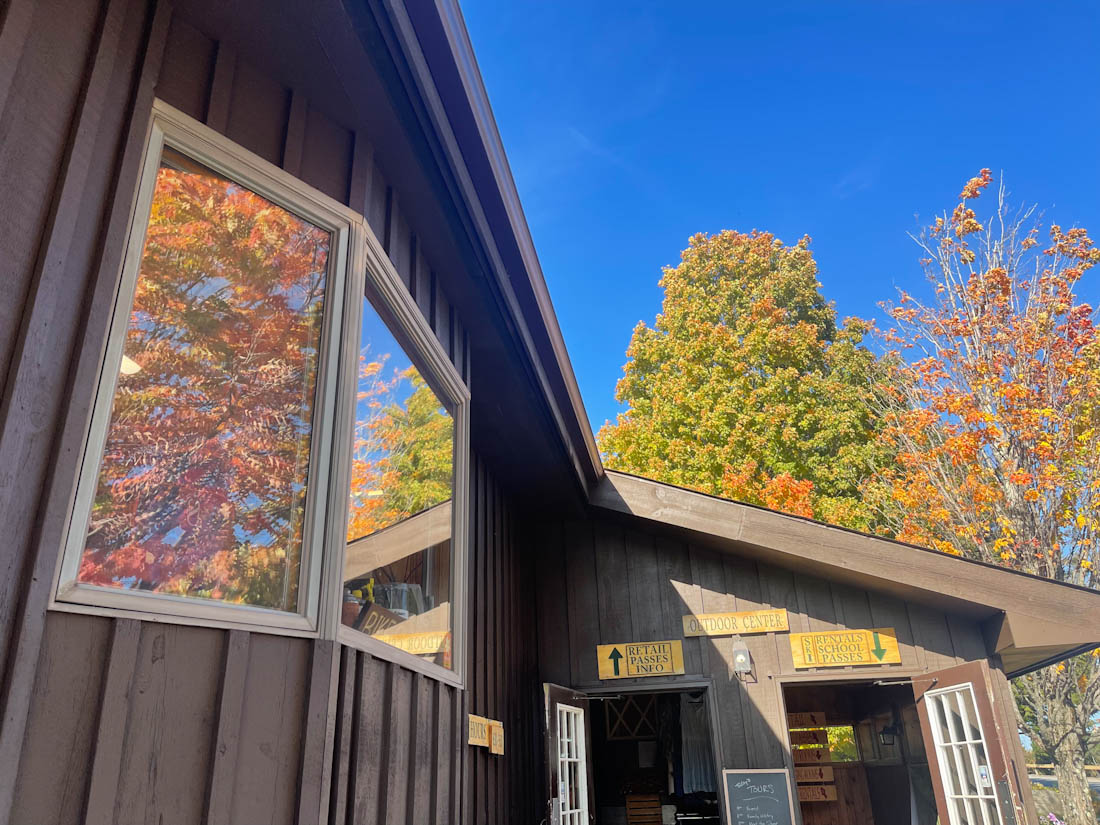
September offers a compelling mix of decent daylight, cooling temperatures and a calmer pace after the peak summer rush. It is also one of the more promising months for western Scotland, where May, June and September are often comparatively drier choices.
October can still deliver memorable links days, but the weather becomes more autumnal and the available light falls away quickly. Pack full waterproofs, not just an emergency shell, and leave generous room in your schedule for weather delays or a course change.
For a trip focused on Ayrshire, September can be a sensible compromise. The west is generally milder and wetter than the east, so the chance of a shower is part of the experience, but the coastal scenery and golf remain very much in season.
November and December: Short Days and Winter Setups
November and December are for golfers with flexible expectations. Temperatures are cold, daylight is scarce, and wind can make a modest temperature feel sharper. December daylight can run from about 8:45 a.m. to 3:30 p.m., leaving little margin for a delayed round.
Check every course’s winter policy before arranging transport. Temporary greens, mats and reduced facilities are common, while frost or waterlogging may change the day’s plan. The east coast can be drier overall, but no Scottish region is immune to a difficult winter weather system.
How to Pack for Scottish Links Golf
Bring clothing that can be added or removed quickly. The most reliable approach is a base layer, a warm mid-layer, and a waterproof outer shell, with gloves and a hat available for colder starts. A spare pair of socks earns its place after a wet walk between greens.
- Waterproof jacket and trousers: Carry both even in summer, especially on exposed courses such as Carnoustie and the Aberdeen links.
- Waterproof golf shoes: Useful year-round for wet grass, sandhills and passing showers.
- Warm layer: A lightweight fleece or similar mid-layer is practical for early starts and windy afternoons.
- Hat, gloves and sun protection: Scotland can offer cold wind and strong sunshine during the same round. Golf has few dress codes for weather preparedness, thankfully.
Scottish Golf Weather FAQ
What Is the Best Month to Golf in Scotland?
May and June usually offer the best balance of relatively dry conditions, mild temperatures and very long daylight. September is another strong choice for golfers who prefer shoulder-season availability and are comfortable with cooler, more autumnal weather.
Does It Rain All Day in Scotland?
Rain can occur in any month, but many showers are short-lived. Scottish weather often changes quickly, particularly along the coast, so a wet spell does not automatically mean a lost day of golf.
Is the East or West Coast Better for Golf Weather?
The east coast is generally drier, including St Andrews, Carnoustie, Royal Dornoch and the Aberdeen links. Western Scotland is generally milder but wetter because it receives more Atlantic moisture.
Can You Golf in Scotland During Winter?
Yes, but winter golf can involve frost delays, temporary greens, mats and very short daylight. January and December are best reserved for flexible plans, while some courses may have seasonal closures or restricted operations.
What Time Should You Book a Tee Time in Spring or Winter?
Avoid the earliest tee times when frost is possible. On the St Andrews Old Course, frost delays can lead to cancellation of early times rather than simply shifting the whole day later, so a later booking reduces the risk.
Final Planning Advice
If your schedule is flexible, choose May, June or September and build in a little space between rounds. If a particular course is the priority, book the available date and prepare properly. Scottish golf is played in the weather, not apart from it, and the wind is as much a course feature as a bunker or a burn.
Use the forecast close to departure, check local conditions with each club, and keep the east-versus-west distinction in mind when building a route. Add a rest day for a coastal walk or a forest-bathing break in Scotland if the weather turns properly wild. With the right layers and sensible tee times, a passing shower is usually just another reason to remember the round.