
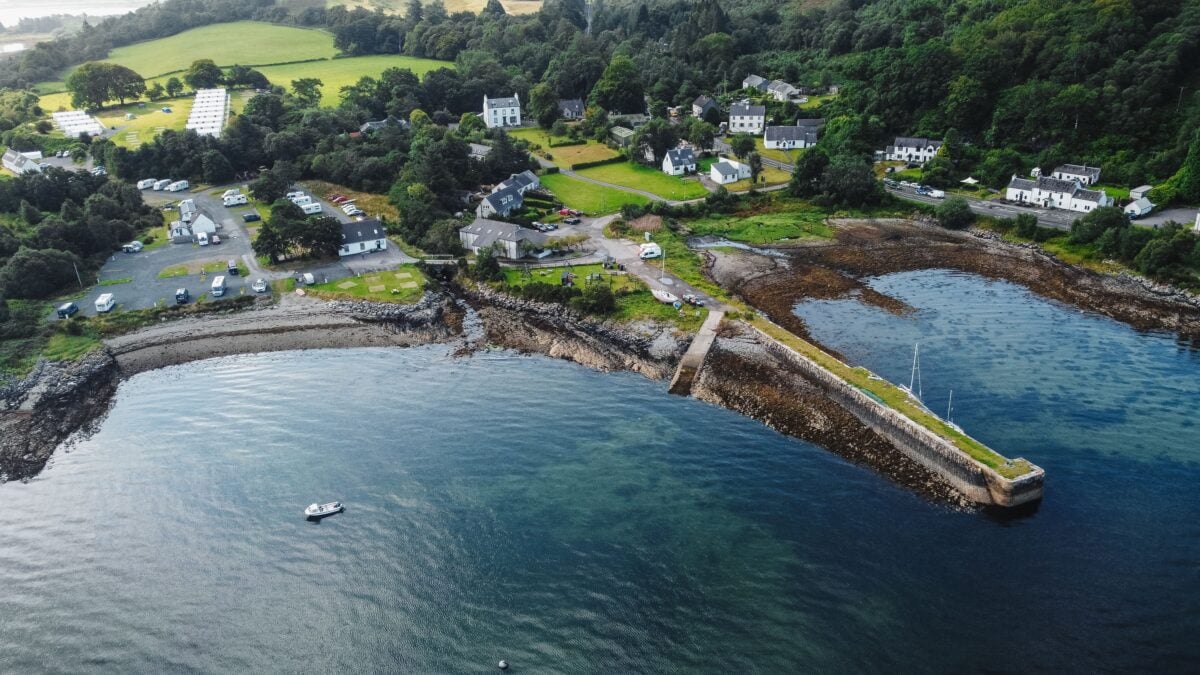
Scotland’s rural and island populations are ageing because younger adults are more likely to leave for education and work, fewer children are born locally, and older adults are more likely to remain in or move to rural and coastal communities. The result is a smaller share of working-age residents alongside a rising share of people in retirement age groups.
The pattern is not identical everywhere. Scotland’s council-level population and migration explorer shows how differently places such as Highland, Argyll and Bute, Dumfries and Galloway, Na h-Eileanan Siar, Orkney and Shetland are changing. Geography, housing and local employment all influence who can stay, leave or return.
The Age Profile Is Already Different Outside Scotland’s Cities
Remote rural Scotland has a markedly older age structure than large urban areas. The Scottish Government’s Rural Scotland Data Dashboard reports that 27% of people in remote rural areas are aged 65 or over, compared with a far lower share in large urban areas. The same evidence points to a falling school-age population and growth in retirement-age groups over the longer term.
This is not a new issue. Scottish Government material using 2009 mid-year estimates recorded that 17% of Scotland’s population was aged 65 and over, while rural council areas including Argyll and Bute, Eilean Siar and Dumfries and Galloway were each at 21%. The exact figures have changed since then, but the geographic imbalance has remained a central feature of demographic planning.
For communities with a small starting population, even modest changes in household numbers can have visible effects. A school roll can fall by a few pupils, a local employer can struggle to recruit, or demand for home care can rise quickly. On an island or in a remote glen, there is rarely a spare bus route or a large neighbouring town waiting round the corner.
Why Younger Adults Leave Rural and Island Areas
Many young people leave rural Scotland to attend college or university, begin careers or find a wider choice of work. Scotland’s cities concentrate higher education, larger employers and rental options, so moving away in the late teens and twenties can be practical rather than a rejection of home.
The effect compounds over time. If fewer people in their twenties and thirties live locally, there are fewer potential parents, fewer children entering primary school and a smaller future workforce. Scottish Government analysis notes that rural areas have a lower share of residents aged 16 to 44 than large urban areas: 31% in accessible rural areas compared with 43% in large urban areas.
Housing can make a return move difficult. The James Hutton Institute has highlighted limited and expensive housing as a major obstacle for younger people who want to stay in, return to or move to sparsely populated places. A person may have family ties to an island or a Highland village, but a secure job and a home they can afford still need to exist at the same time. That is a taller order than it sounds.
Retirement Migration Adds to the Imbalance
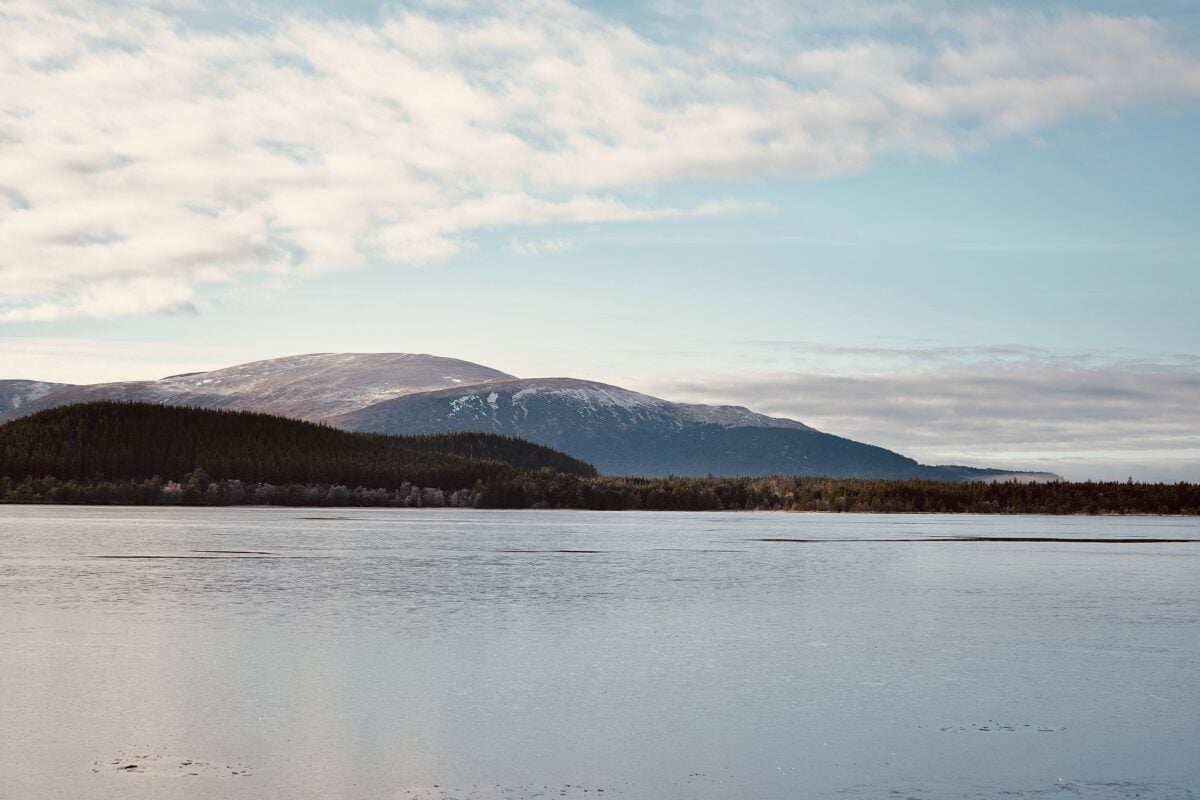
Some older adults choose the countryside, coast or islands for retirement. Age Scotland has linked the faster ageing of rural and island communities partly to older people moving to these areas while younger people move into cities for education and employment. People weighing up island living in retirement are often drawn by the same qualities that can place extra pressure on local housing and care services.
Retirement migration is only one part of the picture. Many people who have lived in Dumfries and Galloway, Argyll and Bute or Highland for decades simply grow older in the communities where they already have friends, family and local knowledge. A community can age without a large influx of newcomers if there are too few younger adults replacing older generations.
Rural areas near major cities may attract working households as well as retirees, while more remote places face longer journeys, thinner transport networks and fewer jobs. Treating all rural Scotland as one demographic category misses that difference.
How the Pattern Looks Across Key Rural and Island Areas
Dumfries and Galloway
Dumfries and Galloway’s older age profile has long been recognised in national demographic reporting. Its large rural area, dispersed settlements and distance from Scotland’s biggest employment centres can make it harder to retain or attract younger working-age households. The issue is less about a single isolated village and more about maintaining services across a wide region.
Argyll and Bute
Argyll and Bute combines mainland communities with islands, long travel distances and a housing market shaped by high demand in scenic coastal locations. Those factors do not affect every town in the same way, but they can limit year-round housing options for people trying to build a career locally. Its older population share was already above the national level in the 2009 figures cited by the Scottish Government. The difference between a ferry-linked island and a mainland town is also clear when exploring the West Island Way on Bute, where access to services and jobs remains tied to crossings and timetables.
Na h-Eileanan Siar
Na h-Eileanan Siar, also known as the Western Isles, faces the familiar island challenge of retaining younger residents while supporting an older population across multiple communities. The 2022 Census recorded a 5.5% population decline between 2011 and 2022, the largest fall among Scotland’s three all-island local authority areas. Population decline and ageing often reinforce each other when out-migration is concentrated among younger age groups.
Orkney and Shetland
Orkney and Shetland should not be treated as interchangeable with the Western Isles or with each other. Both have island geography, but their local economies, transport links and migration patterns differ. The 2022 Census showed Shetland’s 1.2% population decline since 2011 was driven by out-migration, according to Scottish Government island data. That illustrates why total population alone is not enough: who leaves, who arrives and their ages all matter.
Highland
Highland contains accessible settlements near Inverness as well as very remote mainland communities. That internal variety matters. A family considering a move may find a different set of jobs, schools, homes and transport choices around Inverness than in Lochaber, Sutherland or Caithness. Anyone planning a route through this huge council area can get a clearer sense of Scotland’s scattered communities by looking at the best Scottish islands to visit alongside the mainland routes.
Distance Changes the Cost of Delivering Services
Ageing is not automatically a crisis. Older residents contribute skills, volunteering, spending and deep local knowledge. The pressure comes when health care, social care, housing, shops and transport do not keep pace with the age profile of a scattered population.
Long travel distances can turn ordinary tasks into a full-day exercise. A pharmacy, hospital appointment, supermarket or social activity may require several connections, a ferry crossing or a lift from a neighbour. Age Scotland has argued that accessible amenities, reliable public transport, social opportunities and age-friendly homes are essential for older people in remote areas.
The same infrastructure supports younger residents too. Affordable homes, digital connectivity, dependable transport and accessible childcare make it easier for working-age households to stay or move in. Demographic policy is therefore closely tied to the everyday question of whether a place works as a year-round home.
What Population Projections Suggest
Projections are not predictions carved in stone. They extend recent patterns of births, deaths and migration, so policy, new jobs or a shift in housing supply can change the outcome. Still, they show the scale of the challenge facing remote places.
Scottish Government analysis based on National Records of Scotland projections expects the largest percentage reductions in children and working-age people to occur in islands and remote rural areas, with falls of 23% for children and 15% for working-age people projected to 2043. Its 2025 working paper also said Islands and Remote Rural council areas and Mainly Rural council areas were projected to decline between 2022 and 2032 using the then-most-recent sub-national projections.
These figures should be read as a prompt for planning, not a reason to write off communities. The James Hutton Institute’s work makes a useful point: in-migration is critical for sustaining sparsely populated areas, and plenty of working-age people want rural life. The sticking points are often practical, especially homes and jobs.
What Could Help Rural Scotland Keep a Better Age Balance
- Deliver homes for permanent residents: A home that is affordable and available year-round gives younger households a realistic chance to settle in places such as Argyll and Bute and Na h-Eileanan Siar.
- Make work less location-bound: Reliable digital infrastructure and local workspaces can help people keep jobs while living beyond Scotland’s major cities.
- Plan transport around daily life: Ferry, bus and road connections affect access to work, education, appointments and family support, especially in Orkney, Shetland and the Western Isles.
- Support ageing in place: Adapted housing, local care and accessible services allow older residents to remain in the communities they know without placing all the burden on relatives or volunteer networks.
Frequently Asked Questions
Why are Scotland’s islands ageing faster than cities?
Island communities often lose younger adults to education and work elsewhere while older residents remain or move in for retirement. Smaller populations make those movements more visible in the local age structure.
Is rural population decline happening everywhere in Scotland?
No. Scotland’s rural places are diverse, and accessible rural areas can have different migration and housing patterns from remote mainland and island communities. The strongest concern is in sparsely populated, remote areas where births and working-age numbers are projected to fall.
Which Scottish rural areas have an especially old population?
Remote rural areas have a high older-age share overall, with 27% of residents aged 65 and over in Scottish Government dashboard reporting. Argyll and Bute, Dumfries and Galloway and Na h-Eileanan Siar have long been prominent in discussions of Scotland’s ageing rural population.
Can migration reverse rural population ageing?
Migration can help sustain rural populations, particularly when working-age adults and families can find secure work and permanent homes. It is unlikely to be a single fix, because each council area has different housing, transport and employment constraints.
A Demographic Challenge With Local Answers
Why Scotland’s rural and island populations are ageing comes down to a simple demographic arithmetic: fewer young adults and children, more people living into older age, and migration patterns that often favour cities for early careers and rural areas for later life. The response cannot be equally simple.
Highland is not Na h-Eileanan Siar. Orkney is not Shetland. Dumfries and Galloway does not face the same travel realities as an island council. Policies that improve year-round housing, work, transport and services can make rural life viable across generations, which is a far better goal than chasing one headline population number.