
History just lost one of its living witnesses. Jim Glennie, a Scottish D-Day veteran, has died aged 100 after a life that stretched from the beaches of Normandy to decades of service back home in Aberdeenshire.
He was only 18 years old when he landed on Sword Beach on June 6, 1944, during the Normandy landings. For anyone who has stood on that coastline as a modern visitor, it is hard to miss the scale of what happened there. Glennie did not see it as a heritage stop or a museum trail. He arrived as a teenage soldier in the middle of war.
His story matters far beyond military history circles. As the generation that fought in World War II fades, firsthand links to D-Day are becoming painfully rare, and Glennie’s life traced that history in stark detail.
Who Jim Glennie Was
Glennie was a private in the Gordon Highlanders, the famous north-east Scottish regiment with deep roots in Aberdeenshire and beyond. He took part in one of the most significant military operations of the 20th century, when Allied troops stormed five beaches in Nazi-occupied France.
He made it off Sword Beach alive, which was no small thing. A week later, however, his unit encountered the 21st Panzer Regiment, and Glennie was badly wounded.
That was only the start of a much longer ordeal.
From Normandy To Captivity
After being injured, Glennie was taken prisoner. He was treated in a German field hospital, where he was placed in a ward alongside German patients.
Those patients called him “Scottie” and gave him food and cigarettes. It is one of those small, human details that cuts through the larger brutality of war.
On his 19th birthday, he was transferred to Stalag IV-B, a prisoner-of-war camp near Munich. He was later moved again, this time to Leipzig, where he was forced to fill bomb craters as part of wartime labor.
He remained in captivity until April 1945, when American troops liberated him.
Why Sword Beach Still Matters To Travelers
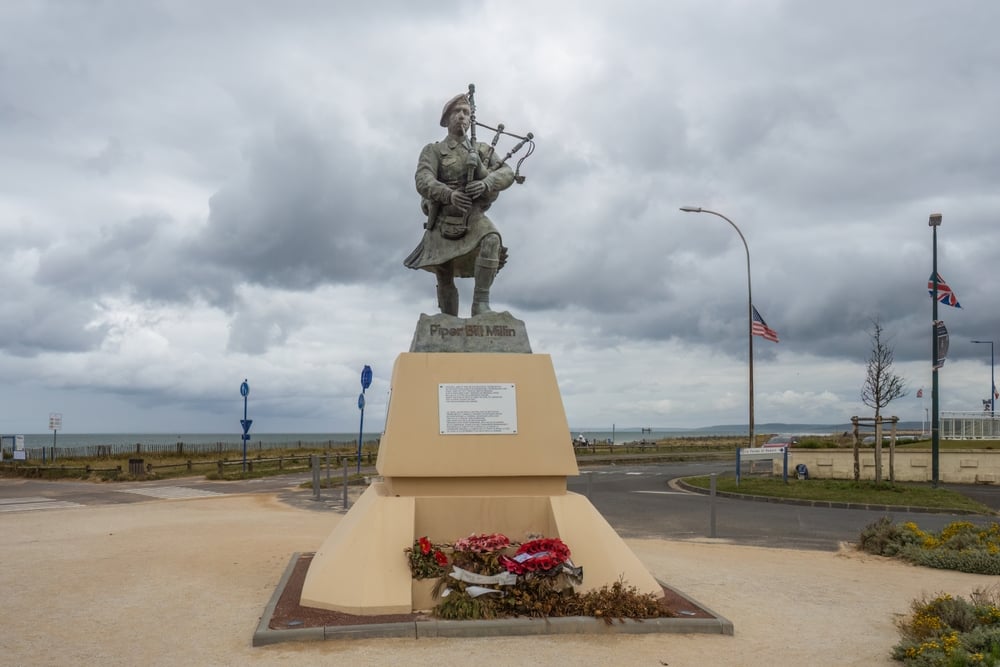
For many budget travelers moving through northern France, the Normandy coast is often planned around memorials, museums, and beach towns. Sword Beach is part of that route, but Glennie’s death is a reminder that these places are not just historical backdrops. They are tied to individual lives, losses, and survival stories.
Anyone building a low-cost Normandy itinerary usually focuses on practical stuff first: train connections, local buses, museum entry fees, and how many sites can fit into one day. Fair enough. Still, stories like Glennie’s give those stops a different weight.
The key context for visitors:
- Sword Beach was one of the five landing beaches on D-Day.
- D-Day took place on June 6, 1944.
- Thousands of Allied troops landed in Nazi-occupied France as part of the operation.
- The beaches and surrounding towns remain central to remembrance tourism in Normandy.
That last phrase can sound a bit clinical, but the truth is simpler. People go because they want to understand what happened there.
Life After The War In Aberdeenshire
After the war, Glennie returned to Turriff in Aberdeenshire. He became a welder and built a civilian life after surviving combat, injury, imprisonment, and forced labor.
That return home matters. Many veterans came back carrying experiences that were impossible to package neatly into heroic slogans. Glennie’s post-war life seems to have been rooted in ordinary contribution, local ties, and steady service rather than grandstanding.
In other words, the kind of life that rarely shouts for attention, even when it probably deserves it.
Honors Jim Glennie Received In Later Life
Recognition did come, especially in his later years. France awarded Glennie the Legion d’Honneur, one of the country’s highest honors.
He also received the British Empire Medal in the 2025 King’s Honours list for services to the Gordon Highlanders Museum.
The medal was presented during his 100th birthday celebrations at the Gordon Highlanders Museum in Aberdeen, where he had volunteered for more than 30 years. That is a tidy full circle if there ever was one: a man who served in the regiment in war later spending decades helping preserve its history in peace.
Last October, the University of Aberdeen awarded him an honorary degree. After that ceremony, he laid a wreath at the university’s war memorial inscribed with the words “RIP chums” and “Bydand”, the Gordon Highlanders motto meaning steadfast.
His Connection To The Gordon Highlanders Museum In Aberdeen
The Gordon Highlanders Museum in Aberdeen was clearly one of the central places in Glennie’s later life. He volunteered there for more than three decades, becoming part of the institution as well as the history it preserves.
John McLeish, the museum’s chief executive, said staff, volunteers, veterans, visitors, and the wider Gordon Highlanders community would feel his loss deeply.
That reaction makes sense. Museums like this are not just buildings full of old kit and careful labels. They are often held together by people who remember, explain, and keep the human side of history alive.
The King Met Him During His 100th Year
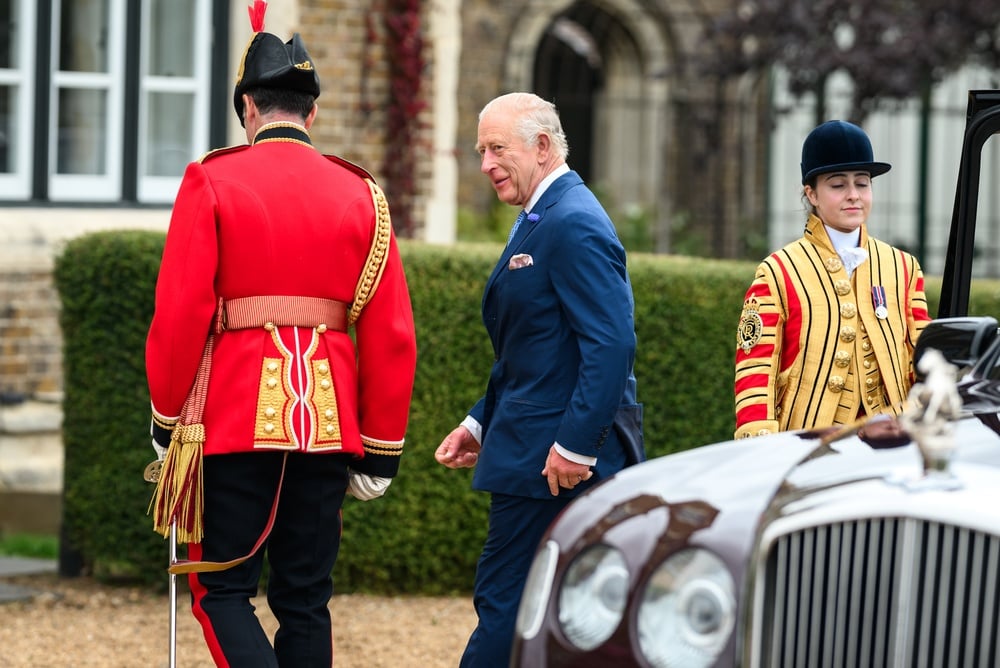
Glennie also met King Charles during a visit to the regimental museum earlier in the same year that he turned 100.
The King praised him as “a great example to us all”, a line that now reads as both tribute and summary. Glennie’s life covered frontline service, captivity, survival, work, volunteering, and public remembrance. That is a long ledger.
What His Family Said
Glennie’s son, James Glennie Junior, described his father as the family’s hero.
He remembered him as the last Gordon Highlander who landed on the beaches on D-Day, a man who was shot twice, captured, and held as a prisoner of war before eventually making it home.
That family view is probably the most grounded one. Public honors matter, but private memory is where a life lands for good.
Why The Death Of D-Day Veterans Hits Differently
The passing of D-Day veterans always lands with extra force because it closes another direct link to one of the defining events of World War II. Books, documentaries, archives, and memorial sites remain. Firsthand testimony does not.
Glennie was described at the University of Aberdeen as “the last of his generation”. That phrase is not literal in the broadest sense, but it captures something real. The group of people who experienced D-Day in person is now very small, and shrinking fast.
For travelers visiting Normandy, Aberdeen, or military museums across the UK, that changes the texture of remembrance. Increasingly, the guides, plaques, artifacts, and oral history recordings are standing in for people who are no longer here to tell it themselves.
Key Dates In Jim Glennie’s Life And Service
| Event | Detail |
|---|---|
| D-Day landing | June 6, 1944, landed on Sword Beach aged 18 |
| Wounded and captured | About a week after D-Day, after his unit encountered the 21st Panzer Regiment |
| Transfer to POW camp | On his 19th birthday, moved to Stalag IV-B near Munich |
| Forced labor in Leipzig | Made to fill bomb craters while in captivity |
| Liberation | April 1945, by American troops |
| Post-war life | Returned to Turriff and worked as a welder |
| Later honors | Received the Legion d’Honneur, British Empire Medal, and an honorary degree from the University of Aberdeen |
A Life That Stretched Far Beyond One Battle
It would be easy to compress Glennie’s life into one neat line about D-Day, but that would undersell it badly. Yes, he landed in Normandy at 18. Yes, he survived injury, imprisonment, and forced labor. But he also came home, worked, volunteered, and kept showing up for remembrance long after the war had ended.
That kind of longevity in service is its own quiet achievement. Not flashy. Not cinematic. Just substantial.
Jim Glennie leaves behind a family, a local community in Aberdeenshire, and a place in Scotland’s wartime story that will not be easily replaced.