
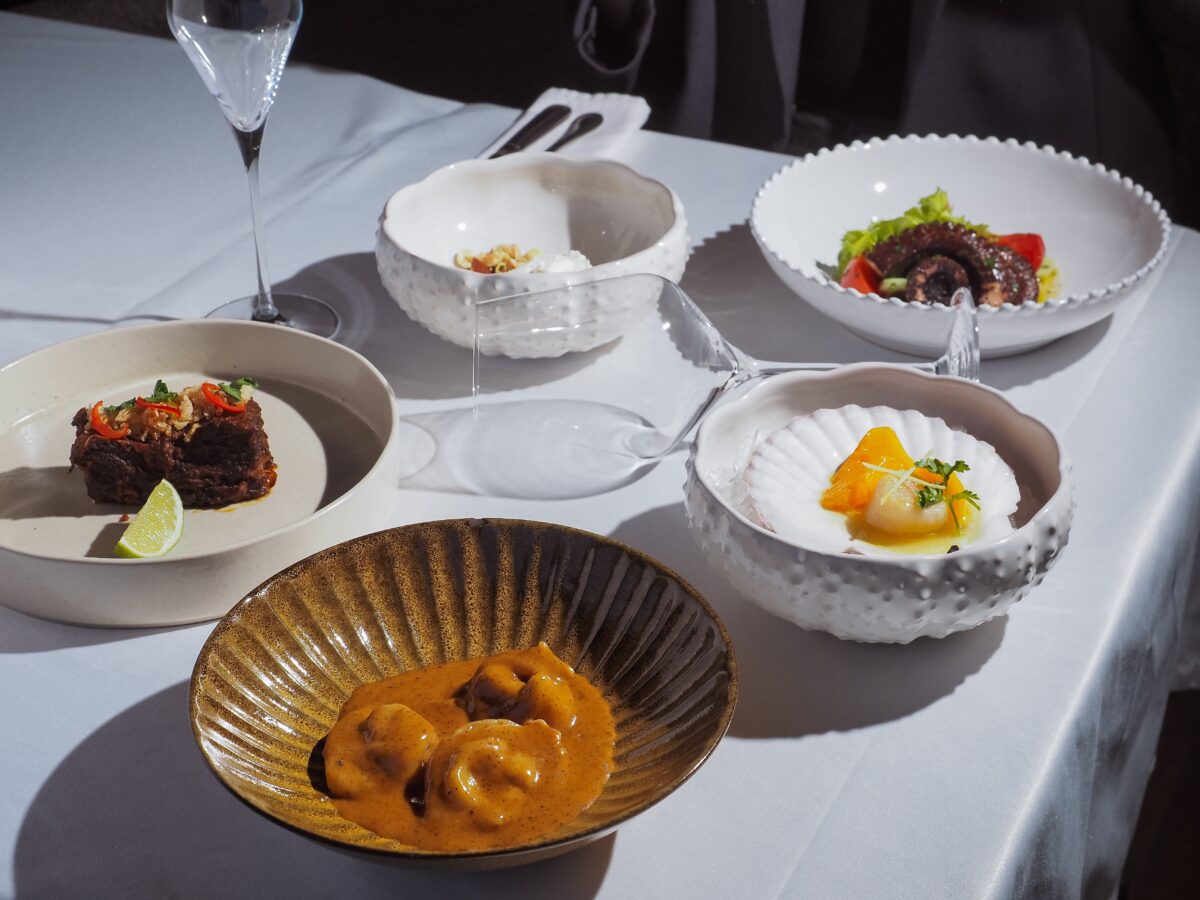
America’s priciest restaurants are built for people who treat dinner like an event. For everyone else, they are a useful reminder that a meal can cost more than a budget flight if you let the drinks and service charges wander off with your wallet. If you have ever stared at a tasting menu and briefly considered instant noodles in a motel sink, you are in excellent company.
The real answer to what are the most expensive restaurants in the U.S. is not a neat single list. It is a category: intimate tasting-menu temples, sushi counters with a handful of seats, and polished dining rooms where the evening is choreographed down to the last spoonful. The final bill can balloon fast once tax, gratuity, pairings, and extras join the party.
For budget travelers, this is less about bragging rights and more about knowing where the money goes if you decide to splurge once and do it properly.
Why Some U.S. Restaurants Cost So Much
The biggest bills usually come from a mix of scarcity, labor, and theater. Fewer tables mean more demand. More staff means higher payroll. Rare ingredients and exacting prep mean more cost before the first plate even leaves the kitchen. That combination is expensive for the restaurant and even less friendly to your credit card.
Fine dining also sells a full experience, not just a plate of food. You are paying for pacing, service, wine knowledge, room design, and often a level of precision that makes dinner feel closer to a performance than a pit stop. Handy if you love that sort of thing. Slightly less handy if your idea of luxury is eating quickly and catching the last train.
- Tasting menus replace individual ordering with a fixed progression.
- Limited seating keeps reservations tight and prices buoyant.
- Premium ingredients may include caviar, wagyu, truffles, and top-tier seafood.
- Large front-of-house teams add to labor costs.
- Pairings and supplements can quietly push the total into silly territory.
The Most Expensive Restaurants In The U.S.
While prices change throughout the year, a handful of restaurants consistently sit at the very top of America’s fine dining scene. Most serve tasting menus or omakase experiences where the meal is planned entirely by the chef, and the final bill often climbs well beyond the advertised menu price once drinks, tax, and gratuity are included.
| Restaurant | City | Known For | Typical Starting Price* |
|---|---|---|---|
| Masa | New York City | Luxury sushi omakase | $750+ per person |
| Saison | San Francisco | Live-fire tasting menu | $400-$500+ |
| SingleThread | Healdsburg, California | Farm-driven tasting menu | $475+ |
| The French Laundry | Yountville, California | Thomas Keller’s iconic tasting menu | $390-$450+ |
| Atera | New York City | Contemporary multi-course dining | $325-$400+ |
| Sushi Ginza Onodera | West Hollywood, California | High-end Edomae omakase | $450+ |
| Joël Robuchon | Las Vegas | French haute cuisine | $500+ |
Restaurants such as Masa and Joël Robuchon can easily produce four-figure bills for two diners once premium wine pairings and supplements are added. Reservations are often booked months ahead, making availability almost as exclusive as the menus themselves.
How The Final Bill Grows Faster Than The Menu Price
A lot of people see the headline price and assume that is the total. Charming idea. Also wrong.
Here is where the damage usually expands:
| Cost Layer | What It Covers | Why It Matters |
|---|---|---|
| Base Menu Price | Tasting menu or set dinner | This is only the starting point |
| Drink Pairing | Wine, sake, or cocktail pairing | Can add a hefty amount per person |
| Tax | Local sales tax | Varies by city and state |
| Gratuity | Service charge or tip | Often expected on top of the listed price |
| Add-Ons | Extras like premium supplements | Can nudge the total higher still |
Budget reality check: the menu number is the opening act. If you are planning one luxury meal on a trip, build in a cushion so the final bill does not land like a jump scare.
We earn a commission if you buy through this link, at no extra cost to you.
Where America’s Most Expensive Restaurants Are Located
The country’s highest-priced restaurants are concentrated in a handful of cities where wealthy locals, international travelers, and Michelin-star dining cultures overlap.
| City | Notable Restaurants | Why It Costs So Much |
|---|---|---|
| New York City | Masa, Atera | Extremely high operating costs and strong global demand. |
| San Francisco Bay Area | Saison, SingleThread, The French Laundry | World-renowned chefs and access to premium California ingredients. |
| Las Vegas | Joël Robuchon | Luxury resorts cater to visitors seeking once-in-a-lifetime dining experiences. |
| Los Angeles | Sushi Ginza Onodera | Celebrity clientele and an exceptional omakase scene. |
If you’re planning a trip specifically around fine dining, these cities offer the highest concentration of Michelin-starred restaurants—but they also come with some of the country’s highest accommodation and transportation costs.
Why These Restaurants Command Such High Prices
Each of America’s most expensive restaurants has its own identity, but they all focus on craftsmanship rather than quantity. The experience usually lasts several hours and involves dozens of carefully timed courses prepared directly by highly skilled chefs.
- Masa (New York) is famous for pristine imported seafood and one of the country’s most luxurious sushi omakase experiences.
- The French Laundry (California) changes its tasting menu daily using seasonal ingredients sourced from local farms and its own gardens.
- SingleThread (Healdsburg) combines Japanese techniques with Northern California produce in an elaborate multi-course menu.
- Saison (San Francisco) centers many dishes around live-fire cooking, rare seafood, and premium meats.
- Joël Robuchon (Las Vegas) delivers classic French fine dining with exceptional service inside one of the Strip’s most luxurious restaurants.
- Atera (New York) offers an intimate chef’s counter where diners watch much of the meal being prepared.
What you’re really paying for is the combination of exceptional ingredients, highly trained staff, meticulous preparation, and a dining room that serves only a limited number of guests each evening.
How To Decide If A Splurge Is Worth It
Not every expensive restaurant is worth the money for every traveler. Obvious in theory, easy to forget once the menu starts describing ingredients like they were born in a moonlit orchard.
Use these checks before you commit:
- Is the cuisine hard to find elsewhere?
- Do you actually enjoy tasting menus? Some people love the progression. Some people want one plate and freedom.
- Will the full price fit the trip budget? If one dinner wipes out three days of fun, pause.
- Are there lunch options? Many top restaurants offer a cheaper midday version.
- Is the reservation flexible? Prepayment and cancellation policies can be unforgiving.
Smart traveler move: if you want one luxury meal, look for lunch seating, bar counter spots, or shorter tasting menus. You can still get the experience without treating your bank account like a sacrifice.
Budget-Friendly Ways To Sample Fancy Dining Without Wrecking The Trip
You do not need to spend a fortune to eat well in a famous food city. Some of the best travel meals are still the cheap ones: dumplings after midnight, a market sandwich eaten on a curb, or a bowl of noodles that costs less than the coat check.
If you are curious about fine dining but not keen on donating half your trip fund, try these options:
- Book lunch instead of dinner where possible.
- Take the bar seat if the restaurant offers one.
- Choose a fixed-price menu rather than going a la carte at a luxury spot.
- Share a splurge course and keep the rest of the day cheap.
- Save luxury dining for a destination meal rather than a random Tuesday.
That way, you still get the story, but your trip budget survives to see another attraction.
How The Room, The City, And The Meal Shape The Price
Luxury dining is not just about the food. It is about where you are, how many people are being served, and how much hand-holding the restaurant provides. That is why a meal in New York, Las Vegas, or San Francisco can feel very different from one in a quieter market.
If you are planning a food-focused trip, it helps to think about the whole base, not just the restaurant itself. Choosing the right neighborhood can save money on transport and give you cheaper backup meals nearby. That logic applies everywhere, from big American cities to food trips abroad, whether you are hunting for the right base in Lima or just trying to avoid a pricey taxi after dessert. If Peru is on your list, where to stay in Lima and restaurants in Cusco are both worth keeping in mind when the budget is already taking a hit.
And if you are the sort of traveler who likes to spend the big money on the plate but save it elsewhere, that is usually the smartest compromise. Cheap beds, cheaper transport, one unforgettable meal. The backpacker holy trinity, basically.
A Practical Take For Travelers
When people search for the most expensive restaurants in the U.S., they’re usually thinking of places like Masa, The French Laundry, Saison, SingleThread, Joël Robuchon, Atera, and Sushi Ginza Onodera. These restaurants have earned international reputations for extraordinary food, flawless service, and tasting menus that regularly cost several hundred dollars per person before drinks.
That doesn’t mean every traveler needs to book a table. Many offer more affordable lunch experiences, and countless outstanding restaurants across the country deliver memorable meals without the four-figure price tag. But if you’re going to splurge once, choosing one of America’s legendary fine dining destinations will certainly give you a story worth telling long after the bill has been paid.