

Glasgow is one step closer to an official link with Boston, and the push came not from suits in a stuffy committee room, but from Scotland supporters who turned up stateside with songs, scarves, and the usual Tartan Army chaos. For budget travelers, that matters because these city partnerships often turn into the sort of low-cost wins people actually use, like festivals, heritage tie-ins, and more visible tourism promotion.
Councillors backed the next move on Thursday, clearing the path for a formal signing ceremony. It sounds bureaucratic, which it is, but the practical upside is that twinning can quietly feed more travel-friendly programming over time. That is the kind of civic plumbing backpackers usually ignore right up until it creates a decent reason to visit somewhere new.
Boston and Glasgow already have a story to sell each other, and now they are making it official. If the relationship grows the way these things often do, expect more cultural exchanges, more shared events, and a stronger nudge toward affordable city breaks rather than glossy brochure tourism.
Why Glasgow And Boston Are Linking Up Now
The spark was Scotland’s World Cup trip to the United States. Boston hosted a large number of Scotland fans for matches against Haiti and Morocco, and the welcome appears to have left enough goodwill behind to justify a more permanent civic connection. A city can do a lot with a good vibe, and apparently so can a football crowd with a songbook.
Boston mayor Michelle Wu had already reached out to Glasgow to build on that moment. A formal declaration of intent was signed last week, laying out plans to explore cooperation in economic development, research and innovation, arts and culture, and tourism. In other words, this is not just about nostalgia or postcard sentiment. It is about giving the relationship enough structure to actually lead somewhere useful.
Glasgow councillors have now agreed to proceed with the twinning arrangement, which means the next stop is a formal signing ceremony. That is the point where civic enthusiasm gets a nice tie on it and becomes policy.
For travelers who keep an eye on city buzz, this is worth watching alongside other Glasgow developments, including recent airport security headaches and the city’s wider push for better urban mobility through active travel routes. Different topics, same basic lesson: cities do not stand still, and visitors feel the knock-on effects whether they want to or not.
What City Twinning Actually Does For Visitors
City twinning, also called a sister-city relationship, is an official partnership between two places. In practice, it is a framework for cultural exchange, educational links, tourism promotion, and business cooperation. The paperwork is dull. The downstream effect can be useful.
It does not magically create cheap flights or hostel rooms with a municipal discount code. Still, partnerships like this can lead to joint festivals, exchange programmes, museum collaborations, and tourism campaigns that make a destination easier to market and, sometimes, cheaper to experience if events are backed by public money.
That is where budget travelers should pay attention. When cities start talking about one another in a formal way, it often opens the door to recurring events, more international programming, and enough cultural noise to justify a trip on a slim budget.
| Element | What Has Happened | What It Could Mean |
|---|---|---|
| Political approval | Glasgow councillors agreed to move ahead | The twinning process keeps advancing |
| Boston commitment | Mayor Michelle Wu signed a declaration of intent | Both cities can plan cooperation more formally |
| Tourism angle | Tourism was named as a priority area | Possible future marketing and visitor campaigns |
| Cultural trigger | Scotland supporters were welcomed in Boston during the World Cup | Goodwill may support longer-term exchanges |
How The Tartan Army Helped Push The Deal
Glasgow politicians pointed straight at the reception Scotland fans got in Boston. The mood was described as warm and good-humoured, with supporters acting like accidental diplomats, which is usually how the best travel stories begin anyway.
Big events often create a brief tourism spike, but they also leave behind emotional residue. If hosts and visitors get along, local leaders notice. That seems to be exactly what happened here, and it is part of why the twinning proposal got traction rather than drifting off into the municipal void.
For travelers, especially those who like places with character and a bit of football-fuelled personality, the takeaway is straightforward: people showed up, Boston made a good impression, and Glasgow decided to build on it.
That same fan energy has already driven other Glasgow-related stories, from airport disruption to civic upgrades like the Pollokshaws Road bridge refresh. Cities are always changing, and sometimes the most interesting changes are the ones that start with visitors rather than planners.
What This Could Mean For Cheap Trips And Cultural Events
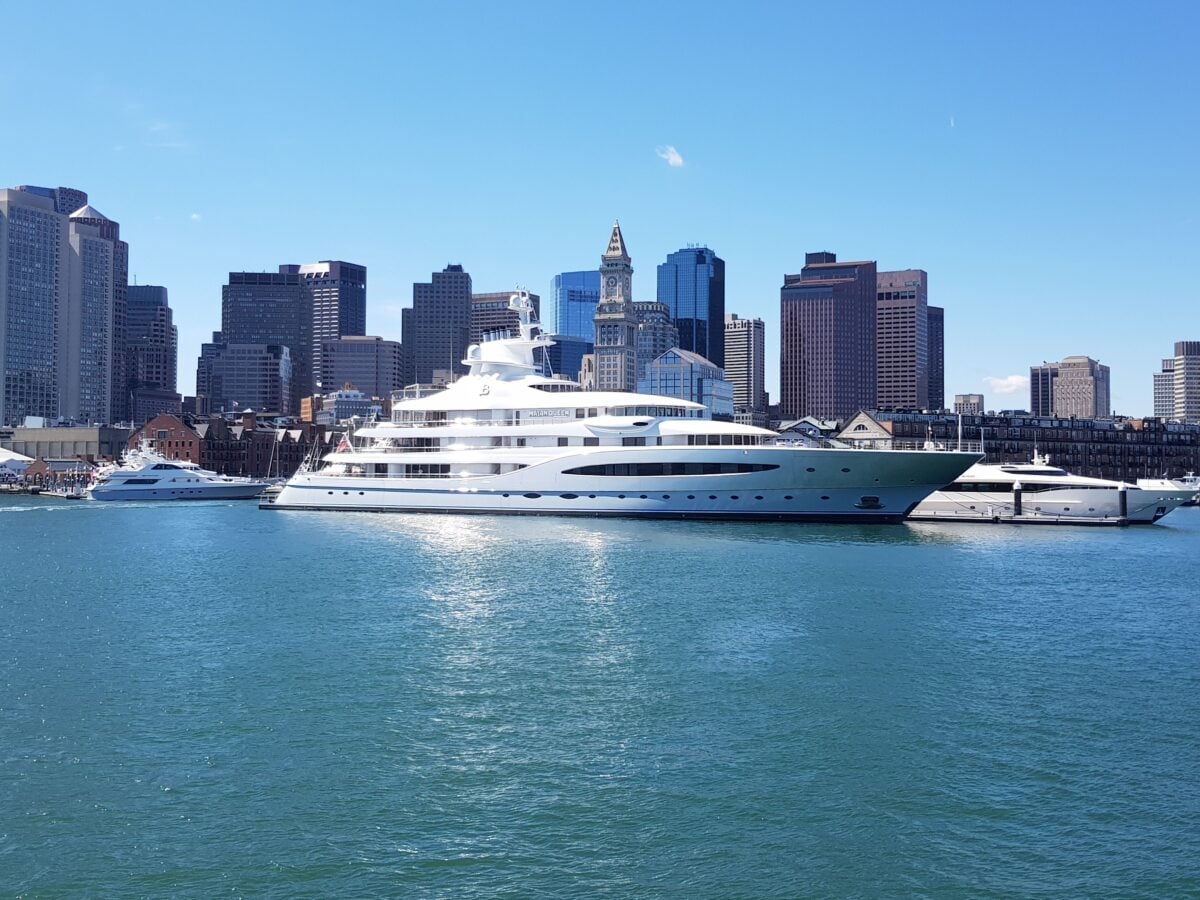
There is no instant travel discount attached to the twinning move, so nobody should expect a bargain Boston pass to fall out of the sky. Still, there are a few likely benefits for people who travel on a tight budget and like to catch cities when they are in motion rather than when they have been polished for tourists.
- More tourism promotion: official links often lead to joint campaigns, themed weekends, and more visible destination marketing.
- Better cultural programming: arts, music, and heritage projects can become more frequent when cities are formally connected.
- More reason for diaspora travel: Boston’s links with Scotland already run deep, and twinning can make those heritage connections easier to market.
- Potential academic and research traffic: student exchanges and institutional links can bring more visitors looking for affordable stays, especially outside peak seasons.
None of that is guaranteed, because civic partnerships move at the speed of a committee agenda, which is to say slowly, with coffee. But if you have ever planned a trip around a city festival, a football match, or a heritage event, you already know how these relationships can turn into useful travel hooks.
Boston And Scotland Already Share Plenty Of History
One reason this proposal landed smoothly is that the connection is not being invented from scratch. Glasgow officials pointed to the long-standing relationship between Scotland and Boston through diaspora ties, which gives the twinning plan a built-in narrative instead of a forced marketing slogan.
That matters because city partnerships work best when there is already some substance underneath them. Here, the background is a mix of migration history, shared identity, and a fresh burst of football goodwill. That is a stronger starting point than most official relationships ever get.
For visitors, the practical benefit tends to show up in the small stuff: heritage walks, community events, museum programming, and that satisfying feeling that a city already has an idea where your people came from. It is not flashy, but it often makes a trip feel more personal and less like a checklist.
Glasgow’s Existing Twin Cities Put Boston In Perspective
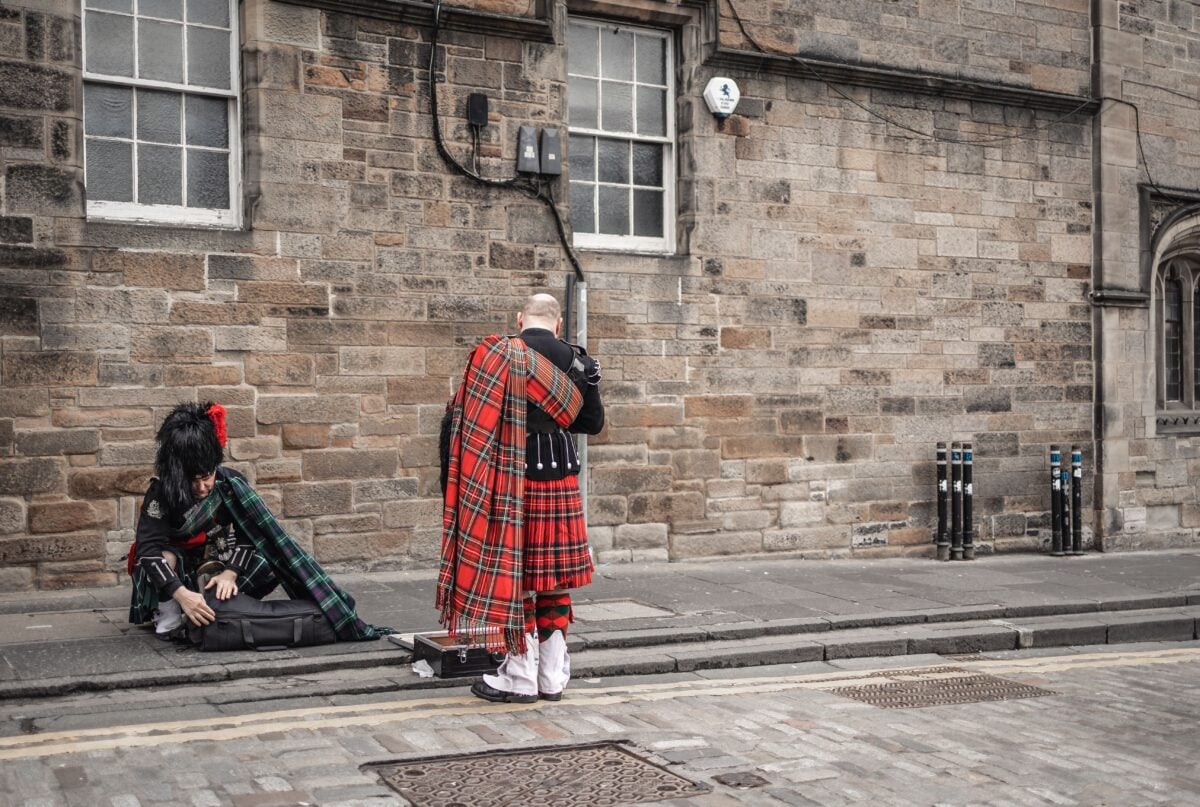
Boston would not be Glasgow’s first twin city. Glasgow already has eight twin-city relationships, including Havana, Marseille, Turin, Lahore, and Bethlehem. That matters because it shows the city knows how to use these connections as part of its international identity rather than treating them as a one-off photo opportunity.
That wider network gives Boston a ready-made place in a broader civic lineup. If the relationship develops properly, it could sit alongside Glasgow’s other international links in a way that supports everything from cultural exchange to visitor promotion.
| City | Status In Glasgow’s Twin-City Network |
|---|---|
| Havana | Existing twin city |
| Marseille | Existing twin city |
| Turin | Existing twin city |
| Lahore | Existing twin city |
| Bethlehem | Existing twin city |
| Boston | Approved to move forward toward twinning |
What Happens Next In The Glasgow Boston Twinning Plan
The immediate next step is a formal signing ceremony. That will turn Thursday’s council backing into an official public milestone, which is the kind of moment politicians love because it can be photographed, quoted, and filed neatly away.
Councillors also heard that Glasgow’s Lord Provost, Jacqueline McLaren, has written to the Scottish Football Association to invite the Scotland squad to a reception after their return from the United States. That move sits beside the twinning process rather than inside it, but it keeps the same theme alive: the World Cup trip has grown into a mix of football nostalgia, civic diplomacy, and tourism soft power.
For anyone mapping future city-break options, that kind of attention can matter. A place that is getting international airtime often has more cultural momentum, and momentum is what turns a normal weekend away into a trip with actual texture.
Planning A Trip Between Glasgow And Boston
There are no new transport perks, flight discounts, or official travel deals attached to the twinning move yet. This is still a political and cultural development, not a fare sale. That said, it is a useful signal that Boston is becoming more visible in Glasgow’s international profile, and vice versa.
For budget travelers, the most realistic payoff is likely to show up in events, heritage programming, and city-backed promotion rather than in infrastructure or airline pricing. That still matters, because the cheapest trips are often the ones timed around a festival, exhibition, or public celebration that gives you a lot to do without a lot to spend.
- Watch for festivals: twinning often leads to arts and culture tie-ins worth timing a cheap trip around.
- Check off-season dates: city partnerships can boost shoulder-season travel when hotels are less painful.
- Keep an eye on local calendars: shared events and civic receptions sometimes produce free or low-cost public programming.
If you are already plotting a Scotland itinerary, pairing Glasgow with Boston-related heritage or cultural events could eventually become easier. And if you are Boston-bound, the Scottish connection is the sort of thing that can deepen a trip beyond the usual landmark sprint.
For a broader feel for how Glasgow fits into a cheap-travel map, it is worth remembering that the city is also building momentum through projects like new green spaces and airport route expansion such as direct flights to Zurich. These are the kinds of developments that slowly reshape where people go and how far their money stretches.
Why This Story Matters Beyond The Council Chamber
On paper, this is local government business. In practice, it is a reminder that travel leaves a trace. Fans crossed an ocean, hosts responded well, and two cities are now moving toward a formal relationship that could shape tourism and cultural exchange for years.
For backpackers and penny-pinchers, the useful lesson is simple: keep an eye on places where civic momentum is building. Boston and Glasgow now have a stronger public reason to promote each other, and that can lead to more events, more visibility, and better reasons to hop on a plane with a bag that still fits overhead.
And honestly, if a city twinning starts with football fans making a good impression, that is a lot more appealing than most official travel policy. Better songs, better stories, and potentially better trips. Not a bad return for turning up with a scarf.
