
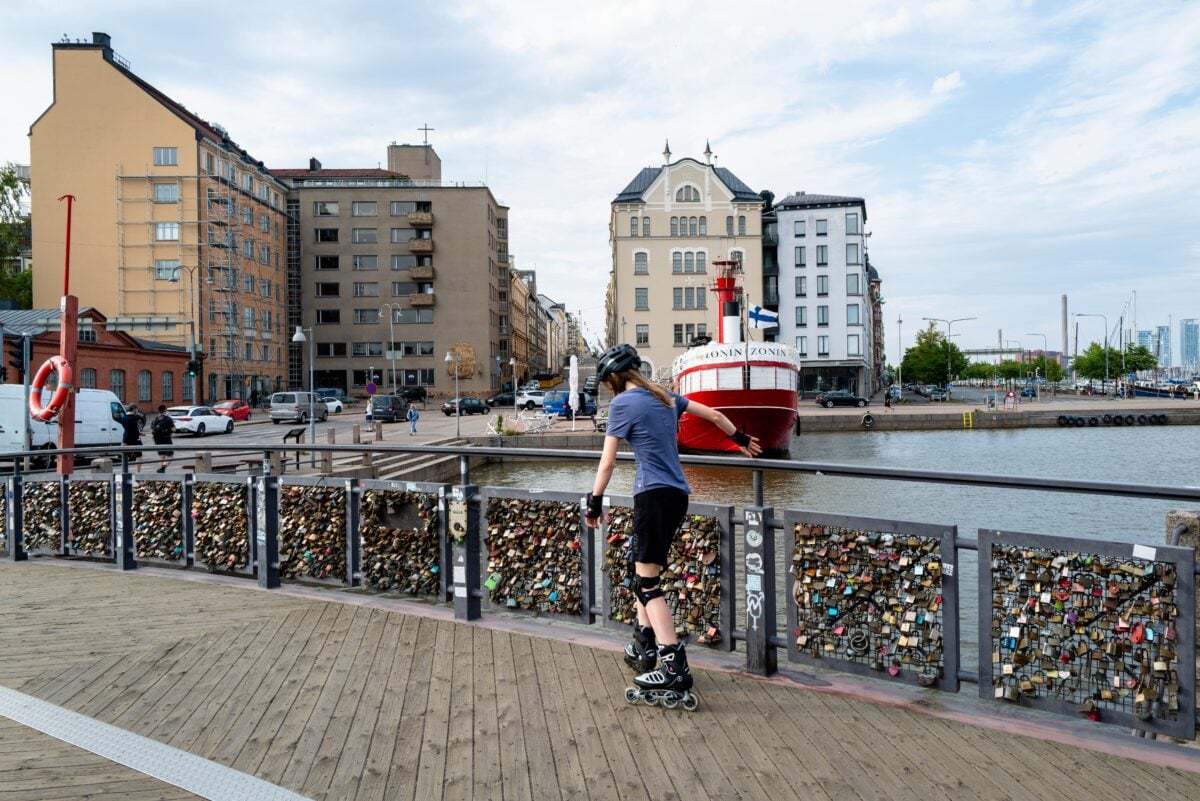
Summer travel does not have to come with heatstroke
There is a reason the idea of a “coolcation” keeps catching on. Not everyone wants to spend July or August hopping between air-conditioned lobbies and sunbaked sidewalks. Some travelers would rather have a sea breeze, a few extra layers, and the pleasure of walking around a city without plotting the route around shade.
This roundup points to nine destinations where summer is presented as more manageable, not more exhausting. The common thread is straightforward: cooler temperatures, coastal air, longer daylight, and hotels that put you close to the part of the city you probably came to see in the first place.
That mix makes this more useful than a generic list of “somewhere north.” Helsinki is here for the Baltic breeze, Reykjavík for crisp midsummer weather, and San Francisco for the foggy mornings that still manage to feel like a weather system with opinions. A few Southern Hemisphere and high-altitude options round out the list, which is a nice way of saying you can chase a cooler summer without automatically going all the way to the Arctic Circle. If you want a broader framing on how travelers are rethinking summer trips, our look at autumn fall travel destinations makes the same point from the other side of the calendar.
What counts as a coolcation
The term is simple enough. A coolcation is a summer trip built around a destination with lower temperatures than the traditional beach-and-sweat model. The appeal is not just comfort. Cooler weather changes how a city feels on foot, how long you can stay out, and how much of the day you spend thinking about cold drinks instead of museums, neighborhoods, and food.
Several of the destinations in this roundup also pair their climate with something else useful: old city centers, waterfronts, hiking access, or a strong hotel base near the action. That matters. If you are going to travel for the weather, the weather had better be attached to a place worth walking around. It also helps to know how travelers behave once they get there, which is why our guide to drinking etiquette in other cultures is worth a quick read before you order that first pint or cocktail abroad.
The nine destinations at a glance
| Destination | Summer weather or setting mentioned | What stands out |
|---|---|---|
| Helsinki, Finland | Average temperatures around 70°F, with Baltic Sea breezes | Traditional Finnish sauna, steam room, cold plunge pool |
| Tallinn, Estonia | Similar climate to Helsinki | Medieval streets and walls, close to airport and old city |
| Edinburgh, Scotland | Oceanic air and stone architecture help moderate summer temperatures | Views of Edinburgh Castle |
| Dublin, Ireland | Mid-60s average summer temperatures | Historic streets, parks, seaside villages nearby |
| Reykjavík, Iceland | Crisp midsummer weather | Glacier hikes, geothermal pools, vinyl in room |
| Anchorage, Alaska | Extended daylight without extreme heat | Mountains, glaciers, and coastal wilderness |
| Buenos Aires, Argentina | Southern Hemisphere escape during Northern Hemisphere summer | Puerto Madero, waterfront promenades, skyline views |
| Bogotá, Colombia | Year-round spring-like weather | Gastronomic district, Zona Rosa, rooftop views |
| San Francisco, California | Cool coastal breezes and fog-kissed mornings | Festivals, markets, eclectic neighborhoods |
Helsinki and Tallinn make a neat pair
Helsinki and Tallinn are the easiest twin act in the group. They sit across the Gulf of Finland from one another, share a similar maritime climate, and both lean into the sort of summer that feels manageable rather than punishing. Helsinki is described here with average temperatures around 70°F, which is mild enough to make outdoor wandering sound like a plan instead of a gamble.
In Helsinki, the opening of Waldorf Astoria Helsinki is tied to a very Finnish bit of comfort: a traditional sauna, a steam room, and a cold plunge pool. That sequence tells you a lot about local wellness culture. The point is not just to warm up or cool off. It is the ritual of moving between the two, which is exactly the sort of thing Finns have refined far more seriously than the rest of us.
Tallinn offers a different mood. The city is framed by cobblestone streets and centuries-old walls, which is a polite way of saying the medieval core has not been flattened by modern haste. Hampton by Hilton Tallinn is positioned as a practical base, with breakfast included and a location that is about 10 minutes by car from Tallinn Airport and a 20-minute walk to the heart of the historic city.
If you are interested in the older fabric of these cities, the official tourism resources for My Helsinki and Visit Estonia are both useful starting points. They do a better job than most quick-hit travel lists at explaining how the waterfront, the old quarters, and the seasonal light shape the way people actually use these places in summer. For a bigger-picture look at how the rest of the world sees the Nordic region, our guide to wealthiest countries in the world explained for travelers gives useful context on why Finland keeps appearing in these conversations.
Edinburgh, Dublin, and the long northern evening
Edinburgh and Dublin both show why summer in the North Atlantic can be a gift if you do not need beach weather to feel like you are on holiday. Edinburgh’s summer climate is moderated by oceanic air and old stone buildings, which is one of those practical details that sounds quaint until you realize it keeps the city comfortable enough for long walks. The Caledonian Edinburgh, Curio Collection by Hilton adds another useful layer, with views of Edinburgh Castle that put you close to the city’s most recognizable landmark.
Dublin’s summer temperatures are described as sitting in the mid-60s, with coastal breezes and long daylight hours doing the rest of the work. That combination is why the city works well for slow exploring. You can spend time in the historic center, stretch into the parks, and still have daylight left for a trip out to the seaside villages.
Conrad Dublin is presented as a central base near St. Stephen’s Green and the National Concert Hall, with unusually large standard rooms for the city center. That matters more than it sounds. A cool summer destination is easier to enjoy when your hotel is not half a commute away from where you actually want to be.
For readers who prefer to check city context before booking, the official tourism sites for Edinburgh and Dublin are worth a look. They make the seasonal logic plain, especially if you are trying to decide whether you want a city break, a castle walk, or a day trip that ends with a late dinner and no scorching pavement.
Reykjavík and Anchorage are for people who want summer to behave itself
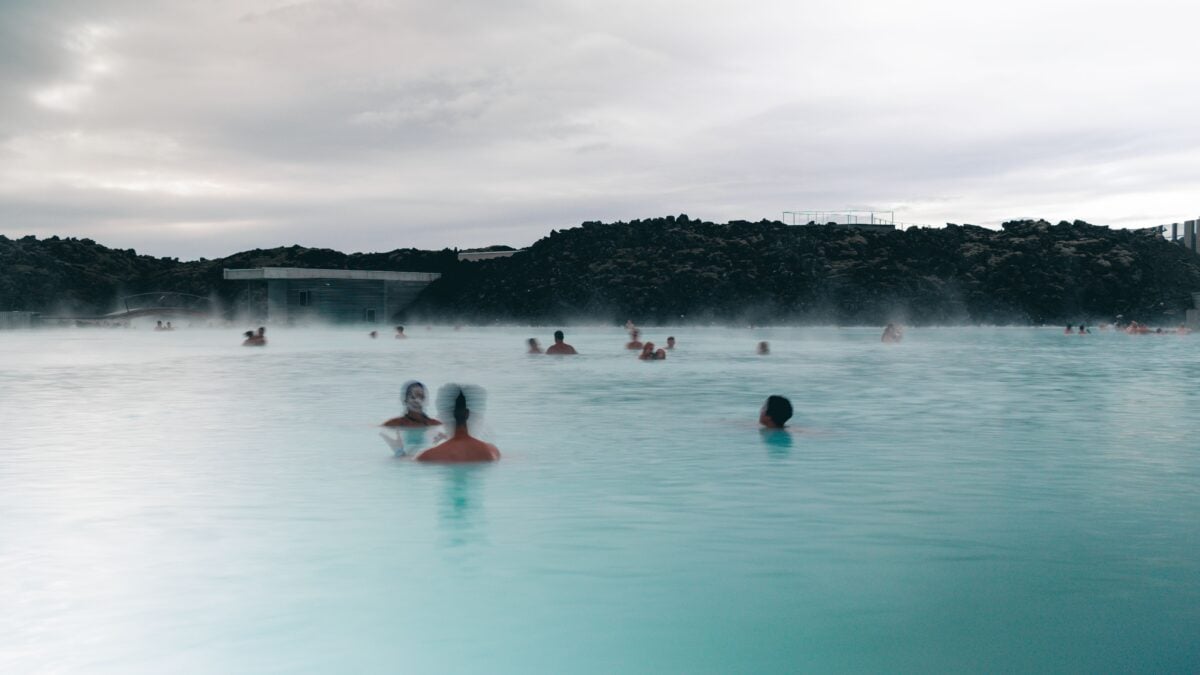
Reykjavík is the clearest example of a place that lets you keep your summer plans without getting bullied by the weather. Midsummer temperatures stay crisp, which leaves room for glacier hikes and geothermal pools. That pairing is very Icelandic in the best sense. Outdoor effort first, heat later, and the heat is usually coming from the ground.
Canopy Reykjavik City Centre leans into that mood with an in-room vinyl collection, which is a nice detail for a city where the weather already gives you an excuse to linger inside after a long day outside. It is not glamorous in a loud way. It is just smart.
Anchorage takes a different approach. Instead of crisp Nordic air, it offers extended daylight without extreme heat, plus easy reach to mountains, glaciers, and coastal wilderness. That is a strong proposition if you like your city breaks with an actual sense of scale around them.
Embassy Suites by Hilton Anchorage is described as an approachable upscale base, with a made-to-order breakfast and evening reception. In Alaska, that combination of comfort and access is not a luxury flourish. It is the difference between using the city as a launch point and treating it like a checkpoint.
If you’re weighing this kind of trip against a longer summer escape, our rundown of Peru’s 2026 travel boom is a useful reminder that cooler air and highland geography often work hand in hand. Some of the best summer relief is simply altitude with a good hotel.
Buenos Aires, Bogotá, and the Southern Hemisphere switch
Buenos Aires and Bogotá are included for a simple reason. They let travelers dodge the Northern Hemisphere summer while still getting a serious city trip. Buenos Aires is described as a culture-rich escape, with Hilton Buenos Aires in Puerto Madero, a neighborhood known here for waterfront promenades and skyline views. The city’s nickname, “Paris of South America,” is a familiar one, though it is the kind of shorthand that only works if you remember that Buenos Aires has its own urban logic and pace.
Bogotá is the altitude play. It gets year-round spring-like weather, which sounds almost too neat until you remember that the city sits high enough that the temperature story is genuinely different from most of the region. Hilton Bogotá is placed in the city’s gastronomic district near Zona Rosa, with a farm-to-table restaurant, rooftop sunset views, and evening entertainment that runs from cocktails to DJ sets.
For a traveler deciding between the two, the difference is useful:
- Buenos Aires works best if you want grand city energy, galleries, cafés, and waterfront promenades.
- Bogotá makes more sense if food, altitude, and a steady spring feel matter more than riverfront scale.
Both reward staying in the right district. That is hardly a shock, but it is worth saying plainly because these cities are large enough that “central” is not a very meaningful plan by itself.
San Francisco is the easy American answer, and still a good one
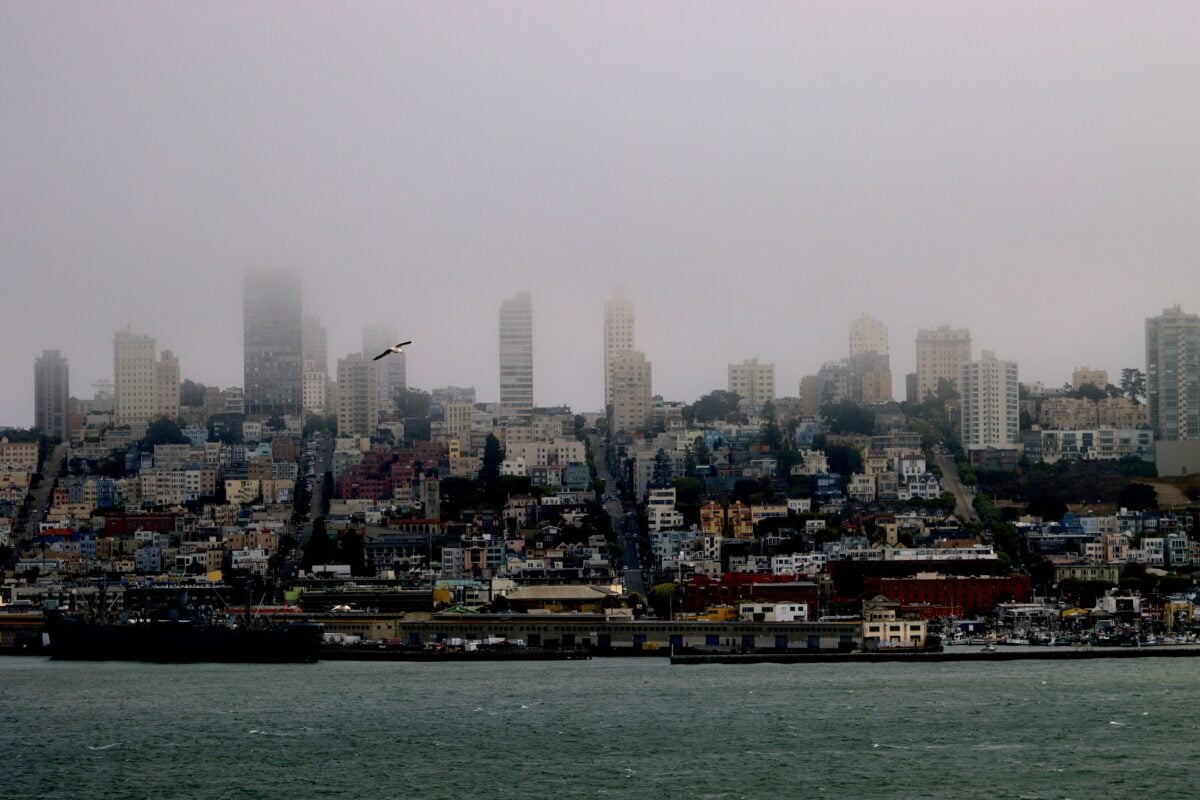
San Francisco rounds out the list with the kind of weather that has made it a summer refuge for generations. Coastal breezes and fog-kissed mornings keep temperatures down, and the city’s neighborhoods do the rest. Summer there is framed not as a beach escape but as an urban season, with festivals, open-air markets, and cultural events giving you plenty to do without needing to escape the heat twice in one day.
Parc 55 San Francisco, a Hilton Hotel, is positioned near Union Square and its shopping, dining, and attractions. That placement makes practical sense for visitors who want a compact base and easy access to the city core. San Francisco can be a little uneven when it comes to neighborhood logistics, so a hotel that reduces friction is not a bad idea.
If you want the broader context behind any of these cities, the best habit is simple: check the local tourism board or official city site before you book. Summer weather can shift year to year, but the basic shape of these destinations stays the same. They are places where cooler conditions are part of the travel experience, not just a footnote in the forecast.
Why these coolcation destinations work
The idea behind this roundup is not complicated, but it is useful. A good summer trip is not always about heat, beaches, or the usual shoulder-to-shoulder festival scene. Sometimes it is about being able to walk more, sleep better, and spend a full day outside without turning every decision into a quest for shade.
That is what ties these nine destinations together. They offer cooler air, but they also offer architecture, water, altitude, or daylight patterns that make the weather feel like part of the trip rather than an obstacle to it. If you are planning summer travel with comfort in mind, that is the real value of a coolcation. The city still gets to be the destination. Your thermostat just stops running the whole itinerary.