

Alaska draws travelers for wildlife viewing, expansive wilderness, long summer days, and winter aurora. What makes Alaska distinctive is its extreme seasonality, so the practical question is not if to go, but when to go for the things you want to do. This guide explains what visitors actually experience in spring, summer, autumn, and winter, with realistic temperature ranges, crowd and price expectations, daylight notes, and planning trade-offs.

Read on to match season to priorities: chasing whales and bear viewing in summer, maximizing daylight for road trips, saving money in the shoulder seasons, or timing a trip for the northern lights in winter and autumn. Expect specific planning details about transportation, likely costs, and common mistakes to avoid.
How to pick a season in Alaska
Choosing a season in Alaska starts with priorities: wildlife encounters, daylight hours for driving and hiking, aurora viewing, or keeping costs low. Travel logistics vary: many coastal areas are most accessible in summer via cruise ships, ferries, and regular flights, while interior and northern regions open earlier in spring for wildlife or close in late autumn for winter access.
Consider transportation: the Alaska Railroad runs most services in summer and the state’s ferry system has seasonal schedules; check the official pages before booking. Also factor in reservation requirements for lodges and tours during June and July, when spaces fill months in advance.
Deciding factors and trade-offs
Wildlife viewing is concentrated in late spring and summer, but those months have higher prices and larger crowds. If aurora are the priority, aim for late autumn or winter when nights are long, and expect colder temperatures and reduced daylight for daytime activities. For lower prices and reasonable weather, shoulder seasons provide a balance, but services can be limited.
Spring in Alaska (March to May)
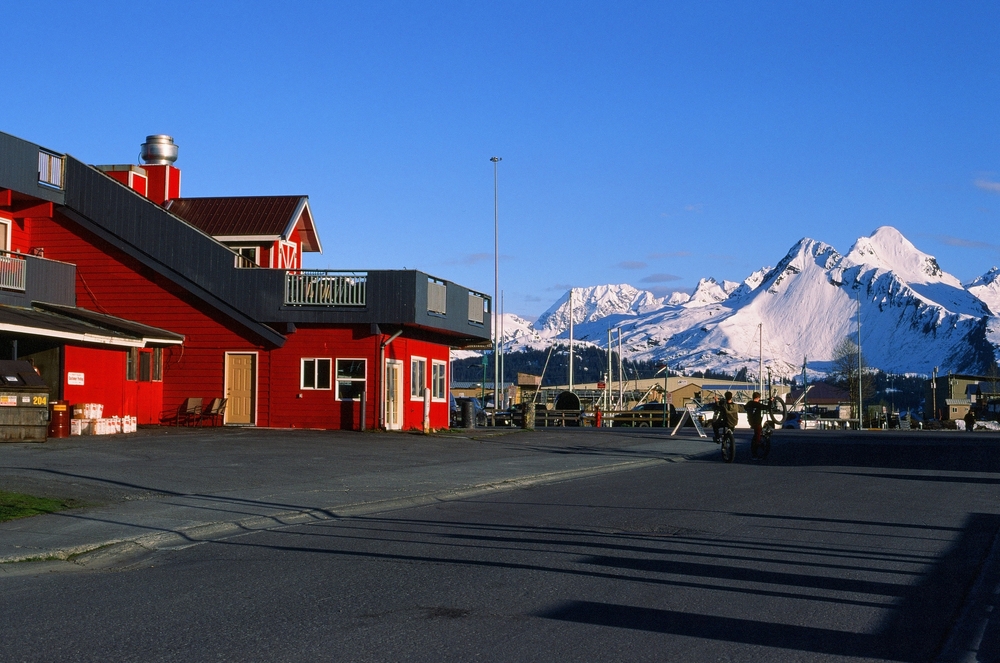
Spring often feels like a moving target; snow still lingers in many places in March, while May can feel close to summer in coastal communities. Expect melting snow, increasing daylight, and the first major wildlife activity: migrating birds, seals, and early bear activity in coastal areas.
Temperature ranges vary widely by region: coastal towns like Juneau and Seward average about 0 to 10°C (32 to 50°F) by May, while interior areas like Fairbanks remain colder, roughly -15 to 5°C (5 to 41°F). Crowds are moderate and prices are generally below summer peaks, with many hotels and tour operators beginning to ramp up operations in late April and May.
Spring is best for photographers who want dynamic landscapes, early-season wildlife, and fewer people than summer, but check ferry and tour start dates. Shorter season operations mean certain lodges and park shuttles may not yet be running; confirm schedules before planning.
Who should travel in spring
Travelers who prioritize lower prices than summer, active wildlife starts, and increasing daylight. Spring suits flexible itineraries that can adapt to weather changes and service start dates.
Summer in Alaska (June to August)
Summer is peak season for a reason: long daylight, calm coastal seas for whale and glacier cruises, and full-service tourism infrastructure. Expect near-continuous daylight above the Arctic Circle in June and July, which is ideal for multi-day road or hiking itineraries.
Typical temperatures in summer range from 8 to 18°C (46 to 64°F) in many populated areas, and 3 to 15°C (37 to 59°F) on the coast when fog rolls in. Crowds are highest in June and July, especially in gateway cities and national park trailheads. That drives up prices for hotels, car rentals, and guided trips; budget for higher costs during these months.
Transportation demand is heavy: flights to Anchorage, Fairbanks, and Juneau book early, and main ferry and train services fill. Expect to reserve tours and accommodations at least 2 to 4 months ahead for summer dates.
TUMELLA Strongest Windproof Travel Umbrella (Compact, 100MPH Wind-Tested)
Planning tips for summer
Reserve ferry, train, and lodging early, pack layers for variable weather, and plan activities to start early or late to take advantage of long daylight. For whale watching and glacier trips, book with operators who publish cancellation policies and confirm shore access for cruise visitors.
Autumn in Alaska (September to November)
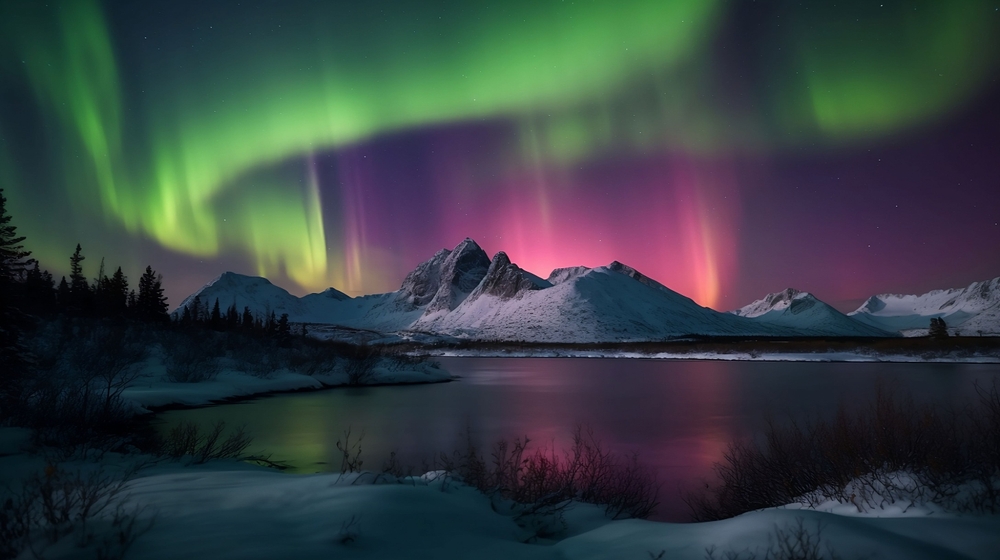
Autumn compresses a lot: crisp days, colorful tundra, and the return of long nights, making it the primary shoulder season for aurora chases. Early September still holds some summer warmth and daylight, but by October nights lengthen quickly and temperatures drop.
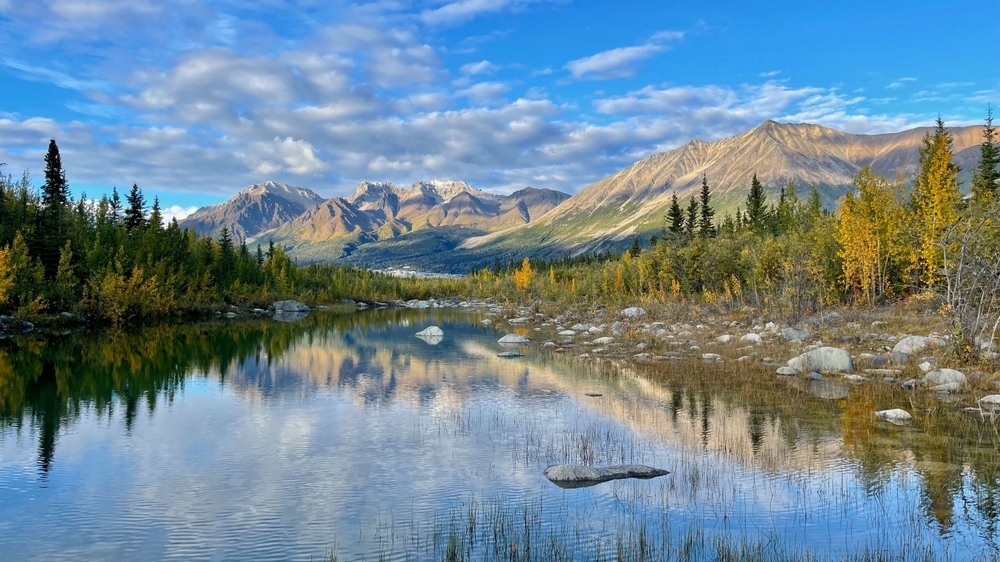
Expect temperatures of about 5 to 12°C (41 to 54°F) in early September in southern coastal areas, falling to -5 to 5°C (23 to 41°F) by November in many places. Crowds thin after Labor Day, and prices decline; many lodges and operators drop rates or close for winter, so availability becomes more limited for certain services.
Autumn is best for travelers focused on aurora viewing in interior and northern Alaska, fall colors, and quieter national parks. For transportation and park access, verify seasonal schedules; some visitor centers reduce hours or close.
Aurora and shoulder-season benefits
September and October combine moderate temperatures with increasing aurora potential. Book accommodations in Fairbanks or interior towns that advertise aurora wake-up calls, and keep flexible plans as early snow can affect road travel.
Winter in Alaska (December to February)
Winter is for cold-weather travel and northern lights. Expect short daylight hours, deep cold in the interior, and winter activities like dogsledding, snowmobiling, and hot-springs visits. Services are concentrated in key towns and tourist operators that market winter packages.
Temperatures in winter vary dramatically by zone: coastal cities like Anchorage average around -10 to 0°C (14 to 32°F), while Fairbanks and interior areas often reach -30 to -10°C (-22 to 14°F) on cold spells. Crowds are low except around popular aurora windows and holiday periods; prices can be lower for flights and hotels but gear rental and specialized tours add cost.
Travelers should plan for shorter daylight, possible flight delays from winter storms, and the need for robust cold-weather clothing. Book aurora-specific tours and lodges early for prime viewing windows.
Who should travel in winter
Visitors whose primary goals are northern lights, winter sports, or experiencing Arctic conditions. Expect to spend more on specialized gear or guided experiences if traveling outside major towns.
Season comparison table
The table below gives a quick at-a-glance comparison for planning. Use it to align expectations about weather, crowds, and costs.| Season | °C | °F | Crowds | Prices | Best For |
|---|---|---|---|---|---|
| Spring (Mar–May) | -15 to 10 | 5 to 50 | Low to Moderate | Lower than summer | Wildlife starts, lower prices |
| Summer (Jun–Aug) | 3 to 18 | 37 to 64 | High | Highest | Daylight, cruises, road trips |
| Autumn (Sep–Nov) | -5 to 12 | 23 to 54 | Low | Lower (shoulder) | Aurora, fall colors, quieter parks |
| Winter (Dec–Feb) | -30 to 0 | -22 to 32 | Low | Variable (can be low) | Northern lights, winter sports |
How to read the table
These ranges show typical conditions for populated and commonly visited areas; extremes occur in remote northern regions. Use the daylight and temperature ranges to plan activities and packing, and confirm exact local schedules for ferries and trains before booking.

Amazon Basics 21" Hardside Carry-On Luggage with Spinner Wheels, Expandable for Up to 25% More Space, Scratch-Resistant Hard Shell, Telescoping Handle, Black
Best Overall, Budget, and Weather Times
Best Overall Time To Visit: late May to mid-June and late August to early September. These windows balance reliable access, good wildlife viewing, and manageable crowds, with daylight hours long enough for active itineraries.
Best Budget Time To Visit: March to May and mid-September to October. Prices for flights and accommodations drop outside the peak months, though some tour operators reduce services; budget travelers should remain flexible about exact itineraries and confirm what is open.
Best Weather Time To Visit: July to early August for the mildest average temperatures and lowest chance of persistent snow on roads and trails. This period also supports the most reliable ferry and train operations, though it carries the highest costs and the largest crowds.
Which is right for different travelers
Wildlife-focused travelers often prefer June to July for salmon runs and bear activity in coastal parks. Aurora chasers should focus on late September through March, with nights longest in December and January. Road trippers and hikers who want stable conditions should aim for July and August. If you’re exploring other U.S. destinations in June, Alaska’s peak summer crowds are in full swing, so book well ahead.
Practical Travel Tips
- Book flights, train tickets, and ferry berths early for travel between May and August; many routes sell out months in advance.
- Pack in layers: include a waterproof outer shell, insulating mid-layers, and quick-dry base layers; plan for damp, windy conditions even in summer.
- Reserve guided wildlife tours and glacier excursions with operators that post clear cancellation policies; check recent reviews and official licensing where applicable.
- If chasing the aurora, base at least two nights in an interior town like Fairbanks to improve chances, and pick accommodations that offer aurora alerts.
- Allow extra travel time between towns; weather and wildlife
