
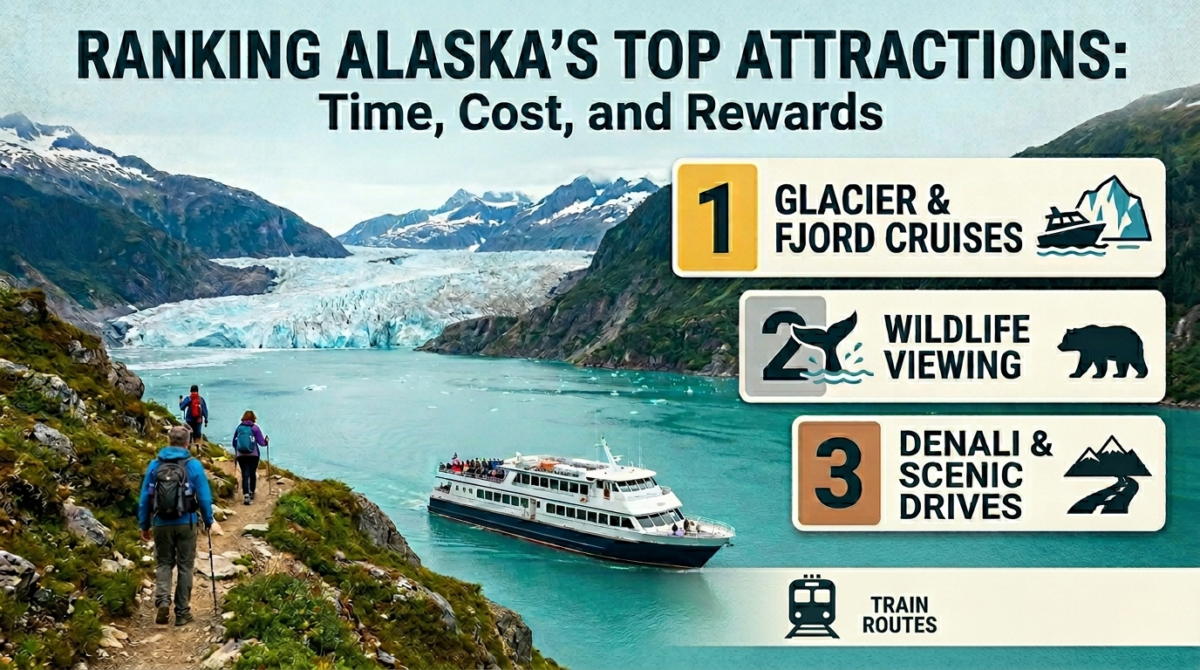
A common planning trap is trying to pack too much of Alaska into one trip, then spending most days on transit. Visitors come for close-up glaciers, predictable wildlife encounters, and long scenic corridors, but each requires different time and money commitments. This guide explains what travelers actually experience at Alaska’s top attractions, how long to allocate, realistic cost ranges, and smart alternatives when the famous spots are crowded.
Expect ranked recommendations that prioritize practicality: travel times, crowd levels, reservation requirements, and whether an attraction is truly worth your limited days. Links point to official sources for schedules and permits so readers can confirm current details before booking.
How to use this ranking
This list ranks attractions by a simple traveler-first formula: accessibility, experience per hour, and cost-to-reward ratio. The goal is to help readers prioritize days when time and transport add up quickly in Alaska. Each entry explains what visitors experience, typical time needed, realistic cost ranges, crowd expectations, and whether it should be prioritized.
If you have limited time, read the summary at the top of each section and the final “Top 3” at the end. Use the official links provided to confirm seasonal schedules and reservation rules before committing. Expect variability: summer is busy, shoulder seasons reduce crowds but shorten service windows.
1. Glacier viewing and fjord cruises
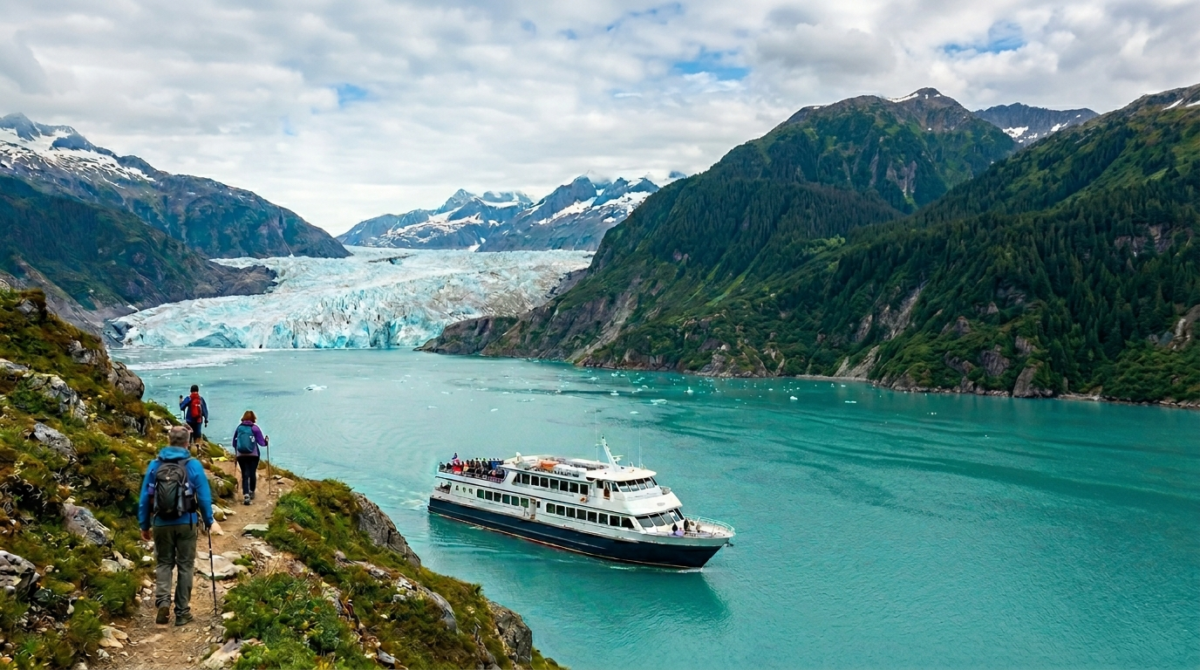
What visitors experience: Day cruises or longer boat trips in places like Kenai Fjords let passengers watch tidewater glaciers calve into the sea, observe seabirds, and often see seals and whales from the deck. Shorter options include wildlife-and-glacier combo trips launched from coastal towns, while longer cruises may require a full day.
Time needed: Plan for 4–8 hours for a decent fjord or glacier cruise; same-day transfers will add 1–3 hours depending on where you stay. If you want a close-up experience with Zodiac landings or kayaking, allow a full day and check the activity’s minimum age and fitness requirements.
Costs: Expect roughly $80–$220 per person for standard day cruises; specialty trips like kayaking, Zodiac cruises, or private charters can run higher. Flightseeing to glaciers is often $200–$500+ per person depending on duration. Not gonna lie, glacier tours sit at the pricier end of Alaska’s activity spectrum, but travelers consistently say the close-up ice views justify the spend. Budget-conscious visitors often combine a single glacier cruise with cheaper state park walks or shoreline hikes to stretch their dollars.
Crowd levels and reservations: Peak summer months fill the larger boats; small-boat options and flightseeing sell out quickly. For popular departure towns, book reservations at least 2–4 weeks ahead in high season. Bring layered, water-resistant clothing and binoculars.
Worth prioritizing? Yes, if seeing glacial ice up close is a main reason to visit Alaska. As an alternative when main ports are overcrowded, consider a shorter local glacier walk or a nearby smaller-operator boat trip for a similar experience with fewer people. Official park details are available at the Kenai Fjords National Park page.
When the big cruises are full
Look for half-day harbor cruises, private Zodiac operators, or guided kayak outings operated by local outfitters. Small-boat outings are more weather-dependent but deliver a quieter experience and closer glacier perspectives. Check local harbormaster pages or town visitor centers for operator lists.
2. Wildlife viewing: bears, whales, and seabirds
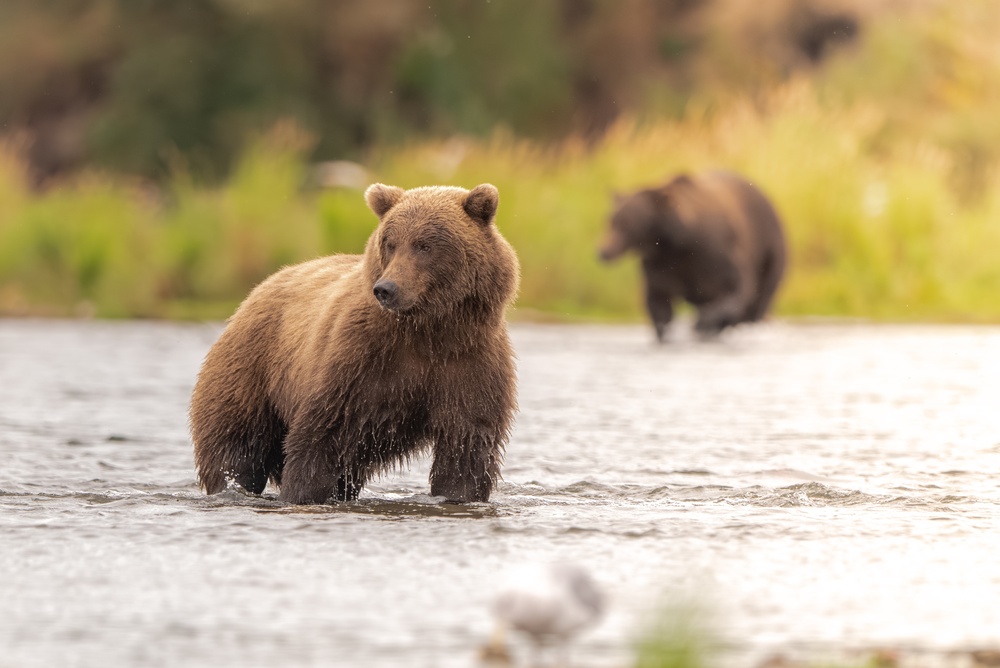
What visitors experience: Wildlife options range from shore-based bear viewing platforms to boat-based whale watching. In proper seasons, visitors typically see humpback whales feeding nearshore, sea otters, sea lions, and large concentrations of seabirds. Bear viewing often involves boardwalks or guided boat approaches to river mouths where bears fish.
Time needed: Plan half a day for a decent whale-watching or bear-viewing tour, full day for remote bear-viewing lodges that require boat or plane transfers. Shore-based bear platforms require less travel time but still demand patience.
Costs: Typical day-tour prices range $80–$250; specialized bear lodges, remote floatplane transfers, or guided multi-day tours will increase the budget significantly. Factor in park entrance fees where applicable. Honestly, wildlife tours are a mixed bag on value: day trips are reasonable, but remote lodge experiences can easily exceed $300–$500+ per person per day when you include lodging and transport. Many budget travelers prioritize one quality wildlife tour and supplement it with free or cheap wildlife spotting from roadside pullouts and state parks.
Crowd levels and best practice: Whale and bear hotspots get crowded during peak months; guided tours manage viewing distance and safety, which is important. Use binoculars and respect operator safety briefings; do not approach wildlife on your own.
Worth prioritizing? Yes for wildlife-focused travelers, but choose the right format. If popular spots are booked, look for state parks, smaller coastal towns, or less-frequented river mouths for solid sightings with fewer people. For official guidance on wildlife viewing and safety, see the Alaska Department of Fish and Game.
Alternatives to overcrowded hotspots
Smaller communities with guided naturalists, state park viewing areas, and early-morning departures often yield similar sightings with fewer crowds. Consider booking tours that depart outside midday to avoid the busiest boats.
3. Denali and large-scale national parks
What visitors experience: Denali National Park offers big-sky landscapes, long-distance views of the Alaska Range, and opportunities to see moose, caribou, and grizzly bears from park buses. The experience is about scale, not close-up encounters, so expect long drives and minimal facilities in parts of the park.
Time needed: A minimum of 1 full day, ideally 2–3 days to travel into the park on a shuttle bus and do short hikes. If you plan to ride deep into the park on the shuttle, that requires more time and may be limited by road conditions.
Costs: Park entrance plus shuttle or guided bus fees vary; a day in the park with transport and a guided walk might be $60–$200 depending on options. Backcountry permits and guided multi-day treks add costs. Is Denali expensive? The short answer is no compared to helicopter tours or remote lodges, but a solid multi-day visit with lodging nearby will run $200–$400+ when you factor in accommodation and meals. Many travelers spend one full day doing a shuttle tour and allocate lower-cost alternatives for adjacent days.
Crowd levels and reservations: The park’s main road is controlled by shuttle and tour buses during heavy months; reserve bus seats in advance if you need a specific departure. Crowds concentrate at visitor centers and short-side hikes, so arrive early or late for quieter periods.
Worth prioritizing? Yes for any traveler who wants to see Alaska’s interior landscapes and large mammals in a semi-wild setting. If Denali is fully booked, consider nearby state recreation areas or a day trip on the Denali Highway for remote scenery; verify current park operations at NPS Denali.
4. Scenic drives and train routes
What visitors experience: The Alaska Railroad and scenic highways like the Seward Highway deliver sustained landscape viewing with minimal navigation hassle. Train routes pair well with short on/off stops at small towns; the drives provide sweeping coastal, glacier, and mountain vistas.
Time needed: The Alaska Railroad routes typically require 3–8 hours depending on segment; scenic drives between major points range from 1.5 hours to full-day itineraries when combining stops.
Costs: Train fares vary widely by class and season; expect $30–$200+ for a one-way segment depending on service and distance. Car rental and fuel add to the cost for drives, but driving independently offers schedule flexibility. Turns out the train is often a better budget choice than renting a car for short segments, especially when you factor in gas and potential lodging in multiple towns. For longer drives, splitting car rental across a group reduces per-person expense significantly.
Crowd levels and logistics: Trains and highways fill during summer cruise season. Reserve train seats and rental cars ahead. For shorter stays, prioritize a train segment that covers the most ground efficiently, such as an Anchorage-to-Seward or Anchorage-to-Whittier leg.
Worth prioritizing? Yes for travelers who value moving-pictures scenery without long hikes. The Alaska Railroad official site provides schedules and fares at alaskarailroad.com.
Practical combo: train plus day hike
Take a morning train segment to a trailhead, spend a half day hiking, then return by bus. This reduces transit stress and maximizes time outdoors while avoiding the busiest highway stretches.
5. Cultural attractions and museums
What visitors experience: Urban cultural sites, such as major museums and cultural centers, explain Alaska’s Indigenous cultures, modern history, and natural sciences through exhibits, films, and often guided demonstrations. These visits are shorter, easy to schedule, and good rainy-day alternatives.
Time needed: Plan 1–3 hours for a museum visit or cultural center. Guided cultural programs can last longer if they include performances or workshops.
Costs: Museum admission is typically modest; many charge under $20–$30, with discounts for children or seniors. Cultural demonstrations may require an extra fee. Honestly, museums are one of Alaska’s best budget-friendly activities—low cost, high educational value, and completely weather-proof. If you’re watching your spending, dedicating a day to cultural attractions in Anchorage or Juneau can save you $100+ compared to boat tours while delivering rich context about the places you’ll visit.
Crowd levels and reservations: Museums are less crowded than outdoor icons, making them reliable options during bad weather or peak outdoor-tourism dates. Purchase timed-entry or exhibit tickets when available to skip lines.
Worth prioritizing? Yes if itineraries include cloudy or rainy days, or if travelers want context about the landscapes and cultures they see. See the Anchorage Museum and the Alaska Native Heritage Center for official program details.
Stay22 accommodation map for comparing neighborhoods
If you plan to base a few nights in a city and want to compare live hotel or apartment rates near cultural attractions, use the interactive map below.
Disclosure: This section may contain affiliate links. If you book through the map below, we may earn a commission at no extra cost to you.
[rtb_stay22_map city=”Alaska” venue=”Alaska” campaign=”twoscotsabroad_alaska_top-attractions”]6. Less crowded alternatives that still deliver
What visitors experience: Smaller state parks, local festivals, and neighborhood viewpoints provide memorable Alaska moments without the long lines. These spots often give similar wildlife viewing or shoreline access with easier logistics.
Time needed: Most alternatives are half-day to full-day activities, ideal for filling gaps between major excursions.
Costs: Usually lower than flagship tours; many state park sites have minimal fees, and community festivals are often free or low-cost. Expect to spend modestly on transport and modest local fees. This is where budget travelers can absolutely shine: state parks and public lands offer the same glaciers, mountains, and wildlife access as premium tours for a fraction of the cost. Pack a picnic and spend an afternoon on a boardwalk
