
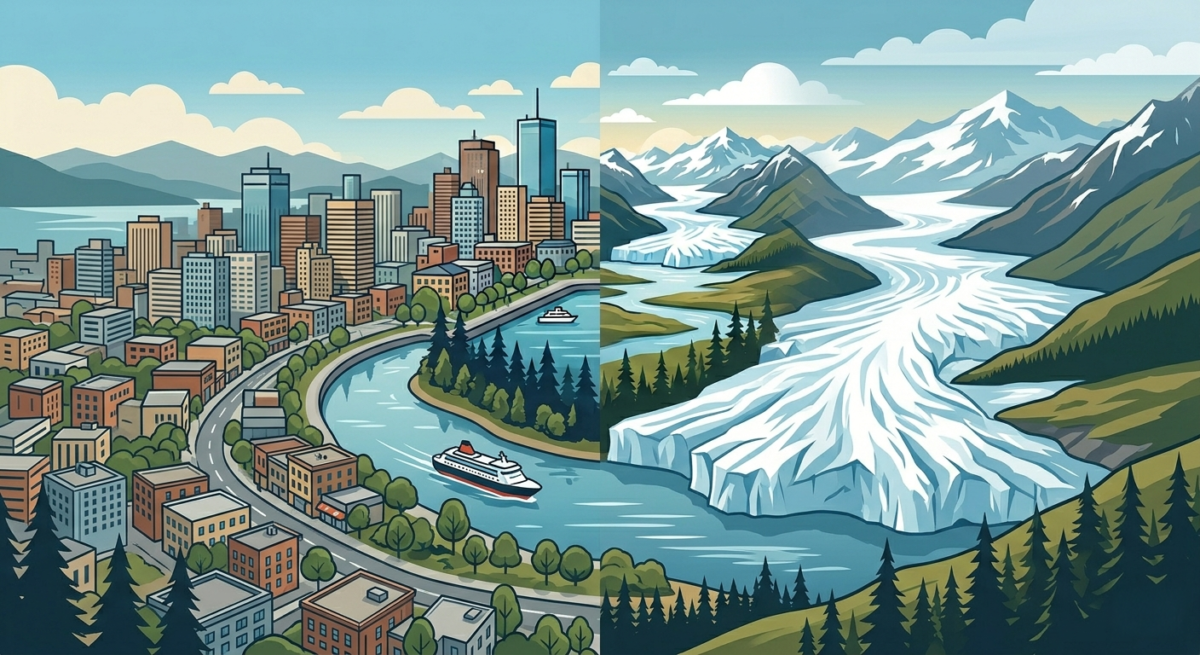
Many visitors expect Alaska to be dangerous in a dramatic way, but the main risk profile is ordinary logistics, weather, and wildlife awareness rather than urban crime. People come for glaciers, wildlife viewing, fishing, and long daylight summers; what makes Alaska distinctive is how remote many experiences are and how quickly conditions can change.
This guide explains what travelers actually face: the difference between city neighborhoods and backcountry risks, typical scams and petty theft to watch for, practical transport and driving advice, how to handle wildlife and hiking, payment and SIM options, health precautions, and a realistic safety verdict so readers can plan with confidence.
Overall safety picture: urban vs remote
Expect two different trips in one: towns and cities where conventional urban safety advice applies, and large rural areas where medical access and weather are the primary concerns. In cities like Anchorage and Juneau, visitors typically find common-sense safety works: stay in well-lit areas at night and lock valuables.
In remote areas and on trails, the main concerns are sudden weather, long response times for emergencies, and wildlife encounters. Plan for longer travel times, limited cell coverage, and higher costs for medical evacuations if something goes wrong.
Costs to budget for safety include an extra $50–150 per day for guided activities or transport where needed, basic travel insurance that covers evacuation, and gear rental costs in colder months. For official travel advisories and park information, check Alaska.org and the National Park Service Alaska pages.
Common scams and petty crime to watch for

Scams in Alaska follow familiar tourist patterns: bogus tour sellers, overcharging by informal drivers, and distraction theft in crowded areas. If an offer sounds too good or a driver insists on cash-only fares without a receipt, decline and walk away.
Keep valuables secure and avoid leaving backpacks or cameras unattended near waterfronts and transit hubs. A money belt or hidden pouch reduces pickpocket risk in busy summer ferry terminals and market areas.
For official safety tips while traveling, consult local police pages; for ferry rules and ticketing policies, see the Alaska Marine Highway.
Transport safety: driving, ferries, and small airports
Driving in Alaska feels different: long distances, narrow two-lane highways, and variable shoulder conditions. Drive conservatively, allow extra time, and avoid driving at dusk when animals are most active. Winter driving requires studded tires or snow-rated tires and experience with ice.

Outdoor Ventures Men's Packable Hooded Puffer Jacket Insulated Winter Coat
Small airports and regional carriers operate to many communities; flights are generally safe but can be affected by weather. Allow extra connection time and monitor airline or airport advisories. For airport facilities and updates, check the official site for your arrival airport, for example the Ted Stevens Anchorage International Airport site.
Ferries are an important transport option for coastal travel. Tickets and ferry schedules can change seasonally, book early in summer and keep an eye on cancellations due to weather. For schedules and rules, use the official Alaska Marine Highway pages.
Disclosure: This section may contain affiliate links. If you book through the map below, we may earn a commission at no extra cost to you.
[rtb_stay22_map city=”Alaska” venue=”Alaska” campaign=”twoscotsabroad_alaska_travel-tips-is-it-safe”]Car rental and driving practicalities
Rent the smallest vehicle that fits your needs but consider higher ground clearance for gravel roads. Inspect rental agreements carefully for mileage limits and damage policies. Keep a printed map or offline GPS, and fill up fuel whenever you can, as stations can be sparse outside cities.
Ferry tips
Bring layers and motion-sickness meds if sensitive, and be prepared for limited onboard services on longer routes. Arrive early to load vehicles, and keep important items with you rather than stowing them in a vehicle hold for long sailings.
Wildlife, hiking, and solo traveler safety
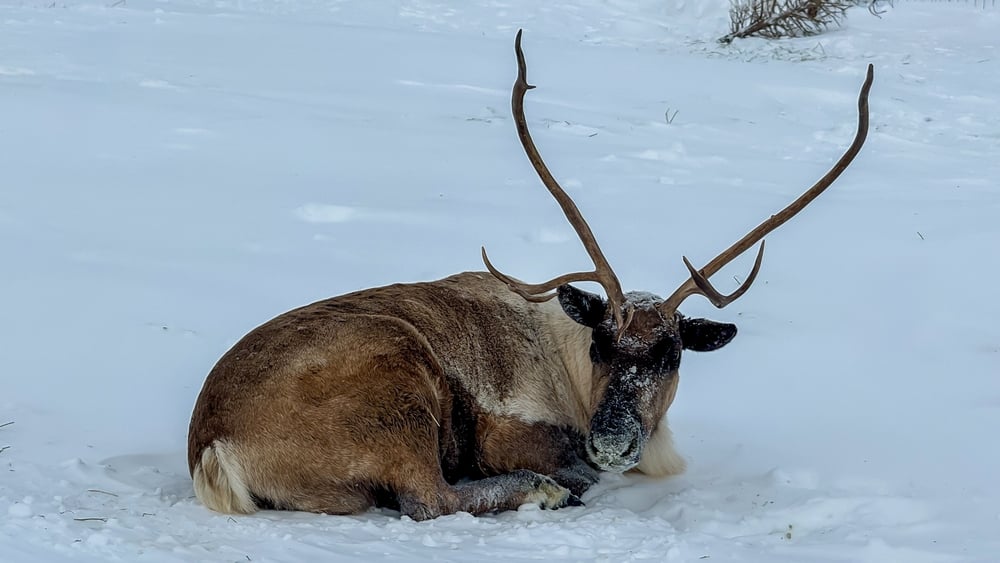
Wildlife encounters are a core safety topic: bears, moose, and occasionally wolves create real hazards near trails and roads. Hikers should carry bear spray, make noise on trails, and store food properly at campsites. Learn the difference in behavior between moose and bears—moose are unpredictable and can charge if approached.
Solo travelers should tell someone their route and expected return time, carry a personal locator beacon or satellite communicator for remote travel, and avoid solitary hikes in dense lowland areas where animals are common. Cell coverage is unpredictable, especially away from the road system.
For national park rules and bear-safety guidance, check the relevant NPS bear safety pages and local land-management instructions.
Bear spray and emergency communications
Bear spray works best when carried accessible, not in a backpack. Consider renting or buying a compact satellite communicator for backcountry trips so you can call for help without cell service. A compact first-aid kit and an emergency warming blanket are useful for sudden weather changes.
Many travelers equip themselves with personal locator devices before long hikes. For a recommended category of device, see the gear suggestions below and consider purchasing or renting from a reputable outdoor retailer.
Local etiquette, payments, and SIM cards
Alaskans are generally direct and practical; respect personal space, be polite to service workers, and follow local rules around fishing, camping, and fire safety. Tipping custom follows continental US norms: 15–20% in restaurants for table service.
Card payments are widely accepted in cities and tourist services, but many smaller towns, rural vendors, and some charter operators may prefer cash. Carry a mix of payment methods and ask ahead about card acceptance for boats and guided trips.
SIM cards and eSIMs: major carriers provide coverage in cities and along main highways, but expect gaps in rural regions. Buy local SIMs at major airports or city shops, or arrange an eSIM before arrival if your phone supports it. For broader data in the backcountry, plan for satellite communications instead of cellular.
Health, medical access, and what to carry
Medical care in Anchorage and Fairbanks is comparable to other US cities, but in remote communities access can be limited and evacuation may be required for serious injuries. Carry a travel insurance policy that covers emergency evacuation and check what is included for helicopter or fixed-wing transport.
Pack a small travel first-aid kit with supplies for blisters, minor wounds, and basic meds. For cold or wet-weather trips, include an emergency warming blanket and waterproof phone case to protect gear.
Short product suggestions follow for safety gear, choose items suited to the duration and remoteness of your trip.
Many travelers bring a compact first-aid kit for remote days. Here is a quick option to consider.

Mini First Aid Kit - 150 Piece Small Waterproof EVA Hard Shell Case
A satellite communicator or personal locator beacon is strongly recommended for remote trips longer than a day.
ACR ResQLink View RLS PLB, Satellite SOS GPS Personal Locator Beacon - 2932
A waterproof phone case protects devices during boat trips and wet hikes.

Hiearcool Waterproof Phone Pouch, Waterproof Phone Case, Black&Green 2-Pack
An emergency warming blanket is lightweight and useful for unexpected exposure.

Emergency Blanket Mylar Thermal Space Survival Gear & Supplies 4-Pack Foil
Accommodation areas and staying safe
Choose lodging in central neighborhoods in towns for convenience: that reduces late-night walks and improves access to restaurants, pharmacies, and transport. Booking early in summer secures better rates and options; many villages have limited lodging.
If camping, use designated sites, follow food-storage rules, and register at trailheads when required. Avoid camping within clear sight lines of animal travel corridors such as berry patches.
Short-term rentals are common, but check reviews and cancellation policies. For comparing live rates and locations, use the interactive map below to find accommodation that fits your itinerary.
Disclosure: This section may contain affiliate links. If you book through the map below, we may earn a commission at no extra cost to you.
[rtb_stay22_map city=”Alaska” venue=”Alaska” campaign=”twoscotsabroad_alaska_travel-tips-is-it-safe”]Practical trip checklist and verdict
Before departure, complete these essentials: buy travel insurance with evacuation coverage, download offline maps, register your itinerary with someone at home, and prebook critical transport where possible. Build extra time into any schedule for weather delays.
Overall safety verdict: Alaska is not broadly unsafe for prepared travelers, but it requires more logistical planning than many destinations. With sensible precautions around wildlife, weather, and transport, most visitors experience no major incidents. Solo travelers and those planning backcountry trips should prepare more thoroughly and carry emergency communications.
Practical Travel Tips
- Tell someone your detailed route and check-in times before backcountry hikes, and stick to them.
- Carry a paper map or offline GPS; do not rely solely on cellular navigation in remote areas.
- Always store food in bear-proof lockers or inside vehicles when available; never keep food in tents.
- Book ferries and guided wildlife tours early if visiting in June through August; prices and availability tighten quickly.
- Pack layered clothing for rapid weather shifts; waterproof outer layers are essential in coastal areas.
- Purchase travel insurance with emergency evacuation and check what air ambulance coverage exists for your destinations.
- Carry a small amount of cash for community-run services and ask before assuming card acceptance in small towns.
- If renting a car for gravel roads, clarify insurance coverage for tire and undercarriage damage.
- Avoid approaching wildlife to take photos; use binoculars or telephoto lenses and maintain distance.
- Register for local alerts or check official park and weather pages before heading into remote zones.
