
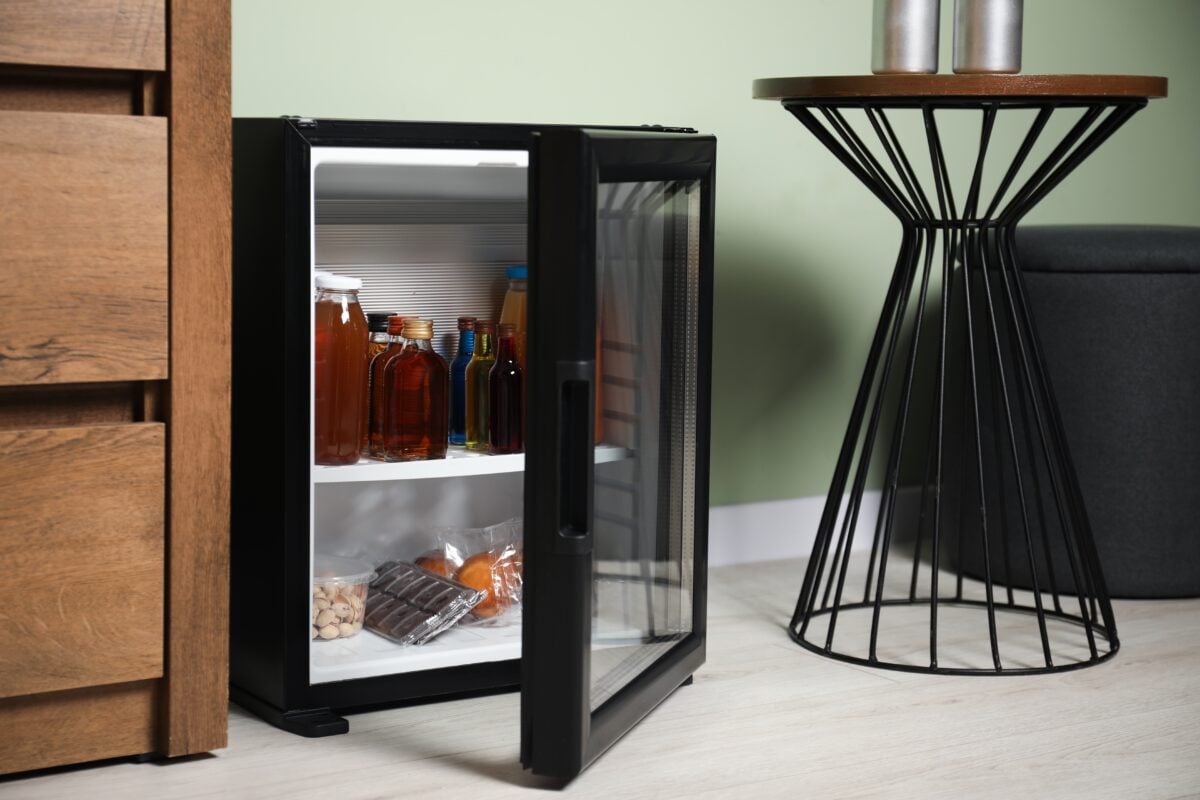
Why don’t hotels stock the minibar anymore?
If you have ever opened a hotel minibar expecting a tiny treasure chest of snacks, only to find a lonely bottle of water or a blank shelf, you are not imagining things. Why don’t hotels stock the minibar anymore? In many properties, the old-school minibar has gone from standard perk to awkward relic.
The reasons are not mysterious, and they are not especially glamorous. Minibars became expensive to run, annoying to manage, and very good at creating small guest frustrations. In the hotel world, that is usually enough to send a feature quietly into retirement.
The short answer: minibars are high effort for low reward
A minibar sounds simple enough. Stock it, charge for what is used, and let guests enjoy a late-night snack without leaving the room. In practice, it creates a surprising amount of work.
- Every item has to be stocked, checked, and replaced.
- Staff need to track what was taken and what was not.
- Guests sometimes get charged for items they did not use.
- Prices have to cover waste, breakage, and labor.
That makes the minibar less like a convenience and more like a tiny, temperamental retail store inside a hotel room. Fun for about three seconds, then expensive forever.
Why hotels moved away from the classic minibar
1. Labor costs add up fast
Restocking minibars is not a quick task. Someone has to inspect each room, replace missing items, and make sure everything is accounted for. In a hotel with many rooms, that becomes a constant chore. For hotels trying to keep operations efficient, a minibar can feel like one more piece of work that guests barely notice until it is empty.
2. Guests often dislike minibar pricing
Minibar items have a reputation for being expensive, and that reputation is not completely undeserved. Travelers may hesitate to touch anything if they think a tiny chocolate bar costs more than dinner elsewhere in the building. Hotels know this. Many have decided that if the experience creates suspicion instead of convenience, it is not worth the trouble.
3. Sensors and billing systems can be finicky
Modern minibars sometimes use sensors to detect when an item is removed. Helpful in theory, mildly annoying in real life. Guests can accidentally trigger a charge just by moving something around or trying to store their own food. That leads to front desk calls, disputes, and the kind of petty friction nobody wants on a getaway.
4. In-room fridges are easier to manage
Many hotels now prefer to place a small empty mini-fridge in the room instead of a stocked minibar. That gives travelers a place to chill water, leftovers, or groceries without creating a sales process out of every sip. For guests, it is often the best possible compromise: cold storage without the emotional burden of a marked-up bag of cashews.
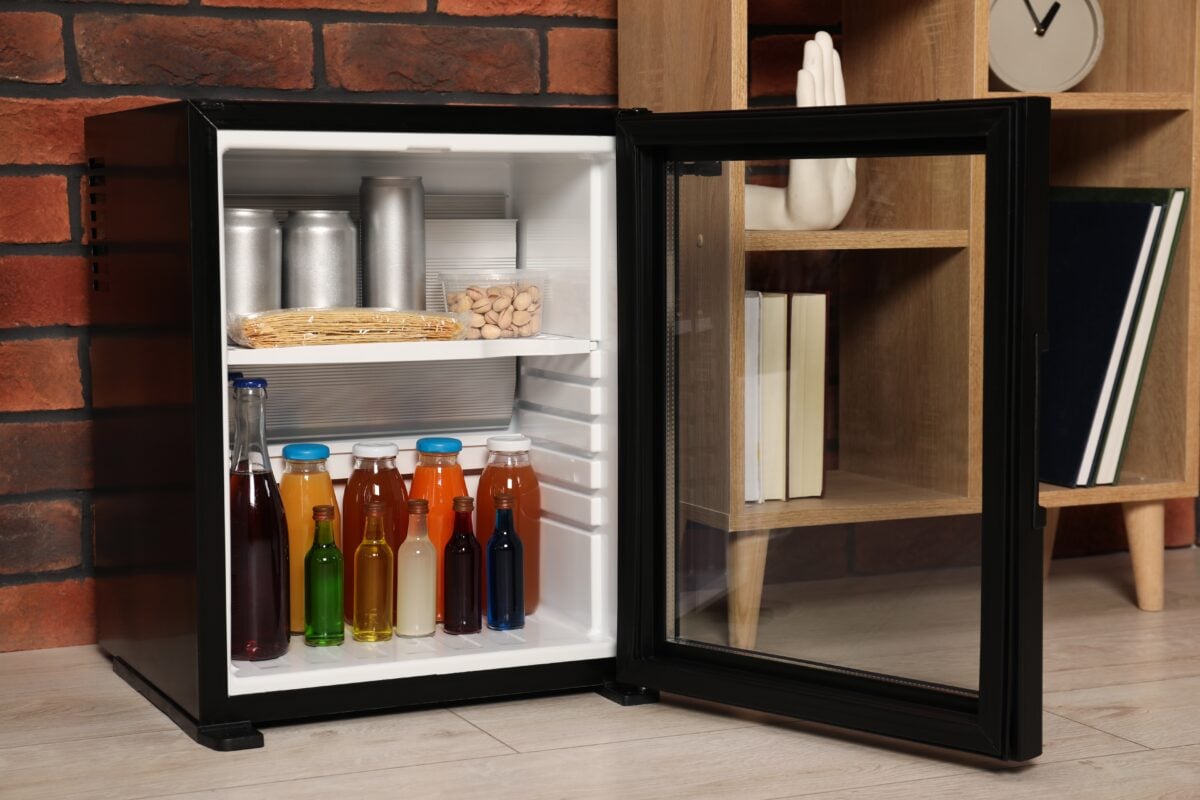
What hotels are doing instead
Hotels have not stopped thinking about convenience. They have just changed the format. Depending on the property, you might find one of these setups:
- An empty mini-fridge for personal use
- A snack shelf or grab-and-go market near the lobby
- Room service or late-night dining options
- Vending machines in common areas
- Drink stations with water, coffee, or tea
This approach gives hotels more control over inventory while giving guests more flexibility. It also avoids the awkward situation where you accidentally knock over an overpriced bottle and immediately feel like you have committed a crime against hospitality.
What makes the minibar unique, even if it is disappearing
The minibar was never just about snacks. It represented a certain era of hotel design, when in-room convenience meant curated treats, tiny bottles, and a quietly dramatic price list. For some travelers, that felt luxurious. For others, it felt like a trap with a lemon-lime soda inside.
That contrast is part of what makes the minibar interesting. It sits at the intersection of hospitality, impulse spending, and hotel logistics. When it works well, it is handy. When it does not, it becomes one more thing to explain at checkout.
What travelers should expect now
If you are booking a hotel and hoping for a stocked minibar, it is smart to check the room description first. Some properties still offer them, especially higher-end hotels or rooms with premium service. Others provide an empty fridge and expect guests to bring or buy what they need elsewhere.
Before you unpack, it helps to look for a few clues:
- Does the room listing mention a minibar or mini-fridge?
- Are snacks or drinks listed in the room amenities?
- Is there a hotel shop, lobby market, or room service menu?
- Are there any notes about sensor charges or minibar fees?
If the minibar matters to you, a quick check before arrival can save a lot of minor disappointment. Nothing ruins a late-night craving like discovering the fridge is empty and the nearest snack is a five-minute elevator ride away.
Best time to care about this question
Honestly? Any time you are traveling and want a cold drink without leaving your room. The minibar question matters most on late arrivals, short business stays, family trips, and hotel nights when convenience matters more than dining plans.
It is also worth thinking about when choosing between hotel types. A city hotel, airport hotel, resort, and boutique property may all handle minibar service differently. A property that offers an empty fridge may be more useful than one that stocks a pricey selection you would never touch anyway.
| Hotel setup | What it usually means | Best for |
|---|---|---|
| Stocked minibar | Preloaded snacks and drinks, often with automatic billing | Guests who want convenience and do not mind premium prices |
| Empty mini-fridge | Cold storage only, no hotel items inside | Travelers bringing their own food or drinks |
| Lobby market | Self-serve snacks and beverages in a shared area | Guests who want clearer pricing and more choice |
| No fridge at all | Room may have limited food storage options | Short stays or budget properties |
Practical tips for travelers
Here are a few easy ways to avoid minibar surprises on your next stay:
- Check the amenities list before booking, not after you arrive.
- Ask the hotel if the fridge is stocked or empty.
- Use the minibar only if you are comfortable with the pricing.
- If you need cold storage, bring a small cooler bag for road trips or long stays.
- Keep your own drinks and snacks separate from hotel items to avoid billing confusion.
A little planning goes a long way. Hotels are generally trying to make the room easier to use, but the minibar is one of those details that can still catch travelers off guard.
The bottom line
Why don’t hotels stock the minibar anymore? Because the traditional minibar is expensive to maintain, easy to mismanage, and often less useful than a simple empty fridge or lobby shop. Hotels want convenience too, but they also want fewer billing headaches and less restocking work.
For travelers, that usually means one of two things: no minibar at all, or a minibar that has been replaced by something more practical. Not as charming, perhaps, but a lot less likely to cause a checkout mystery over a missing packet of peanuts.
