
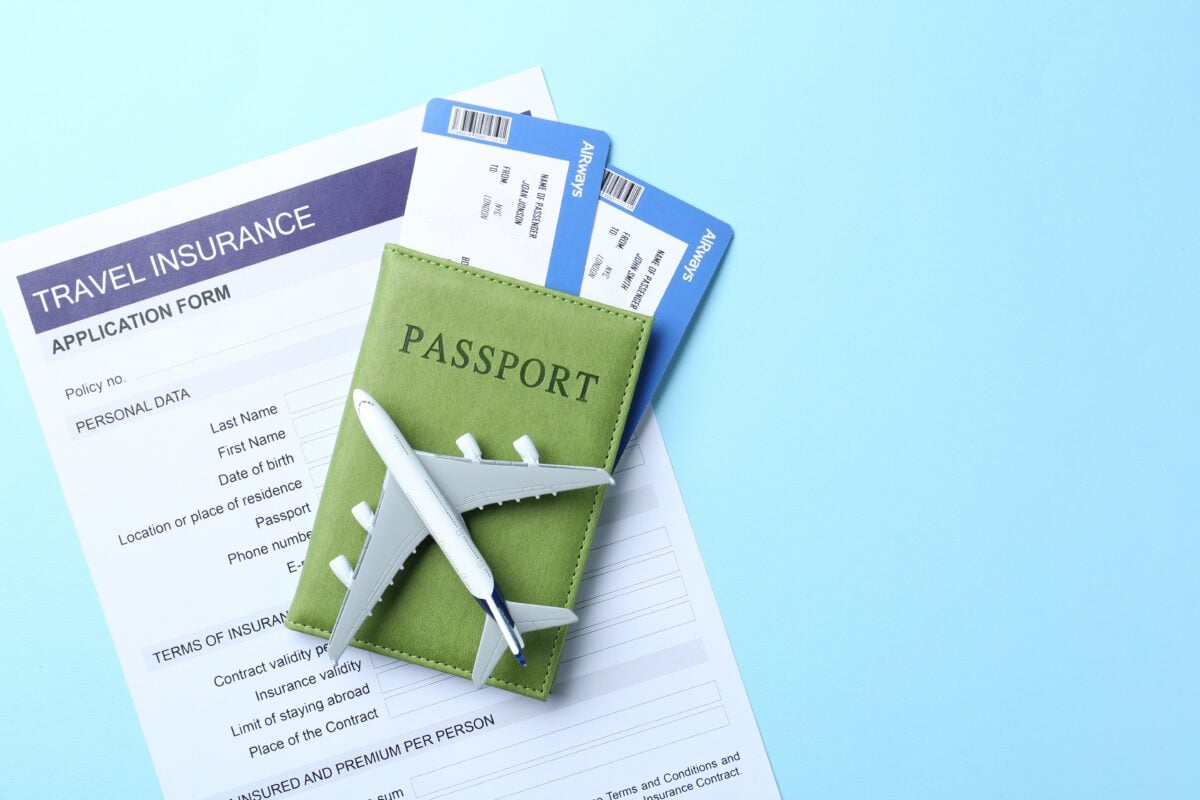
Travel protection is not optional if you want to avoid expensive surprises abroad. A solid plan covers insurance, documents, health prep, and contingency logistics before you leave home. If your flight is canceled, your bag is lost, or you need medical care in another country, preparation determines whether the situation is a minor inconvenience or a major financial hit.
You stay protected by combining comprehensive travel insurance, organized documentation, and a flexible itinerary. Book coverage before departure, store digital and paper copies of key documents, and research local healthcare access. Add buffer time between connections and keep an emergency fund available. These steps reduce both risk and stress.
For a deeper breakdown of what to look for, this guide from our sponsors to Worldwide travel protection coverage explains how different policies work and what they typically include.
Why Travel Protection Matters More Than Ever
Airline delays, extreme weather, and changing entry requirements have made international travel less predictable. Medical costs abroad can also be high, especially in countries without reciprocal healthcare agreements. Even routine issues like lost luggage can disrupt your plans and budget.
Travel insurance fills the financial gaps, but it works best when paired with practical planning. That means knowing your route, building in flexibility, and understanding local systems before arrival.
Choosing the Right Travel Insurance Policy
Not all policies cover the same risks. You need to match your coverage to your destination, trip length, and activities. A short city break has different risks compared to a multi-country itinerary or an adventure trip.
Look for policies that include medical coverage, trip cancellation, baggage protection, and emergency evacuation. If you plan to rent a car or participate in activities like hiking or skiing, check for specific add-ons.
Key Coverage Areas to Check
- Medical expenses including hospital stays and outpatient care
- Trip interruption for delays or cancellations
- Baggage protection for lost or stolen items
- Emergency evacuation for serious incidents
Always read the exclusions. Many policies exclude pre-existing conditions or high-risk activities unless declared in advance.
Organizing Your Travel Documents
Document management is simple but often overlooked. You need quick access to identification, reservations, and insurance details at all times.
Create both digital and physical backups. Store copies in cloud storage and keep printed versions in a separate bag from the originals. If your phone is lost or stolen, you still have access to critical information.
Important documents include your passport, visas if required, insurance policy, accommodation bookings, and transport tickets.
Planning a Flexible Itinerary
Overpacking your schedule increases risk. Tight connections and back-to-back bookings leave no room for delays. A smarter approach builds in buffer time and prioritizes key experiences.
For example, if you are planning a trip through Ireland, this Ireland travel planning guide shows how to structure your days without rushing. You can pair that with advice on the best time to visit Ireland to avoid peak crowds and weather disruptions.
The same principle applies to other destinations. A well-paced itinerary reduces stress and gives you options if plans change.

Budgeting for Unexpected Costs
Even with insurance, you may need to pay upfront and claim later. That means having access to emergency funds. A combination of credit cards and a small amount of local currency works best.
In some cases, travelers may also consider personal loans through our sponsor Achieve to cover unexpected large expenses such as emergency medical bills or last-minute travel changes.
Factor in these potential extra costs:
- Medical treatment before reimbursement
- Last-minute accommodation changes
- Transport rebooking fees
- Replacement essentials if baggage is delayed
Planning for these scenarios prevents financial strain during your trip.
Comparing Travel Protection Elements
| Protection Type | What It Covers | Why It Matters |
|---|---|---|
| Travel Insurance | Medical, cancellations, baggage | Reduces major financial risk |
| Document Backup | Passports, bookings, policies | Ensures access if originals are lost |
| Flexible Itinerary | Buffer time, fewer tight bookings | Allows adjustment during disruptions |
| Emergency Funds | Cash and credit access | Covers immediate unexpected costs |

Health and Safety Preparation
Research healthcare access at your destination before departure. Some countries require proof of insurance for entry, while others expect payment upfront for treatment.
Carry any prescription medication in original packaging and bring a copy of your prescription. Check vaccination requirements using official sources like the CDC travel health website.
Basic preparation also includes knowing local emergency numbers and the location of nearby hospitals.
Transport and Route Planning
Reliable transport planning reduces risk during your trip. Book major routes in advance but keep local travel flexible. If you are traveling through Scotland, this 7 day Scotland itinerary shows how to balance structure with flexibility.
City-based trips benefit from detailed guides. For example, this Edinburgh itinerary helps you organize your time without overcommitting, while this Dublin travel guide highlights key attractions with realistic pacing.
Common Mistakes to Avoid
Many travel issues come from preventable mistakes. Skipping insurance, overloading your schedule, or failing to back up documents are the most frequent problems.
Another common issue is assuming coverage includes everything. Always confirm what your policy actually protects. If you plan to rent a car, verify whether rental damage is included or requires extra coverage.
Build Protection Into Every Trip
Travel protection is about preparation, not fear. When you organize insurance, documents, and logistics in advance, you reduce risk and gain flexibility. Start by choosing the right coverage, then build a realistic itinerary and backup systems for your key documents.
Your next step is simple. Review your upcoming trip, identify potential risks, and put safeguards in place before departure. That preparation turns unexpected problems into manageable situations, so you can focus on enjoying the experience.
